

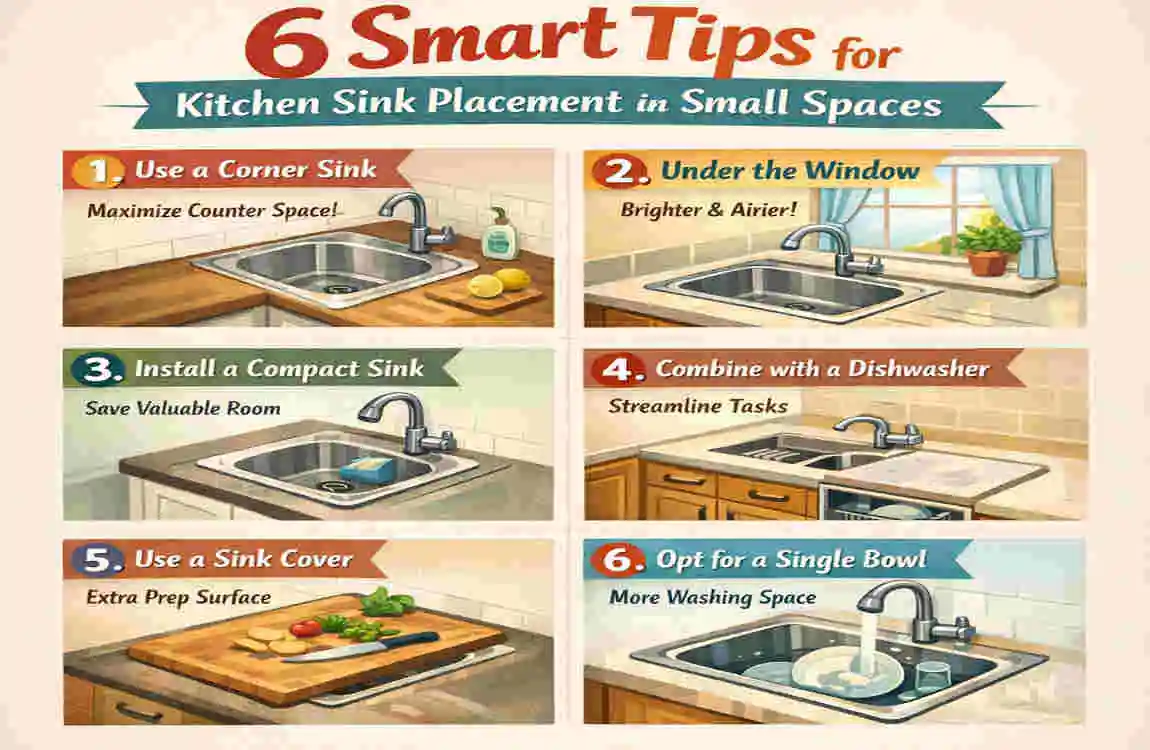
You want the space to look open, feel comfortable, and still work well for real everyday life. That is not always easy when every inch matters. In a compact kitchen, one wrong layout choice can make the room feel crowded, awkward, or hard to use. One of the biggest decisions you will make is where to place the kitchen sink in a small house.
The sink may seem like a simple fixture, but it plays a much bigger role than many people realize. It affects how you cook, how you clean, how you move around the room, and even how much natural light your kitchen gets. It also influences plumbing costs, storage options, and the overall flow of the space.
That is why smart sink placement is such an important part of compact kitchen design. When the sink is placed well, the entire kitchen feels easier to use. When it is placed poorly, even a beautiful kitchen can feel frustrating.
Why Kitchen Sink Placement Matters in Small Homes
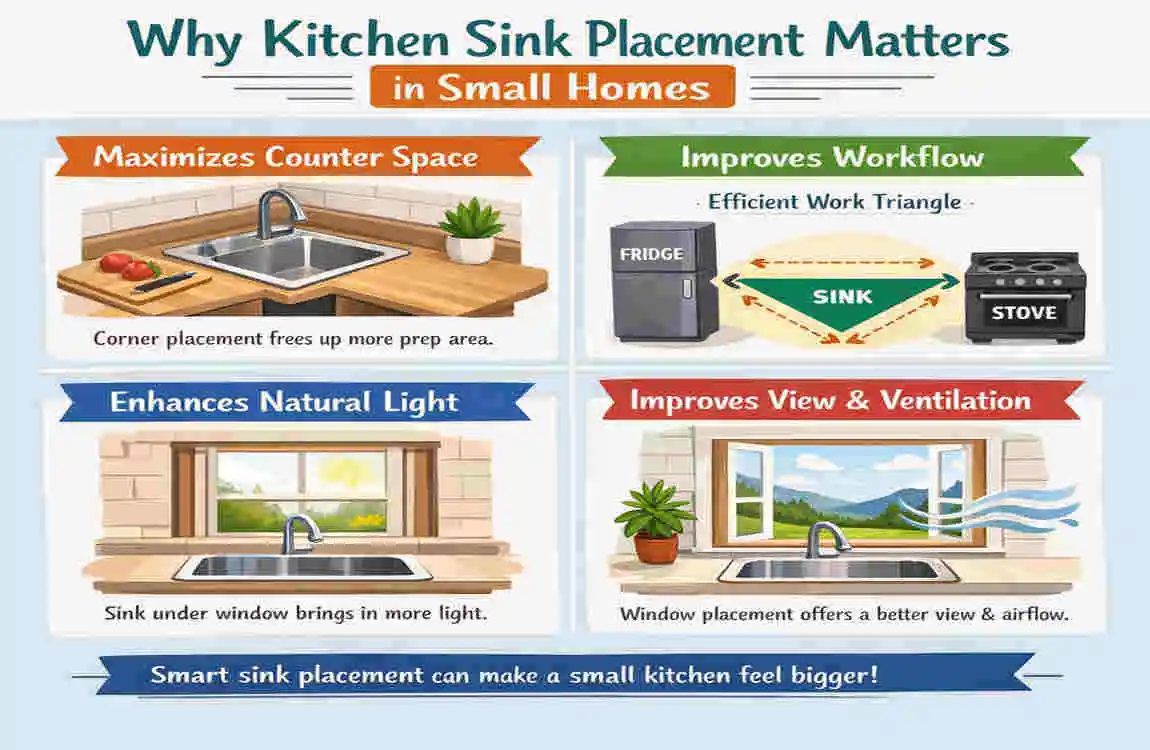
In a large kitchen, you may have more freedom to place the sink almost anywhere. In a small home, that luxury usually disappears. Every decision has a ripple effect, and the sink is one of the most important parts of the room.
The Role of the Sink in Kitchen Workflow
The sink is one of the three main points in the classic kitchen work triangle, along with the stove and refrigerator. This triangle is meant to keep your cooking routine smooth. You wash food in the sink, move it to the prep area, cook it on the stove, and store it in the fridge.
When the sink is placed in the wrong spot, that natural flow breaks down. You may find yourself walking too far between tasks. You might block prep space when washing dishes. Or you may feel cramped every time more than one person enters the kitchen.
In a small kitchen, a good sink position helps you move with less effort. It keeps the most used part of the kitchen easy to reach without crowding the rest of the space.
Space Constraints in Small Kitchens
Small kitchens often feature limited counter space, fewer cabinets, and narrower walkways. This means the sink has to do more than one job. It may be used for food prep, dishwashing, rinsing produce, filling pots, and even as a temporary holding area for items you are using.
Because of that, sink placement must support flexibility. If the sink is too large, too central, or too close to another appliance, it can reduce the amount of usable space around it. In a compact kitchen, even a few extra inches can make a big difference.
This is also why many small kitchens work better with multi-functional zones. A sink area may need to double as a prep station or cleaning station. Good placement helps that happen without creating clutter.
Plumbing and Cost Considerations
There is also a practical side to sink placement: plumbing. Moving a sink to a new location can be expensive because it may require new water lines, drain lines, and sometimes changes to the wall or floor structure. In a small house, the cost can rise quickly if the new spot is far from the existing plumbing.
That does not mean you must keep the sink exactly where it is. It simply means you should think carefully before moving it. Sometimes the smartest choice is to work with the current layout and make small improvements instead of starting from scratch.
A budget-friendly kitchen often comes from smart planning, not major changes. If you can place the sink near existing plumbing and still improve the layout, you can save money and reduce installation stress.
Place the Sink Near Natural Light
One of the best choices you can make in a small kitchen is to place the sink where it can benefit from natural light. This simple move can improve both the look and function of the room.
Benefits of Natural Lighting Over the Sink
Natural light makes a kitchen feel brighter, more open, and more pleasant to use. This is especially helpful in small spaces, where dark corners can make the room feel even tighter.
When the sink is near a window, you can see more clearly while washing dishes, rinsing vegetables, or cleaning up after meals. Good light also helps reduce eye strain and makes the whole kitchen feel more inviting.
There is another benefit too: natural light can reduce the need for artificial lighting during the day. That may not sound like a huge deal at first, but over time, every small energy-saving choice adds up.
A sink under natural light can also improve the kitchen’s mood. Many people find that washing dishes or doing prep work feels less tiring when they look out a window rather than at a blank wall.
Ideal Locations for Sink Placement
The most common and effective spot is under a window. This gives you direct daylight, a view outside, and a cleaner, more open feel.
If a window is not possible, try placing the sink near an open corner or a part of the kitchen that gets light from another room. Open-plan homes often benefit from this setup because light can move more freely through the space.
If your kitchen has a pass-through, glass door, or side window, these areas can also work well. The goal is to avoid placing the sink in a dark, closed-off part of the room unless you have a strong lighting plan to support it.
Design Ideas for Small Kitchens
When working with small kitchen sink ideas, simple design choices can make a big difference.
Choose minimalist window treatments so the window still lets in plenty of light. Heavy curtains can make the area feel closed off. Instead, use light blinds, simple shades, or no covering at all if privacy is not a concern.
A compact sink design can also help the area feel open. A smaller basin or a sleek undermount sink keeps the sightline clean and avoids making the window area feel crowded.
It is also smart to keep the wall space around the sink uncluttered. Open shelving, slim faucets, and light-colored backsplashes can all support a brighter look without adding visual weight.
Common Mistakes to Avoid
One of the biggest mistakes is blocking a valuable window with tall cabinets. This can make the kitchen feel boxed in and take away one of its best design features.
Another issue is poor lighting angles. Even if the sink is near a window, it may still feel dim if overhead lighting is weak or if a cabinet casts a shadow over the basin.
To keep the area working well, consider both daylight and artificial light. When those two things support each other, the sink space becomes much more useful.
Optimize the Work Triangle in Tight Spaces
The work triangle is one of the oldest and most helpful ideas in kitchen planning. Even in a very small kitchen, it can still guide you toward a smarter layout.
What Is the Work Triangle?
The work triangle connects three main areas: the sink, the stove, and the refrigerator. These are the places you use most often when preparing meals.
The idea is simple. You should be able to move between these three points easily, without long detours or tight obstacles. This keeps cooking faster, safer, and more comfortable.
In small kitchens, the triangle may become more compact, but it should still make sense. The sink should support your natural movement during daily tasks.
Adapting the Triangle for Small Kitchens
Small kitchen layout for small spaces often comes in a few common shapes: linear, galley, and L-shaped. Each one needs a slightly different approach.
In a linear kitchen, all the main elements line up on one wall. This is common in studio apartments and narrow homes. Here, the sink usually works best between the refrigerator and stove, with enough counter space on at least one side.
In a galley kitchen, two parallel counters face each other. This layout can be very efficient if the sink is placed on one side and the stove on the other, with the fridge nearby. The key is keeping the walking path open.
In an L-shaped kitchen, the sink often works well on one leg of the L while the stove and fridge sit on the other. This creates a smoother flow and leaves room for prep space in the corner or along the longer counter.
Best Sink Positions for Efficiency
In many cases, the best sink placement kitchen is one that balances access and counter space. The sink should not sit so close to the stove that water and heat conflict. It also should not be so far from the fridge that you keep crossing the kitchen every time you cook.
A helpful rule is to leave at least a small stretch of counter on both sides of the sink when possible. Even a modest amount of landing space can make the area much easier to use.
Center placement often works well in linear kitchens, while corner placement can be better in certain L-shaped layouts. The right choice depends on how you move through the room and what other appliances you need to fit.
Real-Life Layout Examples
Imagine a small kitchen where the sink sits directly between the stove and refrigerator. In this case, you can rinse the vegetables, place them on a nearby counter, and move straight to cooking without turning in circles.
Now compare that to a kitchen where the sink is at one end of the room. Every task takes longer because you keep traveling between zones. The space may still be usable, but it feels less efficient.
The best layouts usually reduce unnecessary steps. That is the real power of a well-planned work triangle.
Utilize Corner Sink Placement
Corner sinks are not right for every home, but in the right small kitchen they can be a smart and stylish choice.
Why Corner Sinks Work in Small Spaces
A corner sink uses space that often goes underused. Instead of placing the sink in the middle of a counter run, you can put it in a corner, freeing up the surrounding counters for prep, storage, or appliances.
This can be especially helpful in compact kitchens where every countertop inch matters. Corner placement may also help the room feel more open by moving a large fixture out of the main work path.
Some people like corner sinks because they create a unique design feature. They can add visual interest while still serving a practical purpose.
Pros and Cons of Corner Sinks
Here is a simple look at the main advantages and trade-offs:
Corner Sink ProsCorner Sink Cons
Uses an awkward area efficiently May have a smaller basin
Frees up more counter space elsewhere Can feel tight for two people
Helps open up the main work zone Installation may be more custom
Adds a distinctive look May need special lighting
Corner sinks can work beautifully, but they need careful planning. If the sink is too deep in the corner, it may be hard to reach. If the cabinet design is awkward, storage below may become less useful.
Best Scenarios for Corner Sinks
Corner sinks are often a strong choice in L-shaped kitchens because they naturally fit into that angle. They can also work well in open-plan small homes where you want the sink area to feel slightly tucked away without becoming disconnected from the rest of the kitchen.
If your kitchen has limited wall space but a usable corner, this option is worth considering. It can help you make the most of the layout instead of trying to force a traditional sink into a space that does not really suit it.
Design Tips for Corner Sink Installation
If you choose this style, make sure the cabinet below is properly designed. Standard cabinets may not support the shape as well as a custom or semi-custom option.
Lighting matters here too. Corner sinks often need strong task lighting because natural light may not reach the corner evenly. A pendant, under-cabinet light, or angled ceiling fixture can make the area much easier to use.
Also think about faucet reach and cleaning access. The sink should not feel cramped against walls or cabinets. Leave enough room for daily use to be comfortable.
Choose the Right Sink Size and Type
In a small kitchen, sink size is not just a design choice. It is a space decision, a workflow decision, and often a style decision too.
Compact Sink Options for Small Kitchens
For many small homes, a single-bowl sink is the most practical option. It gives you one clear basin without dividing the space into two smaller sections. That can make it easier to wash larger pots or stack dishes while cleaning.
A double-bowl sink may feel useful, but in a small kitchen it can eat up too much counter and cabinet space. If you need a divided setup, a smaller double bowl may work, but only if the layout can support it.
You also need to think about mounting style. An undermount sink creates a smooth counter edge and can make cleaning easier. A top-mount sink is often easier to install and can be more budget-friendly. Both can work well, but the best choice depends on your counter material, budget, and design goals.
Space-Saving Features to Look For
A smart small kitchen sink does more than hold water. It should help you save space too.
Look for features such as:
- Integrated drainboards that give you a place to set washed items
- Multi-functional sink accessories like cutting boards or drying racks
- Shallow ledges that support prep tools without taking extra counter space
- Compact basins that fit a smaller footprint without feeling too restrictive
These small details can make a big difference in how useful the sink feels day to day.
Materials and Durability
Stainless steel remains one of the most popular choices for small kitchens because it is light, durable, and easy to clean. It also tends to blend well with many styles.
Composite sinks can offer a more solid feel and often come in different colors. They may suit a more modern or coordinated kitchen design. However, they can be heavier and sometimes need a bit more care to avoid staining or scratching.
When choosing a sink material, think about maintenance as much as style. In a small kitchen, the sink may be used constantly, so durability matters.
Matching Sink Type with Placement
The sink type you choose should support the placement you want. For example, a corner sink may need a more compact shape to fit the space cleanly. A window sink may work best with a low-profile design so it does not block the view.
The more closely the sink style matches the layout, the more efficient the entire kitchen becomes. That is the real goal of compact kitchen design: making every part of the room work together.
Keep Plumbing Simple and Accessible
Plumbing is one of the least exciting parts of kitchen design. Still, it can have a significant impact on your budget and long-term satisfaction.
Why Plumbing Layout Matters
If you move a sink too far from the original plumbing, the cost can rise quickly. You may need new pipes, updated drainage, wall changes, or floor work. In a small house, those changes can become complicated very fast.
A simpler plumbing layout is usually easier to maintain too. If something leaks or needs repair later, a straightforward setup is less stressful to access and fix.
That is why many homeowners prefer to keep the sink near existing lines whenever possible. It helps control costs and makes the project feel less overwhelming.
Best Practices for Small House Kitchen Sink Placement
Whenever you can, align the sink with existing pipes. This is often the most practical choice, especially in older homes where plumbing changes may be more difficult.
Try to avoid very complex rerouting unless the new layout truly improves the kitchen. Sometimes a small adjustment is enough. You may not need to move the sink across the room to improve the flow.
Also, think ahead about how the sink connects to nearby appliances. If you plan the plumbing carefully, you may avoid future problems with drain access, cabinet fit, or service access.
Hidden Storage Around Plumbing
A small kitchen needs storage wherever it can get it. The area under the sink is often awkward, but it can still be useful.
Try using under-sink organizers, stackable bins, or slim pull-out storage to make the most of the cabinet. These solutions can help you keep cleaners, sponges, dish soap, and trash bags neat and easy to reach.
If the plumbing takes up too much space, choose organizers that work around the pipes rather than fighting them. The goal is to make the cabinet useful, even with limited space.
When to Call a Professional
Some sink placement projects are simple. Others are not.
If you are changing the sink location, altering pipe routes, or dealing with older plumbing, it is wise to bring in a professional. You should also get help if you notice weak water pressure, poor drainage, or signs that the current setup is not healthy for long-term use.
DIY can save money in some cases, but plumbing mistakes can become expensive fast. A professional can help you avoid hidden problems and keep the project safe.
Bonus Tips for Small Kitchen Efficiency
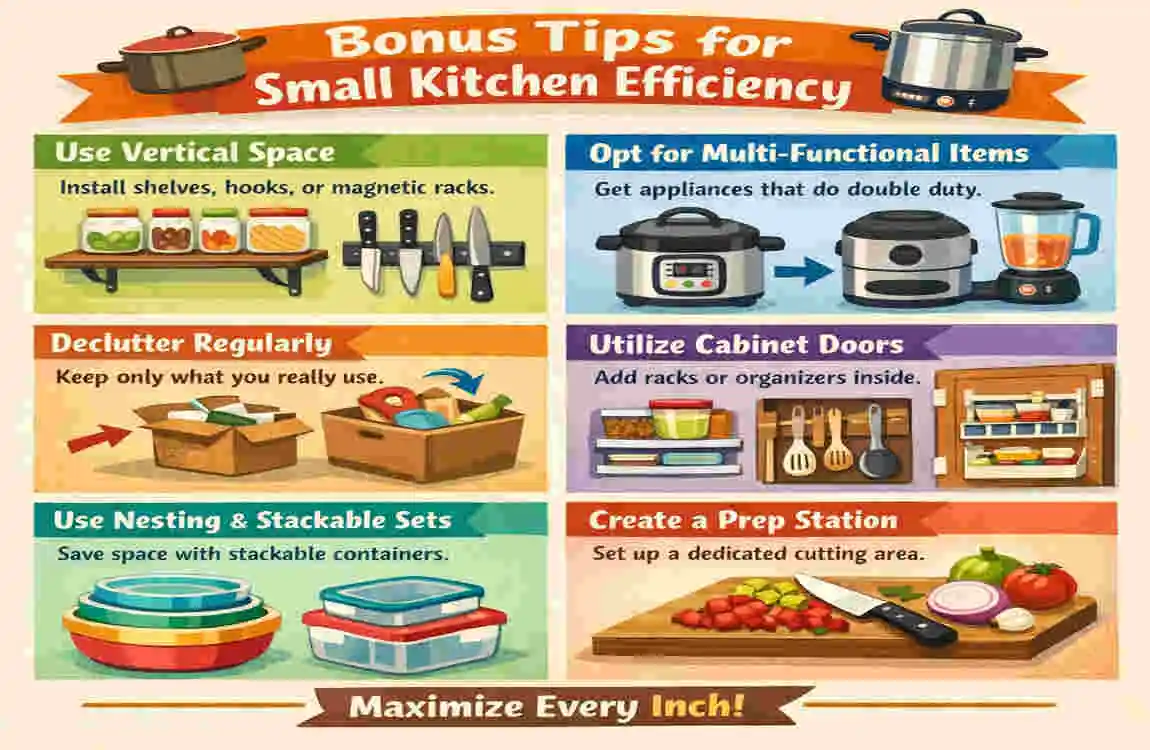
Once you have chosen the right sink placement, a few extra design moves can make the whole kitchen work even better.
One helpful option is a wall-mounted faucet. This can free up counter space and make cleaning easier around the sink area.
You can also use foldable or pull-out countertops nearby. These give you temporary prep space when you need it and disappear when you do not.
Another smart move is to add vertical storage near the sink. Wall shelves, slim racks, or hanging organizers can keep everyday items close without taking up valuable counter space.
Finally, choose light colors for cabinets, walls, and backsplash materials. Light shades reflect more brightness and help the kitchen feel larger and calmer.
These may seem like small details, but in a compact kitchen, small details matter a lot.
Common Mistakes to Avoid
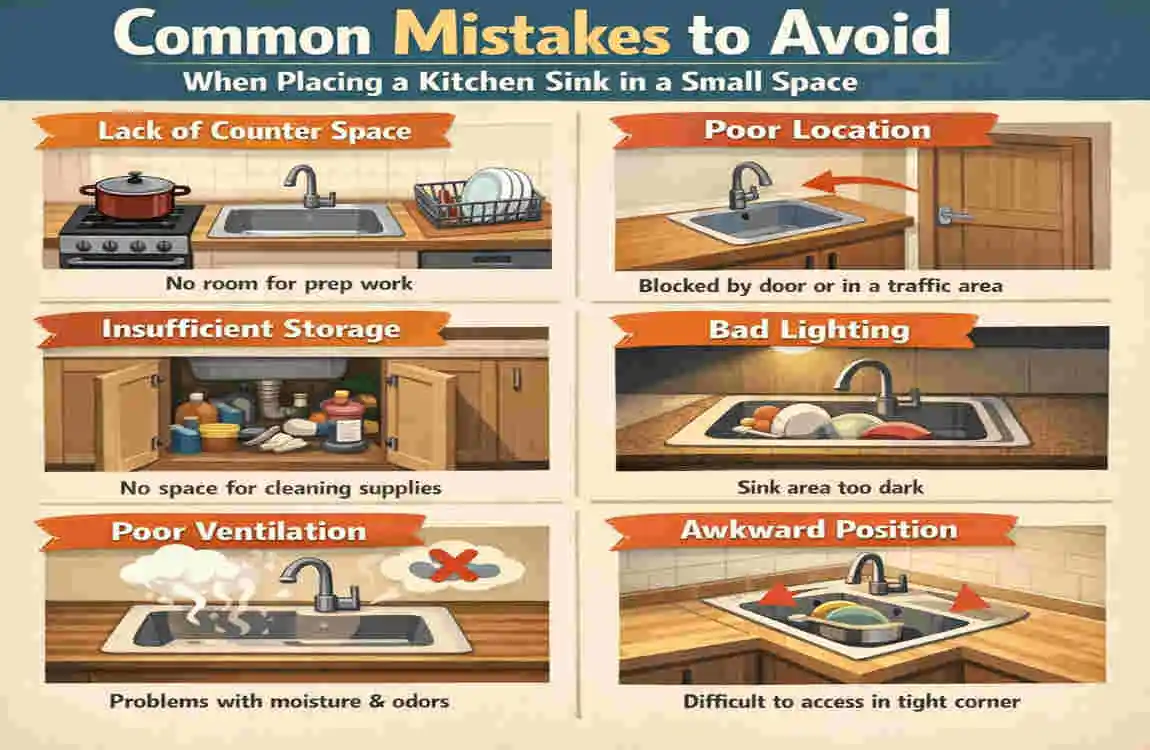
Even a well-designed kitchen can run into problems if the sink area is planned carelessly. Avoiding common mistakes can save you time, money, and frustration.
One mistake is placing the sink too close to the stove. This can make the area feel crowded and awkward, especially when you need both cooking and cleaning space at the same time.
Another issue is the lack of counter space on either side of the sink. Without enough landing space, everyday tasks become harder. Even a small stretch of counter can make the sink area much more practical.
Poor lighting is another common problem. If the sink area is dark, it will feel less inviting and harder to use. Good lighting should be part of the plan from the start.
Choosing an oversized sink can also hurt the layout. In a small kitchen, a large basin can take up too much counter and cabinet space.
Finally, do not forget ventilation. Kitchens need fresh air, especially near the sink, where moisture can build up. A well-ventilated kitchen feels cleaner and more comfortable over time.
FAQs
What is the best position for a sink in a small kitchen?
The best position is usually one that supports easy movement between the sink, stove, and refrigerator while leaving enough counter space for prep work. In many small kitchens, that means placing the sink under a window, along the main work wall, or in a corner that frees up the rest of the layout.
Can I move my kitchen sink to another location?
Yes, but it depends on the plumbing, budget, and kitchen layout. Moving the sink is possible, but it may require new pipes and added labor. In many cases, keeping the sink near the existing plumbing is the simplest and most cost-effective choice.
Is a corner sink a good idea for small kitchens?
Yes, it can be a very good idea in the right layout. Corner kitchen sink ideas work especially well in L-shaped kitchens because they use space that might otherwise go to waste. The main trade-off is that the sink may feel slightly less open or harder to use for two people at once.
What size sink is best for a small house kitchen?
A compact single-bowl sink is often the best choice for a small kitchen in a small house. It saves space and still gives you enough room for daily use. If you need more flexibility, look for a small but deep basin with useful accessories, such as a drainboard or a cutting board insert.
How do I maximize space around my kitchen sink?
Start by leaving counter space on at least one side of the sink if possible. Then add smart storage under the sink, use vertical wall space, and keep the area clutter-free. Choosing the right sink size, faucet style, and lighting will also help the area feel more open and useful.
