

Walking into a house that has sat empty for years is a strange experience. The air is stale, dust coats every surface, and you can’t be sure what’s waiting behind the next door. Maybe you inherited the property, bought a fixer-upper, or you’re helping a family member deal with a home that was left behind.
Whatever brought you here, the good news is that it’s absolutely doable. The catch is that an abandoned house isn’t a normal spring clean. Rodent droppings, mold and old paint can all be hiding in there, and how you clean matters as much as what you clean.
Before You Start: Get Permission and Do a Walk-Through
First, make sure you have the legal right to be inside. If you own the home property or have written permission from the owner or executor, you’re fine. If you don’t, stop here. Entering or removing items from a property that isn’t yours can cause real legal trouble, even if it looks completely neglected.
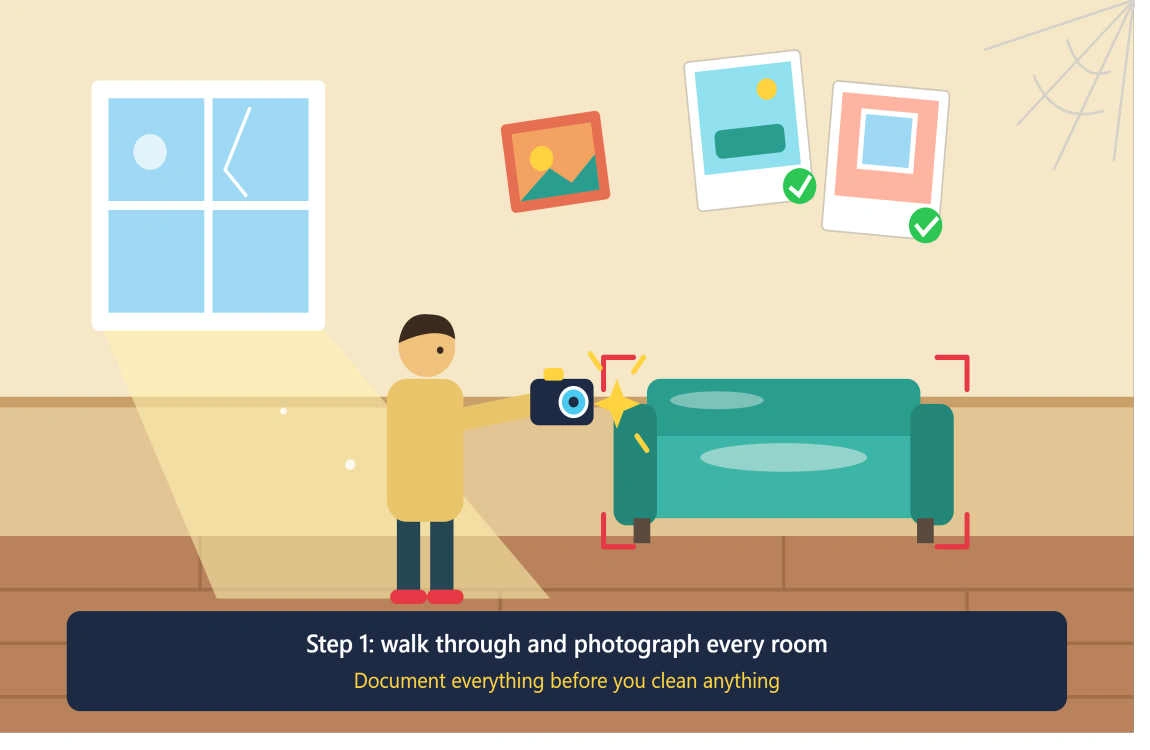
Once that’s settled, do a careful walk-through without cleaning anything yet. You’re looking for:
- Structural red flags: sagging ceilings, soft or rotted floorboards, cracked stairs, and water stains that suggest an active leak.
- Utilities: check whether electricity, water and gas are on or off. If you smell gas, leave immediately and call the gas company. Don’t use light switches or electrical tools in rooms with standing water.
- Signs of pests: droppings, gnawed wires, shredded nesting material, or wasp and hornet nests in attics and eaves.
- Visible mold: black, green or fuzzy patches, especially in bathrooms, basements and around windows.
- Hazards underfoot: broken glass, exposed nails and sharp debris.
Take photos of everything. They help you plan, and they’re useful for insurance or resale records later.
The Three Hidden Hazards You Need to Know About
Dust and clutter are the obvious problems. The ones that can actually hurt you are less visible.
Rodent droppings and urine
Mice and rats love an undisturbed house. The danger isn’t just the mess. Hantavirus, which can be serious, is spread when people breathe in contaminated dust. According to CDC hantavirus guidance and the agency’s official prevention recommendations, the safest approach is to avoid stirring up that dust in the first place. That means no dry sweeping and no regular vacuuming of droppings or nests.
Mold and moisture damage
Empty houses often have slow leaks, and slow leaks mean mold. The EPA’s guidance is blunt: the key to mold control is moisture control. If you scrub mold off a wall but never fix the leak behind it, it will come back. The agency also notes that water-damaged areas and items need to be dried within 24 to 48 hours to prevent growth, which is exactly why an abandoned property can get so bad so quickly.
Lead paint and asbestos
If the house was built before 1978, assume the paint may contain lead until a test says otherwise. The EPA reports that about half of homes built before 1978 contain lead-based paint, and the share climbs the older the house is. Older insulation, ceiling texture, joint compound and flooring can also contain asbestos. Don’t sand, scrape or tear into suspicious materials. Cleaning is fine, but demolition-level disturbance is a job for certified professionals.

What You’ll Need: Protective Gear and Supplies
Don’t skimp here. Cheap gear is better than none, but the right gear is what keeps you healthy.
Protective equipment
- A NIOSH-approved N95 respirator (at minimum). The CDC says to look for a NIOSH-approved respirator rather than a basic dust mask. Surgical masks are not a substitute, and a respirator only works if it fits snugly against your face.
- Non-vented safety goggles to keep dust and spores out of your eyes.
- Gloves. The CDC’s mold cleanup guidance recommends non-latex protective gloves such as vinyl, nitrile or rubber. Don’t touch clean mold or moldy items with bare hands.
- Disposable coveralls, sturdy boots and a hat. You’ll want to leave these at the door when you’re done.
Cleaning supplies and tools
- Heavy-duty contractor trash bags and a few rigid bins
- A spray bottle for disinfectant, plus a bucket and mop
- Dish soap or a general detergent, stiff brushes and plenty of rags or paper towels
- A HEPA-filter vacuum (a regular vacuum can blow fine dust back into the air)
- A flashlight or headlamp, a pry bar, a ladder, and a box of hand tools
- Disinfectant, or household bleach for the specific jobs described below
- Fans, and a dehumidifier if you have power
How to Clean an Abandoned House: Step by Step
Air the place out first
Open doors and windows and let the house breathe before you stay inside for any length of time. For homes with rodent activity, the CDC recommends cross-ventilating and leaving the area during the airing-out period, commonly about 30 minutes. Use that time to unload your gear and plan your route through the house.
Secure the house and deal with pests
Board up or cover broken windows and close obvious gaps so animals and weather can’t keep coming back in. If you find live pests or nests, resolve that before the deep clean, not after. For anything beyond a minor mouse problem (large nests, bats, wasps, raccoons), call licensed pest control.
Remove large debris and trash
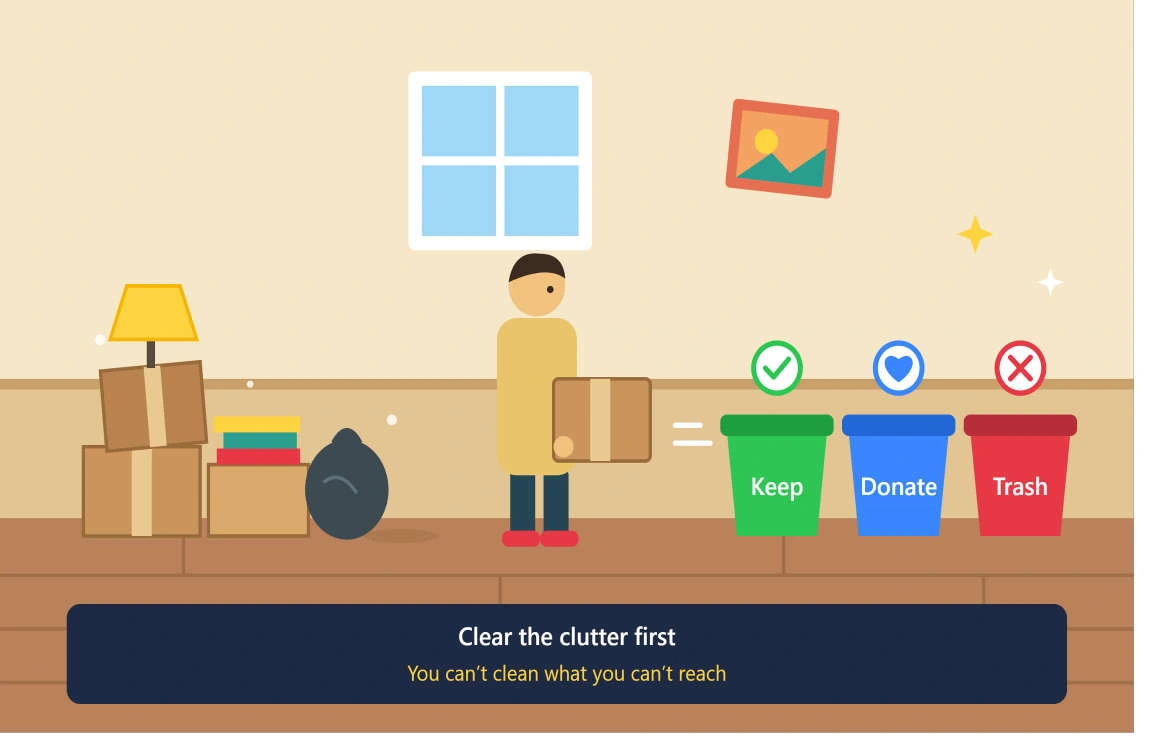
Start with the big stuff. Hauling out furniture, old appliances, boxes and bags of junk gives you room to work and lets you see the real condition of the floors and walls. Work room by room and sort into three piles: trash, donate or keep and hazardous (old paint, chemicals, batteries, propane tanks, anything unlabeled). Never mix hazardous items into regular garbage. Your local waste authority will tell you how to dispose of them.
Clean up rodent droppings the safe way
This is the step people get wrong most often, and it’s the one that matters most for your health. The CDC’s cleanup advice boils down to a few rules:
- Don’t sweep or vacuum droppings, urine or nesting material. That kicks contaminated dust into the air.
- Wear gloves, and spray first. Soak droppings and nests with a disinfectant or a bleach-and-water mix and let it sit.
- Wipe up with paper towels and put them in a sealed bag, then in a covered trash can.
- Mop or disinfect the area afterward.
- Wash your gloved hands with soap and water (or spray them with disinfectant) before taking the gloves off, then wash your bare hands again.
For the full procedure, see the CDC’s hantavirus prevention recommendations. If you’re dealing with a heavy infestation, such as droppings throughout an attic or crawl space, it’s wise to bring in a professional with proper respiratory protection.
Tackle mold carefully
Fix the water problem first, because cleaning home without fixing the source is wasted effort. Then size up the job. The EPA’s mold cleanup guidance suggests that if mold covers more than about 10 square feet, you should consult its commercial-building remediation guidance or hire a professional. For smaller patches on hard surfaces:
- Wear your respirator, goggles and gloves.
- Scrub with detergent and water, then dry the area completely.
- Throw away porous materials that have been soaked for a long time, such as carpet, ceiling tiles and soggy insulation, rather than trying to save them.
- If you suspect mold in the heating or cooling system, don’t run it. The EPA warns that it can spread mold through the whole building.
Bleach isn’t required for routine mold cleanup on hard surfaces. Detergent and water do the job, and you should never mix bleach with ammonia or other cleaners because the fumes are dangerous.
Dry-dust from the top down, then deep clean
Once the hazardous bits are dealt with, it’s time for the satisfying part. Work from the highest point to the lowest so that dirt falls onto areas you haven’t cleaned yet:
- Ceilings, corners and light fixtures: remove cobwebs and loose dust with a damp cloth or a HEPA vacuum.
- Walls and windows: wash with warm water and detergent, working in sections.
- Doors, trim and shelves: wipe thoroughly, including the tops and frames that collect dust.
- Floors last: HEPA vacuum first, then mop with a suitable floor cleaner. Heavily soiled carpet is usually better replaced than rescued.
Change your water often. Dirty mop water just moves grime around.
Scrub the kitchen and bathrooms
These rooms take the most effort, and they deserve a disinfectant, not just soap. Clean the inside of the fridge and oven or, if the appliances are beyond saving, haul them out. In bathrooms, descale toilets and sinks, treat grout and tile, and check under the sink for slow leaks and hidden mold. If the plumbing hasn’t been used for a long time, run the taps and flush the toilets once water is safely back on. Consider a plumber’s inspection before you rely on the pipes.
Get rid of lingering odors
A musty smell usually means moisture is still present somewhere, so look for the cause before reaching for air fresheners. Once the source is gone:
- Keep windows open and run fans for several days.
- Use a dehumidifier to bring humidity down.
- Set out bowls of baking soda or activated charcoal in affected rooms.
- Wash washable fabrics and replace smelly carpet and upholstery.
Persistent smells from walls or flooring (especially after pet urine or pest activity) may mean you need to seal or replace materials.
Do a final inspection and decontaminate yourself
Walk the house again with a flashlight. Look for missed corners, damp spots and any new signs of pests. Then take care of yourself: bag and discard disposable gear, wash your reusable gear and launder your clothes in hot water. Shower before you get in the car or go home, and wash your hands and face before eating.
When to Call a Professional
You can handle a lot yourself, but some situations genuinely call for experts:
- Mold across large areas or in the HVAC system
- Suspected asbestos or lead paint that needs to be disturbed. Federal rules require contractors working on pre-1978 homes to be certified and to follow lead-safe work practices.
- Heavy rodent infestations with droppings throughout the structure
- Structural damage, roof leaks or electrical and gas problems
- Biohazards, such as sewage backups or the presence of a deceased animal in a wall or crawl space
Paying for expert help on the dangerous parts and doing the routine cleaning yourself is a sensible middle path.
Frequently Asked Questions
How long does it take to clean an abandoned house?
It depends on the size of the house and how bad it is. A small, lightly neglected home might take a weekend. A larger property with heavy clutter, mold or pest problems can take weeks, especially if you’re waiting on pros or deliveries. Plan generously.
Is it safe to clean an abandoned house yourself?
Often yes, if you wear the right protective gear and follow safe methods. It becomes unsafe when you ignore hazards like rodent dust, mold and old paint, or when you tackle structural and electrical problems without training.
Should I use bleach to clean mold in an abandoned house?
Not necessarily. The EPA says that detergent and water are enough for routine mold cleanup on hard surfaces. Drying the area and fixing the moisture source matter far more than the cleaning product you choose.
What is the first thing to do when cleaning an abandoned house?
Confirm you’re allowed to be there, then ventilate the house, put on protective gear and do a walk-through to check for structural damage, pests, mold and utilities. Cleaning comes after the safety check.
Can I vacuum rodent droppings?
No. Vacuuming or sweeping can send contaminated dust into the air where you can breathe it in. Spray with disinfectant, wipe up with paper towels, and dispose of them in a sealed bag.
Final Thoughts
Cleaning an abandoned house is part detective work and part hard labor. Take your time, protect your lungs, and resist the urge to sweep everything into a pile on day one. Do the safety check, remove the debris, handle the hazards properly, and then clean from the top down. Done in that order, even a house that looks hopeless can be fresh, safe and ready for its next chapter.
