

You wake up with itchy red welts, and a nasty thought creeps in: do I have bed bugs? Before panic sets in, here is the first thing worth knowing. Getting bed bugs has almost nothing to do with how clean your home is. It has everything to do with how these tiny insects travel.
If you have been asking yourself how do you get bed bugs in your home, this guide walks through exactly how they arrive, the early warning signs to look for, and the simple habits that make your home a much harder target.
What Are Bed Bugs, Exactly?
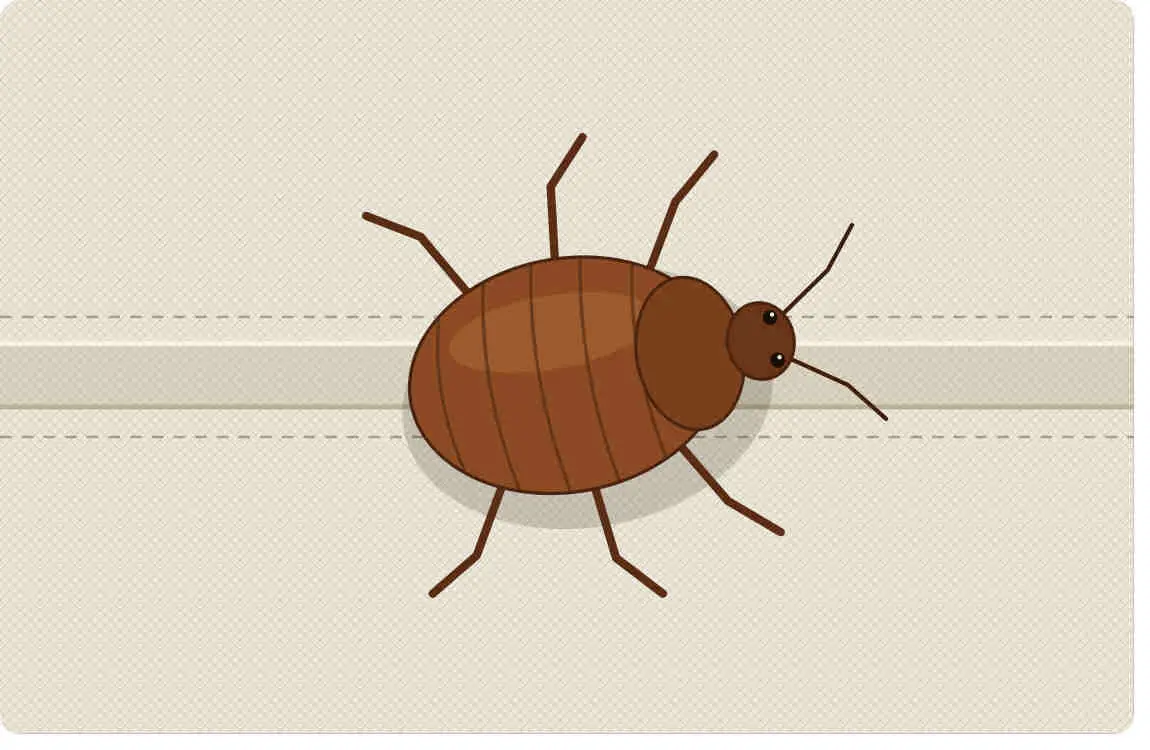
Bed bugs are small, reddish-brown, wingless insects that feed on blood, usually at night. According to the Mayo Clinic, they are about the home size of an apple seed, and they hide in the cracks and crevices of beds, box springs, headboards and bed frames before coming out to feed.
The good news is that bed bugs are not known to spread disease. The bad news is that they are very good at staying hidden, and a single pregnant female can start a full infestation.
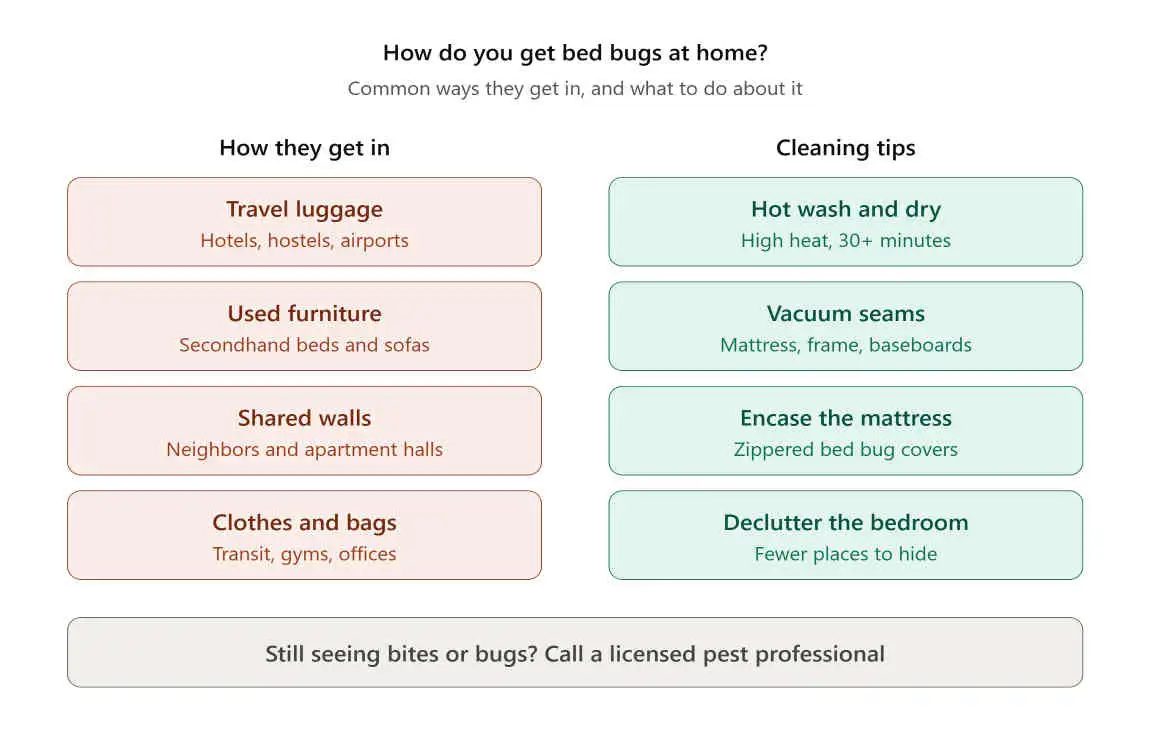
How Do You Get Bed Bugs? The 7 Most Common Ways
Bed bugs cannot fly or jump. They crawl, and they hitch rides. The Centers for Disease Control and Prevention (CDC) explains that their slim, flat bodies let them squeeze into the smallest spaces, and that they are usually carried from place to place on people’s belongings. Here are the most common entry routes.
Luggage and travel bags
This is the classic. Hotels, hostels, short-term rentals, trains and even airports can all have bed bugs. The CDC notes that frequent travelers are at higher risk because they regularly sleep in places where many other people have slept. A bed bug crawls into your suitcase, and you carry it cleaning home without ever seeing it.
Secondhand furniture and mattresses
That bargain sofa or curbside bed frame may come with unwanted tenants. Mayo Clinic advises inspecting used bedding and upholstered furniture carefully before bringing it into your home. If it has been sitting outside or in storage, check every seam, fold and joint.
Shared walls in apartments and condos
If you live in a duplex, apartment building or dormitory, bed bugs can move between units through small cracks in walls and floors, along pipes and through electrical outlets. A neighbor’s problem can become yours even if you never travel.
Visitors and their belongings
Guests, house sitters, cleaners or family members who have been exposed can carry bed bugs on bags, coats and clothing without knowing it. It is rarely anyone’s fault, and it is not a reason for embarrassment.
Your clothing, backpack or work bag
Offices, schools, public transport, movie theaters and shared laundry rooms are all places where bed bugs occasionally turn up. They do not live on your body like lice, but they can crawl onto bags and coats and ride home with you.
Laundromats and shared laundry
Clean laundry sitting in a shared basket or on a folding table can pick up a stowaway. Bag your clean clothes before carrying them home, and fold them at home rather than in a public space.
Birds, bats and nearby nests
Mayo Clinic also lists neighboring bird and bat habitats as a possible refuge for bed bugs, which is worth knowing if you have nesting birds close to your attic, eaves or windows.
Do Dirty Homes Get More Bed Bugs? (The Big Myth)
No. Bed bugs do not care whether your home is spotless or messy. As the Mayo Clinic puts it, all they need is a warm host and plenty of hiding places. The CDC also states that bed bugs have been found in five-star hotels and luxury resorts alike.
Clutter does not cause bed bugs, but it gives them more places to hide, which makes an infestation harder to find and treat. Tidying up helps with inspection, not with prevention alone.
Early Warning Signs You Should Never Ignore
Bed bugs are experts at hiding, so you often spot their evidence before you see the insects. Look for:
- Itchy bites in a line or cluster on exposed skin such as the face, neck, arms and hands. Bites can take anywhere from one to several days to appear, and some people have no reaction at all.
- Small rusty or reddish stains on sheets or pillowcases from crushed bugs.
- Tiny dark spots on mattress seams or bed frames, which are bed bug droppings.
- Shed skins left behind as young bed bugs grow.
- A sweetish, musty smell in heavily infested rooms.
One important caution: bites alone are not proof. Many other insect bites and skin conditions look similar, so the only way to confirm bed bugs is to find the bugs or clear signs of them.
How to Stop Bed Bugs From Getting Into Your Home
You cannot make your home bed-bug-proof, but you can lower the odds a lot with a few habits.
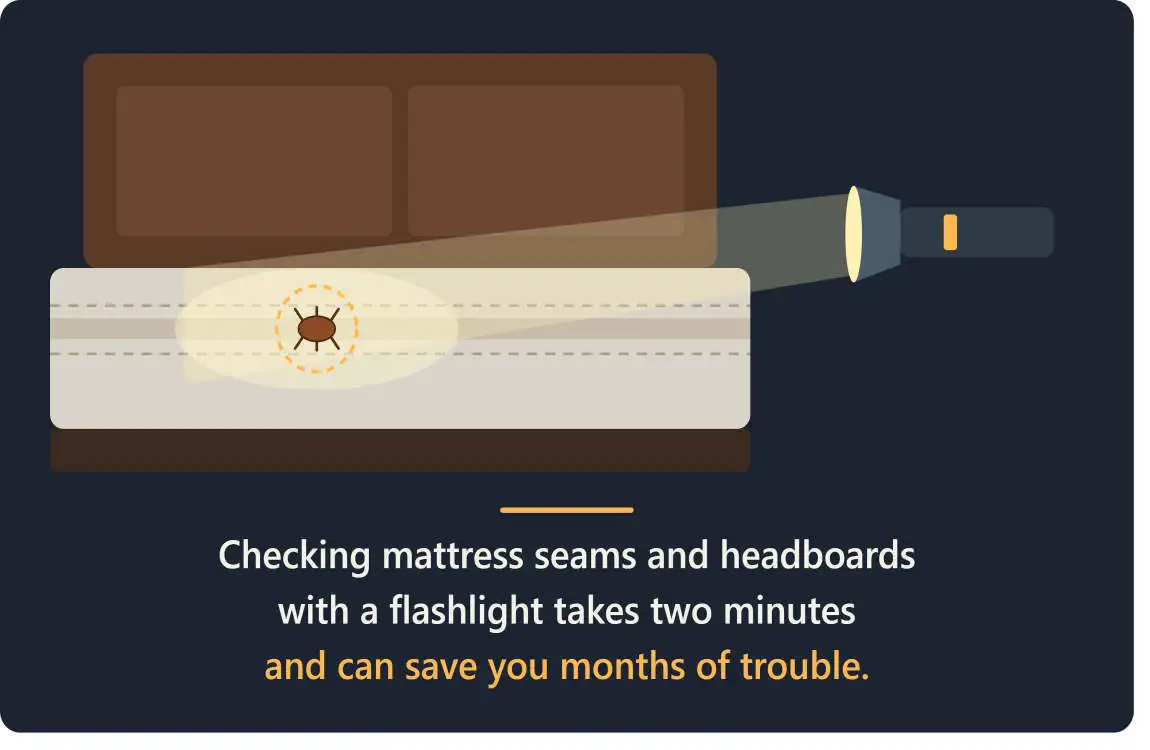
- Inspect hotel rooms on arrival. Pull back the sheets and check the mattress seams and headboard before you unpack.
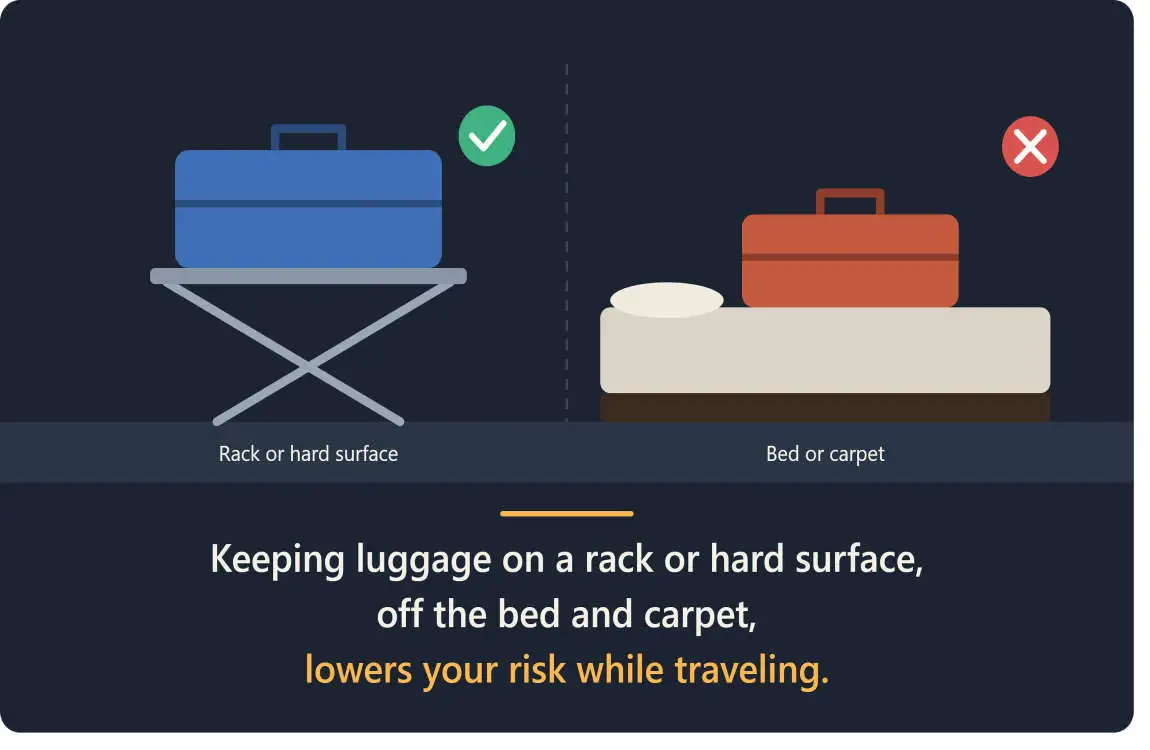
- Keep luggage off the bed and floor. A luggage rack or hard surface is better.
- Heat-treat your clothes when you get home. The US Army’s public health command advises putting all clothing into the dryer for at least 30 minutes after a trip, since bed bugs in every life stage die when exposed to enough heat.
- Inspect secondhand items before they come inside. Check seams, tags, joints and undersides.
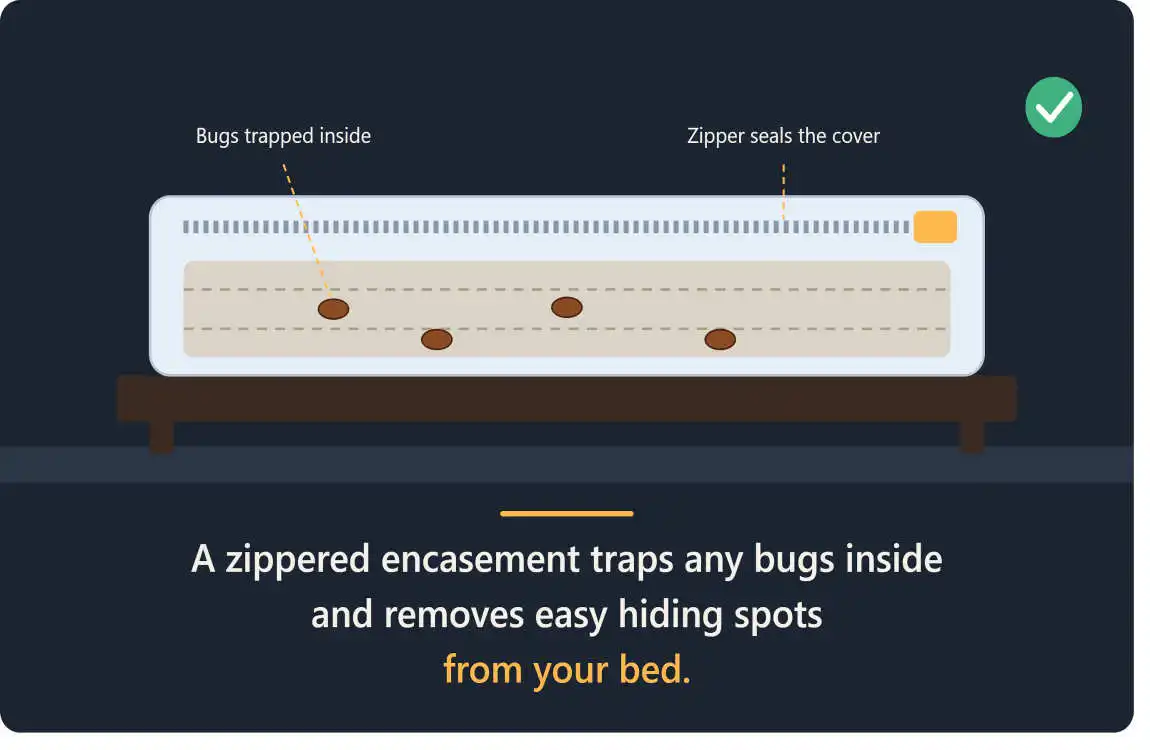
- Use a zippered mattress and box spring encasement. This removes hiding places and makes inspection easier. The US Environmental Protection Agency (EPA) publishes a practical list of prevention and control tips.
- Reduce clutter around the bed, especially underneath it.
- Seal cracks and gaps around baseboards and outlet covers if you share walls with neighbors.
What to Do If You Think You Already Have Bed Bugs
- Do not panic, and do not throw everything out. Moving infested items around can spread the problem to other rooms.
- Confirm the problem. Use a bright flashlight to check mattress seams, box springs, headboards and bed frames. The EPA’s guide on how to find bed bugs shows exactly where to look.
- Wash and dry on high heat. Dry bedding and clothing on high for 30 minutes or longer. Small items can also be sealed in a plastic bag and frozen for several days.
- Call a licensed pest control professional. Both the CDC and Mayo Clinic recommend professional treatment for infestations in the home, because bed bugs can live for several months without feeding and are very hard to eliminate on your own.
- Keep checking. Even after treatment, the EPA recommends re-inspecting regularly to make sure they are truly gone.
For a deeper scientific look at bed bug biology, monitoring and management options, the University of California’s Pest Notes: Bed Bugs is a peer-reviewed resource written by university researchers.
Frequently Asked Questions
Can you get bed bugs from a hotel even if it looks clean?
Yes. Bed bugs have been found in luxury hotels as well as budget ones, so a clean appearance does not mean a room is bed bug free. Always check the mattress seams and keep your luggage off the bed.
Can bed bugs live on your body or in your hair?
No. Bed bugs feed on you and then return to hide near where you sleep. They do not stay on your body the way lice do, though they can ride on your clothing or bags.
How long can bed bugs live without feeding?
Bed bugs can survive for several months without a blood meal, which is why an empty or vacant room can still be infested.
Do bed bugs spread disease?
Bed bugs are not known to spread disease. Their bites can cause itching, allergic reactions in some people, and secondary skin infections if scratched heavily. Talk to a healthcare provider if you have a strong reaction or signs of infection.
Final Thoughts
So, how do you get bed bugs in your home? Almost always by hitchhiking on luggage, used furniture, clothing or through shared walls, not because of dirt or poor housekeeping. The best defense is awareness: inspect, keep your belongings off beds and floors when away from home, heat-treat your clothes after trips, and act fast at the first sign of trouble.
The sooner you spot bed bugs, the easier and cheaper they are to get rid of. If you suspect you have them, bring in a licensed professional rather than waiting.
