

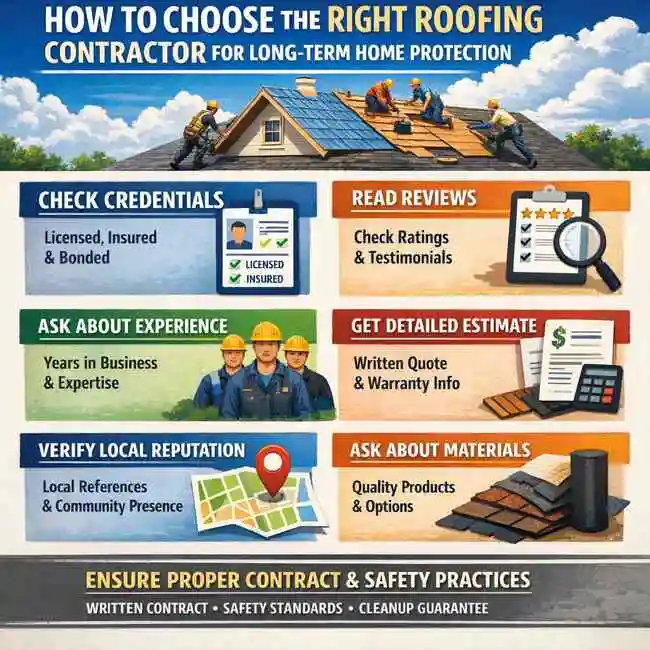
Choosing a roofing contractor is one of the most important decisions homeowners make when maintaining or upgrading their property. The quality of workmanship directly affects not only the lifespan of the roof but also the overall protection of the home. A well-installed roof can withstand years of exposure, while poor installation can lead to recurring issues, higher costs, and long-term structural damage.
With many contractors offering similar services, it can be difficult to determine which option provides the best value. Beyond pricing, factors such as experience, reliability, and adherence to standards play a significant role. Understanding what to look for helps homeowners make informed decisions that support long-term durability and performance.
Experience and Proven Track Record
Experience is one of the most reliable indicators of a contractor’s capability. Companies that have worked on a variety of roofing systems are more likely to understand how different materials perform under various conditions. This knowledge allows them to recommend solutions that align with both the structure of the home and local environmental factors.
A proven track record also reflects consistency. Reviewing past projects, client feedback, and years of operation can provide insight into how a contractor approaches their work. This helps homeowners identify professionals who deliver reliable results over time rather than those with limited or inconsistent experience.
Licensing, Insurance, and Compliance
Proper licensing and insurance are essential when selecting a roofing contractor. These elements ensure that the contractor meets regulatory requirements and operates within established industry standards. Insurance, in particular, protects both the homeowner and the workers in the event of accidents or damage during the project.
Verifying credentials before starting any work reduces risk and provides peace of mind. It also demonstrates that the contractor is committed to professional practices and accountability, which are critical for long-term project success.
Quality of Materials and Workmanship
The materials used in a roofing project significantly impact its durability and performance. High-quality materials are designed to withstand environmental stress, resist wear, and maintain structural integrity over time. However, even the best materials require proper installation to perform effectively.
A skilled contractor understands how to work with different materials and ensures that each component is installed correctly. This combination of quality materials and workmanship is essential for achieving long-term protection and minimizing the need for future repairs.
Local Knowledge and Area-Specific Expertise
Local expertise is often overlooked but plays a crucial role in roofing performance. Contractors familiar with regional weather patterns, building codes, and common structural challenges are better equipped to provide appropriate solutions. This knowledge allows them to anticipate potential issues and address them proactively.
For homeowners seeking region-specific experience, working with a roofing contractor canton reflects the importance of selecting professionals who understand local conditions and can tailor their approach accordingly. This helps ensure that the roof is built to withstand the specific demands of the area.
Transparency in Estimates and Communication
Clear communication is a key factor in any successful roofing project. Contractors should provide detailed estimates that outline costs, materials, timelines, and the scope of work. Transparency helps prevent misunderstandings and ensures that both parties have a shared understanding of expectations.
Ongoing communication throughout the project is equally important. Regular updates and the ability to address questions or concerns contribute to a smoother process and a more positive overall experience.
Warranty and Long-Term Support
Photo by Paddy Pohlod on Unsplash
A reliable contractor stands behind their work by offering warranties on both materials and labor. These warranties provide assurance that any issues arising after completion will be addressed without additional financial burden. Understanding the terms and coverage of these warranties is essential before committing to a contractor.
Long-term support is another important consideration. Contractors who remain available for maintenance and follow-up services demonstrate a commitment to ongoing quality rather than one-time project completion.
Project Management and Timeliness
Effective project management ensures that roofing work is completed within the agreed timeframe and without unnecessary delays. This includes coordinating materials, managing labor, and maintaining consistent progress throughout the project.
Timeliness is not only about convenience but also about minimizing exposure to potential weather-related risks during installation. A well-organized contractor can complete the project efficiently while maintaining high standards of quality.
Safety Practices and Professional Standards
Roofing work involves inherent risks, making safety practices a critical aspect of contractor selection. Professionals should follow established safety protocols, use appropriate equipment, and ensure that their team is trained to handle various conditions safely.
Guidance from National Roofing Contractors Association emphasizes the importance of proper safety measures and adherence to industry standards. Following these guidelines helps ensure that projects are completed safely and effectively, protecting both workers and homeowners.
Evaluating Reputation and Client Feedback
A contractor’s reputation provides valuable insight into their reliability and performance. Reviews, testimonials, and referrals from previous clients can highlight strengths as well as potential concerns. Consistent positive feedback often indicates a strong commitment to quality and customer satisfaction.
Taking the time to evaluate reputation helps homeowners make more confident decisions. It also reduces the likelihood of encountering issues that could have been identified through prior experiences of other clients.
Balancing Cost With Long-Term Value
Cost is always a factor when selecting a roofing contractor, but it should be considered alongside long-term value. Lower estimates may seem attractive initially, but they can lead to higher expenses if the quality of work or materials is compromised.
Focusing on value means considering durability, reliability, and the overall lifespan of the roof. Investing in a contractor who delivers consistent quality can reduce maintenance costs and provide better protection over time, making it a more practical choice in the long run.
