


Late November is when many homeowners notice their gutters stuffed with wet leaves just before the first freeze. The good news is you don’t need to climb anything.
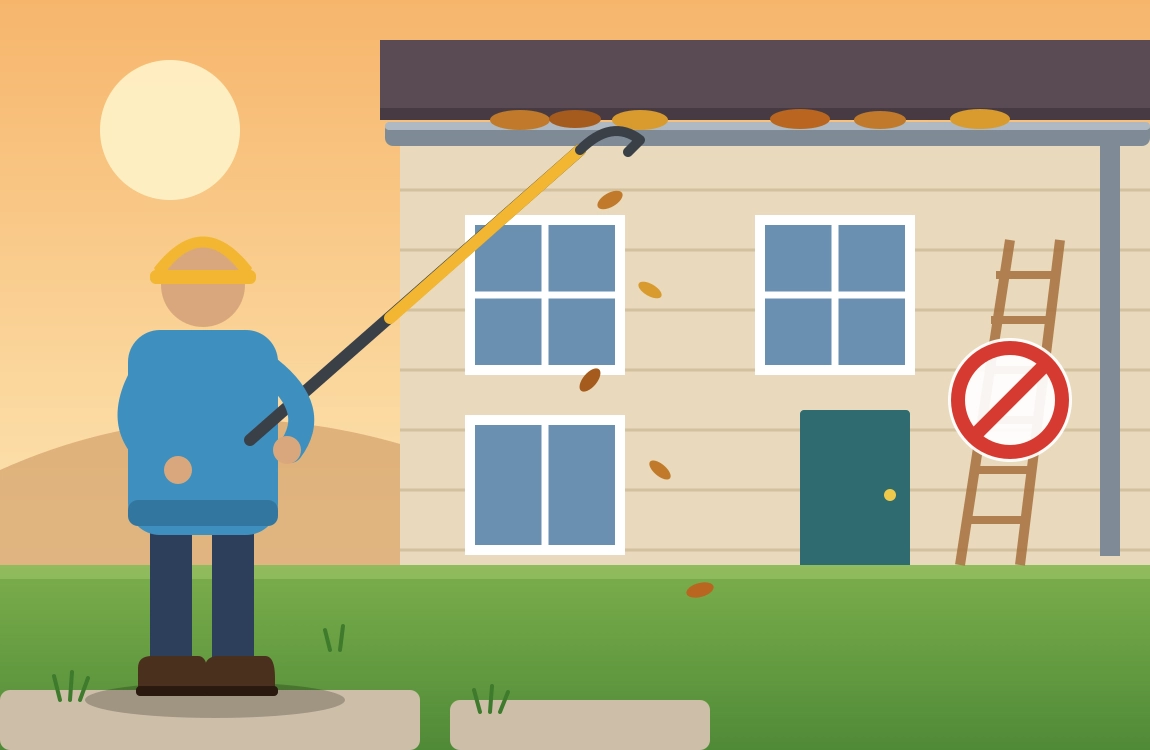
Why Clean Your Gutters From the Ground?
Ladders are the real hazard here. CDC research on ladder falls found that 43% of fatal falls over a decade involved a ladder, and that falls from 6 to 10 feet (about the height of a typical gutter line) accounted for half of the ladder-fall injuries treated in emergency departments. That data covers workplace injuries, but the physics of a fall from a roof line is the same at home.
Ground-level cleaning is widely recommended as the safest approach. Bob Vila’s gutter guide calls it by far the safest method, and the trade-off is simply that you can’t always see inside the gutter, so you need to work slowly and systematically.
Why Clean Gutters Matter for Your Home
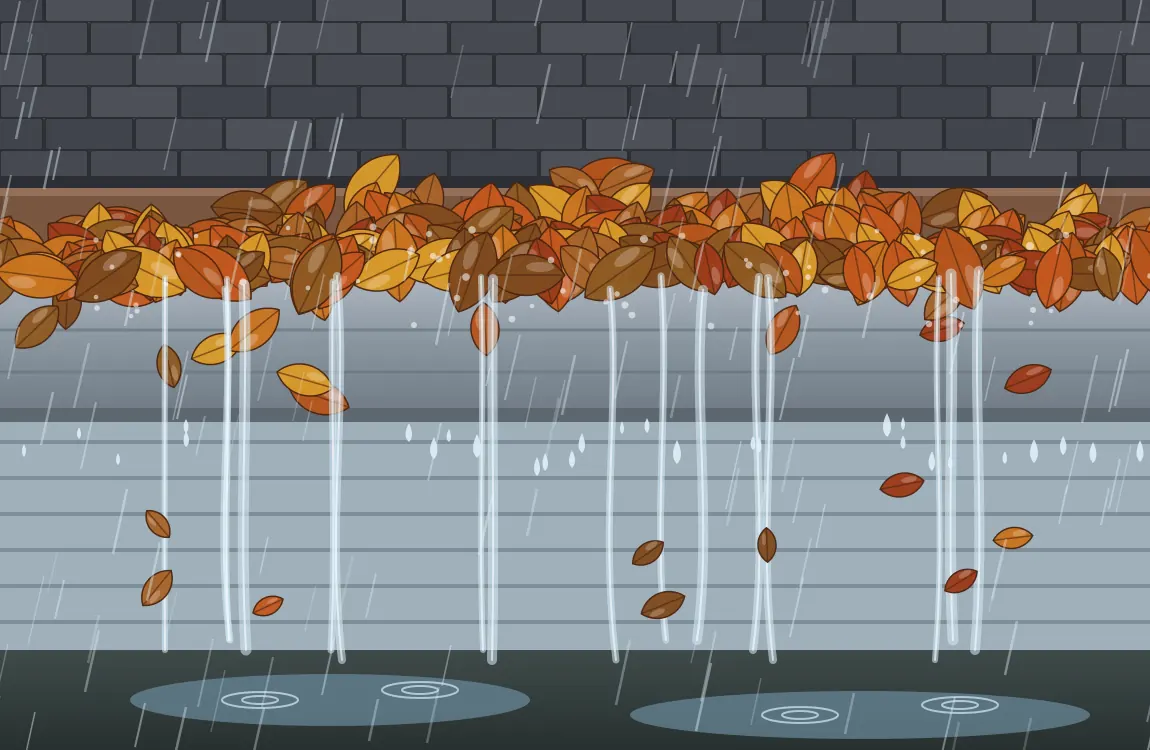
Gutters exist to move roof water away from your house. When they clog, water spills over the edge and collects near the walls. Delaware’s environmental agency notes that clogged gutters let water pool in front of doors and along the foundation, which can lead to water entering the structure or damaging the foundation.
Cold weather adds another problem. According to AAA’s home storm-prep advice, standing water in gutters can freeze and damage the roof, gutters and siding. Clearing them before winter is cheap insurance.
What You’ll Need
- A ground-level gutter tool (see the comparison below)
- Garden hose with a spray nozzle
- Safety glasses and waterproof gloves
- A tarp or bucket for debris
- Old clothes. Ground-level cleaning is wetter than you’d expect.
5 Ground-Level Gutter Cleaning Methods Compared
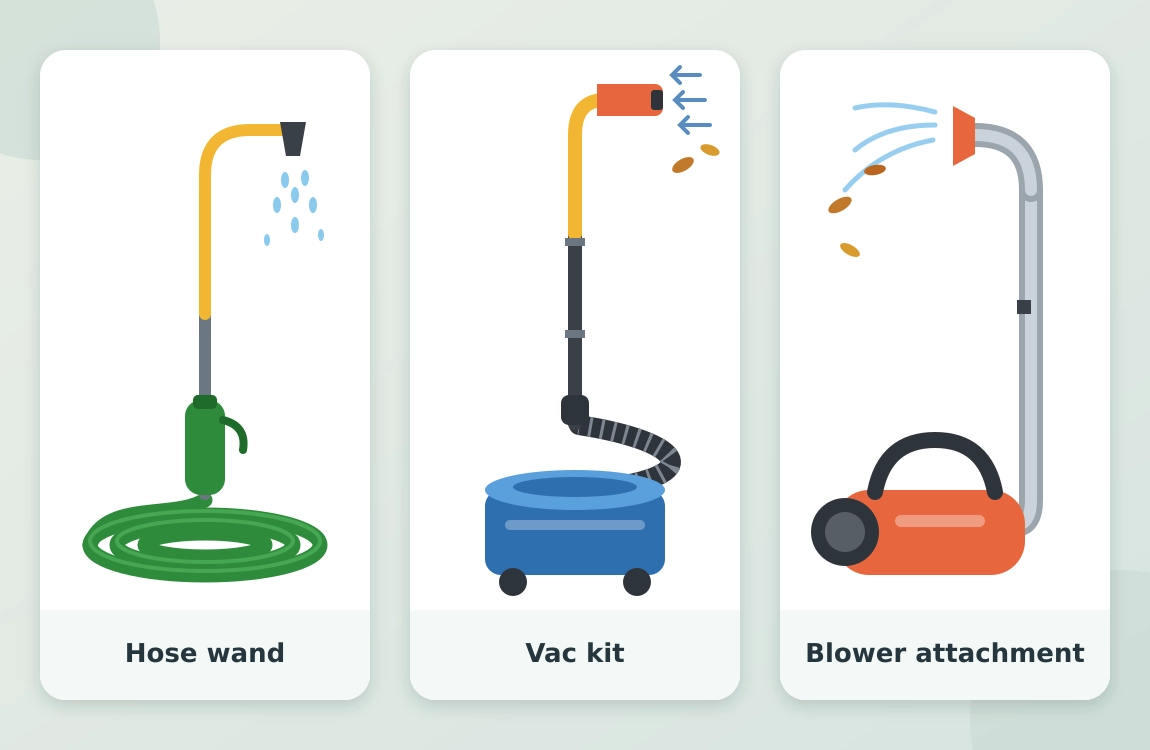
Husqvarna groups ground-level options into three types: manual, water-assisted and air-driven. Here is how the common tools stack up.
| Method | Best for | Watch out for |
|---|---|---|
| Telescoping hose wand | Light to moderate buildup; lowest cost | You’ll get wet; hard to see inside the gutter |
| Wet/dry vac gutter kit | Dry leaves and dust | Only removes dry debris; needs a compatible vac |
| Leaf blower attachment | Dry, loose leaves; fast results | Less effective on wet or compacted debris; noisy |
| Pressure washer attachment | Packed, stubborn debris | Use care near shingles and old gutters |
| Manual extendable scoop/brush | Small jobs, no power needed | Slower, more physical effort |
For attachment ideas, Bob Vila’s tested gutter cleaner roundup covers wet/dry vac kits that reach about 47 inches and pressure washer lances that reach roughly 9 feet.
How to Clean Your Gutters From the Ground: Step by Step
Pick a Dry Day
Wait a few days after rain. Angi advises letting debris dry out before you start, since dry leaves lift out far more easily than soggy ones.
Gear Up and Set Your Drop Zone
Put on glasses and gloves, and lay a tarp under the gutter line to catch debris. Check overhead for power lines before raising any extension pole.
Clear the Loose Debris
Start at the end farthest from the downspout and work toward it in short sections, so you aren’t packing leaves into the opening. Take your time. You can’t see inside the gutter, so go section by section and re-check as you move.
Flush With Water
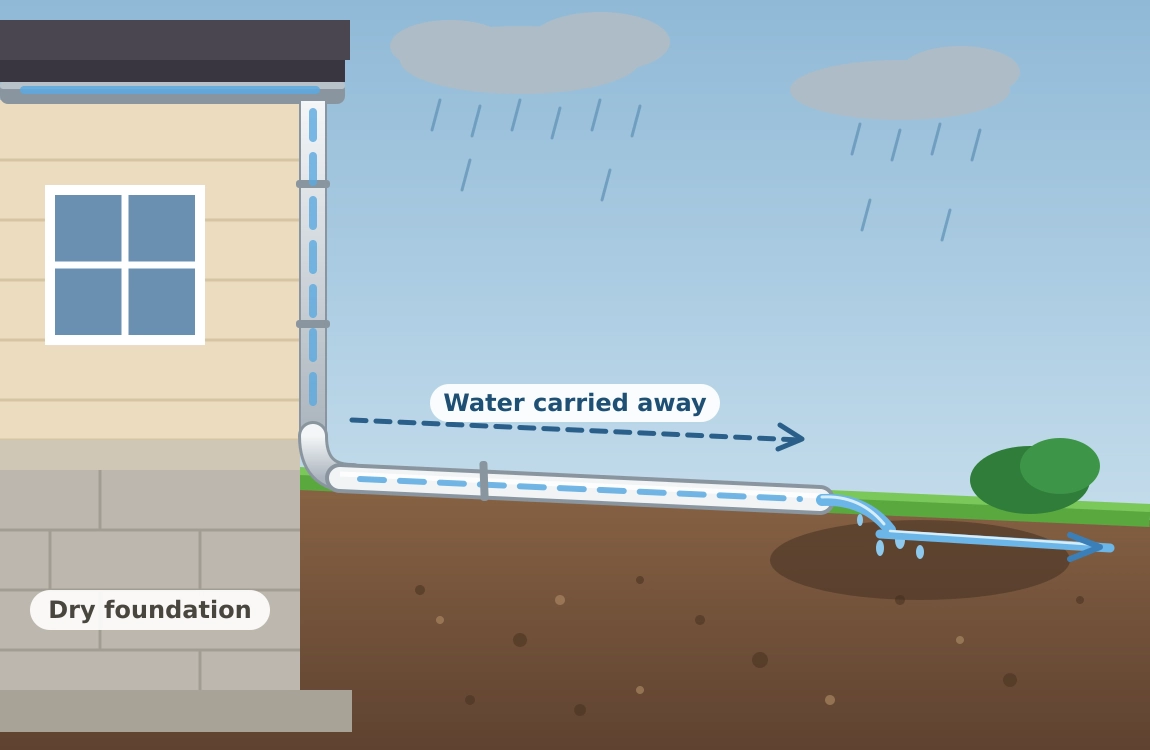
Once the bulk is out, rinse the gutter and downspout with a garden hose. This step is recommended in Bob Vila’s guide, and FEMA’s flood-protection guidance says the same: scoop out debris and flush until water flows freely from the end of the downspout.
Check the Flow and the Foundation
Watch the downspout while the hose runs. If water trickles or backs up, there’s still a clog lower down. Make sure the water exits and drains away from your foundation, not straight onto it. Look for sagging sections, overflow stains or loose brackets while you’re there.
How Often Should You Clean Gutters?
Plan on twice a year, in spring and fall, as Angi recommends. Add an extra check after big storms, or if you have overhanging trees that drop a lot of debris.
When to Call a Professional
Ground-level tools have limits. If your gutters are above the first story or you can’t reach or see them safely, CNN Underscored’s guide suggests that hiring a professional cleaning is the better choice over risking a fall. The same goes for badly sagging gutters, since those may need repair rather than cleaning.
Frequently Asked Questions
Can you clean gutters without a ladder?
Yes. Telescoping hose wands, wet/dry vac kits, leaf blower attachments and pressure washer attachments all let you clean gutters from the ground.
What is the easiest way to clean gutters from the ground?
A telescoping wand connected to a garden hose is the simplest and cheapest option for most homeowners.
How often should gutters be cleaned?
At least twice a year, in spring and fall, and more often if trees overhang your roof.
Do ground-level tools work on a two-story house?
Extension wands can reach higher gutters, but if you can’t see or reach them safely, hire a professional.
What happens if I never clean my gutters?
Overflowing water can pool near your foundation and soak siding and roof edges, which can lead to leaks, rot and basement moisture.
Final Thoughts
Cleaning your gutters from the ground is safer, cheaper and nearly as effective as climbing up there. Pick the tool that fits your debris, work slowly, flush the system, and make sure water leaves the downspout freely. Do it before winter and again in spring, and your home stays dry.
Sources
- CDC, MMWR: Occupational Ladder Fall Injuries, United States, 2011
- FEMA: Flood protection guidance on maintaining gutters and downspouts
- Delaware DNREC: Clean Gutters (I-ADAPT Exterior Adaptation)
- AAA: How to Prepare Your Home for Storms and Extreme Weather
- Bob Vila: How to Clean Gutters
- Bob Vila: The Best Gutter Cleaners, Tested and Reviewed
- Husqvarna: How to Clean Your Gutters Without a Ladder
- Angi: How to Clean Gutters
- Angi: Ways Clogged Gutters Can Damage a Home
- CNN Underscored: How to Clean Gutters
- Homedit: Gutter Cleaning Tools Overview
