
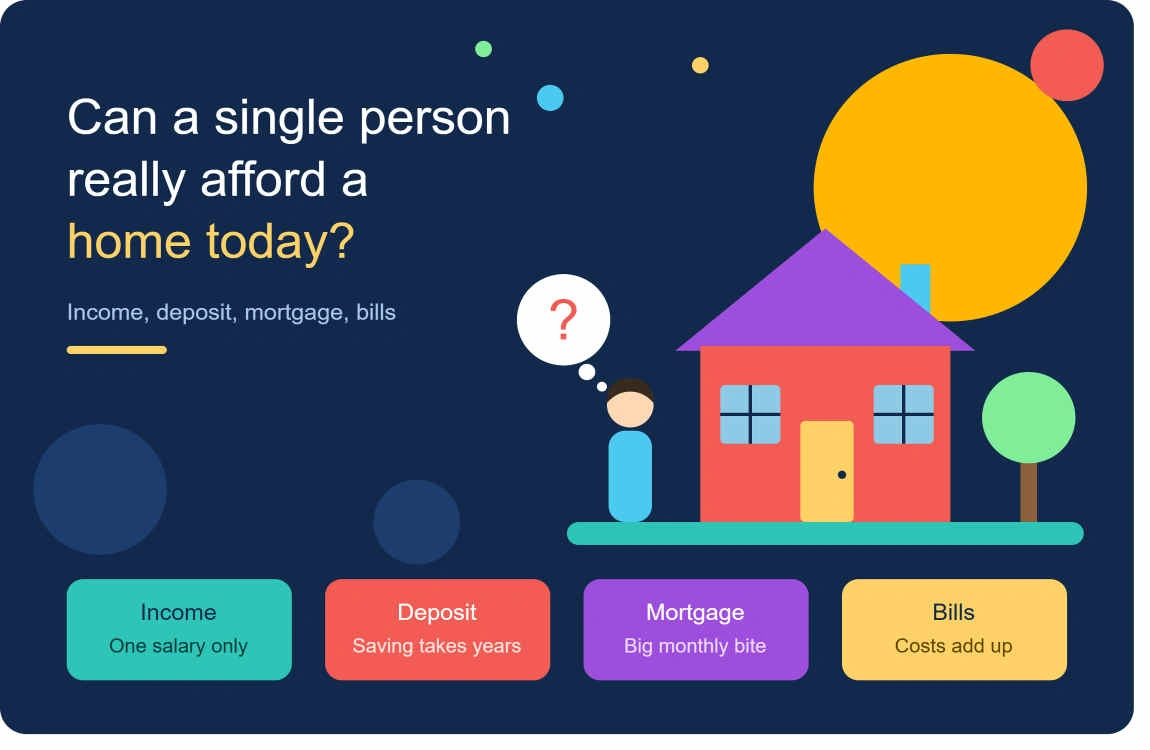
If you have ever stared at a listing and thought, “I would need two incomes for this,” you are not imagining things. The question how can a single person afford a house is one of the most searched worries in personal finance right now, and the honest answer is: it is harder than it was a decade ago, but it is far from impossible. Thousands of solo buyers do it every year.
How Much Income Does a Single Person Need to Buy a House in 2026?
According to a Redfin analysis, buyers need to earn about $109,796 a year to comfortably afford the typical U.S. luxury home, while the median household income sits at $87,599. That leaves a gap of roughly $22,000.
Here is the part that matters for solo buyers: that benchmark is for the typical home. For an entry-level home, Redfin puts the required income at $70,693. That is a very different target, and one a single earner can realistically reach.
Redfin considers a home affordable when the monthly housing payment takes no more than 30% of income. Lenders often use a similar yardstick. HSH.com’s affordability tables, for example, use a 28% front-end ratio. As a quick rule of thumb, someone earning $70,000 a year would aim to keep a total housing payment (principal, interest, taxes and insurance) near $1,630 a month.
Why Mortgage Rates Change Everything
Rates have been the wild card this year. Houzeo’s 2026 affordability report cites a Freddie Mac average of 7.28% in early October, and notes that a one plan home-point drop in rates lifts buying power by roughly 8%. In plain English: if rates ease, your budget grows without your salary changing a cent. If they rise, shop for a lower price point or wait.
The Down Payment Myth That Keeps Singles on the Sidelines
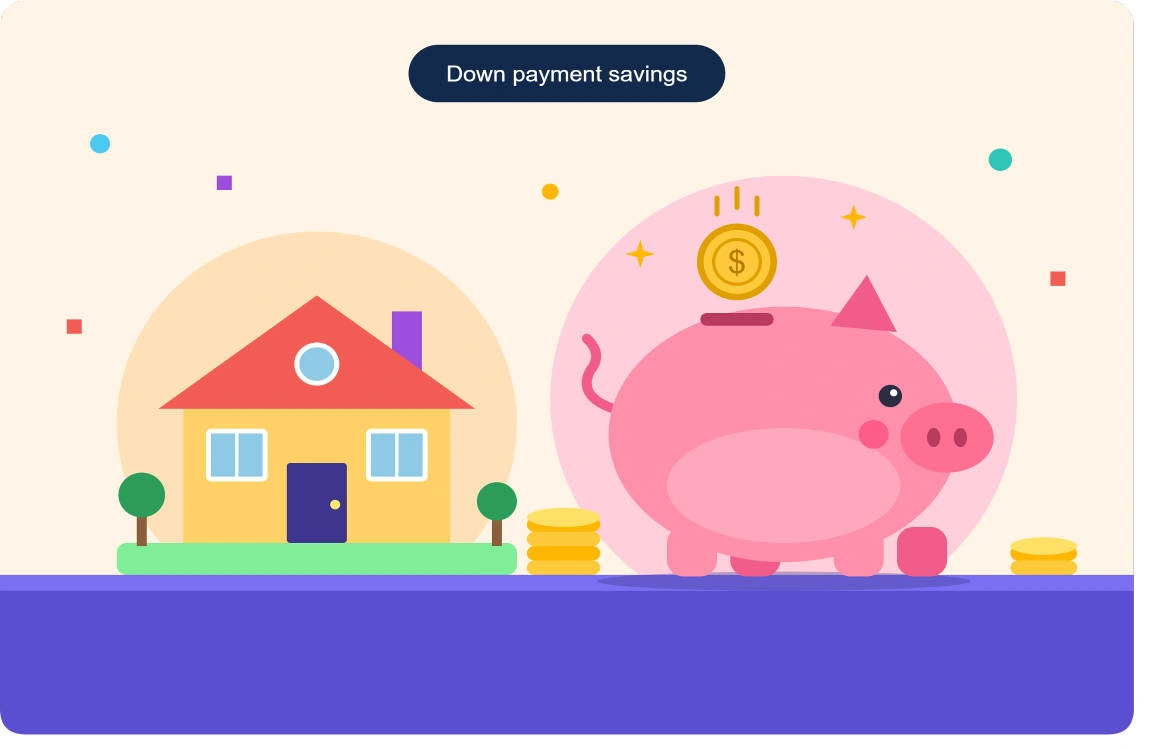
Many people assume they need 20% down. They don’t. NAR found that the median down payment for first-time buyers was 10%, and 92% of first-timers used financing.
Low down payment options worth knowing:
- FHA loans: 3.5% down with a credit score of 580 or higher (10% if your score is 500 to 579). On a $250,000 home, that is $8,750.
- Conventional low-down-payment loans: Some programs allow as little as 3% down for qualifying buyers, typically with a credit score around 620.
- Gift funds: FHA rules allow a family member to gift part of your down payment.
- Down payment assistance (DPA): State and local programs, often aimed at first-time buyers, can cover part of your upfront costs. HUD maintains a directory of programs by state.
One trade-off to keep in mind: a smaller down payment usually means mortgage insurance, which raises your monthly cost. HSH.com notes that putting down less than 20% increases the income you need because of private home mortgage insurance. Do the full monthly math before you decide.
7 Smart Ways a Single Person Can Afford a House
Start with a starter home, not a dream home
The data above shows the income gap shrinks dramatically for entry-level homes. A smaller property, a condo or a townhouse can get you on the ladder, and you can trade up later as equity builds.
Widen your map
Affordability varies wildly by city. Redfin found that in some metros, such as St. Louis, Indianapolis and Pittsburgh, local median incomes actually exceed the income needed to buy the typical home, while in San Jose the gap is enormous. If your job is remote or flexible, location is your biggest lever.
Use house hacking
Buy a duplex, or a house with a spare room or basement unit, and let a tenant or roommate cover part of the mortgage. Check with your lender first, because they may count some of that rental income toward qualifying.
Protect and boost your credit score
Crossing a threshold such as 580 for FHA or 620 for many conventional loans can lower your required down payment, and higher scores typically earn better rates. Pay down card balances and avoid new debt before applying.
Chase down payment assistance
Many first-time buyers leave free money on the table. Search your state housing finance agency and your county for grants, forgivable loans and matched savings programs.
Consider a trusted co-buyer
Buying with a sibling, close friend or relative can split costs, but it is a legal and financial commitment. Put everything in writing, including what happens if one person wants out, and talk to a real estate attorney.
Be ready to refinance
If you buy when rates are high, you are not locked in forever. When rates drop, refinancing can lower your payment. Just make sure the numbers still work at today’s rate, not tomorrow’s hoped-for rate.
Don’t Forget the Costs Beyond the Mortgage
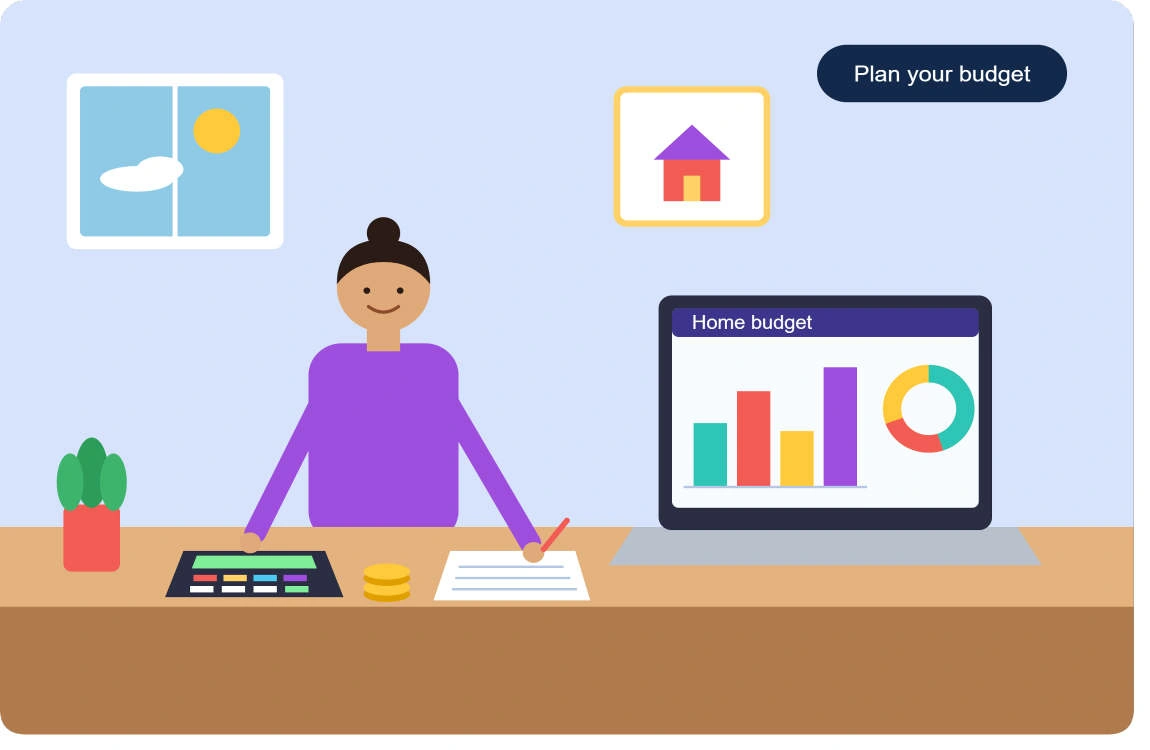
Single buyers carry every cost alone, so budget beyond the monthly payment. Plan for closing costs, property taxes, homeowners insurance, utilities and a maintenance fund. A common guideline is to set aside 1% or more of the home’s value each year for repairs. Keep an emergency fund separate, because there is no second paycheck to fall back on.
Is Buying Still Worth It for a Single Person?
It depends on how long you plan to stay, local rents and your job stability. NAR notes that buying at 40 instead of 30 can cost a typical buyer roughly $150,000 in lost equity over a lifetime, which is a strong argument for not waiting indefinitely if you are financially ready. But renting is not a failure. If buying would stretch your home budget past 30% of income, stay flexible and keep saving.
Frequently Asked Questions
What salary does a single person need to buy a house?
It depends on your market. Nationally, Redfin estimates about $109,796 for the typical home and about $70,693 for an entry-level home. Cheaper metros can require much less.
Can I buy a house on one income with a low credit score?
Possibly. FHA loans accept scores as low as 500 with 10% down, or 580 with 3.5% down. A higher score will still save you money over the life of the loan.
Do single women or single men buy more homes?
Single women buy more. In NAR’s 2025 report, they were 21% of all buyers versus 9% for single men.
Is it smarter to wait for lower mortgage rates?
Nobody can time rates reliably. If the payment fits your budget today, you can buy now and refinance later if rates fall. If it doesn’t fit, waiting while you build savings is the better call.
Final Thoughts
So, can a single person really afford a home today? Yes, with realistic expectations, a smart loan, some creativity and a solid budget. The path may look different than it did for earlier generations, but the keys are still within reach. Start by checking your credit, calculating your real monthly budget and talking to a lender or a HUD-approved housing counselor.
