

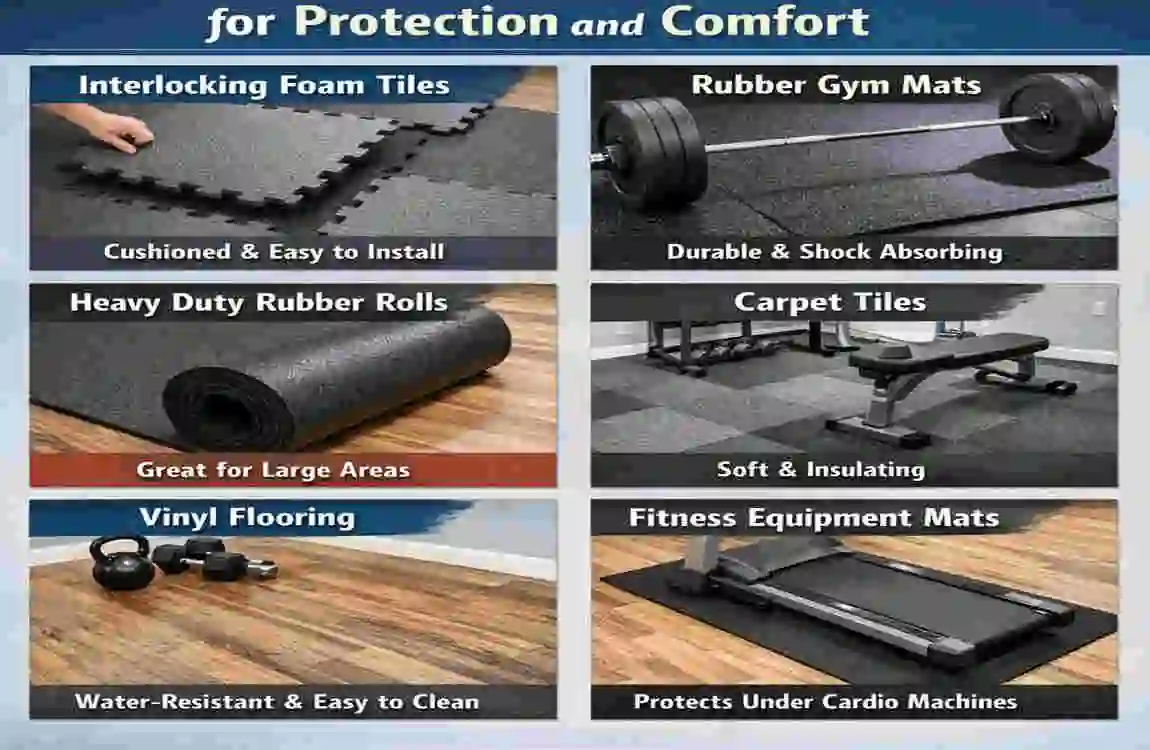
If you are building a home gym, the floor is one of the first things you should think about. A strong gym floor does more than look neat. It helps protect your subfloor, keeps your equipment safe, and makes your workouts feel better.
When you learn how to cover a gym floor the right way, you also reduce noise, improve safety, and make the space more comfortable to use every day. That matters a lot if you lift weights, do cardio, stretch, or mix different types of training.
The good news is that there are many flooring options for home gyms. Some are budget-friendly, while others are more durable and professional. The best choice depends on your workout style, room size, and budget.
Why Covering Your Home Gym Floor Is Important
Protects Your Existing Floors
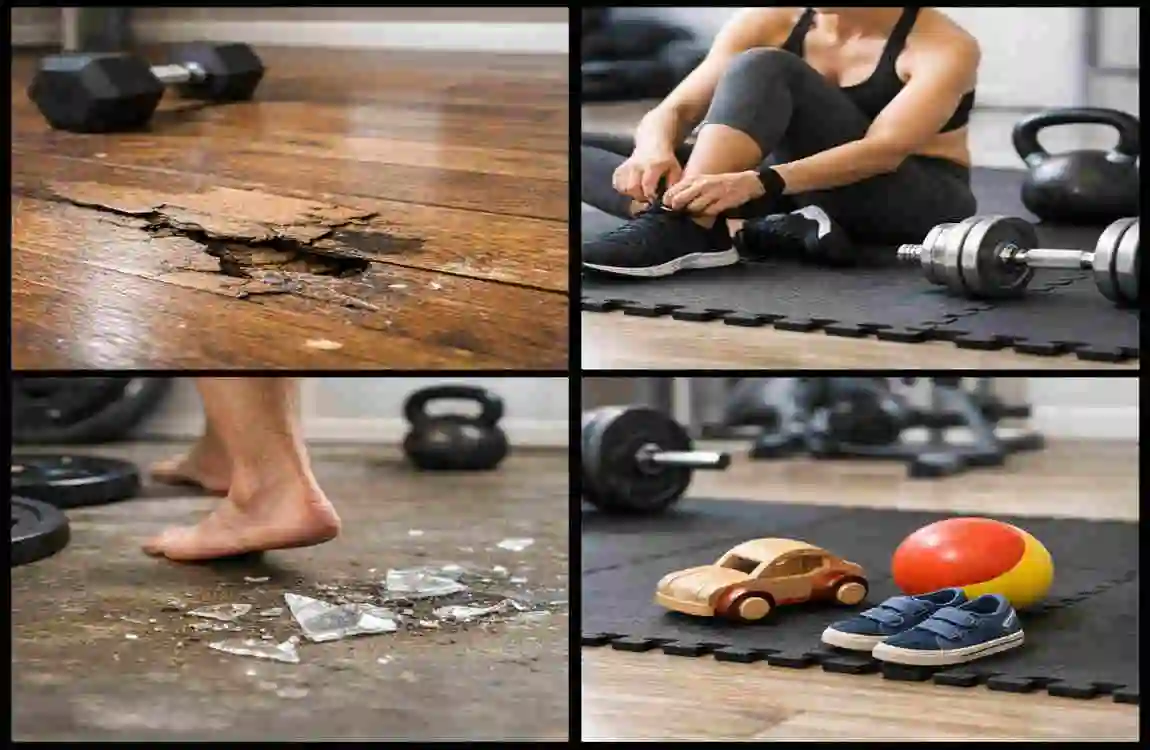
A gym floor takes a lot of impact. Dumbbells drop, machines shift, and sweat or moisture can build up over time. Without the right cover, hardwood can scratch, tile can crack, and concrete can wear down.
A good floor covering acts like a shield. It helps your home stay in better shape for longer. That means fewer repairs and less stress later.
Improves Safety During Workouts
Safety is a big reason to cover your floor. A bare floor can be slippery, hard, and unforgiving. That increases the chance of slipping or hurting yourself during exercise.
The right flooring adds grip and some cushioning. This gives you more stability when moving, lifting, or stretching.
Enhances Comfort and Performance
A home gym should feel good to use. If the floor is too hard, your joints may feel extra stress, especially during long workouts.
A proper floor cover can make exercise more comfortable and help reduce fatigue. When you feel better while training, you are more likely to stay consistent.
Factors to Consider Before Choosing Gym Flooring
Type of Exercises You Perform
Your workouts should guide your flooring choice.
- Weightlifting: Needs strong, impact-absorbing flooring.
- Cardio workouts: Need grip and some cushioning.
- Yoga and stretching: Need softer, more comfortable surfaces.
If your workouts vary, choose a floor that can handle a range of uses.
Room Size and Layout
Before you buy anything, measure the room carefully. This helps you know how much material you need and where each piece should go.
Also, think about where your equipment will sit. Some areas may need more protection than others, especially under racks, benches, or treadmills.
Budget and Maintenance Requirements
Some gym flooring options cost less upfront, but they may wear out faster. Others cost more but last longer and require fewer replacements.
You should also think about cleaning. Some floors are easy to wipe down, while others trap dust or need more care.
Thickness and Durability
Thickness matters because it affects comfort and protection. Thin flooring may work for light use, but heavier training needs more support.
For heavy workouts and weights, choose a thicker, tougher material. For light exercise or stretching, a thinner option may be enough.
Best Ways to Cover a Gym Floor
Rubber Flooring Rolls
Rubber flooring rolls are one of the most popular choices for home gyms. They are durable, easy to clean, and work well in large spaces.
Best uses: Weight rooms, treadmill areas, and general training spaces.
Pros:
- Strong impact protection
- Good for heavy equipment
- Easy to maintain
Cons:
- It can cost more than foam
- May be heavier to install
Rubber rolls are a smart choice if you want a long-lasting solution that feels professional.
Interlocking Foam Tiles
Foam tiles are a common option for people who want comfort at a lower price. They are soft, light, and easy to put together.
Best uses: Yoga, stretching, light exercise, and kids’ activity areas.
They are also simple to install because the pieces fit together like puzzle parts. You do not need special tools.
Pros:
- Affordable
- Comfortable underfoot
- Easy to move or replace
Cons:
- Not ideal for heavy weights
- Can wear down faster
If you want the cheapest way to cover a gym floor, foam tiles are often the first option people try.
Rubber Puzzle Tiles
Rubber puzzle tiles are very useful for home gyms that need both protection and easy installation. They fit together securely and stay in place well.
These tiles are thicker and stronger than foam tiles, so that they can withstand more impact. They are a good choice if you use dumbbells or other heavy gear.
Pros:
- Durable
- Good shock absorption
- Easy to replace one tile at a time
Cons:
- More expensive than foam
- Can be heavy
This option works well when you want a balance between comfort and strength.
Vinyl Flooring
Vinyl flooring gives your gym a cleaner, more polished look. It is also easy to wipe down, making it a good choice for busy spaces.
It is especially useful if you want a surface that resists water and sweat. That helps with cleanliness and daily upkeep.
Pros:
- Attractive appearance
- Easy to clean
- Water-resistant
Cons:
- Less cushioning than rubber or foam
- May not be best for heavy lifting
Vinyl is a good fit for lighter workouts or multi-use rooms.
Carpet Tiles
Carpet tiles are a budget-friendly choice that can help soften a room and reduce noise. They can make a gym feel warmer and quieter.
They work best for light exercise areas, yoga rooms, or spaces where you want a more home-like feel.
Pros:
- Low cost
- Helps reduce noise
- Comfortable for floor exercises
Cons:
- Not great for heavy weights
- Can hold moisture and sweat
Carpet tiles are useful, but they are not the best choice for intense training.
Artificial Turf
Artificial turf is great for functional fitness. It gives you traction and a more athletic feel, which is useful for sled pushes, agility drills, and short sprint work.
It also adds a unique look to the room and works well in training zones.
Pros:
- Good grip
- Comfortable for athletic drills
- Strong visual appeal
Cons:
- Usually not the cheapest option
- May need extra padding underneath
If you want a training-focused setup, turf can be a strong choice.
How to Cover a Gym Floor Step by Step
Measure Your Gym Area
Start by measuring the full room. Write down the length and width so you know how much flooring to buy.
This helps you avoid waste and prevents you from running short mid-project.
Select the Right Flooring Material
Think about how you train. If you lift heavy weights, rubber is usually the better choice. If you do light workouts, foam or vinyl may be enough.
Match the floor to your goals. That is the easiest way to avoid regret later.
Prepare the Existing Floor
Clean the surface before installation. Remove dust, dirt, and any loose items.
If the floor has cracks or damage, fix those first. A clean, level surface gives you better results.
Install the Flooring
Follow the product instructions carefully. Some flooring types snap together, while others roll out or require cutting to fit.
Make sure everything lines up well. A neat fit helps the floor stay safe and stable.
Test and Maintain the Floor
Once the floor is in place, walk on it and test it with your equipment. Check for movement, gaps, or uneven spots.
After that, keep it clean and inspect it often. Small care steps can make it last much longer.
Common Mistakes to Avoid When Covering a Gym Floor
Choosing Flooring That Is Too Thin
Thin flooring may seem cheaper, but it often does not give enough protection. This can lead to damage from heavy equipment.
Ignoring Moisture and Ventilation
Sweat and humidity can cause problems over time. Always choose a floor that can handle your room conditions.
Buying Low-Quality Materials
Low-cost materials may save money at first, but they often wear out quickly. That means more replacements later.
Not Planning for Future Equipment
You may start with a small setup, but your gym can grow. Choose flooring that can handle future upgrades.
Maintenance Tips for Home Gym Flooring
Regular Cleaning Practices
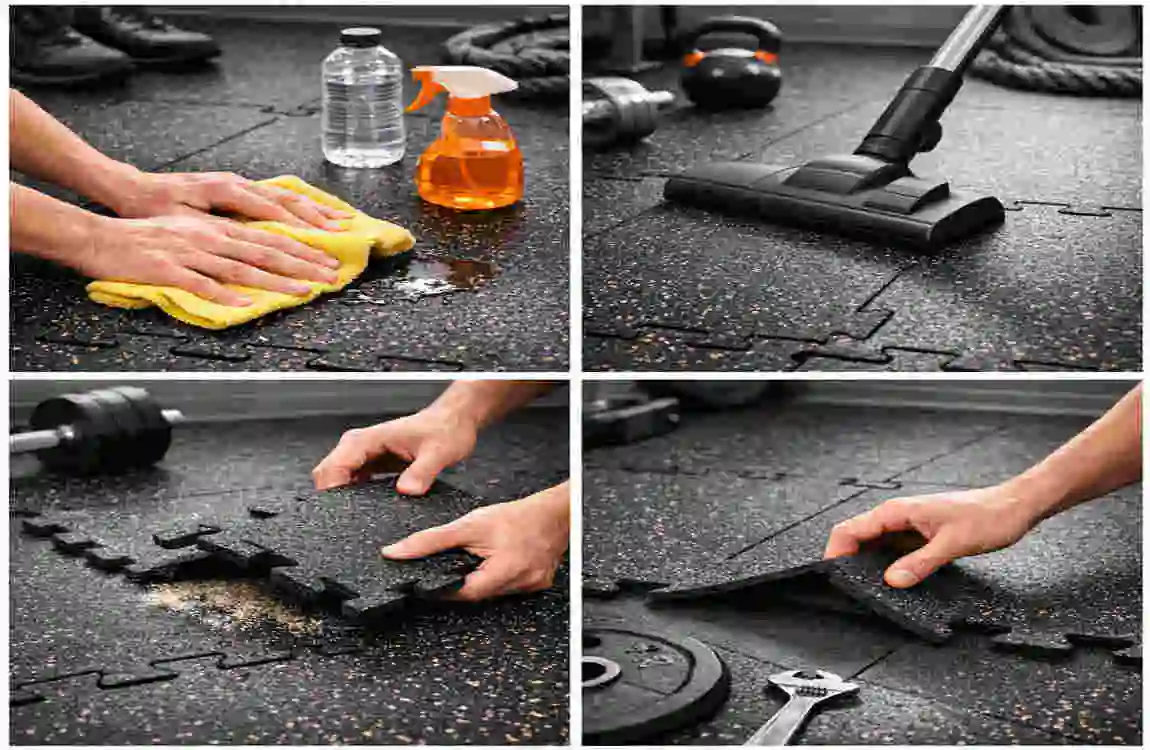
Sweep or vacuum the floor often. Wipe away sweat and spills as soon as possible.
Preventing Wear and Tear
Use mats under heavy machines and avoid dragging equipment across the surface.
Replacing Damaged Sections
If one part gets worn out, replace it quickly. This keeps the floor safer and helps it last longer.
Protecting Flooring from Heavy Equipment
Place protective pads under racks, benches, and machines. This reduces pressure on the floor.
Frequently Asked Questions
What is the cheapest way to cover a gym floor?
Interlocking foam tiles are usually the most affordable option for home gyms.
What is the best flooring for heavy weights?
Thick rubber flooring is ideal because it absorbs impact and protects the subfloor.
How thick should home gym flooring be?
Most home gyms benefit from flooring 8 mm to 20 mm thick, depending on the equipment and exercises.
Can I install gym flooring over carpet?
Yes, but a firm and level surface is recommended for safety and stability.
Is rubber flooring worth it for a home gym?
Yes. Rubber flooring is durable, easy to maintain, and offers excellent protection and cushioning.
| Best Covering Option | Protection Level | Comfort Level | Best For |
|---|---|---|---|
| Interlocking rubber tiles (½–¾” thick) | High – shields floors from heavy weights & equipment | Good – absorbs impact, reduces noise | Weightlifting, heavy equipment |
| Horse stall mats (¾” rubber, 4’×6′) | Very High – protects against dropped barbells/plates | Good – thick cushioning | Garage gyms, heavy lifting |
| Rolled rubber flooring (6–10 mm) | High – covers large areas, protects from wear | Moderate – firm but cushioned | Full-room coverage, cardio areas |
| Carpet tiles (bonded to foam) | Moderate – protects hardwood from foot traffic | Good – soft cushioning | Light workouts, stretching |
| EVA foam tiles (interlocking) | Low – best for light use | High – softest cushioning | Yoga, pilates, kids’ areas |
| Vinyl roll systems | Moderate – guards against scratches | Low – firm surface | Dance, cardio, low-impact |
| Tarps/Runners | Low – temporary protection | Low – minimal cushioning | Temporary coverage, painting projects |
