

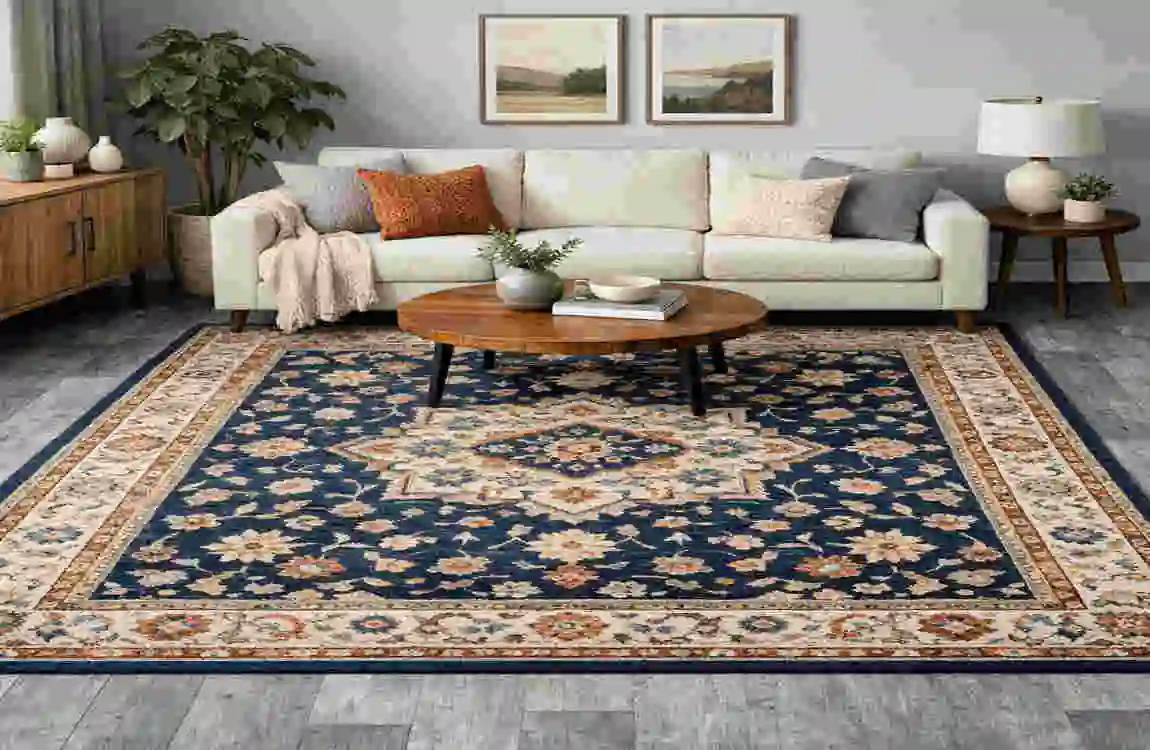
Grey floors have become a favorite in modern homes, and it is easy to see why. They look clean, stylish, and calm. They also work in many different room styles, from simple, modern spaces to cozy, classic ones. Whether your floor is made of wood, tile, laminate, or vinyl, grey gives you a strong neutral base that can support almost any décor choice.
But once the floor is in place, one big question usually comes up: what color rug goes with a grey floor? The rug matters more than many people think. It is not just a soft layer under your feet. It can change the mood of the room, bring warmth to a cool space, and create balance between the floor, furniture, and walls.
A rug can make a grey room feel bright and open, or deep and dramatic. It can also help tie together different colors in the room so everything feels connected. That is why the color you choose should be based on more than just what looks nice in the store.
Why Grey Floors Are So Popular in Interior Design
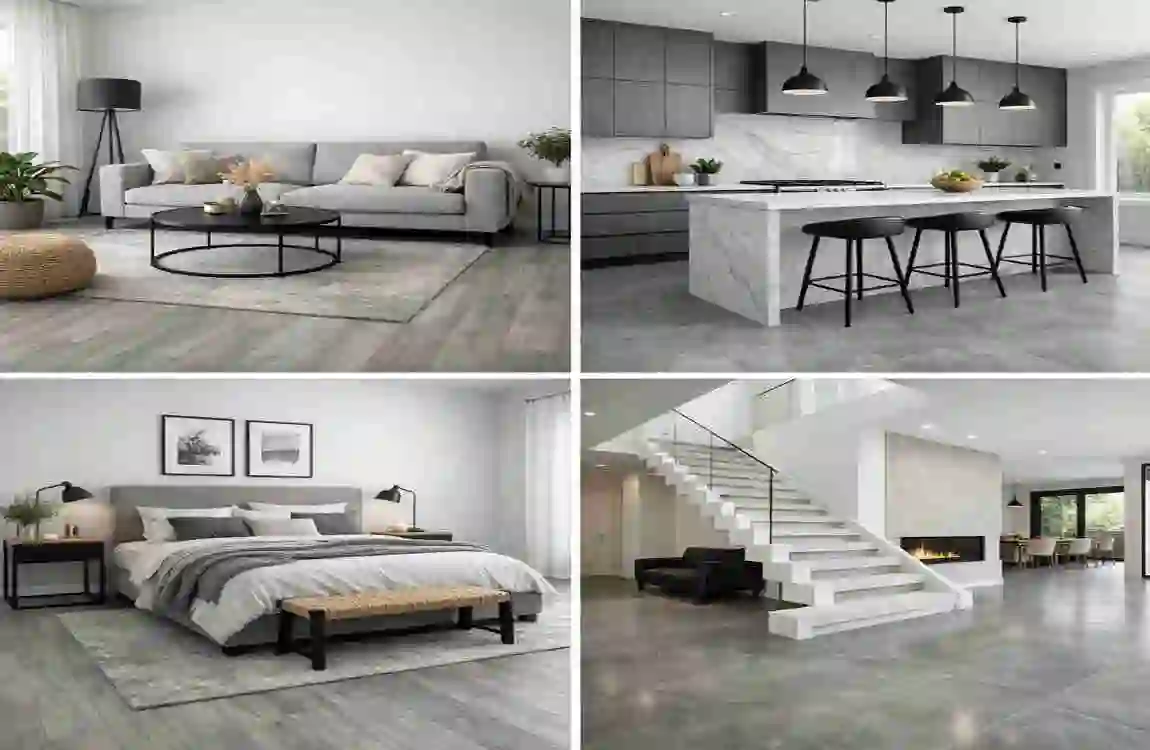
Grey floors have a strong place in interior design because they are both stylish and practical. They offer a clean look without feeling too plain. They also fit many design styles, which makes them a smart choice for homeowners who want flexibility.
One reason people love grey floors is that they feel both modern and timeless. They can look sleek in a new apartment, but they can also work in a warm family home. That balance is one of the biggest reasons they remain so popular.
Grey floors also work well with both warm and cool colors. That means you are not locked into one decorating style. You can pair them with soft creams and browns for a cozy feel, or with blues and silvers for a cooler, more polished look.
Another big advantage is that grey flooring comes in many materials. You can find it in wood, tile, laminate, and vinyl, so it fits a wide range of budgets and room types. That makes it easy to use across the home, from living rooms to kitchens and bedrooms.
Grey also acts like a neutral canvas. It lets you experiment with furniture, wall art, curtains, and rugs without making the room feel messy. If you like changing your décor over time, grey flooring gives you a very flexible base to work with.
Most importantly, grey floors help create a calm foundation. They do not shout for attention. Instead, they support the rest of the room. That is why choosing the right rug becomes so important. The rug is often the piece that brings life, warmth, and personality into the space.
Key Factors to Consider Before Choosing a Rug Color
Before you choose a rug, take a step back and look at the whole room. The best rug color is not always the prettiest one in isolation. It is the one that works best with the space as a whole.
Here are the main things to think about:
- The shade of the grey floor
- The amount of natural and artificial light
- The purpose of the room
- The color of your furniture and walls
Each of these changes how a rug looks and feels in the room. Let’s break them down in simple terms.
Shade of Grey Flooring
Not all grey floors look the same. Some are very light and airy. Others are deep and dark. Some have warm undertones, while others lean cool and crisp.
A light grey floor usually feels soft and open. It reflects more light, which makes the room feel brighter. Rugs in cream, pastel, or soft blue often look lovely here.
A dark grey floor feels stronger and more dramatic. It can look rich and elegant, but it can also make a room feel heavier if the rug choice is too dark. That is why contrast becomes important.
A warm grey floor often has beige, taupe, or brown undertones. These floors pair well with earthy rug colors that add comfort.
A cool grey floor usually has blue or silver undertones. These floors look best with colors that keep the fresh, clean feeling alive, such as white, pale blue, or soft gray-blue tones.
When you know the undertone of the floor, it becomes much easier to choose a rug that feels natural in the room.
Room Lighting
Lighting changes everything. A rug color that looks soft and elegant in the store may look much darker at home if your room does not get much light.
In a bright room with lots of natural light, you can usually use a wider range of rug colors. Soft tones look brighter, and bold colors can still feel balanced.
In a dim room, light rugs often work better because they help open up the space. Dark rugs in low light can make the room feel smaller or heavier.
Artificial lighting matters too. Warm bulbs can make grey floors look warmer, while cool white bulbs can make them appear sharper. The rug should work with this effect, not against it.
So before choosing a rug, place samples in the room if you can. Look at them in the morning, afternoon, and evening. You may be surprised by how different they appear.
Room Purpose
The best rug color also depends on how the room is used.
In a living room, you usually want comfort and style in equal measure. This gives you room to be creative. You can go with soft neutrals, earthy shades, or even a bold accent color.
In a bedroom, the goal is usually calm, warm comfort. Softer rug colors like cream, blush, beige, or pale blue often work well because they help create a restful mood.
In a home office, you may want something neat, focused, and professional. Here, clean, neutral rugs or subtly patterned ones can keep the space looking organized without feeling boring.
In a dining room, rug color should also support practicality. It should look good, but it also needs to handle movement, chairs, and possible spills.
Always ask yourself how you want the room to feel. The answer will guide your rug choice much more clearly than trends alone.
Furniture and Wall Colors
Your rug does not live alone in the room. It has to work with your furniture, wall paint, curtains, and accessories.
If your room already has many strong colors, a simple rug may be the best choice. This keeps the room from feeling too busy.
If your room is mostly neutral, the rug can act like the main accent piece. That means you can choose something more colorful or patterned.
There are two main ways to approach the look:
- Matching: Choosing rug colors that blend smoothly with the rest of the room
- Contrasting: Choosing rug colors that stand out and add energy
Both can work well. The right choice depends on whether you want the room to feel calm and seamless or lively and layered.
The key is harmony. Even a bold rug should feel like it belongs. It should connect with at least one other element in the room, such as throw pillows, curtains, art, or chair fabric.
Best Rug Colors That Go with Grey Floors
Now let’s get into the most important part: the rug colors themselves. Grey is flexible, which means many rug colors can work beautifully with it. The best choice depends on the mood you want to create.
Here is a quick table to help you compare the most popular options.
Rug ColorMood It CreatesBest ForWorks Best With
White / Cream Clean, airy, calm Small rooms, minimalist styles Light grey floors
Beige / Tan Warm, cozy, balanced Living rooms, family spaces Cool grey floors
Charcoal / Dark Grey Sleek, modern, dramatic Contemporary and industrial rooms Light or mid-grey floors
Blue Calm, elegant, fresh Bedrooms, living rooms, offices Cool grey floors
Green Natural, refreshing, grounded Rooms with wood furniture Warm or cool grey floors
Mustard / Yellow Bold, energetic, cheerful Creative, modern spaces Neutral grey floors
Pink / Blush Soft, warm, stylish Bedrooms, cozy corners Light grey floors
Patterned Rugs Flexible, lively, layered Busy or mixed-style rooms Most grey floor types
Let’s look at each option in more detail.
White and Cream Rugs: Clean and Minimal Look
White and cream rugs are some of the easiest choices for grey floors. They create a soft, light look that feels open and fresh. If you want your room to feel peaceful and uncluttered, this is a very strong option.
These rugs work especially well with light grey floors because they keep the room bright and airy. The whole space feels calm and simple, which is perfect for Scandinavian or minimalist style.
White and cream also help make small rooms look bigger. When the floor and rug both reflect light, the room feels less crowded. That can be very helpful in apartments, bedrooms, or compact living spaces.
The only thing to keep in mind is maintenance. Light rugs can show dirt more easily, so they are best for rooms that do not get heavy foot traffic or for homes where cleaning is easy to manage.
If you want a clean and elegant style, this is one of the safest and prettiest choices.
Beige and Tan Rugs: Warm Balance
Beige and tan rugs are ideal for softening the coolness of grey floors. Grey can sometimes feel a little cold on its own, especially in rooms without much sunlight. Beige and tan help bring warmth back into the space.
These rug colors are very comfortable to live with. They feel relaxed, warm, and natural. That makes them a great choice for living rooms, family rooms, and other places where people gather often.
Beige and tan also work well in both traditional and modern homes. They do not feel too formal or too trendy. Instead, they create a balanced background that supports a wide range of furniture styles.
If your grey floor has cool undertones, these rug colors are especially helpful. They add a little softness and make the room feel more inviting.
This is a great option if you want a space that feels cozy without looking heavy.
Charcoal and Dark Grey Rugs: Monochrome Style
If you like a sleek and dramatic look, charcoal or dark grey rugs can be a beautiful match for grey floors. This creates a layered monochrome style that feels polished and modern.
The key here is contrast. A dark rug on a dark grey floor can look flat if everything blends too much. But when the shades are slightly different, the room gets depth and character.
This style works especially well in industrial interiors, modern apartments, and rooms with bold furniture. It gives the space a strong visual base.
To keep the room from feeling too dark, use lighter furniture, metallic details, or bright wall art. That contrast helps the rug stand out and keeps the room balanced.
This is a smart choice if you love a clean, grown-up look with a little edge.
Blue Rugs: Calming and Elegant
Blue is one of the best colors to pair with grey floors because it works so naturally with the cool side of grey. It adds color without making the room feel loud.
There are many shades of blue you can choose from. Navy feels rich and dramatic. Sky blue feels light and soft. Teal brings a deeper, more stylish tone. Each one creates a slightly different mood.
Blue rugs are excellent for bedrooms, offices, and living rooms. They often bring a calm, elegant feeling to the space, making them very easy to live with.
With cool grey floors, blue rugs feel especially smooth and coordinated. The room looks thoughtful and put together without trying too hard.
If you want some color while still keeping a safe, refined look, blue is a wonderful choice.
Green Rugs: Natural and Refreshing
Green rugs bring a fresh, earthy feeling to grey floors. They remind people of nature, plants, and open spaces. This makes the room feel grounded and peaceful.
Popular shades like sage, olive, and emerald each offer a different effect. Sage feels soft and quiet. Olive feels earthy and mature. Emerald feels rich and elegant.
Green works especially well if your room has wooden furniture, woven textures, or houseplants. It creates a natural style that feels relaxed and healthy.
Grey floors are a nice backdrop for green because they help the green stand out without becoming too strong. The result feels balanced and stylish.
If you want a room that feels calm, fresh, and a little more organic, green is a very smart choice.
Mustard and Yellow Rugs: Bold Accent Choice
Mustard and yellow rugs add life and energy to grey floors. These colors are bright, cheerful, and full of personality. They work especially well when you want the rug to become a statement piece.
Grey gives yellow a strong backdrop. Without the grey, yellow can sometimes feel too intense. With grey, it feels more controlled and stylish.
Mustard is a great choice for modern or eclectic spaces. It adds warmth and a creative touch. Softer yellow shades can also work in rooms that need a little more sunshine and cheer.
These rugs are best used in rooms with mostly neutral walls and furniture. That way, the color can shine without making the room feel crowded.
If you want your floor area to feel lively and memorable, this is a bold and beautiful option.
Pink and Blush Rugs: Soft and Stylish
Pink and blush rugs may sound delicate, but they can actually look very stylish with grey floors. They create a soft contrast that feels warm, charming, and modern.
Blush is especially nice in bedrooms and cozy reading corners. It brings a gentle warmth that works well against the coolness of grey. The room feels more welcoming and comfortable.
These colors also pair well with gold accents, white furniture, and soft textiles. That makes them a favorite in romantic, feminine, or trendy interiors.
Because blush is subtle, it does not overwhelm the space. Instead, it adds just enough color to make the room feel more alive.
If you want something soft but not boring, pink and blush are lovely choices.
Patterned Rugs: Versatile Choice
Patterned rugs are one of the most flexible options for grey floors. They can pull together several colors at once, which is helpful if your room already has a mix of shades.
A patterned rug can include geometric shapes, floral prints, abstract designs, or traditional patterns. This gives you a chance to bring personality into the room without relying on one solid color.
Patterned rugs are especially helpful in busy or styled interiors. If the room has many elements, a patterned rug can help the design feel more cohesive. It can also hide small stains or wear better than a plain light rug.
Grey floors are a great base for patterns because they do not compete too much. Instead, they let the rug become a feature without making the room feel chaotic.
If you are not sure which single color to choose, a patterned rug may be the easiest way to bring in several shades at once.
Matching Rug Colors with Different Grey Floor Types
Grey floors are not all the same. The exact shade matters a lot. A rug that looks perfect on one type of grey floor may look completely different on another.
Light Grey Floors
Light grey floors are airy and modern. They help a room feel open, especially when natural light is available.
The best rug colors for light grey floors are cream, white, soft blue, pastel tones, and light beige. These colors keep the room bright and relaxed.
If you want a soft and serene look, stay in the lighter range. Too much darkness can make the space feel uneven unless you are intentionally trying to create contrast.
Light grey floors are excellent for rooms that need a fresh and gentle feel. They also suit Scandinavian and minimalist styles very well.
Dark Grey Floors
Dark grey floors feel rich and bold. They can be beautiful, but they also need the right rug to keep the room balanced.
The best rug colors for dark grey floors are white, cream, beige, light-patterned rugs, and even bold accent colors like navy or mustard, if the room is well-lit.
A light rug adds contrast and prevents the room from feeling too heavy. This is often the safest and most effective choice.
If you want a dramatic look, you can use a darker rug too, but be careful. You will usually need lighter furniture or bright walls to keep the room from feeling closed in.
Warm Grey Floors
Warm grey floors have a softer, cozier look because they carry hints of brown, beige, or taupe.
The best rug colors here are earthy tones, browns, greens, tan, and warm neutrals. These colors support the warmth already present in the floor.
This combination is great for homes that want a welcoming, lived-in feel. It works especially well in family rooms and traditional spaces.
Warm grey floors are very forgiving because they blend with many natural colors. If you like a cozy design, this type of floor gives you plenty of room to play.
Cool Grey Floors
Cool grey floors have blue, silver, or crisp undertones. They create a cleaner, more modern look.
The best rug colors for cool grey floors are white, silver, blue, soft gray, and clean neutrals. These colors keep the room feeling fresh and intentional.
If you want warmth, you can still use beige or tan, but the room will look more balanced if you include some cool elements too.
Cool grey floors are a strong match for contemporary homes and simple, polished spaces. They do very well with calm, uncluttered rug styles.
Interior Design Styles and Rug Color Matching
The right rug color also depends on your design style. A rug should support the feeling you want to create in the room.
Modern Minimalist Style
Modern minimalist spaces usually focus on clean lines, open space, and very few extras. In this kind of room, the rug should feel simple and calm.
Neutral rugs like white, cream, beige, or soft grey work best. Textures matter too. A plain rug with a rich weave or soft pile can add interest without making the room feel busy.
The goal is to keep the room peaceful and balanced. Less is usually more here.
Scandinavian Style
Scandinavian design often features light colors, cozy layers, and a bright, natural feel. Grey floors fit this style beautifully.
The best rug colors are cream, beige, soft blue, pale pink, and light patterns. These shades help create a warm and airy room.
Scandinavian rooms also rely on texture. A soft rug can make the space feel more comfortable, even when the color stays very simple.
Industrial Style
Industrial interiors often include darker tones, metal finishes, exposed textures, and a slightly raw look. Grey floors are a very natural fit here.
For this style, charcoal rugs, dark patterned rugs, or distressed textures work especially well. They support the room’s strong urban feel.
If the room has brick, metal, or dark wood, a rug with some depth can tie everything together nicely.
Bohemian Style
Bohemian style is creative, colorful, and layered. It welcomes personality and texture.
Patterned rugs, deep reds, blues, mustard, green, and mixed-color designs work very well with grey floors in this style. Grey acts like a calm base, while the rug brings life and movement.
This is a good place to use a rug that feels expressive and a little unexpected.
Luxury Contemporary Style
Luxury contemporary spaces often use rich tones, smooth finishes, and polished details. Grey floors give this style a strong base.
Rugs in navy, emerald, cream, or deep charcoal often look excellent here. High-pile or plush rugs can add a sense of comfort and quality.
This style is about balance. You want the room to feel refined, not cold. A rich rug color can easily create that effect.
Common Mistakes to Avoid When Choosing Rug Colors
Choosing a rug may seem simple, but there are a few common mistakes that can make the room feel less polished than it could.
Matching the Rug Too Closely with the Floor
One of the biggest mistakes is choosing a rug that is almost the same color as the floor. When there is not enough contrast, the rug can disappear visually.
That does not always mean you should avoid grey on grey. It just means the shades should be different enough to show depth. Texture can help too, but color contrast is still important.
Ignoring Lighting Conditions
A rug that looks great under store lights may look very different in your home. This is why lighting matters so much.
Always consider the room’s actual lighting before you decide. A dark rug in a dim room may be too heavy, while a light rug in bright sunlight may feel perfect.
Overusing Bold Colors in Small Spaces
Bold rug colors can look amazing, but they need space to breathe. In a small room, too many strong colors can make the area feel crowded.
If your room is small, it is often better to use one strong accent and keep the rest of the design more neutral.
Choosing the Wrong Rug Size Along with the Wrong Color
Color is important, but size matters too. A rug that is too small can make even a beautiful color look awkward.
Make sure the rug fits the room properly. The color will always look better when the rug is sized well and placed correctly.
Expert Tips for Styling Rugs on Grey Floors
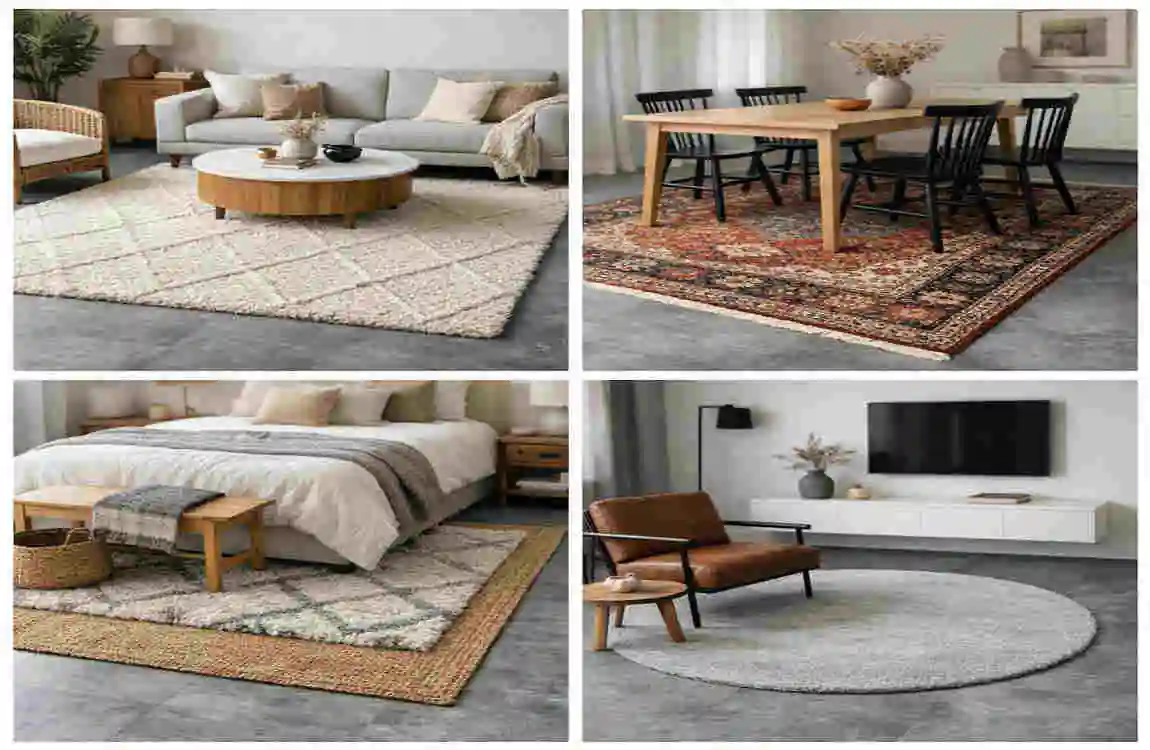
If you want your room to look polished, here are some simple styling tips that can help.
Use Contrast to Create Visual Depth
Contrast is one of the easiest ways to make a room feel more interesting. If the floor is light, a darker rug may add depth. If the floor is dark, a lighter rug may open the space.
This does not mean you must go to extremes. Even a small difference in tone can make the room feel more layered and thoughtful.
Layer Rugs for Texture
Layering rugs can add warmth and style, especially in larger rooms. You might place a smaller patterned rug over a larger neutral one.
This works well if you want to combine softness, color, and visual interest. It is also a good way to make a plain grey floor feel more inviting.
Combine a Neutral Base Rug with Colorful Décor Accents
If you are not ready to commit to a bold rug, start with a neutral one and bring color in through pillows, curtains, throws, or wall art.
This approach gives you more freedom. It also makes the room easier to update later.
Match Rug Tone with Furniture Accents
A rug looks more natural when it connects with other pieces in the room. You do not have to match exactly. Just look for shared tones.
For example, if your rug has blue in it, you might echo that blue in a pillow, chair, or vase. This creates a sense of balance that feels very smooth to the eye.
Maintenance and Practical Considerations
A beautiful rug should also be practical. The best color choice depends not only on style, but also on how you live.
Light Rugs vs Stain Visibility
Light rugs look elegant and airy, but they can show dirt, spills, and marks more easily. If the room is used often by kids, pets, or guests, keep this in mind.
Light rugs are still a great choice, but they may need more regular cleaning.
Dark Rugs and Dust Visibility
Dark rugs can hide some stains better, but they may show dust, lint, and pet hair more clearly. This is important in homes where cleaning is a daily concern.
If you like a dark rug, choose a material and pile height that are easier to maintain.
Material Choices for Durability
Not all rugs wear the same way. Some are softer but more delicate, while others are tougher and easier to clean.
Wool, synthetic blends, cotton, and flatweave rugs all have different strengths. Think about how much traffic the room gets before you decide.
Best Rug Types for High-Traffic Areas
For high-traffic rooms, choose rugs that are easy to clean, durable, and not too delicate in color. Patterned rugs can be especially practical because they hide wear better than plain ones.
In busy rooms, it often helps to choose a medium-toned rug. It gives you a balance between beauty and practicality.
FAQ
What color rug goes best with a grey floor?
Neutral colors like beige, cream, and white are some of the safest and best choices. They work with most grey floors and keep the room feeling balanced. Bold colors like navy or mustard can also look great if you want more personality.
Can I use a dark rug on grey flooring?
Yes, you can. Dark rugs in charcoal or navy can create a dramatic, modern look. They work best in rooms that have enough light and some lighter furniture to keep the space from feeling too heavy.
Do grey rugs match grey floors?
Yes, they can. The key is to make sure there is enough contrast in either shade or texture. If the rug and floor are too similar, the room may feel flat and less interesting.
What rug color makes a room look bigger with grey floors?
Light colors like white, cream, and soft pastels usually make a room look bigger and more open. They reflect more light and keep the space feeling airy.
Are patterned rugs good for grey floors?
Yes, patterned rugs are an excellent choice. They add visual interest and help break up the neutral look of grey flooring. They are also useful in rooms that need a little more life and texture.
| Rug Color | Effect on Grey Floors | Best Style Match | Overall Look |
|---|---|---|---|
| White / Cream | Brightens space, adds contrast | Minimalist, Scandinavian | Clean, airy, modern |
| Beige / Taupe | Warms up cool grey tones | Contemporary, neutral décor | Soft, balanced, cozy |
| Navy Blue | Creates strong contrast | Modern, coastal, elegant | Bold yet sophisticated |
| Mustard Yellow | Adds warmth and energy | Boho, mid-century modern | Vibrant and stylish |
| Blush Pink | Softens grey, adds subtle color | Feminine, modern chic | Calm and elegant |
| Charcoal / Black | Monochrome, sleek effect | Industrial, modern | Moody and dramatic |
| Green (Olive / Sage) | Brings natural, earthy feel | Nature-inspired, rustic | Fresh and calming |
| Patterned Rugs | Breaks monotony, adds depth | Eclectic, transitional | Dynamic and visually rich |
