
Imagine being able to buy a 3-bedroom house for less than the cost of many modern cars. That may sound unbelievable today, but in 1950, it was very real for many American families.
This was a special time in housing history. The United States was coming out of World War II, the economy was growing, and more families were starting to buy homes. Suburbs were expanding fast, and the idea of owning a house became part of the American dream.
So, if you are asking how much a 3-bedroom house cost in 1950, the answer is simple: it was much cheaper than it is today. But the full story is even more interesting. Let’s look at the prices, the income levels, and why homes were so affordable back then.
Overview of Housing Costs in 1950
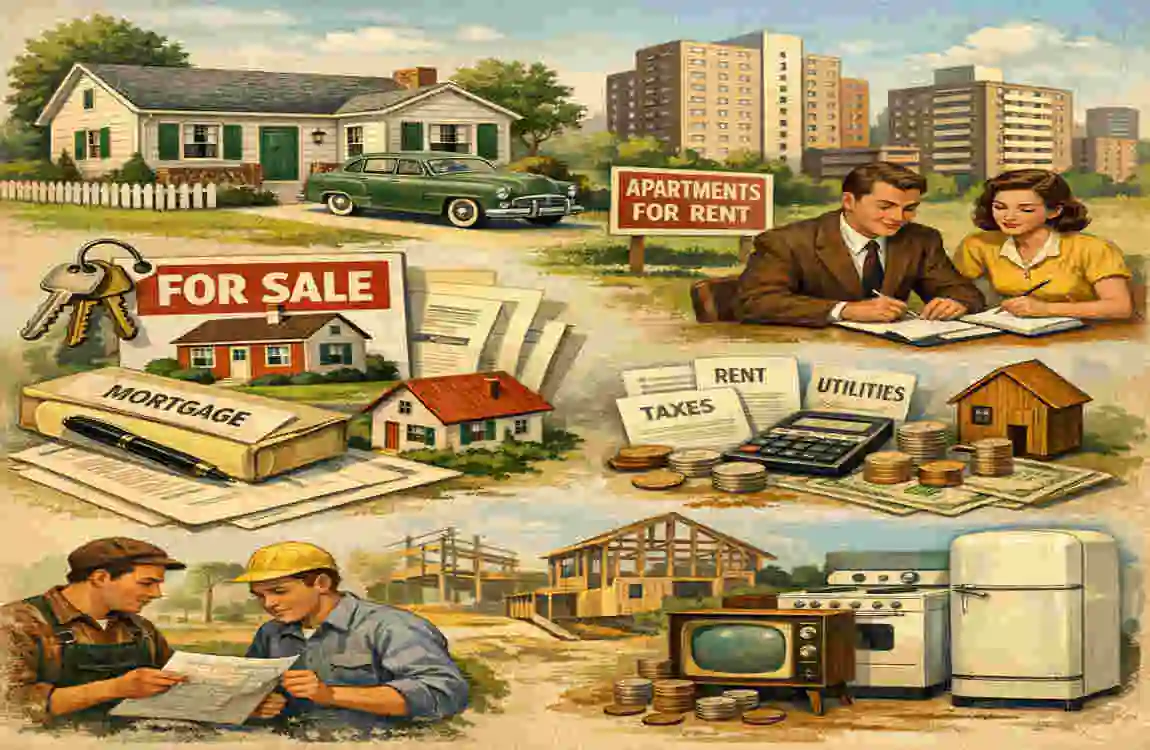
Average home price in the U.S. in 1950
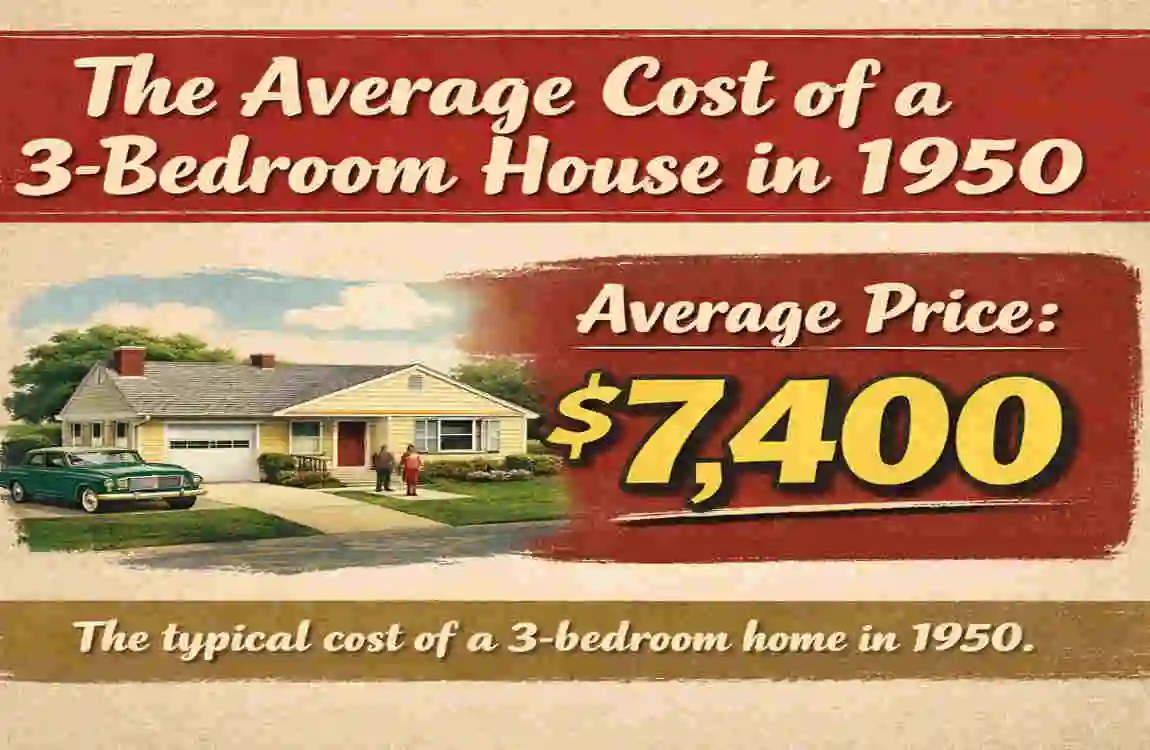
In 1950, the average luxury home in the United States cost between $7,000 and $10,000. A 3-bedroom house often fell within the range of $8,000 to $12,000, depending on its location, size, or modernity.
Homes in growing suburbs were often built in large numbers, which helped keep prices lower. In cities, prices were usually higher because land was more expensive.
Urban vs. suburban differences
There was a clear difference between city homes and suburban homes.
- City homes cost more because land was limited.
- Suburban homes were often cheaper because builders could construct many homes at once.
This was the beginning of large suburban communities, where families could buy simple but comfortable homes at lower prices.
What Was the Average Cost of a 3 Bedroom House in 1950?
National average cost
If we focus on the typical 3-bedroom house, the national average was around $8,000 to $12,000. In many places, a basic family home might cost about $9,000.
That may sound tiny compared to today, but it was a meaningful amount at the time. Even so, many working families could still afford it.
What influenced the price?
Several important things affected home prices in 1950:
- Post-war housing demand
- Millions of families wanted homes after the war, so demand was very high.
- Baby boom growth
- Families were growing quickly, which increased the need for larger homes.
- GI Bill mortgage support
- Veterans could get easier access to home loans, making it more possible to buy a house.
- Construction material costs
- Materials were still affordable compared to modern costs, helping builders keep prices down.
Inflation comparison
A house that cost $9,000 in 1950 would be roughly $120,000 to $130,000 today, depending on the inflation measure used. Even then, many homes today cost far more than that, especially in larger cities.
Monthly Income vs. House Price in 1950
Average household income
The average household income in 1950 was around $3,000 per year. That means many homes cost about 2.5 to 3 times a family’s yearly income.
That is very different from today, where home prices are often 5 to 8 times annual income in many areas.
Why this mattered
This made Housing feel more reachable. Families could work toward homeownership without facing the same level of financial stress many buyers feel today.
Here is a simple comparison:
Time PeriodAverage Home PriceAverage Household IncomePrice vs Income
1950 $8,000–$12,000 $3,000/year About 2.5–3x
Today Much higher Much higher Often 5–8x or more
This table shows why many people look back at 1950 and see it as a much easier time to buy a home.
Housing Styles of 3 Bedroom Homes in 1950
Common designs
Most 3-bedroom homes in 1950 were simple and practical. Some of the most common styles included:
- Ranch-style homes
- Cape Cod homes
- Minimal traditional houses
These homes were built for everyday family life. They were not flashy, but they were functional and warm.
Size and features
A typical house from this period usually had:
- Smaller kitchens
- Simple bathrooms
- Basic flooring and fixtures
- Limited storage
- No luxury extras
Homes were designed for comfort, not luxury. Families cared more about having a safe, private place to live than having modern upgrades.
Factors That Made Homes Affordable in 1950
Several things helped keep housing costs low in the 1950s:
- Government-backed loans made mortgages easier to get
- Mass suburban development lowered building costs
- Lower labor costs helped builders spend less
- Standard house designs made construction faster and simpler
Because builders often used the same plans again and again, they could save money and complete homes more quickly.
How 1950 Housing Compares to Today
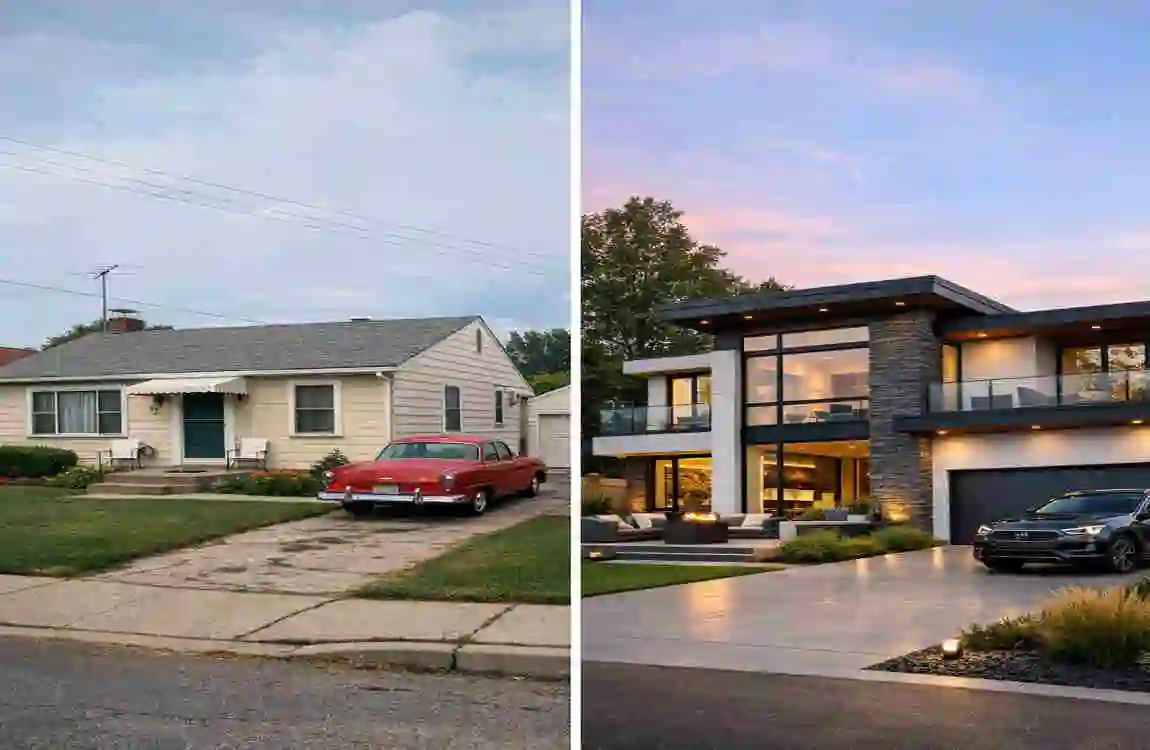
Then vs. now
When people ask how much a 3-bedroom house cost in 1950, they are often surprised by how low the prices were. But the bigger surprise is how much Housing has changed.
Today, homebuyers face:
- Higher land prices
- More expensive materials
- Higher labor costs
- Strong demand in many areas
- Limited housing supply in cities
Even after adjusting for inflation, homes today often cost much more than homes in 1950.
Why modern homes cost more
Modern life has also changed what people expect from a house. Many buyers want:
- Larger kitchens
- More bathrooms
- Garages
- Bigger floor plans
- Energy-efficient systems
These upgrades improve comfort, but they also raise the price.
FAQ
How much did a 3-bedroom house cost in 1950?
Most 3-bedroom houses cost between $8,000 and $12,000, depending on location and style.
What was the average home price in 1950 in the U.S.?
The average U.S. home price was about $7,000 to $10,000.
Were houses cheaper in 1950 than today?
Yes, much cheaper, even after adjusting for inflation.
What was the average salary in 1950?
The average household income was around $3,000 per year.
Why were houses so affordable in the 1950s?
Homes were more affordable because of government loans, suburban expansion, lower construction costs, and standardized house designs.
| Metric | Value |
|---|---|
| Median Home Price (1950) | $7,354 |
| Typical 3-Bedroom House Cost | ~$7,000–$8,500 |
| Average Home Size (1950) | 983 sq. ft. (about 4.6 rooms) |
| Inflation-Adjusted to 2025 | ~$85,000–$97,740 |
| Average Annual Household Income (1950) | $3,300 |
| Price-to-Income Ratio (1950) | 2.23 (homes cost ~2.2× annual income) |
| Mortgage Interest Rates (1950) | 4.5%–5% |
