

Every renovation starts with the same question: what do you want to still love in ten, twenty or thirty years? When you are renovating your home, paint colours and light fittings are easy to change later. Floors and wall coverings are not. They are the surfaces you walk on, look at and live with every single day, and they are the hardest and most expensive things to redo.
That is exactly why more homeowners, designers and builders keep coming back to natural stone. It is one of the oldest building materials in the world, and it is having a real moment right now. Here is why it deserves a place on your shortlist.
Natural Stone Is Trending, and for Good Reason
If you have scrolled through any design feed lately, you have probably noticed the shift away from cold grey home finishes and glossy, uniform surfaces. Designers are leaning into warm, textured, earthy materials instead. Houzz, reporting from the Surfaces trade show, noted that travertine and travertine-look products appeared in numerous displays alongside limestone, marble and sandstone, a sign of how strongly the industry is leaning toward organic, stone-inspired looks.
House Digest reports the same direction in bathrooms, where marble remains a perennial favourite and travertine is tipped to stand out in 2026. In another House Digest piece, interior designer Loren Kreiss argues that limestone, travertine and similar organic materials keep dominating because they feel both beautiful and timeless.
The takeaway is useful for anyone renovating: choosing natural stone puts you in step with current taste, while also sitting on the “classic” side of the fence. That is a rare combination in interior design.
Durability That Pays You Back Over Decades
Here is the practical heart of the argument. Trade publication Construction Canada describes natural stone as likely the most long-lasting material available for flooring, which is why it is so common in hotel lobbies and office towers where foot traffic never stops. A family hallway or kitchen is a much easier test.
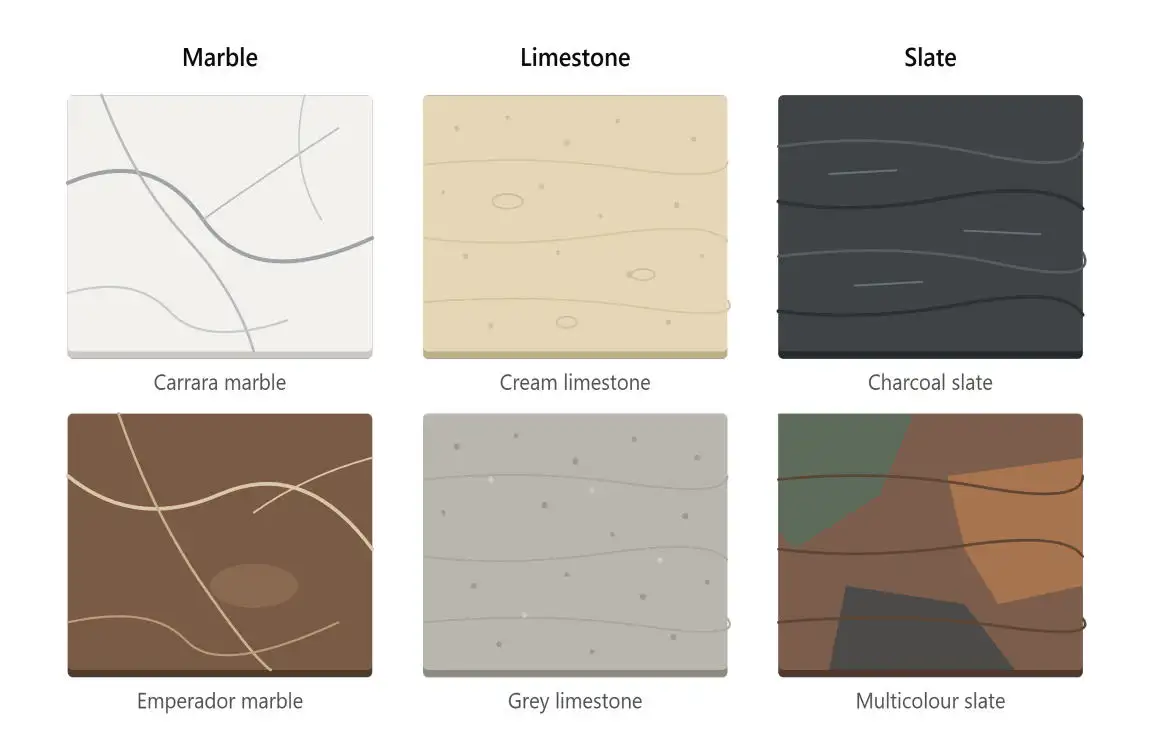
Not every stone is equally tough, though. Dense granite behaves very differently from softer sedimentary stones like travertine or limestone, so match the stone to the room:
- Granite and slate: hard-wearing choices for busy kitchens, hallways and entrances.
- Limestone and travertine: softer, warmer and ideal for living areas, bedrooms and bathrooms with sensible care.
- Marble: unmatched elegance, best in spaces where you can be a little more careful with spills.
Stone also does not “wear out” the way many manufactured floors do. Scratches and small marks tend to blend into the character of the surface, and a tired stone floor can often be cleaned, honed or resealed instead of ripped out. For a renovation budget, that matters: you are buying a floor you may never need to replace.
A Smarter, Greener Choice for Renovating Your Home
Sustainability is no longer a bonus; for many homeowners it is a deciding factor. Natural stone has a strong story here. According to the Natural Stone Institute, as reported by Floor Covering Weekly, stone flooring and countertops are extremely long-lasting, fully recyclable and free of VOC emissions, which appeals to health-conscious households.
The industry is also holding itself to a measurable standard. The Natural Stone Sustainability Standard (ANSI/NSI 373) examines and verifies different areas of stone production in order to raise the environmental baseline. NSF International, which helped develop it, explains that the standard covers every stage from quarry to final fabricator, including water use, site management and land reclamation. It has also been recognised by green building programmes: Stone World reports that LEED v4 accepts certification to the standard as third-party verification.
Tip: when you shop, ask your supplier where the stone was quarried and whether it comes from a certified producer. A good supplier will have an answer.
Style That Fits Almost Every Room and Every Taste
One of the underrated strengths of stone is how well it plays with other materials. It looks at home next to timber, metal, glass and plaster, in both modern and traditional home schemes. No two tiles or slabs are ever identical, so your floor is genuinely one of a kind.
Ways to use natural stone when renovating your home:
- Entryways and hallways: make a confident first impression that also handles muddy shoes.
- Kitchens: stone floors and splashbacks add a premium, grounded feel.
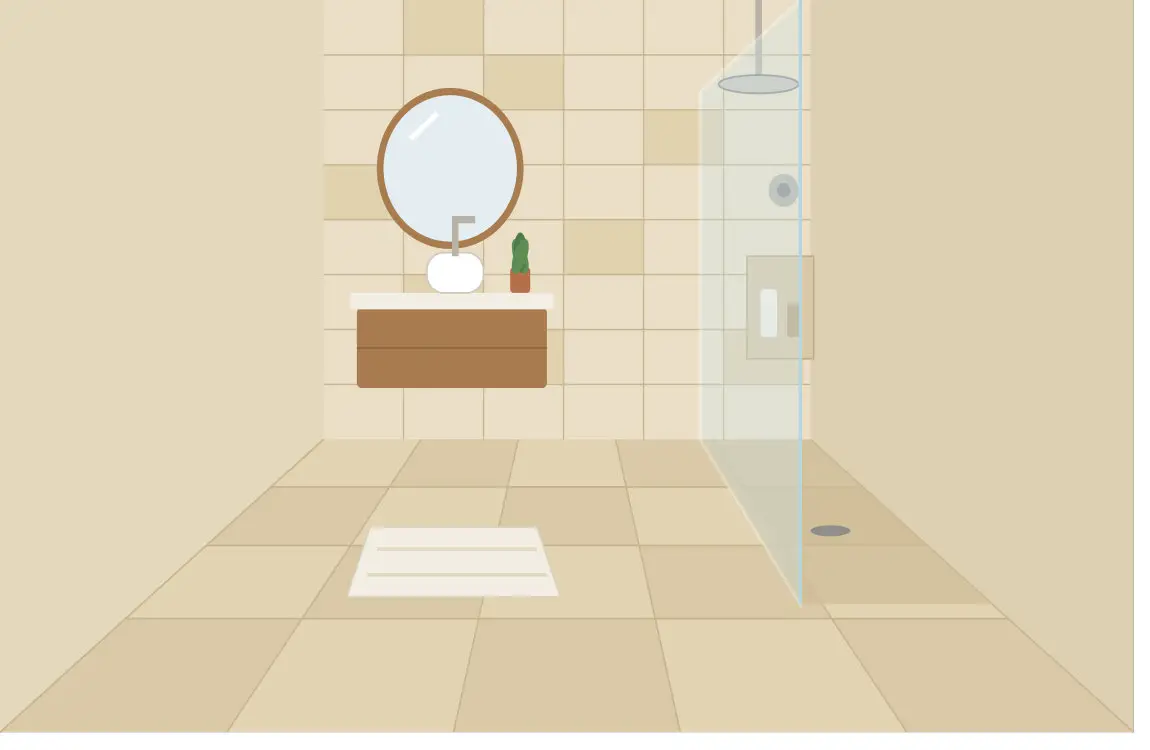
- Bathrooms: use honed or textured finishes on floors for better grip, and polished stone on walls for a spa look.
- Indoor-outdoor flow: carry the same or a similar stone from the living area to the patio for a seamless transition.
- Feature walls and fireplace surrounds: natural stone coverings add texture and depth without extra home decoration.
Does Natural Stone Add Value to Your Home?
Flooring is one of the most visible upgrades buyers notice. The National Association of Realtors’ Remodeling Impact Report, produced with the National Association of the Remodeling Industry, consistently finds that floor projects rank among the strongest for resale value. Its headline in recent editions was hardwood flooring, which delivered the highest value and strong homeowner satisfaction. That research focuses on wood rather than stone, so there is no hard figure to quote for stone specifically. The broader lesson still holds: buyers respond to quality floors, and stone has a premium, high-end look and a long service life that makes it a credible way to lift a house property’s appeal.
If you plan to sell eventually, a well-chosen stone floor in a neutral tone tends to appeal to a wide audience. If you plan to stay, you get the pleasure of it every day.
The Honest Part: Cost, Sealing and Care
Natural stone is not perfect, and any guide that pretends otherwise is not helping you. Two points are worth knowing before you commit.
It usually costs more upfront. Stone and its installation typically cost more than manufactured tile, and uneven stone tiles need a skilled installer to lay them properly. Think of it as paying more now for a floor that is unlikely to need replacing.
Most stone needs sealing and gentle care. Many natural stones are porous, so sealing is generally part of the recommended maintenance plan. Stone World’s guide to protecting stone stresses that sealers and a proper maintenance program are what keep residential stone installations looking their best, and that the right routine depends on the stone type, finish and where it is used.
A simple routine goes a long way:
- Wipe up spills quickly, especially wine, coffee, oil and citrus.
- Use a pH-neutral stone cleaner and avoid harsh acidic or abrasive products.
- Place mats at cozy doors and rugs or runners in high-traffic zones to cut down grit.
- Reseal when water stops beading on the surface, following your supplier’s guidance.
How to Choose the Right Stone for Your Renovation
Before you fall for a sample in the showroom, run through this quick checklist:
- Think about the room. Wet areas need grip; busy areas need hardness.
- Choose the finish carefully. Honed and textured finishes grip better underfoot than highly polished ones.
- See a full-size sample in your own light. Stone looks different in a showroom than in your home design.
- Order extra. Keep spare tiles from the same batch for future repairs, because colour varies between lots.
- Hire an installer with stone experience. The substrate, adhesive and sealer all matter.
- Plan the budget realistically. Include sealing, installation and aftercare, not just the price per square metre.
Frequently Asked Questions
Is natural stone a good choice when renovating your home?
Yes, for most homes. It offers long-lasting performance, a timeless look and a strong sustainability story, as long as you choose the right stone for each room and keep up with sealing and care.
Which natural stone is best for floors?
Granite and slate suit high-traffic areas, while limestone, travertine and marble work well in living spaces and bathrooms where you can offer a little extra care.
Does natural stone need to be sealed?
Most natural stones are porous, so sealing is generally recommended. Your supplier can advise on the right sealer and how often to reapply it for your specific stone.
Is natural stone more expensive than tile?
Usually, yes, at the start. The trade-off is a floor that is intended to last for decades and can often be restored rather than replaced.
Final Thoughts
When you are renovating your home, the materials you pick for floors and coverings set the tone for everything else. Natural stone gives you durability, beauty that ages gracefully, a credible sustainability story and a look that designers are actively embracing right now. It asks a little more from you at the start and in care, and in return it gives you surfaces that few other materials can match.
If you are weighing your options, start with a handful of samples, think honestly about how each room is used, and talk to a stone specialist. Your future self, walking across that floor years from now, will thank you.
