


In 2025, the average real estate commission on a million-dollar house reached 5.5%, according to the National Association of Realtors (NAR). For a property worth $1,000,000, this translates to a hefty $55,000+ expense for sellers. But here’s the good news: with the right strategies, you can reduce this percentage by 1-2% or more, saving tens of thousands of dollars.
When it comes to high-value properties, negotiating commissions becomes even more critical. Luxury real estate often comes with longer sales cycles and specialized marketing, meaning every percentage point saved counts.
Why Real Estate Commissions Are Higher on Million-Dollar Homes
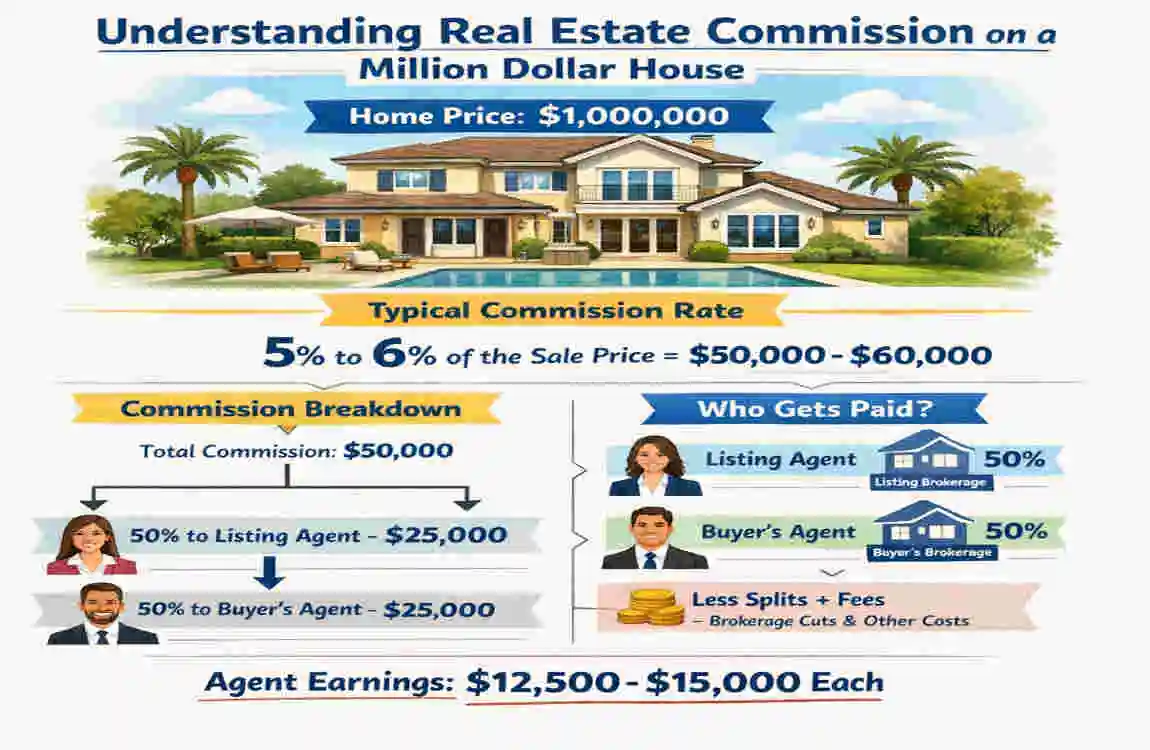
When selling a luxury property, you may notice that real estate commission rates are often higher than average. But why is this the case? Let’s break it down.
Understanding the Real Estate Commission on Million-Dollar Houses
The typical real estate commission ranges from 5-6%, split between the buyer’s and seller’s agents. However, for high-value properties, this percentage can vary from 4-7%, depending on the market and the expertise required.
Here’s a quick overview of average commission rates by home value:
Home Value Average Commission Rate Total Commission
$300,000 5.4% $16,200
$500,000 5.5% $27,500
$1,000,000+ 5.8% $58,000+
As you can see, the commission percentage increases slightly for higher-value homes, which can significantly impact your profit margins.
Factors Driving Up Fees on High-Value Properties
Several unique factors contribute to these higher fees for million-dollar homes:
- Exclusive Marketing: Luxury homes require Premium marketing strategies, such as professional staging, drone photography, virtual tours, and even private jets to showcase the property to high-net-worth buyers.
- Specialized Agents: Selling a high-value property demands experienced agents with access to exclusive networks of affluent buyers.
- Longer Sales Cycles: On average, million-dollar homes take 60+ days to sell, compared to faster turnover for mid-priced properties.
According to 2026 luxury market trends, sellers of high-value homes typically pay 15% more in commissions than sellers of mid-priced homes. Understanding these factors will help you prepare for negotiation.
Tips to Negotiate Real Estate Commissions on High-Value Homes

Research Market Rates and Agent Performance
The first step in negotiating commissions is to arm yourself with data. Knowing the typical commission rates in your area and the performance of top agents will give you a strong foundation for negotiation.
Benchmark Real Estate Commission on Million-Dollar Houses
Start by researching local commission rates for properties similar to yours. Online platforms like Redfin or Compass can provide insights into recent sales and agent performance. Here’s what to look for:
- Agent Rates: Compare rates from at least 10 agents who’ve worked on million-dollar properties.
- Sales Volume: Top-performing agents often close deals 20% faster, giving you leverage to negotiate lower rates.
For example, if you’re selling a $2M home, you could negotiate a reduction from 6% to 4.5%, saving $30,000, by presenting data on comparable properties.
Leverage Competition Among Luxury Agents
One of the most effective ways to lower commission rates is to create competition among agents. By interviewing multiple agents and requesting proposals, you can encourage them to offer their best rates.
Pit Agents Against Each Other
When interviewing agents, let them know you’re considering other candidates. This approach works particularly well with luxury brokers, as they’ll be eager to win your business. Here’s how:
- Highlight Your Property’s Value: Mention unique features, such as waterfront views or a Premium location, to showcase your home’s appeal.
- Offer Incentives: Propose a tiered commission structure, such as offering a higher rate if the agent sells your home quickly (e.g., within 30 days).
Case Study: A seller with a $1M home saved $20,000 by negotiating a 4% commission rate after comparing offers from Sotheby’s and a local boutique agency.
Offer Flat Fees or Caps for Predictable Savings
Another way to reduce costs is to negotiate a flat fee or commission cap. This approach ensures you know exactly how much you’ll pay, regardless of the final sale price.
Pros and Cons of Flat Fee Models
Here’s a quick comparison of percentage-based commissions versus flat fees:
ModelProsCons
Percentage-based incentives incentivize agents to maximize price, which can result in high fees on luxury homes.
Flat Fee, Predictable costs; easier to budget. May discourage agents from exceeding expectations.
For example, a flat fee of $25,000 on a $1M home translates to an effective commission rate of 2.5%, significantly lower than the standard 5-6%.
Time Your Negotiation for Maximum Leverage
Timing can significantly affect the leverage you have when negotiating commissions. Agents are often more flexible during certain periods or circumstances.
Best Times to Negotiate
- Off-Peak Seasons: Real estate activity typically slows down in the winter months, making agents more likely to lower their rates.
- Pre-Listing Phase: Agents may agree to reduced commissions before signing a contract, especially if they’re eager to secure your listing.
- Slow Markets: During market downturns, agents may accept lower rates to stay competitive.
Highlight Your Property’s Easy-Sell Features
Agents are more likely to lower their commission rates if they believe your property will sell quickly and with minimal effort. Make your home as appealing as possible to increase your bargaining power.
Prepare Your Home to Stand Out
Here are some steps you can take to make your property irresistible:
- Pre-Inspection: Address any potential issues with plumbing, electrical systems, or the roof to reassure buyers.
- Virtual Tours: Invest in high-quality virtual tours and staging to reduce the need for multiple showings.
Real Example: A seller of a $3M home negotiated a 3.5% commission rate by showcasing the property’s move-in-ready condition and professional staging.
Get Creative with Incentives and Add-Ons
If agents are hesitant to lower their rates, consider offering creative incentives instead. This approach allows you to save on commissions without compromising the agent’s motivation.
Examples of Creative Incentives
- Referral Bonuses: Offer a bonus for bringing in additional clients or buyers.
- Future Business: Promise to work with the agent on future transactions if they offer a reduced rate.
- Tech Perks: Negotiate for value-added services, such as drone footage or virtual tours, at no extra cost.
Important: Always formalize agreements in writing to avoid misunderstandings.
Common Mistakes to Avoid When Negotiating Commissions
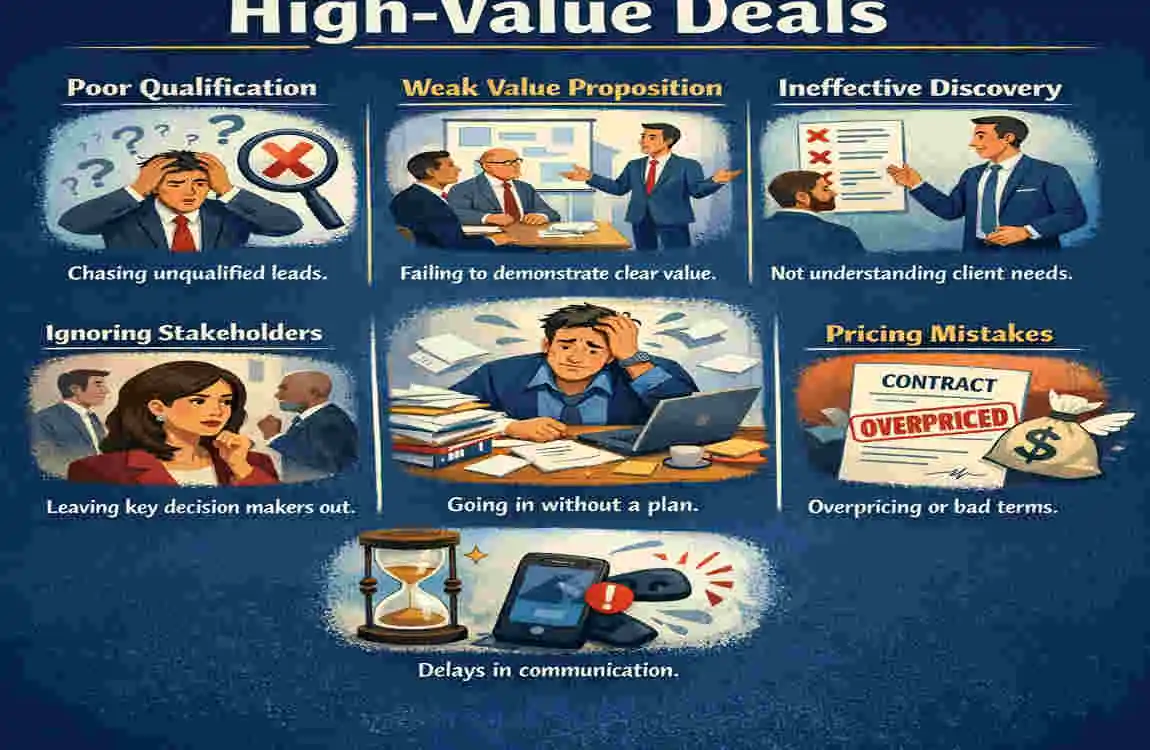
When negotiating commissions, it’s essential to avoid common pitfalls that could cost you money. Here are the top mistakes to watch out for:
- Accepting the First Offer: Always negotiate, even if the agent’s initial rate seems reasonable.
- Ignoring Buyer Agent Splits: Ensure the buyer’s agent receives a fair share; otherwise, they may be less motivated to show your property.
- Skipping Legal Review: Have an attorney review your contract to ensure all terms are clear and enforceable.
Frequently Asked Questions (FAQ)
What is the average real estate commission on million-dollar houses?
The average commission on a $1M home is typically 5.5-6%, split between the buyer’s and seller’s agents.
Can you negotiate commissions on luxury homes?
Yes! In fact, 70% of sellers successfully negotiate lower rates on high-value properties.
Is 4% a realistic commission for $1M+ properties?
With the right negotiation strategies, achieving a 4% commission is entirely possible.
How much can I save by negotiating?
Reducing your commission rate by just 1% on a $1M home can save you $10,000 or more.
By implementing these strategies, you can master the art of negotiating real estate commissions on high-value homes. Good luck with your sale!
