

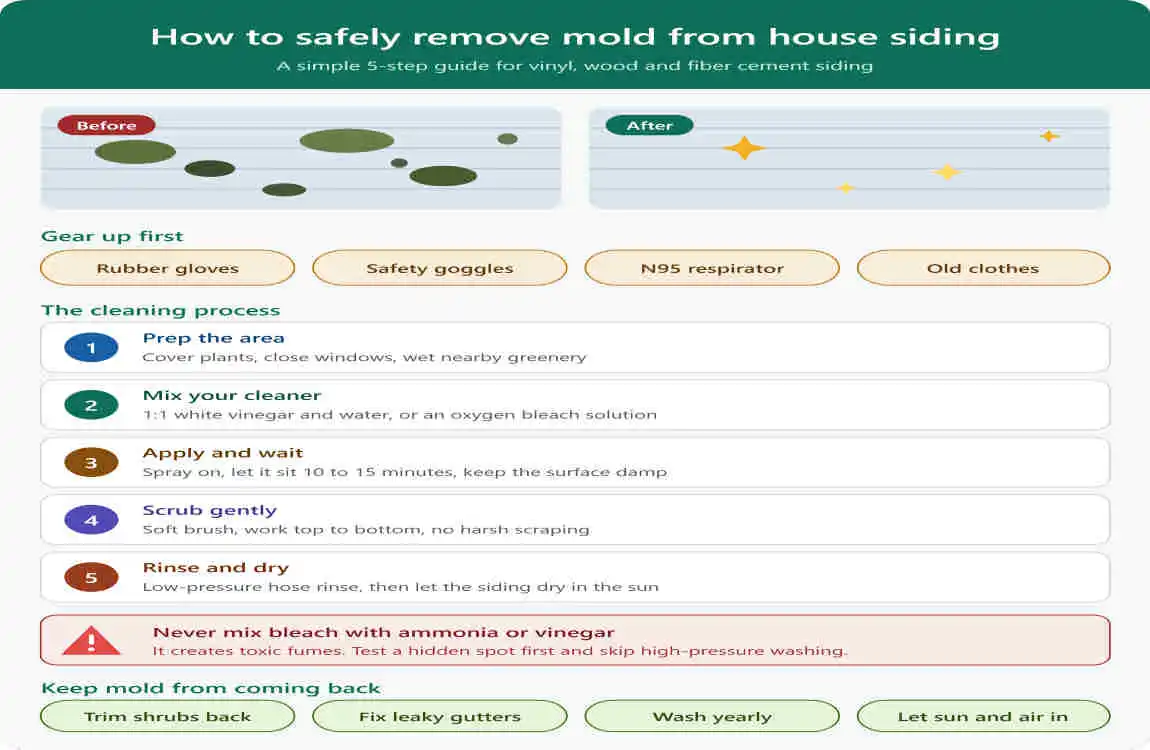
To remove mold from house siding safely, wear gloves, goggles and an N-95 respirator, scrub the affected area with a detergent-and-water solution (or a 70/30 water-and-white-vinegar mix), rinse from the top down, and let the siding dry completely. For stubborn growth, a diluted bleach solution of no more than 1 cup of bleach per gallon of water can be used on hard surfaces. Never mix bleach with ammonia, and fix the moisture problem that caused the mold, or it will return.
What Causes Mold on House Siding?
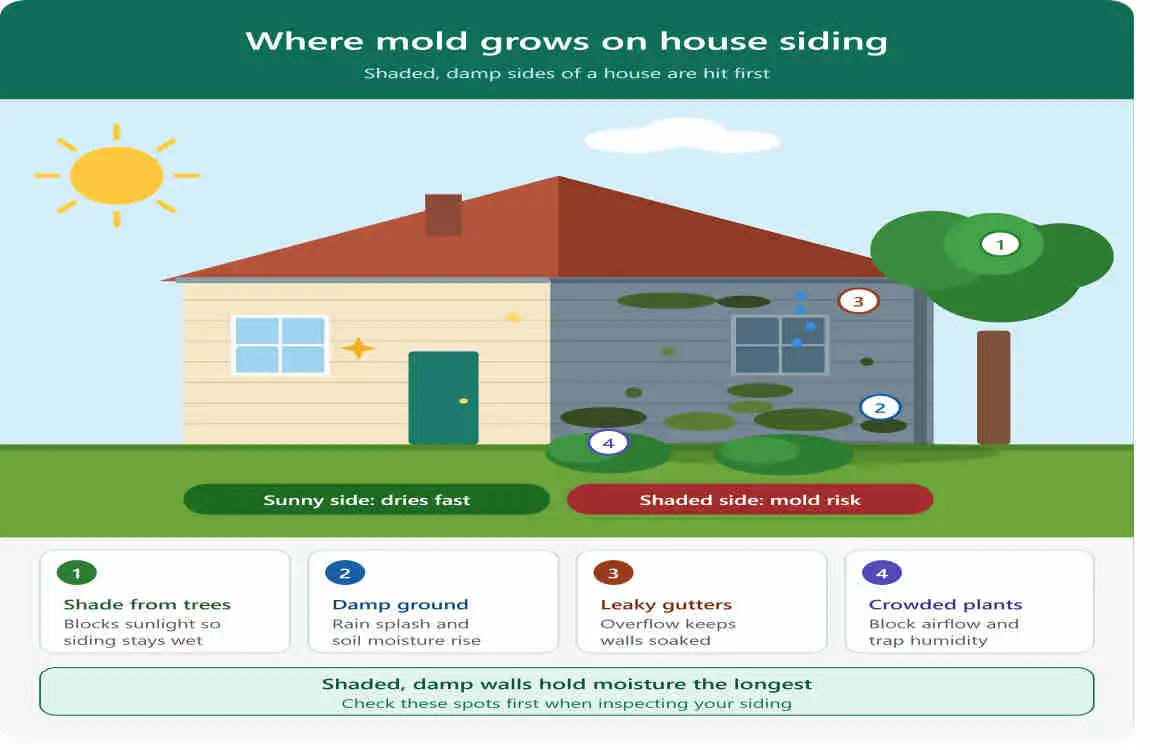
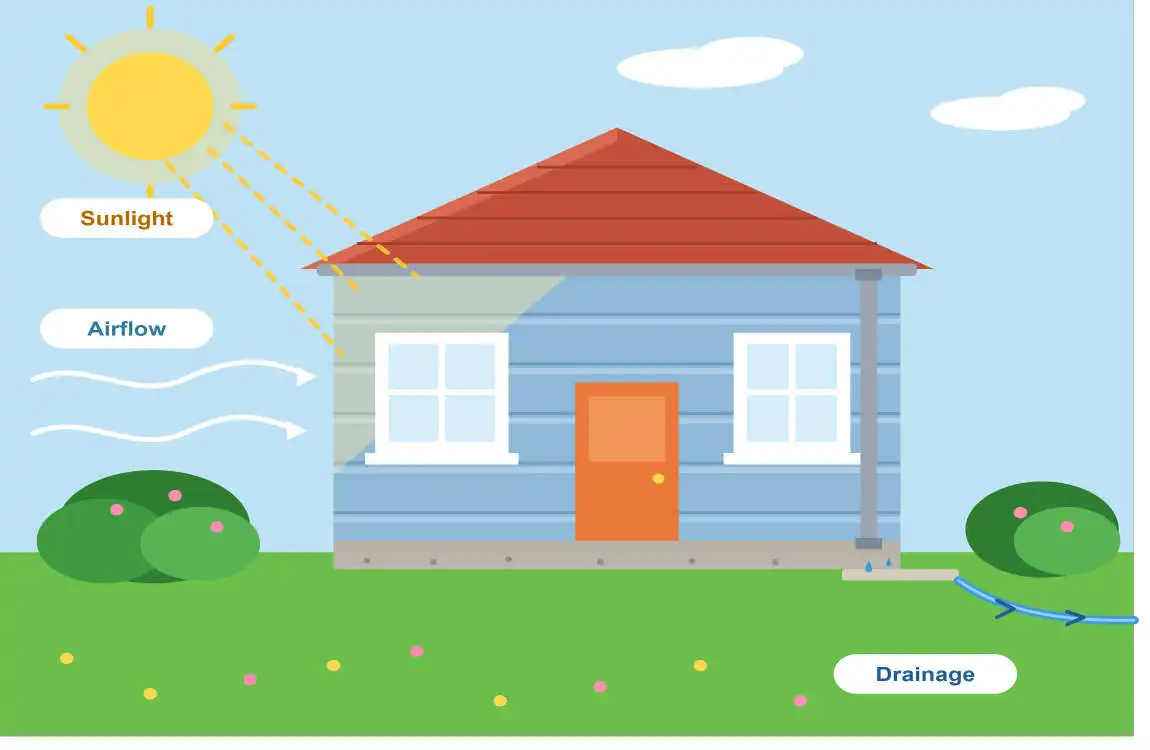
Mold needs moisture, an organic food source (dirt, pollen, wood) and time. Siding gives it all three. Clean Mold and mildew tend to develop over time with changing weather, especially on north-facing and shaded areas, according to experts quoted by Real Homes.
Common moisture sources include:
- Clogged or leaking gutters and downspouts
- Sprinklers spraying directly onto the wall
- Overgrown shrubs that block sunlight and airflow
- Poor drainage or water pooling near the damage foundation
Guides like This Old House and the EPA agree on the core idea: cleaning without fixing the water source only gives you a temporary result.
Is Mold on Siding Dangerous?
Often it is mostly a cosmetic and durability issue, but mold can still irritate people who are sensitive. The EPA notes that mold can gradually destroy the things it grows on, and recommends consulting a health professional before cleanup if you have health concerns (EPA: A Brief Guide to Mold, Moisture and Your Home). If anyone in your household has asthma, allergies or a weakened immune system, consider hiring a professional.
What You’ll Need
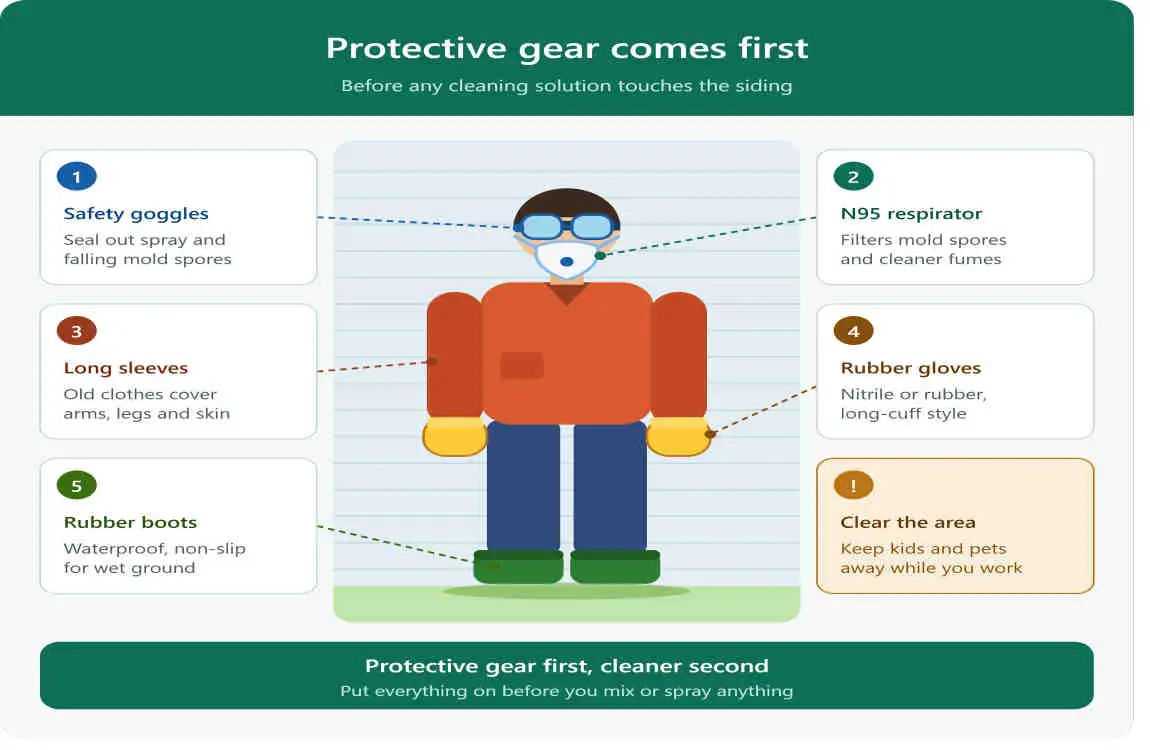
- Gloves (nitrile, rubber or vinyl), goggles and an N-95 respirator
- Garden hose with spray nozzle
- Soft-bristle brush or long-handled scrub brush
- Bucket and sponge
- Dish soap or detergent, white vinegar, or household bleach (choose one method; do not combine)
- Ladder, plus plastic sheeting to protect plants
How to Remove Mold from House Siding: Step-by-Step
Protect Yourself and Your Plants
The EPA and CDC both recommend gloves, goggles and an N-95 respirator when cleaning mold, and the CDC advises never touching mold with bare hands. Wet nearby plants with water and cover delicate ones, since bleach can damage them and vinegar can harm or kill many types of plants, as noted by HomeServe.
Fix the Moisture Problem First
Repair leaking gutters, redirect sprinklers and trim back vegetation. The EPA states that a cleanup cannot be considered finished until the water or moisture problem has been completely fixed.
Pre-Rinse the Siding
Lightly rinse with a garden hose, working from the top down so dirty water does not streak clean areas.
Choose Your Cleaning Solution
| Method | Mix | Best for | Cautions |
|---|---|---|---|
| Detergent and water | Dish soap or detergent in warm water | First-line cleaning, light mold and grime | Dry completely afterward (EPA) |
| White vinegar | About 70% water, 30% white vinegar | Mild to moderate mold and mildew on vinyl | Can harm plants (HomeServe) |
| Diluted bleach | No more than 1 cup bleach per 1 gallon water (CDC); some siding guides use 1/2 cup | Stubborn mold on hard surfaces | Never mix with ammonia; ventilate; protect plants |
| Bleach plus TSP | Around 1 cup bleach, 1 cup liquid TSP, 1 gallon water (This Old House) | Heavy mildew and chalky residue | Wear full protection; test a hidden spot first |
The EPA’s basic cleanup advice is to scrub mold off hard surfaces with detergent and water and dry completely. Sources such as Bob Vila describe a vinegar mix for general mold and mildew and a diluted bleach mix for tougher cases, letting bleach sit about 15 minutes before a light scrub.
Apply and Scrub
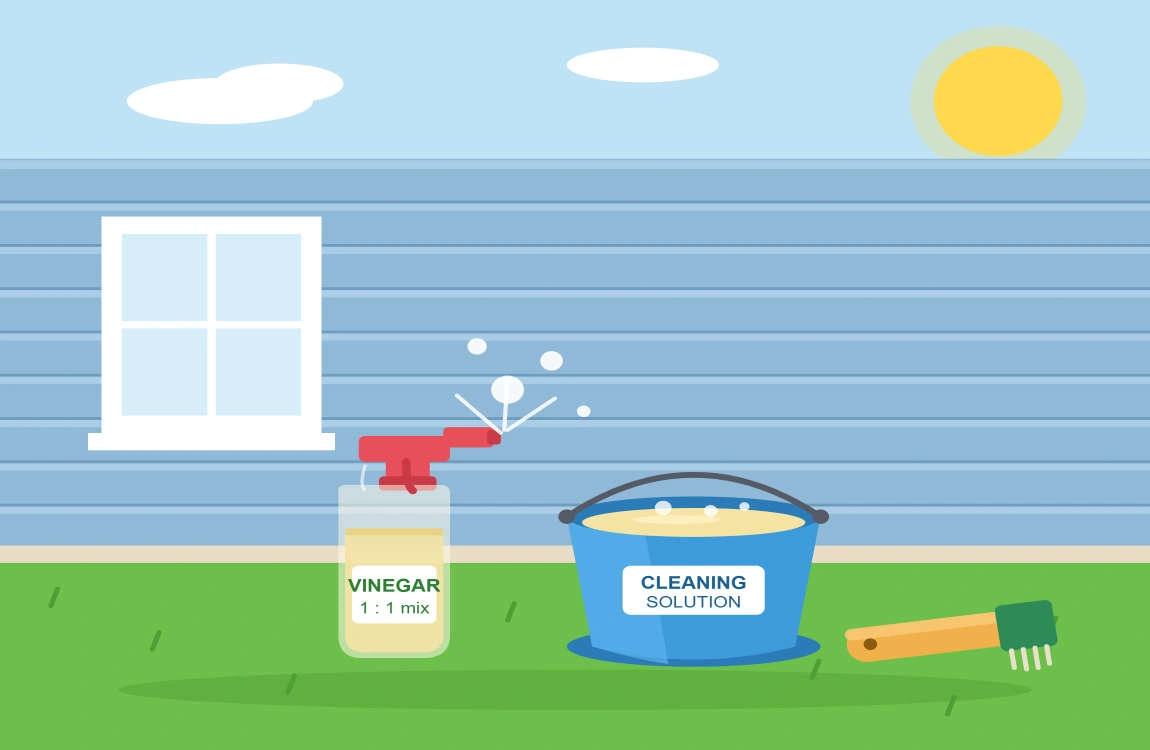
Apply the solution with a sponge or low-pressure sprayer, working in small sections. Scrub gently with a soft-bristle brush to lift mold without scratching the surface.
Rinse Thoroughly
Rinse each section from the top down with clean water while the siding is still wet. Do not let cleaning solution dry on the surface.
Let the Siding Dry Completely
Drying matters as much as scrubbing. Open up airflow by trimming shrubs and, if possible, choose a dry, breezy day for the job.
Can You Pressure Wash Mold Off Siding?
Sometimes, but with caution. Angi notes that some vinyl manufacturers caution against pressure washing while others allow low-pressure use, so check your manufacturer’s guidelines first. HomeServe advises keeping the nozzle moving and avoiding spraying near gaps around windows, doors and plumbing, where water can get behind the siding and cause new moisture problems.
Safety Rules You Should Never Skip
- Never mix bleach with ammonia or other cleaners. The CDC warns this produces toxic fumes.
- Ventilate. Open nearby windows and doors when using bleach, and keep them closed against drifting spray if it is windy.
- Use only one cleaner at a time and follow the label instructions.
- Keep children and pets away from the work area.
- Test a small hidden area first, especially on painted or dark siding.
When Should You Call a Professional?
Consider hiring a pro if the mold covers a large area, has spread into wall cavities, keeps returning, or if someone in the home has respiratory issues. The CDC suggests consulting the EPA’s remediation guidance when the affected area is larger than about 10 square feet. Soft, crumbling or rotted siding is also a sign of a deeper moisture problem that needs repair, not just cleaning.
The CDC does not recommend routine home mold testing; visible mold should be cleaned and its moisture source corrected.
How to Prevent Mold from Coming Back on Siding
- Clean gutters and make sure downspouts direct water away from walls.
- Trim trees and shrubs so sunlight and air can reach the siding.
- Aim sprinklers away from the house.
- Wash siding at least once a year (This Old House).
- Seal gaps and fix damaged siding promptly. Remember that painting or caulking over mold will not prevent it from growing back (CDC).
Frequently Asked Questions
What is the best homemade cleaner for mold on house siding?
A mix of about 70% water and 30% white vinegar is a popular, gentle option for vinyl siding, and plain detergent and water is the EPA-backed starting point for hard surfaces. For stubborn mold, use a diluted bleach solution of no more than 1 cup per gallon of water.
Does vinegar kill mold on siding?
Vinegar can cut through mold and mildew buildup on vinyl siding, according to Bob Vila, but it may be less effective than bleach on heavy growth. Rinse well and protect plants.
Is it safe to use bleach on vinyl siding?
Bleach is commonly used on siding when properly diluted. The CDC recommends no more than 1 cup per gallon of water, with ventilation, gloves and eye protection, and never mixing it with ammonia. Test a hidden spot first, especially on colored siding.
Is mold or mildew on siding harmful to my house?
Mold can gradually damage the materials it grows on, per the EPA. Left alone, persistent moisture can lead to stained, degraded or rotted siding underneath.
How often should I clean my house siding?
At least once a year is a common recommendation, and more often if your home is shaded, humid or surrounded by dense plants.
Why does mold keep coming back on my siding?
Usually because the moisture source (leaks, sprinklers, shade or poor airflow) has not been fixed. The EPA stresses that moisture control is the key to mold control.
Final Thoughts
Removing mold from house siding is a manageable weekend project when you protect yourself, choose one appropriate cleaner, rinse well and, most importantly, fix the moisture problem behind it. If the mold is widespread or the siding is damaged, a professional inspection will save you money in the long run.
