


Painting the exterior of your house does more than improve its curb appeal—it protects your home from harsh weather conditions, prevents damage, and can even increase its value. However, one of the most common questions homeowners face is “how much does it cost to paint the outside of a house?”
Understanding the Average Cost to Paint the Outside of a House
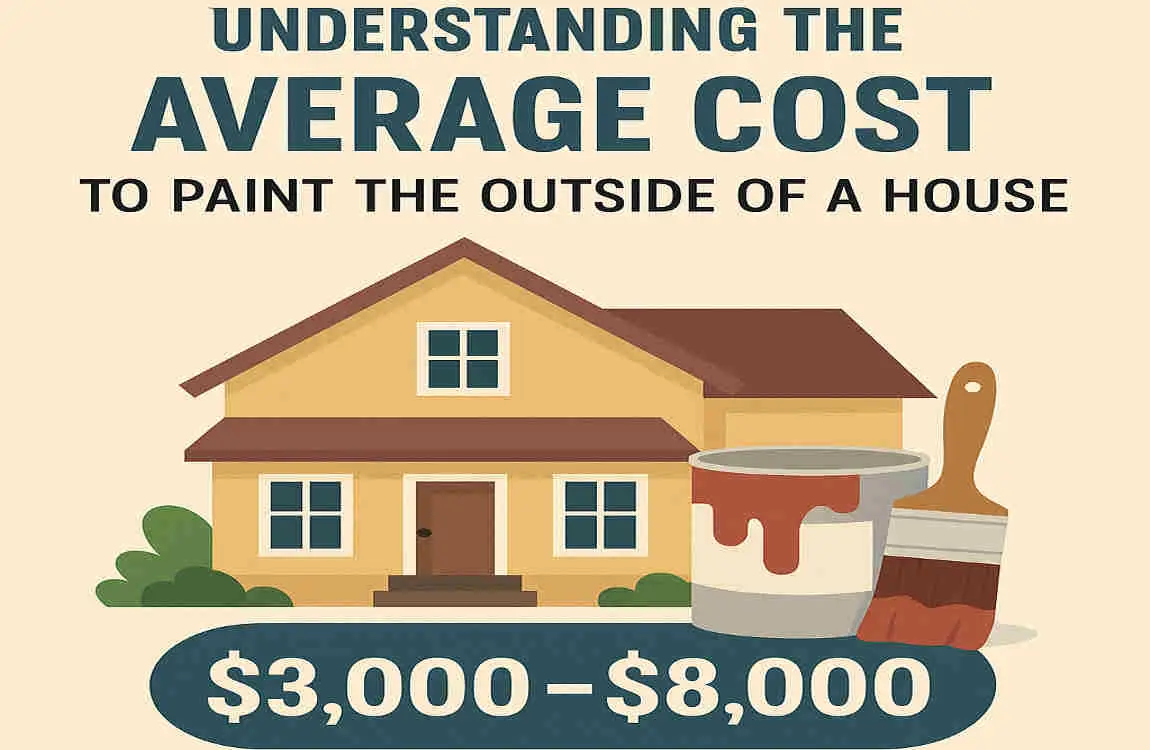
The cost of painting your home’s exterior can vary widely depending on factors like house size, materials, and labor. In 2025, the typical cost range for painting the exterior of a house is $1.50 to $4 per square foot.
For a standard two-story home, this translates to an average total cost of $3,000 to $6,200, depending on the project’s complexity. Single-story homes with less surface area will naturally cost less, while larger or more intricate homes will fall on the higher end of the spectrum.
Average Costs by Square Footage
To give you a clearer idea of what to expect, here’s a breakdown of average costs based on house size:
Square Footage Cost Range (2025)
1,000 sq ft $1,500 – $4,000
1,500 sq ft $2,250 – $6,000
2,000 sq ft $3,000 – $8,000
2,500 sq ft $3,750 – $10,000
3,000 sq ft $4,500 – $12,000
These figures provide a general idea, but keep in mind that several factors can influence the final price. Let’s explore those in detail.
Key Cost Factors Affecting Painting Prices
Several factors contribute to the overall cost of painting your home’s exterior. Understanding these factors will help you better estimate your budget.
Size and Complexity of the House
The size of your home is one of the most significant factors in determining the cost. Larger homes require more paint and labor, which naturally increases the price. However, complexity also plays a role.
- Homes with architectural details like multiple windows, doors, trim, shutters, or decorative features will take longer to paint and may require specialized techniques.
- Simple designs with flat surfaces are quicker and cheaper to paint.
For example, a single-story ranch-style home will cost less than a multi-story Victorian home with intricate trim work and steep slopes.
Type of Siding and Surface Material
Different types of siding require different preparation and painting techniques, which can impact the overall cost. Here’s a look at how siding material affects pricing:
Siding Material Estimated Cost (Per Sq Ft)
Wood $1.50 – $4.00
Vinyl $1.00 – $3.00
Stucco $2.00 – $6.00
Brick $2.50 – $7.00
Metal $1.50 – $3.50
For example, brick exteriors often require more paint and sealing to achieve proper coverage, while vinyl siding is relatively easy to paint and costs less.
Quality and Brand of Paint
The type and quality of paint you choose will significantly influence the cost. Premium paint brands may cost more upfront, but they usually last longer and require fewer touch-ups over the years.
- Budget paints: $20–$40 per gallon
- Mid-range paints: $40–$70 per gallon
- High-end paints: $70–$100+ per gallon
Additionally, the type of paint finish matters:
- Flat finishes are the most affordable but less durable.
- Satin or semi-gloss finishes cost more but offer better durability and weather resistance.
Investing in high-quality paint can save you money in the long run by reducing the need for frequent repainting.
Labor Costs
Labor costs account for a significant share of total expenses. Rates vary by location and project complexity, ranging from $25 to $75 per hour.
On average, professional painters charge $1.50 to $3.50 per square foot for labor. For a 2,000 sq ft home, this could mean labor costs of $3,000 to $7,000.
When hiring professionals, consider their experience, reputation, and whether they offer warranties for their work.
Surface Preparation and Repairs
Before painting begins, proper surface preparation is crucial for a long-lasting finish. This may include:
- Scraping and sanding old paint
- Power washing to remove dirt and grime
- Priming the surface for better paint adherence
- Repairing damaged siding, filling cracks, or treating wood rot
These preparation tasks can add $500 to $2,500 to the total cost, depending on the condition of your home’s exterior.
Additional Components and Areas
Painting isn’t limited to walls. Other areas of the home may require attention, such as:
- Trim, gutters, and fascia
- Shutters, doors, and porches
- Decks and railings
Here’s an approximate cost breakdown:
Component Cost Range
Trim (per linear foot) $1.50 – $3.00
Shutters (per set) $50 – $100
Doors (per door) $100 – $300
Including these elements in your project can elevate your home’s look, but will increase the overall cost.
Seasonal and Environmental Factors
The time of year can also affect pricing. In many areas, spring and summer are peak painting seasons, which means higher demand and potentially higher costs.
Painting in optimal weather conditions (mild temperatures and low humidity) ensures better paint adhesion and durability. Scheduling your project during the off-season may help you secure discounts.
Tools and Materials Cost Breakdown
If you’re considering a DIY approach, you’ll need to factor in the cost of tools and materials. These include:
- Brushes and rollers: $10–$30 each
- Drop cloths and tape: $20–$50
- Ladders or scaffolding: $50–$200 (rental)
- Primer: $20–$50 per gallon
Expect to spend $200 to $600 on tools and supplies, depending on the size of your project.
How to Estimate Your Exterior Painting Cost
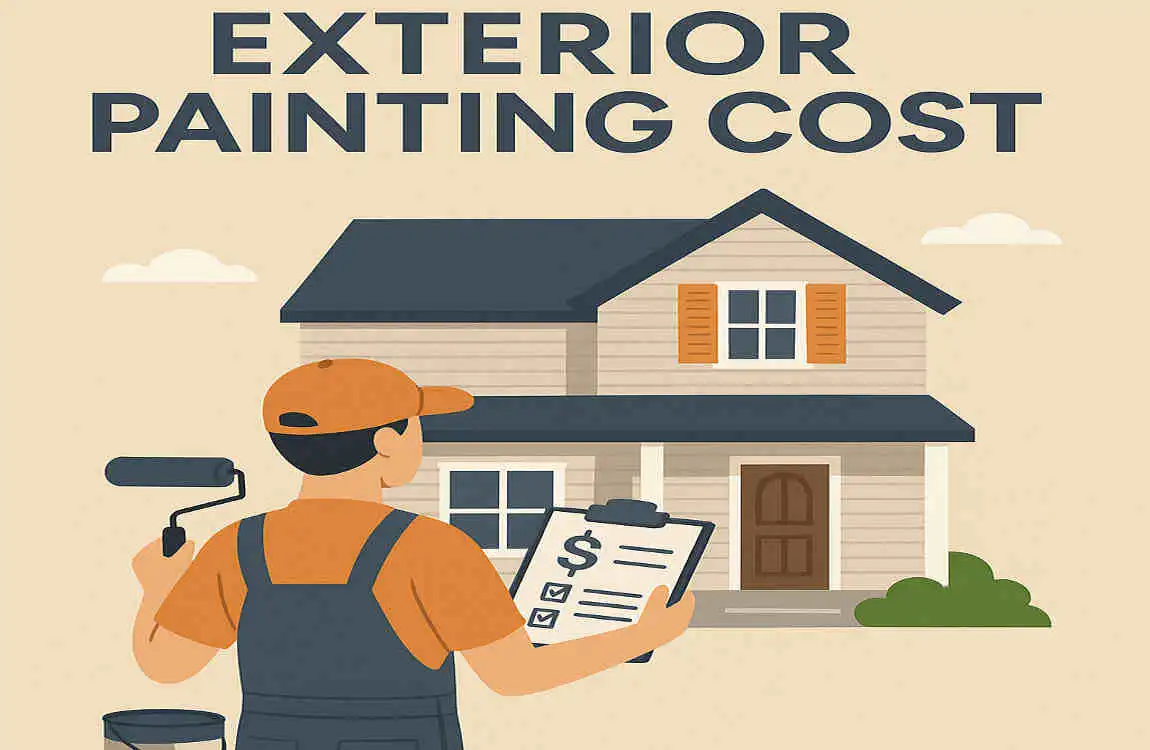
Want to calculate your project costs? Here’s a simple step-by-step guide:
- Measure Paintable Surface Area
- Multiply the perimeter of your home by the height, then subtract the area of windows and doors.
- Determine Gallons of Paint Needed
- One gallon covers approximately 300–400 sq ft, depending on surface type.
- Apply Pricing Formula
- Multiply the total square footage by the cost per square foot.
For example, a 1,500 sq ft home at $2.50 per sq ft would cost $3,750.
Ways to Save Money on Exterior Painting
Here are some tips to reduce costs without compromising quality:
- Get quotes from at least three professional painters.
- Opt for mid-range paint for a balance of quality and affordability.
- Handle surface preparation (like power washing) yourself if possible.
- Look for seasonal discounts or promotions.
Hiring a Professional vs DIY: Cost Comparison
While DIY painting might seem like a cost-effective solution, it comes with risks.
Factor Professional DIY
Cost : Higher upfront cost , Lower upfront cost
Quality Professional finish Risk of uneven results
Time and Effort: Minimal effort on your part. Time-consuming
Professionals bring expertise and efficiency, but DIY painting can save you 30–50% of the cost if done correctly.
