

Forcing the sale of a house in the UK can be a costly and complicated process, especially when co-owners disagree about what to do with a shared property. Whether the dispute involves an inherited home, a separation, or jointly owned property, the total cost depends on factors such as solicitor fees, court fees, and the complexity of the case.
Can You Actually Force the Sale of a House in the UK?
Yes, in many situations. When co-owners can’t agree, the usual route is an application to court under section 14 of the Trusts of Land and Appointment of Trustees Act 1996 (TOLATA). Law firm Duncan Lewis notes that an order for sale is the most common TOLATA application, and that the court can order a sale even if the other house cost owner objects, although this is never automatic.
The court doesn’t just rubber-stamp a request. Under section 15 of the Act it weighs factors such as the purpose the property was bought for, the interests of any children living there, and the interests of secured creditors. A buy-to-let bought purely as an investment is usually easier to sell than a family home where children still live.
The Court Issue Fee
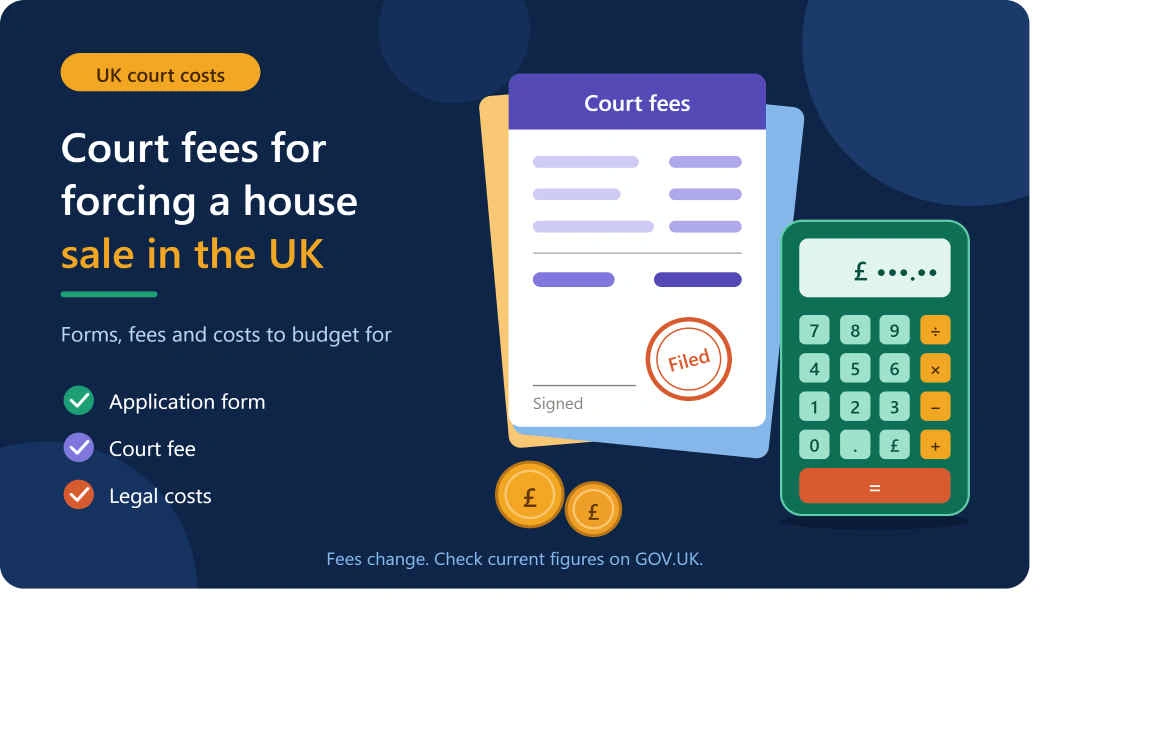
Every claim starts with a court fee. From 13 July 2026, the fee for starting a non-money claim such as an order for sale in the County Court rose from £377 to £387, according to the UK Government’s July 2026 court fee announcement. The law firm Bevan Brittan lists the same change.
You can check the latest figures in the official GOV.UK guide to civil and family court fees (EX50). If you are on a low income or certain benefits, you may qualify for Help with Fees.
Solicitor Fees
This is usually the biggest line on the bill. Solicitors typically charge for:
- Advising you on whether you have a case
- Sending a letter before action to the other owner
- Drafting the claim form and particulars of claim
- Negotiation, mediation and any hearings
The bottom line is that construction costs depend on how hard the other side fights. Weightmans warns that TOLATA claims that go to trial are expensive, sometimes prohibitively so. Aaron & Partners says that taking a contested claim to trial is likely to cost a few tens of thousands of pounds, while also noting that most cases settle before trial.
Barristers, Experts and Valuations
If the case is contested, you may need a barrister for advice or to speak at the hearing, plus a surveyor to value the property. Porter Dodson explains that valuation and expert fees are likely alongside solicitor costs and court fees. Experts are often shared between the parties, which keeps this cost down.
Hearing Fees
If your claim goes to a trial, the court charges separate hearing fees on top of the issue fee. These are far higher than the issue fee, so check the current amount in the official fee tables before you commit.
The Risk of Paying the Other Side’s Costs
This is the cost people forget. In litigation, the general rule is that the loser pays. Higgs LLP explains that the unsuccessful party must usually pay the winner’s costs, and that even a win does not guarantee you recover everything you spent.
That said, courts have discretion. In disputes between co-owners they sometimes make no order for costs, recognising that both sides had real interests to protect, as this Duncan Lewis analysis on Mondaq points out.
The Cost of Selling the House Itself
Once you have an order for sale, the property still has to be sold. Estate agent fees, conveyancing, and paying off any mortgage normally come out of the sale price before the profit is split between the owners. So you don’t usually pay these upfront, but they do reduce your final share.
How to Keep the Cost of a Forced Sale Down
- Try to agree first. A clear letter, sometimes written by a solicitor, can be enough to get the other owner moving.
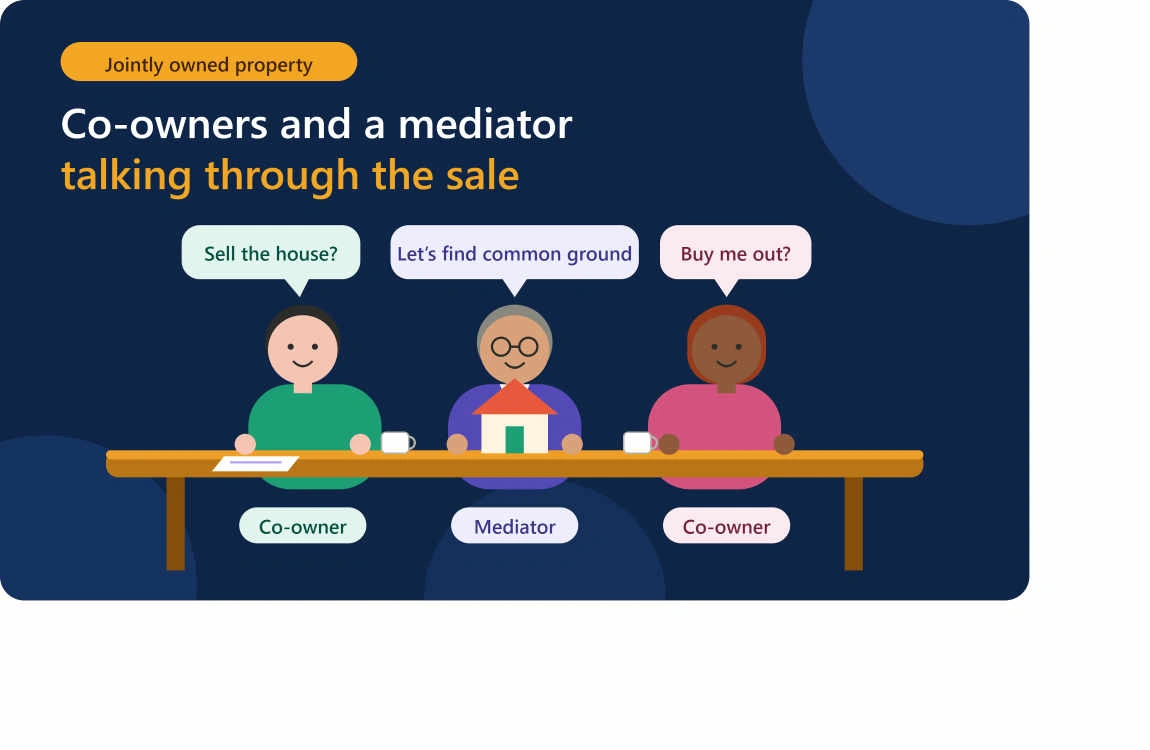
- Use mediation. The courts expect you to try. Duncan Lewis warns that refusing alternative dispute resolution without good reason can lead to a costs order against you, even if you win. A deal reached in mediation can be sealed as a consent order.
- Offer a buy-out. If one of you wants to keep the house, a buy-out can avoid a sale altogether.
- Ask for fixed-fee quotes. Many firms will quote a fixed price for the early stages.
- Check your eligibility for Help with Fees before issuing a claim.
- Be realistic about the evidence. A strong, well-documented case is more likely to settle early.
How Long Does Forcing a House Sale Take?
There is no fixed timetable. A cooperative sale can complete within months. A contested claim with a case real estate management conference, cost budgets, and a trial takes considerably longer, because it has to wait for court availability. The more the other owner disputes, the longer and costlier it gets.
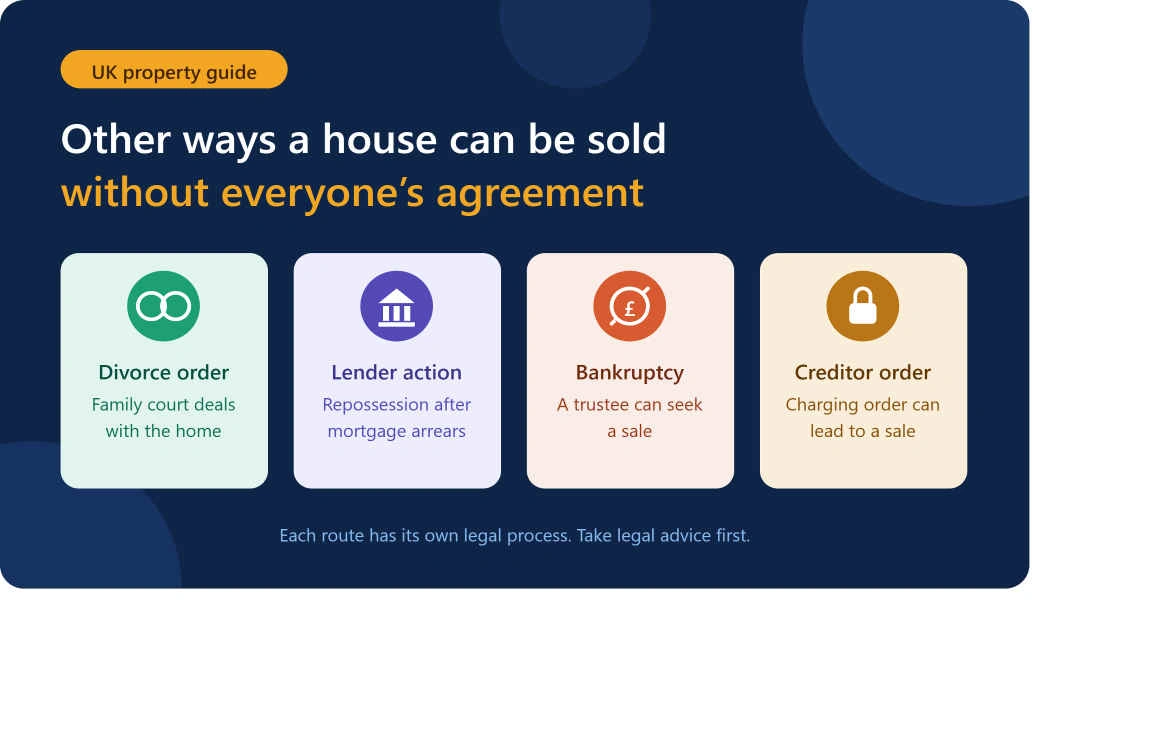
Other Ways a House Can Be Sold Without Everyone’s Agreement
- Divorce or dissolution: the family court can order a sale as part of a financial settlement.
- Creditors: a creditor with a charging order may apply for an order for sale.
- Bankruptcy: a trustee in bankruptcy can apply to sell a bankrupt owner’s share.
- Inherited property: beneficiaries or trustees can apply where an estate property cannot be agreed upon.
Frequently Asked Questions
How much does it cost to force the sale of a house in the UK?
The court fee to start a claim in the County Court is £387 from 13 July 2026. Total costs depend on legal fees and whether the case is contested, and can run from a few thousand pounds up to tens of thousands if it goes to trial.
Who pays the legal fees in a forced house sale?
Each side usually pays their own lawyers upfront. At the end, the court can order the losing side to pay some or all of the winner’s costs, or it can make no order at all.
Can I force my ex-partner to sell our house?
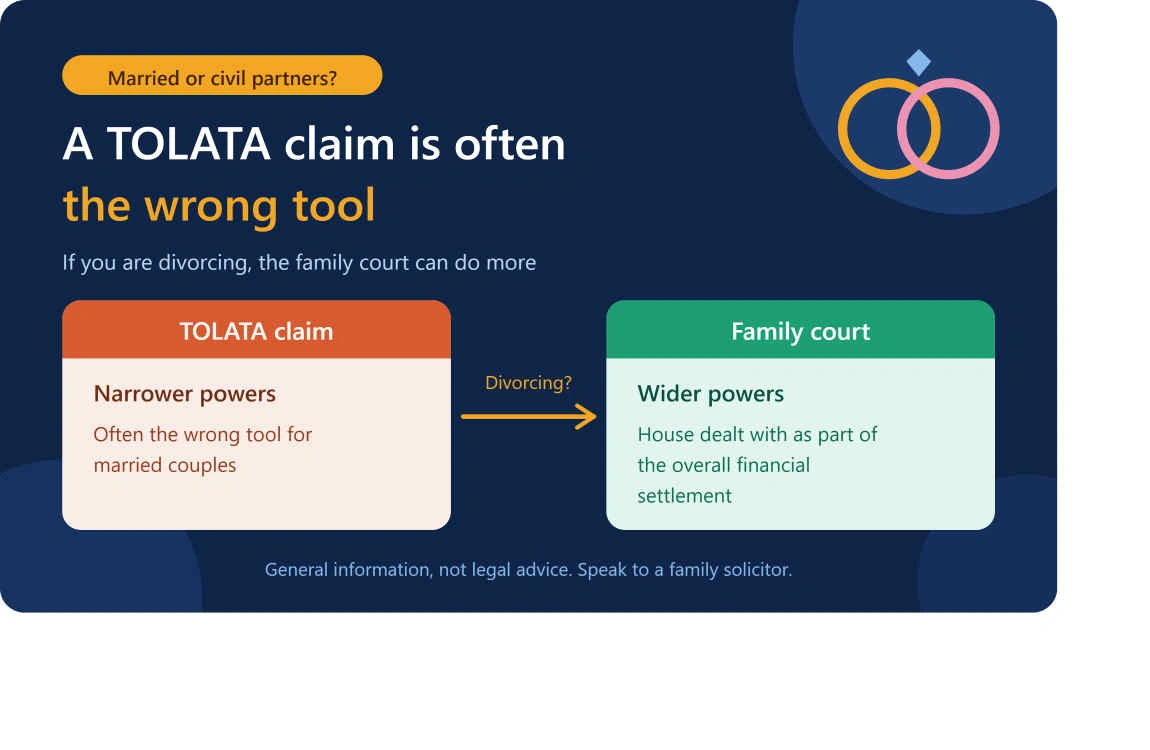
If you are both owners and cannot agree, you can ask the court for an order for sale. If you were married, the divorce process usually handles the house instead.
Can the court refuse to order a sale?
Yes. The court can refuse or postpone a sale, or attach conditions, for example where children live in the property.
Do I need a solicitor?
You are not legally required to have one, but property disputes are technical and the costs risk is real, so specialist advice is strongly recommended.
Final Thoughts
Forcing the sale of a house in the UK is possible, but it pays to treat court as the last resort. Start with a written request, try mediation, and get costs estimates in writing. If you do need to go to court, budget for the £387 issue fee, your legal fees, and the risk of paying costs if things go badly. Speak to a property litigation solicitor before you act.
