

Choosing a senior care home is never a small decision. For many families, it comes after weeks or months of worry, late-night conversations, and careful planning. You want safety, comfort, dignity, and a place that feels calm and caring. At the same time, you want your loved one to feel respected, settled, and still connected to the life they know.
A good transition is about more than packing bags. It is about understanding needs, planning finances, organizing health information, and preparing emotionally. It is also about ensuring the person moving feels included at every step. When done well, this process can create peace of mind for the whole family.
What Is Aashna House Residential Care Home?

Overview of Aashna House
Aashna House residential care home is designed for seniors who need a safe, supportive, and well-managed place to live. It is not simply a place to stay. It is meant to be a real home environment where older adults can receive care while still enjoying comfort, dignity, and a sense of belonging.
For many families in Lahore, the idea of senior living brings up a mix of emotions. There may be concern about independence, healthcare, routines, or loneliness. Aashna House Lahore aims to address those concerns through a more balanced lifestyle. The focus is on holistic care, which means caring for residents’ bodies, minds, and emotional well-being.
A good residential care home should feel structured but not rigid. It should provide sufficient support without leaving residents feeling helpless. That is why Aashna House residential care home is often seen as a helpful option for older adults who may need regular assistance but still want to live with dignity and routine.
The home may offer features such as:
- 24/7 staff support
- Nurse supervision
- Help with daily tasks
- Halal meals
- Social and cultural activities
- Safe rooms and shared spaces
- Family-friendly visiting arrangements
What makes a place like Aashna House especially meaningful is the blend of professional care and familiar warmth. In Lahore, family values matter deeply. A caring environment that respects culture, faith, food preferences, and social habits can make a huge difference in how a senior adjusts.
Aashna House vs. Typical Residential Care Homes
Below is a simple comparison to help you understand the difference in experience.
Feature Aashna House Standard Care Homes
Staff-to-resident ratio More personal support Often less individual attention
Meals Halal, customized, and resident-friendly More basic or less flexible
Activities Cultural and social engagement Limited or repetitive activities
Atmosphere Warm, homelike, and community-focused Often more clinical
Family involvement Encouraged and welcomed Sometimes limited
Care approach Holistic and dignity-centered Mostly task-based
This table is not meant to compare every care home in the same way. But it shows why families often look for a place that feels more personal and human.
Who Thrives at Aashna House?
Not every senior needs the same kind of care. Some older adults are fully independent. Others need help with meals, medication, mobility, or memory support. The good thing about a residential care home like Aashna House is that it may fit different needs, depending on the person.
Residents who often do well in this kind of setting include:
- Seniors who want companionship and less isolation
- Older adults who need light to moderate daily support
- People recovering from illness or surgery
- Seniors who may feel unsafe living alone
- Adults who need regular medication reminders
- Families who want a more structured care setting
- People who enjoy group activities and social routines
The best fit is usually someone who benefits from support but still wants a respectful, active, and comfortable life.
To understand this better, think of a senior who has become tired of living alone. They may still enjoy reading, praying, talking with family, and participating in small routines. Still, they struggle with meal preparation and remembering to take their medicines. In a place like Aashna House residential care home, that person may find not just care, but also company and stability.
Another example might be a parent who recently had a fall and now feels nervous moving around at home. A residential care setting can reduce that fear because trained staff are there to help. Over time, that extra support can rebuild confidence.
The main idea is simple: the right resident is someone who will benefit from care, routine, safety, and companionship without feeling disconnected from family life.
Step-by-Step Guide to Preparing for Move-InAssess Your Needs and Eligibility
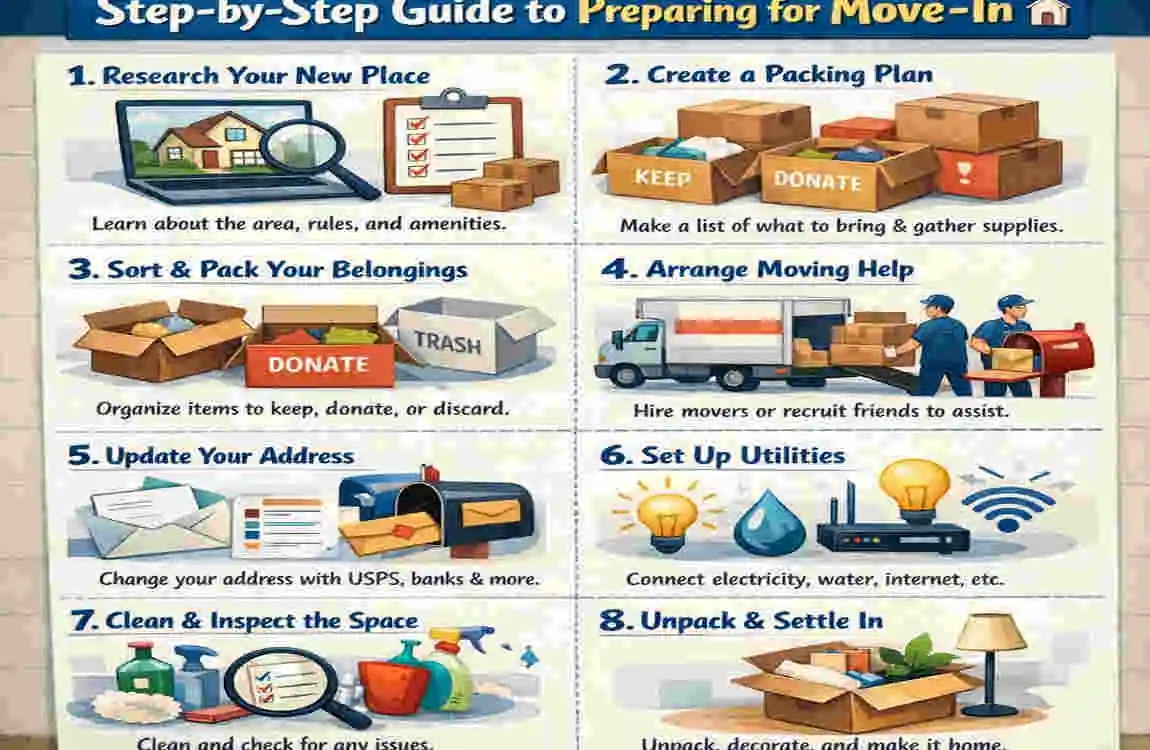
Before any move, take a careful look at the person’s real needs. This step is one of the most important parts of preparing Aashna House residential care home, because the better you understand the situation, the easier the transition will be.
Start by asking what kind of support is actually needed. Some people only need help with a few daily tasks. Others need more regular supervision. A simple family discussion can reveal a lot. Still, it is also wise to involve a doctor or elder care professional if possible.
You may want to ask these questions:
- Does your loved one need help with bathing, dressing, or meals?
- Are there mobility concerns, such as difficulty walking or climbing stairs?
- Is memory loss becoming a problem?
- Does the person need help taking medication on time?
- Are there any chronic illnesses that require monitoring?
- Would living alone feel unsafe or stressful?
- Does the person want more social interaction?
- Is the current home becoming too difficult to manage?
These questions help you match the person’s needs to the level of support offered by Aashna House Lahore.
It also helps to think about emotional readiness. Sometimes a senior may be physically able to live at home but still feel lonely, anxious, or tired of managing everything alone. In that case, a residential care home may offer relief and a better quality of life.
A practical way to prepare is to create a simple family summary sheet. Include:
- Medical conditions
- Current medicines
- Allergies
- Mobility concerns
- Favorite foods
- Sleep patterns
- Religious or cultural preferences
- Emergency contacts
This sheet can be shared with care staff during admission. It gives them a fuller picture of the resident’s needs and habits. That small step can make the first few days much smoother.
The more information you collect, the easier it becomes to make a confident decision. Good preparation reduces fear and helps everyone feel more settled.
Financial and Legal Preparation
Money can be one of the hardest parts of senior care planning. Families often feel stress before the move even begins because they are unsure what costs to expect and how to manage them over time.
That is why financial planning should begin early.
For a place like Aashna House residential care home, costs may depend on the level of support, room type, meal needs, and any extra services. Since fees can vary, it is always better to confirm the latest package directly with the home. Still, it helps to think in broad categories so you can plan.
Sample Monthly Cost Breakdown
CategoryEstimated Cost (PKR)
Accommodation 50,000–80,000
Meals and medication support 20,000
Activities and basic services Often included
Personal extras Varies
This is only a planning guide. The actual amount may be different depending on the resident’s needs and the chosen room or service level.
Families may use several sources to manage the cost:
- Retirement income or pension
- Family contributions
- Savings
- Support from relatives
- Zakat or charitable assistance, where appropriate
- Sale or rental of unused property, in some cases
It is also wise to think about legal matters early. These may include:
- A valid ID card or identification documents
- Medical records
- Pension or payment documents
- Emergency contact details
- Any legal papers related to decision-making
- A will or power of attorney, if needed
If the senior may not always be able to make decisions independently in the future, it is helpful to discuss who will handle medical or financial decisions. That conversation may feel uncomfortable, but it can prevent confusion later.
A simple checklist can help the family stay organized:
- Review monthly budget
- Confirm payment method
- Gather legal documents
- Keep copies of medical records
- Decide who is the main family contact
- Note emergency instructions
When these things are in place before move-in, the transition becomes much less stressful. Planning is not just practical — it is caring.
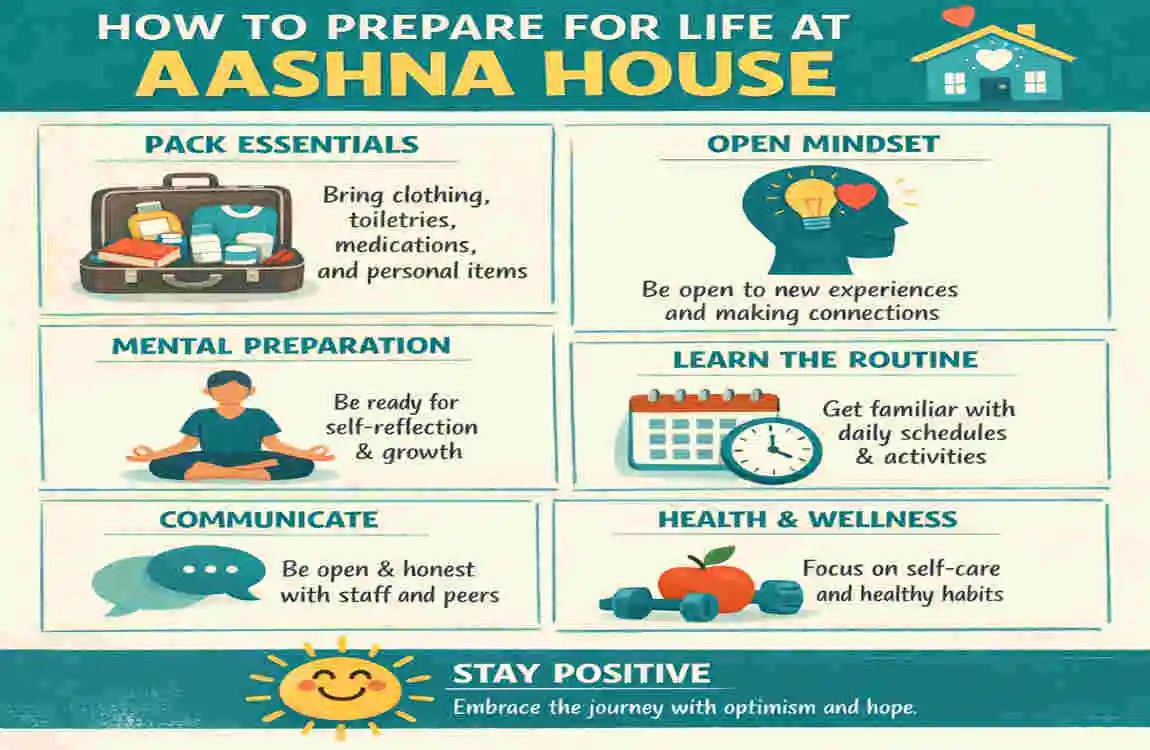
Packing Essentials for Aashna House Life
Packing for a move into a residential care home is different from packing for a holiday or short visit. You want comfort, familiarity, and simplicity. You do not want to overpack, but you also do not want the resident to feel like they left everything behind.
The best approach is to pack thoughtfully.
Start with clothing. Lahore’s weather can change through the year, so include clothes that work for both warm and cooler months. Modest, easy-to-wear items are often best. Choose clothes that are soft, breathable, and easy to put on and take off.
Packing List
- Everyday clothing
- Warm shawls or sweaters
- Comfortable slippers or walking shoes
- Sleepwear
- Undergarments
- A few favorite outfits
- Personal hygiene items
- Eyeglasses and hearing aids
- Medication in original packaging
- Medical reports and prescriptions
- Prayer items, if used regularly
- Family photos
- Small comfort items, such as a cushion or blanket
Try not to pack too many things at once. A small, familiar set of belongings can be more comforting than a room full of unused items.
You should also think about room setup. Even a simple space can feel warmer when it reflects the person’s life. A framed family photo, a favorite bedcover, or a prayer mat can help create a sense of home. These little touches matter more than people often realize.
A good question to ask is: What items will make this room feel safe and familiar? The answer is different for every person, but the goal is always the same — comfort.
If the resident enjoys reading, bring a few favorite books. If they love music, consider a device or playlist that brings them peace. If they like to write, a notebook may be useful. The idea is to carry over the parts of life that feel personal and familiar.
Health and Wellness Check-Up
Before move-in, it is very useful to arrange a full health review. This helps the care team understand the resident’s condition and gives the family a clearer starting point.
A pre-move check-up may include:
- General doctor consultation
- Medication review
- Blood pressure and sugar monitoring
- Mobility assessment
- Vision and hearing check
- Vaccination updates
- Review of any ongoing medical concerns
If the resident has long-term health issues, prepare a summary of symptoms, past treatment, and current care needs. This makes it easier for staff to respond properly from day one.
It is also useful to ask about daily habits that affect health. For example:
- What time does the person usually go to bed?
- Do they need tea at a certain time?
- Do they take medicines with food?
- Do they feel dizzy when standing?
- Are there foods they should avoid?
Aashna House residential care home may also offer on-site or nearby medical support, giving families more peace of mind. Still, the more complete the health record, the easier it is to provide safe care.
Health preparation is not only about illness. It is also about wellness. Seniors feel better when their sleep, meals, routine, and comfort are all taken seriously. That is why this step is so important.
Daily Life and Amenities at Aashna House Residential Care Home
A Day in the Life: Sample Schedule
One of the biggest worries families have before choosing a senior care home is this: What will everyday life actually look like?
That is a fair question. A senior should not feel bored, rushed, or lost in the routine. A good home creates a day that feels balanced, calm, and meaningful.
Here is a sample daily rhythm that may reflect life at Aashna House residential care home:
- Early morning: Wake-up, prayer, freshening up
- Breakfast time: Nutritious halal meal
- Morning care: Medication, grooming, and light health checks
- Late morning: Social time, reading, or gentle activity
- Lunch: Fresh meal in a peaceful setting
- Afternoon: Rest, family calls, or private time
- Evening: Tea, group activity, or prayer
- Dinner: Shared meal with support as needed
- Night: Settle in, lights out, and night care if required
This kind of rhythm matters because it creates stability. Many seniors feel calmer when their day is predictable. They know when meals are, when they can rest, and when they can connect with others.
Routine also helps staff notice changes more easily. If a resident is not eating well, sleeping poorly, or seeming less active than usual, trained caregivers can respond sooner.
At the same time, the schedule should not feel too strict. Good senior living at Aashna House should offer sufficient flexibility for individual comfort, personal habits, and diverse health needs.
Top Amenities for Comfortable Senior Living
The right amenities do more than make life convenient. They help residents feel respected, safe, and at ease.
At a place like Aashna House residential care home, the main goal is to support comfortable daily living while still feeling dignified. That usually means paying attention to both practical needs and emotional comfort.
Common amenities may include:
- Private or semi-private rooms
- Air conditioning for comfort in Lahore’s weather
- Clean bathrooms and safe floors
- Supportive beds and seating
- Staff assistance available when needed
- Balanced meals
- Common areas for conversation
- Garden or outdoor time
- Physiotherapy or movement support
- Prayer-friendly spaces
These features may seem basic at first, but for a senior, they matter deeply. A clean room, a safe bathroom, and a comfortable chair can make each day feel easier.
The phrase “Experience tailored amenities at Aashna House residential care home” means more than just having a list of facilities. It means the environment should respond to real human needs. Some residents need more warmth. Others need quiet. Some want company, while others want peaceful solitude. The best care settings can support all of these needs in different ways.
A good residential care home also prioritises privacy. Seniors should feel that they still have control over their personal space and routine. That sense of autonomy is important for emotional well-being.
Social and Recreational Programs
A healthy senior life is not only about medication and meals. It is also about joy, connection, and purpose.
That is why social and recreational programs matter so much. Aashna House Lahore may offer activities that help residents stay mentally active and emotionally connected. These programs can prevent boredom and reduce loneliness.
Possible activities may include:
- Group conversations
- Story-sharing sessions
- Cultural music evenings
- Qawwali nights
- Calligraphy or art
- Gardening
- Light exercise
- Reading circles
- Religious gatherings
- Family visit days
These activities are especially meaningful in Lahore, where community and culture play such a strong role in daily life. A familiar song, a shared prayer, or a small gardening session can lift the mood of the whole day.
The point is not to keep residents busy all the time. The point is to give them chances to enjoy life, make friends, and stay mentally engaged.
For many seniors, this is where a residential care home becomes more than a place of support. It becomes a place where they can still laugh, share stories, and feel part of something.
Food, Faith, and Familiar Comforts
Food is a major part of feeling at home. That is especially true in Pakistani families, where meals are tied closely to care and love.
At Aashna House residential care home, meals should feel thoughtful, not rushed. Seniors often have specific dietary needs, medication timing, or food preferences. A good care home takes that seriously.
Halal meals, familiar flavors, and clean preparation are important. So is the timing of meals. If someone is used to tea at a certain time or prefers lighter dinners, those routines can be respected.
Faith is also a central part of daily comfort for many residents. Prayer space, quiet time, and respectful scheduling can help seniors maintain spiritual habits that matter to them.
When food, faith, and comfort are handled well, the whole atmosphere becomes warmer and more reassuring.
Emotional and Family Preparation for Aashna House
Addressing Emotional Challenges
Moving into a care home can bring up strong emotions. Even when the move is clearly the right choice, it can still feel difficult. A senior may worry about losing independence. Family members may feel guilty, sad, or uncertain. These feelings are normal.
The best way to handle them is not to ignore them. Instead, talk about them openly and kindly.
You might hear thoughts like:
- “Will I be forgotten?”
- “Am I becoming a burden?”
- “Did we make the right decision?”
- “Will they adjust to the new place?”
- “Will family visits stop?”
These are real concerns. They deserve honest, compassionate answers.
One helpful approach is to focus on what the move is for, not just what it changes. The move is not a punishment. It is not a rejection. It is a step toward safer living, better support, and more peace of mind.
Families can also help by maintaining steady communication. Phone calls, video calls, and visits can reassure the resident that they remain deeply loved. Small routines, like regular Sunday visits or evening check-ins, can make a big difference.
If the resident struggles deeply with the change, it may help to involve a counselor, trusted family elder, or spiritual guide. Sometimes a calm, familiar voice can ease fear more than a long explanation.
A resident once described the move simply: “Aashna House feels like extended family.” That feeling does not happen by accident. It grows when the environment is caring, the family stays involved, and the transition is handled with patience.
Involving Family in the Transition
Family support is one of the strongest tools for a smooth transition. Even when a senior is moving into a care home, the family role does not end. In many ways, it becomes even more important.
Before move-in, try to involve family in practical and emotional ways. This may include:
- Helping pack clothes and personal items
- Choosing photos and comfort items
- Visiting the home together before move-in
- Asking questions during orientation
- Helping write down daily habits and health details
- Planning the first week’s visits in advance
- Keeping one family member as the main contact
This kind of involvement gives the resident confidence. It shows that the move is a shared decision, not something happening to them without their voice.
Ways Family Can Support the Transition
- Stay positive and calm during conversations
- Avoid making the move sound like abandonment
- Talk about the benefits, not only the losses
- Visit regularly, especially during the early days
- Ask staff how the resident is adjusting
- Celebrate small wins, like a good meal or a happy conversation
Family also helps with memory and identity. They can remind staff about favorite foods, daily routines, hobbies, and personal history. That information helps caregivers treat the resident as a whole person, not just a case file.
In a strong residential care setting, family and staff work together. That teamwork is one of the biggest reasons seniors adjust well.
Real Stories from Aashna House Residents

Success Stories
Every resident has a different story. Still, many journeys follow a similar pattern: worry at first, adjustment later, and then a stronger sense of comfort.
Ahmed Uncle’s Journey to Calm
Ahmed Uncle had been living alone after his health began to decline. His children were concerned because he often forgot meals and had become unsteady on his feet. At first, he resisted the idea of moving into a care home.
But after visiting Aashna House residential care home, he felt more relaxed. He liked the quiet atmosphere, the respectful staff, and the opportunity to pray on time without stress. Over time, he began eating better and talking more with others. His family noticed that he seemed less anxious and more at peace.
Mrs Farah’s New Routine
Mrs Farah had always been active, but after a health issue, her daily tasks became more difficult. Her family wanted her somewhere safe, but also somewhere warm and social. At Aashna House Lahore, she found a new routine that included rest, gentle movement, and conversation. She especially enjoyed having tea with other residents in the afternoon.
What changed most was her mood. She no longer felt alone in handling every problem herself.
A Family’s Relief
One family struggled for months to care for their elderly father at home. Everyone was trying, but the constant pressure left them exhausted. After moving him to Aashna House residential care home, they felt relief for the first time in a long while. More importantly, their father began enjoying regular meals, better supervision, and more social time.
These stories show an important truth: the right care setting can improve the lives of the resident and the family together.
Frequently Asked Questions
What makes Aashna House residential care home different in Lahore?
Aashna House residential care home stands out for combining professional care, cultural comfort, and a homelike environment. That combination is especially important in Lahore, where family values, food, faith, and dignity matter deeply.
How do we prepare for the move-in to Aashna House residential care home?
Start by assessing care needs, gathering medical and legal documents, planning the budget, packing essentials, and preparing emotionally. The smoother the preparation, the easier the adjustment.
What should we pack for a resident moving in?
Pack comfortable clothes, medicines, medical reports, personal hygiene items, prayer items, a few familiar belongings, and meaningful comfort objects, such as family photos or a favourite blanket.
How can we manage the cost?
Review monthly income, savings, family support, and any other resources in advance. Ask for a clear breakdown of fees before admission so there are no surprises later.
Can the family visit often?
Most families want regular contact, and that should be discussed during admission. Frequent visits, calls, and involvement in daily life can help the resident adjust more easily.
What if the resident feels emotional after moving?
That is very common. Stay patient, keep communication open, and give the resident time to settle. Reassurance and familiar routines can go a long way.
