
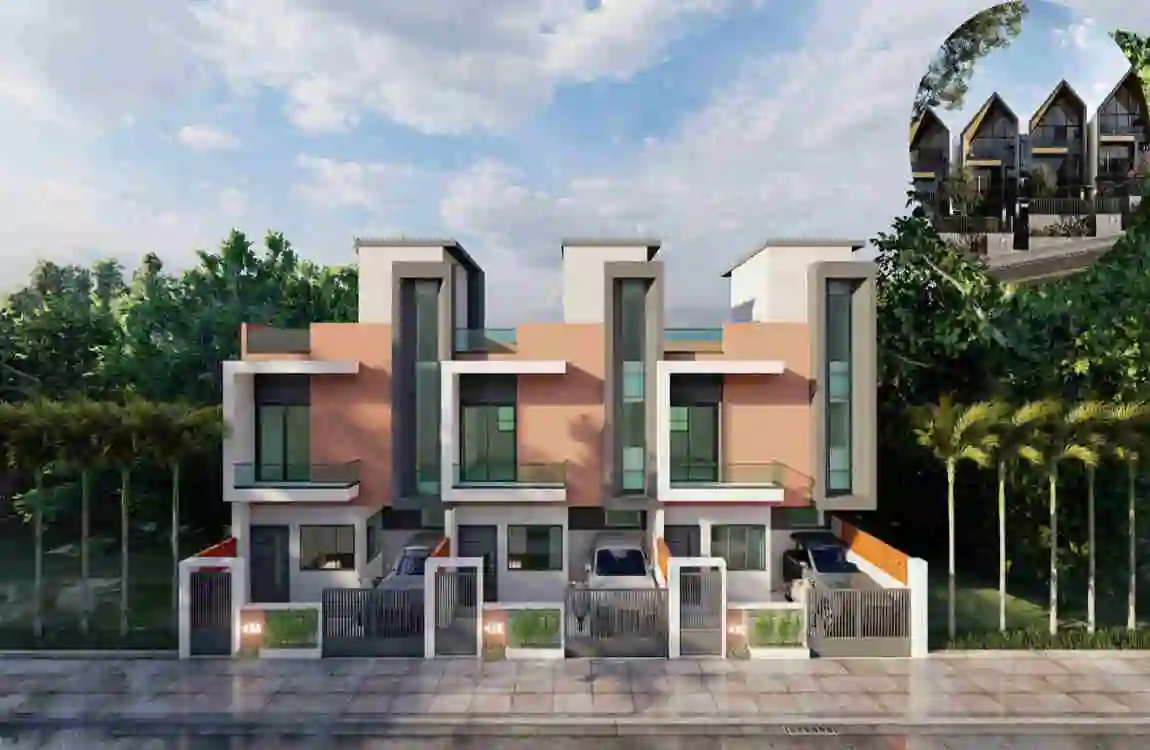
Modern cities are growing fast, and space is becoming harder to find. That’s where modern row homes come in as a smart solution. These homes are built in a continuous line, sharing side walls, which helps save space and reduce construction costs.
In simple words, modern row homes are narrow, multi-story houses designed to fit urban lifestyles. They are becoming more popular because they balance comfort, affordability, and smart land use.
As cities expand, people want homes that are practical but still stylish. That’s exactly what modern row homes offer—efficient living without losing comfort or design appeal.
Understanding the Concept of Modern Row Homes
To understand how these homes work, it helps to look at their background and structure.
Historical Background of Row Homes
Row homes first appeared in older European cities where land was limited. Builders started placing houses side by side to make better use of space. Over time, this idea spread to many countries and evolved into today’s modern designs.
Key Characteristics of Row Homes
Modern row homes usually share a few common features:
- Shared side walls with neighbouring homes
- Narrow front but deeper layout
- Two or more floors stacked vertically
These features make them perfect for dense urban areas.
Modern Adaptations
Today’s designs are much more advanced. Architects now include:
- Open floor plans for better movement
- Energy-saving and sustainable materials
- Smart home technology for convenience
This makes modern row homes more comfortable and future-ready.
Benefits of Modern Row Homes in Urban Living
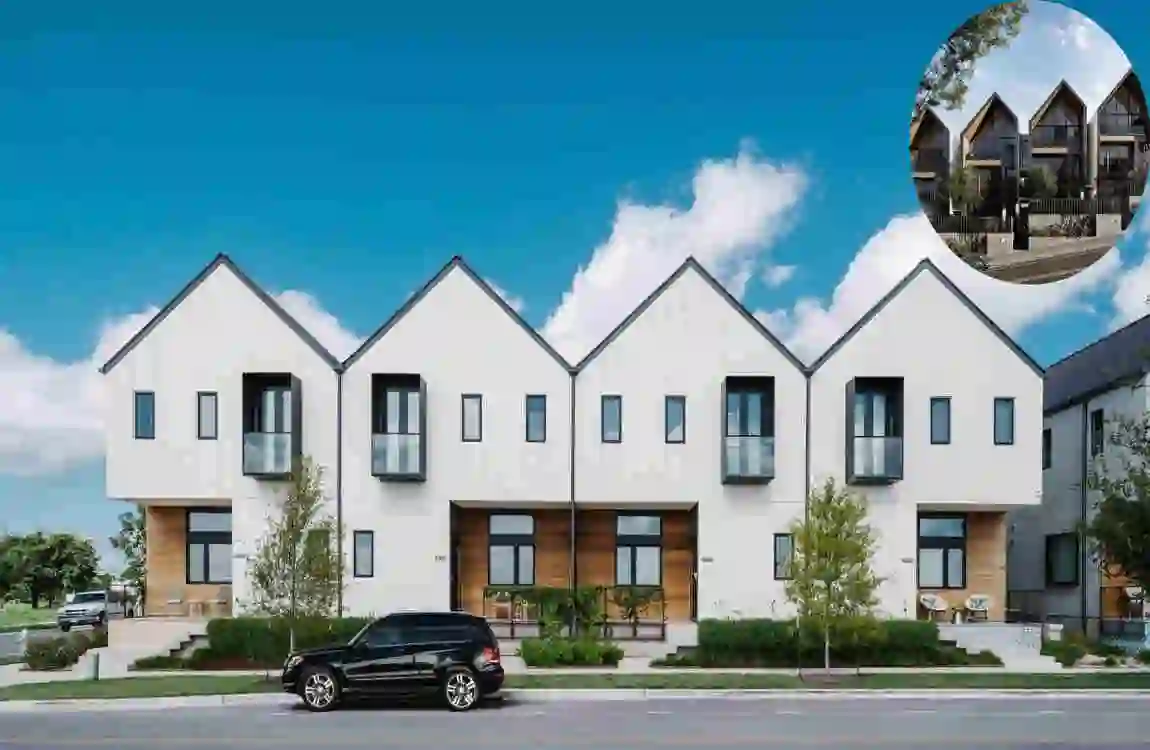
There are many reasons why people prefer this housing style in cities.
Efficient Use of Space
Since land is limited in cities, vertical construction is a big advantage. You can live comfortably in a smaller footprint without feeling cramped.
Cost-Effective Housing
Row homes are often more affordable because:
- Land is shared or used efficiently
- Construction costs are reduced
- Utilities can be optimised
Community Living
Living in a row of connected homes naturally builds a sense of community. Neighbours are close, and shared spaces encourage interaction.
Energy Efficiency
Shared walls help reduce heat loss, making homes easier to cool or heat. This leads to lower energy bills and better sustainability.
Key Design Principles for Modern Row Homes
Good design is what makes row homes comfortable and functional.
Maximising Natural Light
Since these homes are narrow, lighting is very important. Designers use:
- Large windows
- Skylights
- Open corridors
This helps bring sunlight deep into the home.
Smart Space Planning
Every corner matters in a row home. Smart ideas include:
- Multi-purpose rooms
- Built-in storage under stairs
- Foldable furniture
Vertical Living Optimisation
Space is used upward instead of outward. Common features include:
- Basements for storage or entertainment
- Rooftop terraces for relaxation
- Split-level layouts for better flow
Privacy vs. Connectivity Balance
Even though homes are connected, privacy is still important. Solutions include:
- Soundproof shared walls
- Smart window placement
- Private outdoor spaces
Sustainable Architecture
Modern row homes often include eco-friendly designs like:
- Solar panels
- Green roofs
- Recycled building materials
Interior Design Ideas for Modern Row Homes
Inside the home, design plays a big role in comfort.
Minimalist Interior Style
Less is more in small spaces. Clean lines and soft colours help make rooms feel bigger and calmer.
Open Concept Living
Many modern row homes combine:
- Kitchen
- Dining area
- Living room
This creates a smooth and open flow.
Smart Storage Solutions
Storage is key in narrow homes:
- Hidden cabinets
- Wall-mounted shelves
- Under-stair storage
Modern Lighting Techniques
Lighting adds depth and mood:
- LED ceiling lights
- Accent lighting for walls
- Natural light focus
Exterior Design Trends for Modern Row Homes
The outside design is just as important as the inside.
Contemporary Facade Designs
Modern row homes often use a mix of:
- Brick
- Wood
- Glass
This creates a clean and stylish look.
Uniform Yet Unique Fronts
Even though homes are connected, each one can still have a unique identity through colour, texture, or small design details.
Outdoor Urban Spaces
Even small outdoor areas matter:
- Compact gardens
- Balconies
- Rooftop sitting areas
Challenges in Designing Modern Row Homes
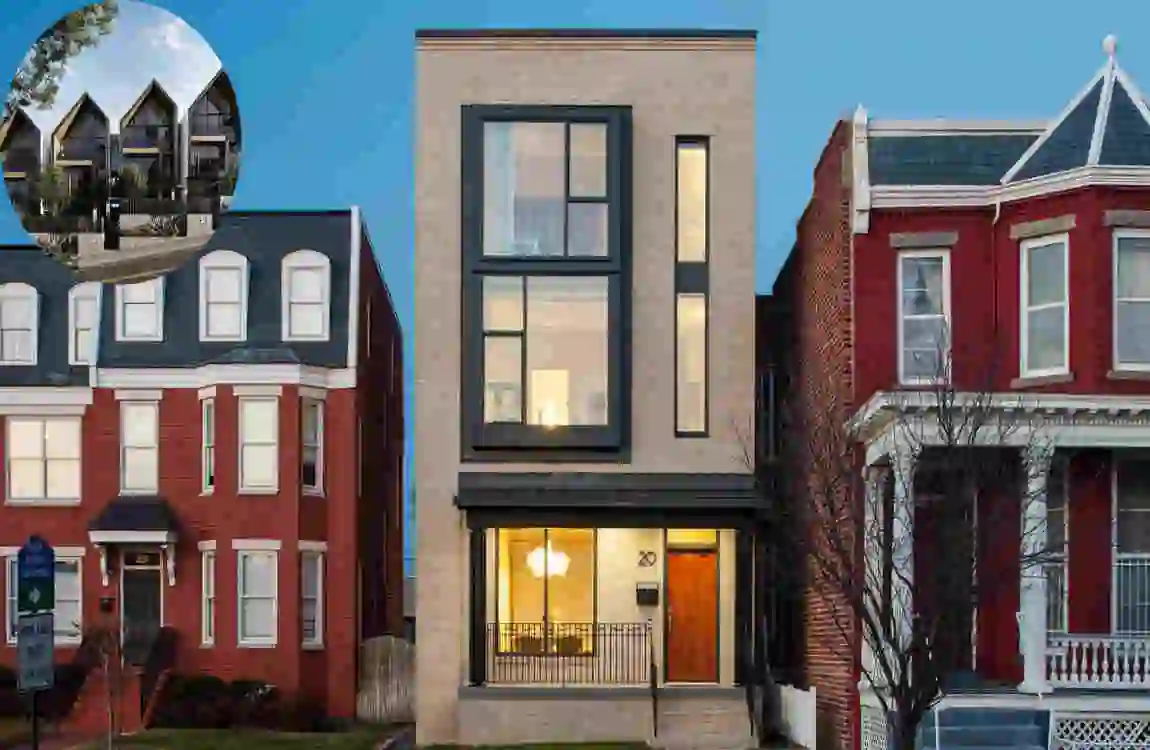
While these homes are practical, they also come with challenges.
Space Limitations
The narrow design can make layout planning difficult.
Privacy Concerns
Shared walls may lead to noise issues if not properly insulated.
Regulatory Restrictions
Urban building rules and zoning laws can limit design flexibility.
Future Trends in Modern Row Home Design
The future of modern row homes looks very innovative.
- Smart home automation systems
- Net-zero energy homes
- Modular construction methods
- AI-based interior planning
These trends will make homes smarter, greener, and more efficient.
FAQs About Modern Row Homes
What are modern row homes?
They are narrow, multi-story houses built in a continuous row sharing side walls.
Are modern row homes good for families?
Yes, they are practical and can be designed to suit small or large families.
How are row homes different from townhouses?
Row homes are often older, continuous structures, while townhouses are more modern and flexible in design.
Are modern row homes energy efficient?
Yes, shared walls reduce heat loss and improve energy savings.
| Design Element | Key Considerations | Urban Benefits |
|---|---|---|
| Space Optimization | Vertical layouts, multi-functional rooms, built-in storage | Maximizes limited footprint; reduces clutter |
| Natural Light | Large windows, skylights, light wells, open floor plans | Compensates for narrow lots; creates spacious feel |
| Indoor-Outdoor Flow | Rooftop terraces, small courtyards, fold-away doors | Adds private outdoor space in dense areas |
| Modern Materials | Exposed brick, concrete, steel, glass, sustainable finishes | Industrial chic aesthetic; durable for city life |
| Energy Efficiency | Solar panels, insulation, smart HVAC, energy-star appliances | Reduces utility costs; eco-friendly urban living |
| Privacy Solutions | Soundproofing, strategic window placement, privacy screens | Mitigates noise from neighbors/street |
| Flexible Ground Floor | Home office, retail space, or guest room options | Adapts to mixed-use urban zoning |
| Minimalist Design | Clean lines, neutral colors, uncluttered surfaces | Creates calm in busy urban environment |
