

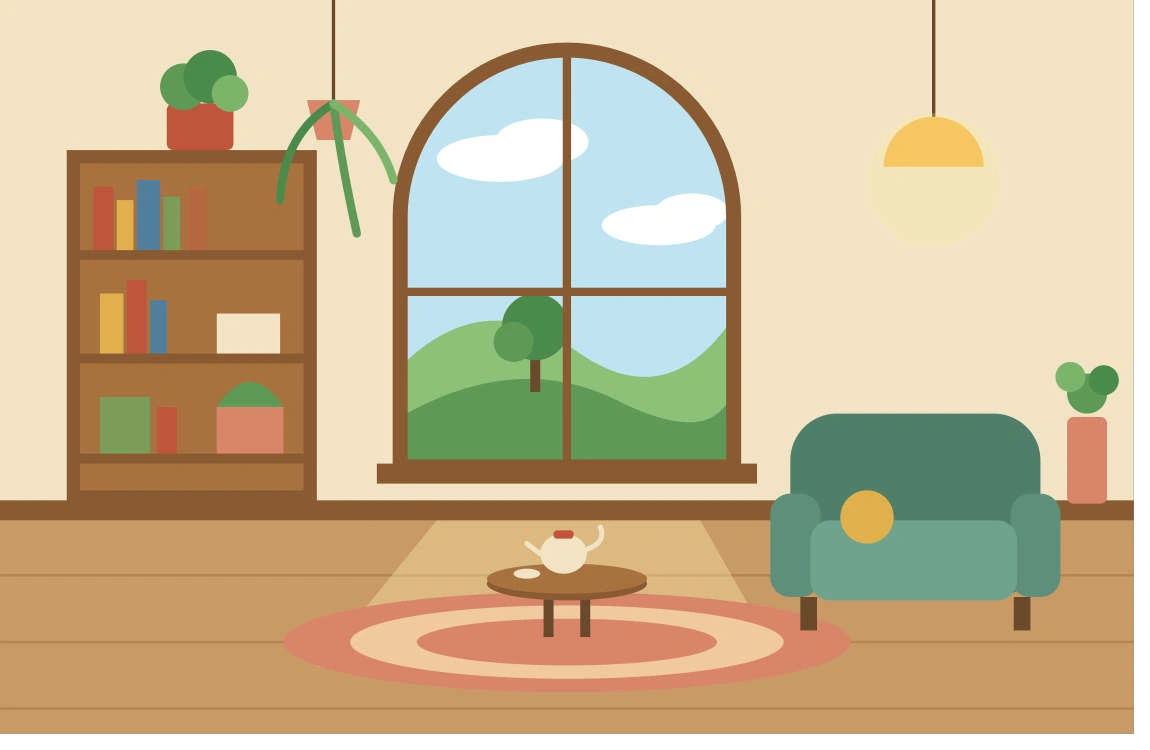
There is a reason so many people dream of a Studio Ghibli home. Think of the sunlit kitchens, overgrown gardens, creaky wooden porches and cluttered-but-comforting rooms from films like My Neighbor Totoro and Kiki’s Delivery Service. These spaces feel lived in, gentle and quietly magical, and they make everyday life look worth savoring.
The good news is that you do not need a countryside cottage or a film-sized budget to get the look. A Studio Ghibli-inspired home is built from a handful of simple ideas: natural materials, soft light, plenty of greenery and a few well-loved objects. In this guide, you will learn what defines the style, why it is trending, and exactly how to recreate it room by room.
What Is a Studio Ghibli-Inspired Home?
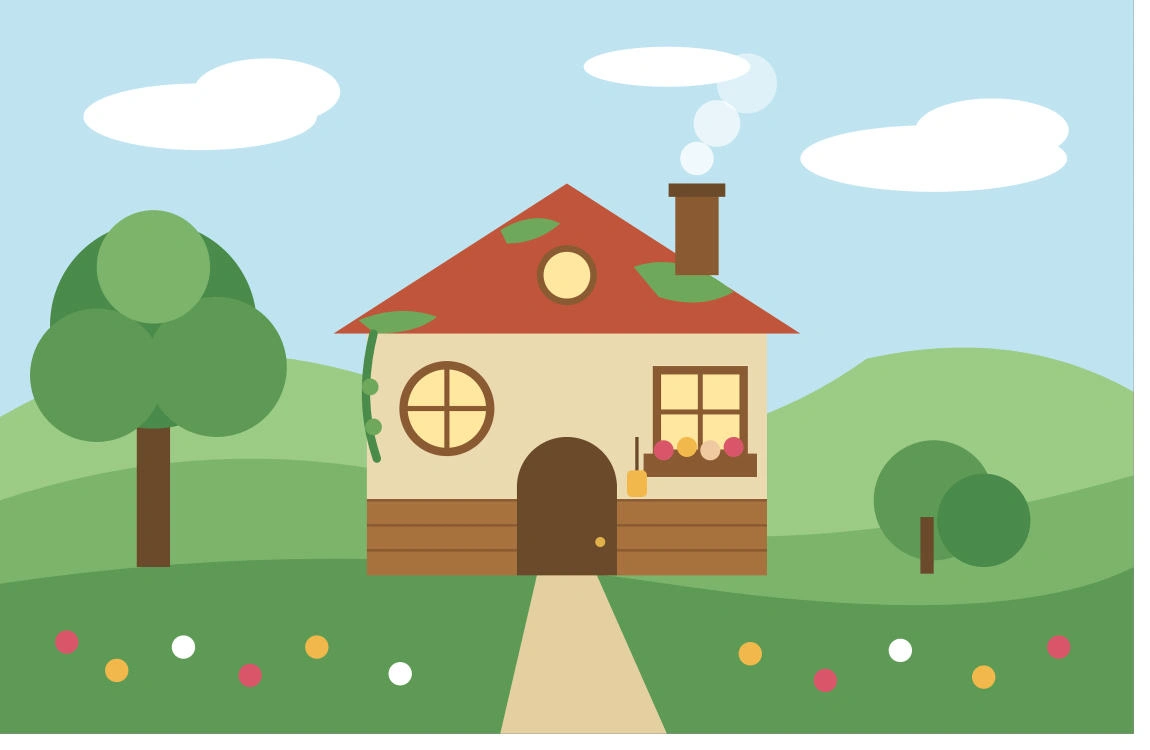
Studio Ghibli is the Japanese house animation studio founded in 1985 by directors Hayao Miyazaki and Isao Takahata and producer Toshio Suzuki, and it is celebrated worldwide for the artistry of its films, according to Encyclopaedia Britannica. Its best-known film, Spirited Away, won the Academy Award for best animated feature, and the studio even has its own Ghibli Museum in Mitaka, Japan.
So what does that look like at home? It is less about covering your walls in characters and more about recreating a feeling. Design site Yanko Design describes the goal as balancing the magical with the everyday and the natural with the handmade. In practice, that means warm, imperfect, personal rooms that feel connected to nature.
Why the Studio Ghibli Home Trend Is Everywhere Right Now
The look has moved well beyond fan communities. Trend-forecasting agency Nelly Rodi flagged Ghibli-inspired aesthetics as a growing interiors influence on social media, pointing to soft, dreamlike lighting and playful pieces such as jellyfish lamps and nightlights in its TikTok design trends report.
It also fits a larger shift toward slower, more comforting homes. After years of cold minimalism, many homeowners want spaces that feel emotional and personal, and that is exactly where this style shines.
Start With Natural Materials and a Warm Palette
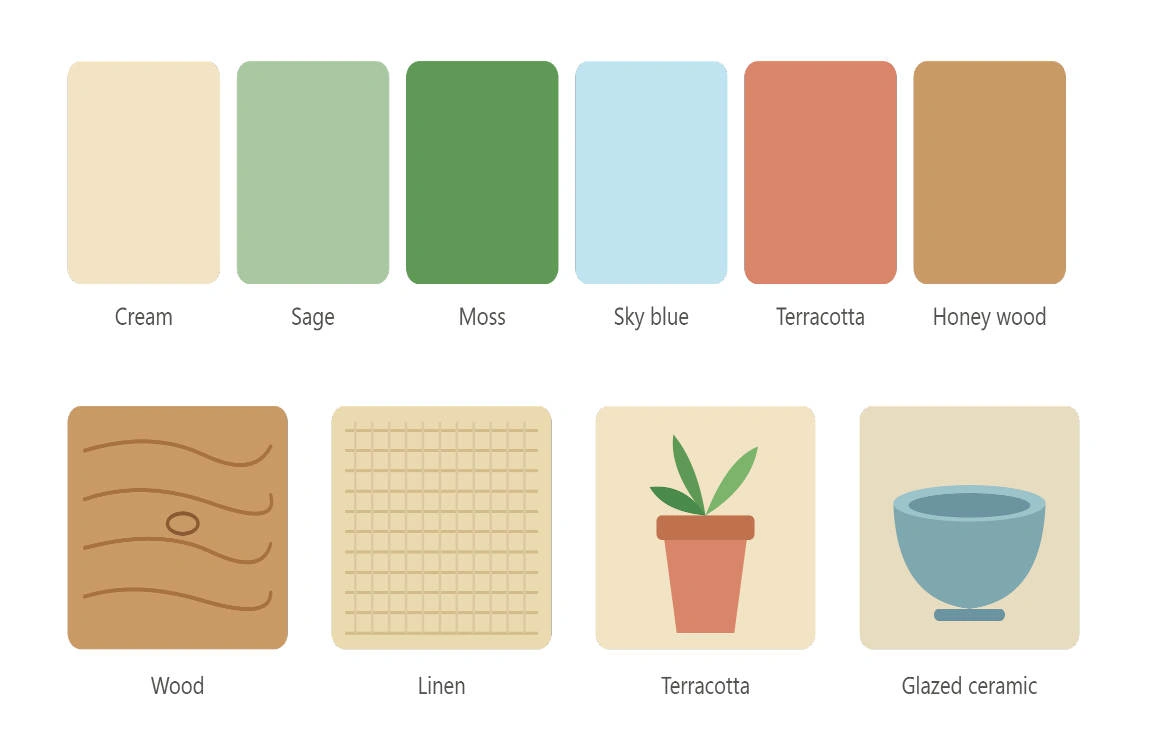
Ghibli interiors rarely feel shiny or sterile. They are full of aged timber, woven fibers, paper, clay and cotton. To get that effect, build your base layer with natural textures:
- Wood everywhere: exposed beams, a farmhouse table, a wooden bench or even simple wood shelves add instant warmth.
- Earthy colors: think moss green, soft cream, honey yellow, faded blue and terracotta rather than stark white.
- Texture layering: linen curtains, a wool throw, a jute or braided rug and patchwork cushions make a room feel collected over time.
If you are renting, focus on movable pieces such as rugs, textiles and furniture, so you can get the feel without changing the walls.
Bring the Outdoors In With Plants and Natural Light
Nature is the heart of every Ghibli world, so greenery is non-negotiable. Trailing pothos, ferns, herbs on the windowsill, a small fig tree or a vase of wildflowers all help. Yanko Home Design notes that plants are central to the studio’s films and suggests unusual ways to display them, such as hanging planters.
There is a wellbeing angle too. Researchers in the University of Cambridge’s architecture department describe biophilic design, the practice of integrating nature into built spaces, as a promising way to support mental wellbeing, particularly because people spend so much of their time indoors (University of Cambridge). A Cornell University study of home workspaces found that views of natural areas through windows were seen as the most effective feature for feeling connected to nature, although the researchers stress that the relationship is complex and needs more study (Cornell eCommons).
Quick tips:
- Keep window areas clear and use sheer curtains so daylight can pour in.
- Group plants at different heights to create a mini indoor garden.
- Choose plants that suit your light levels so they actually thrive.
Create a Cozy Reading Nook
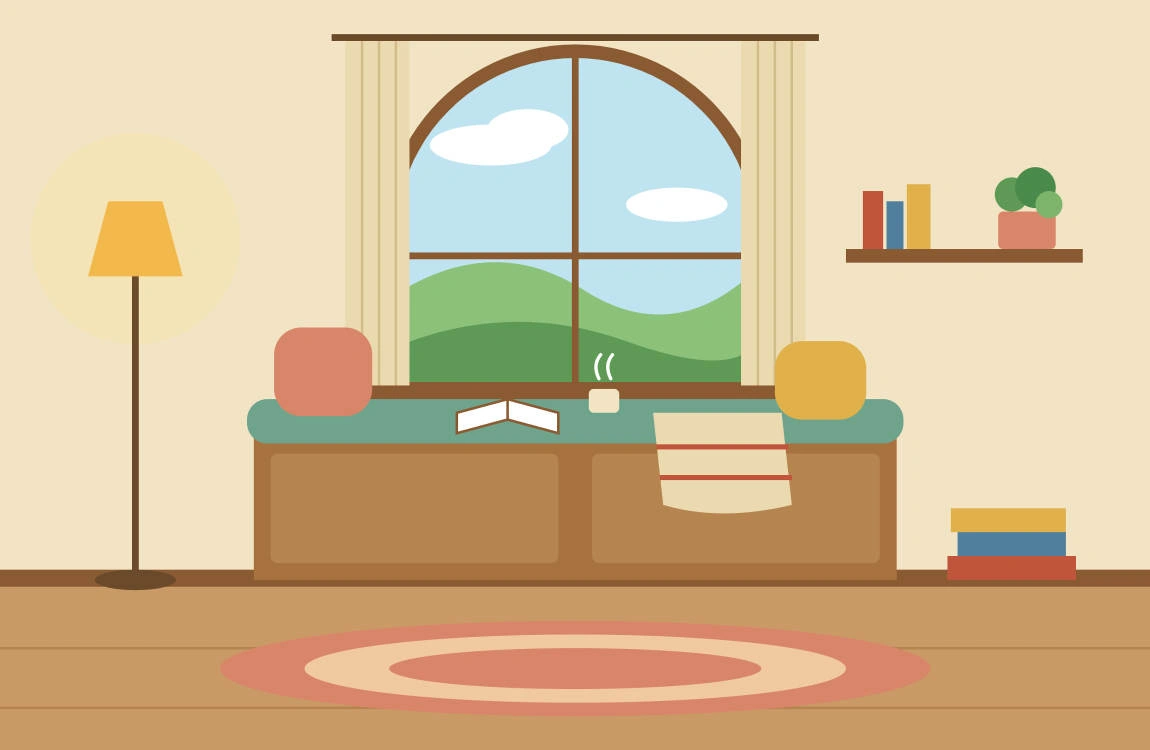
Quiet moments with a book, a cup of tea and a view are classic Ghibli. Pick a corner by a window, add a deep chair or window seat, then layer in cushions, a blanket and a small side table. Stack a few well-loved books nearby and keep a plant within reach.
Fans who want a subtle nod to the films can add a touch of character through small accessories like bookends, wall decals or a themed rug, as shown in Book Riot’s reading nook roundup. Keep these to a minimum so the nook still feels like your own, not a shop display.
Borrow the Japanese Veranda Feeling
Many Ghibli homes open onto a wooden porch where characters sit, eat and watch the weather. This is inspired by the traditional Japanese house engawa, a veranda-like strip that blends indoors and outdoors.
You can echo it with a simple bench by the back door, a balcony set with potted plants and a low table, or a doorway that opens straight to the garden. Even a small stoop with a cushion and a lantern can capture the mood.
Light the Space Like a Storybook
Lighting is the secret ingredient. Ghibli scenes glow with golden afternoon sun, lamplight and lanterns, never harsh overhead bulbs. Swap bright ceiling lights for layers of soft light:
- Paper lanterns: Yanko Design highlights lantern-style lighting inspired by traditional Japanese chochin lanterns for the gentle patterns it casts.
- Table and floor lamps: use warm-white bulbs to create pools of light.
- String lights: a hint of twinkle works well for evenings, in a bedroom or on a porch.
Choose warm bulbs and dim where possible. The effect should feel like dusk in the countryside.
Build a Kitchen That Feels Like the Heart of the Home
Food is a star in Ghibli films, and the kitchen is where a Studio Ghibli home really comes alive. Aim for a place that looks ready to cook and share.
- Use open shelving to show off mismatched ceramics, jars and teapots.
- Hang pans and utensils within sight, and keep a bowl of fresh fruit on the table.
- Add a wooden table with simple chairs, ideally near a window.
- Grow herbs on the sill for color and fragrance.
Embrace Beloved Clutter and Personal Details
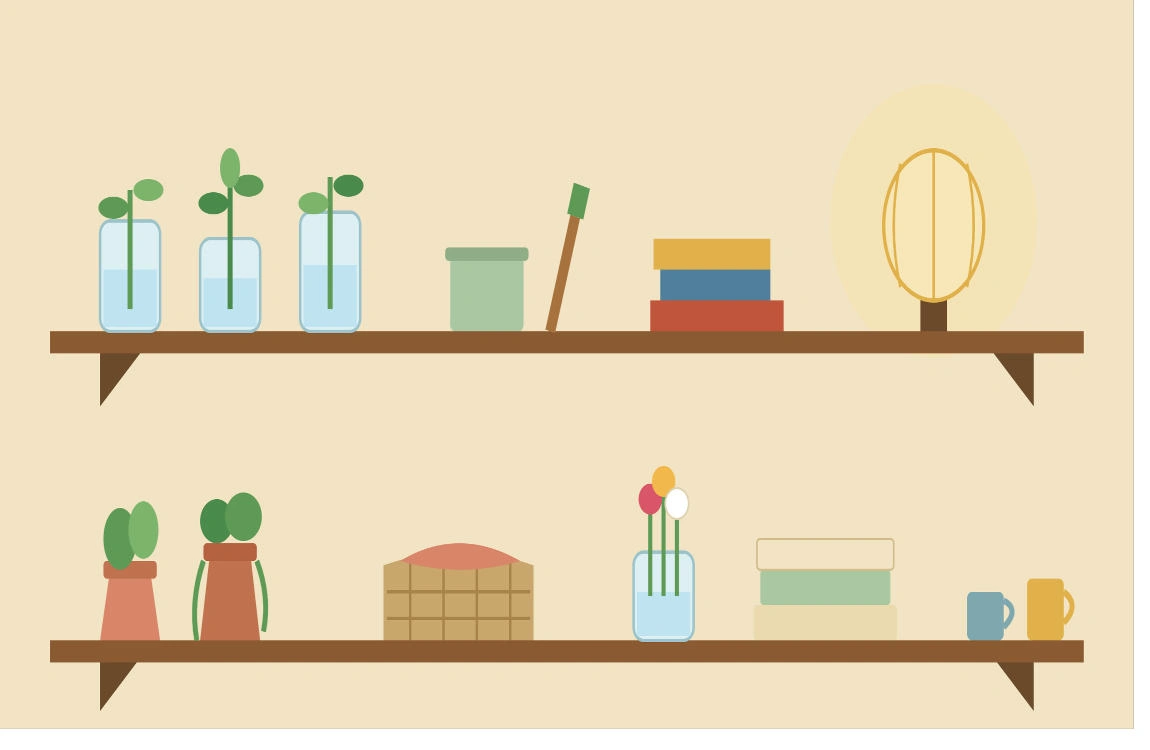
Perfectly styled rooms are not the goal here. Yanko Design points to the “beloved clutter” found in Ghibli interiors, where vintage and handmade pieces give a cozy home its personality. Display what you love:
- Hang framed art, pressed flowers or handwritten recipes.
- Shop flea markets and thrift stores for vintage clocks, mugs, lamps and quilts.
- Arrange small collections on shelves at different heights.
If you love the films themselves, a few subtle references such as a print, a mug or a mobile can work well. Mixing them with your own finds keeps the room personal rather than themed.
Budget-Friendly Ways to Get the Look
- Propagate cuttings from friends instead of buying large plants.
- Paint one wall in a soft sage or cream tone.
- Swap heavy drapes for linen or cotton panels.
- Thrift wooden furniture and refresh it with natural oil.
- Play a gentle soundtrack while you tidy, cook or read, because atmosphere is more than home decor.
Common Mistakes to Avoid
- Going too themed: a room full of character merchandise can feel like a store rather than a home.
- Too much plastic and gloss: natural, matte materials suit the look far better.
- Harsh luxury lighting: bright white bulbs flatten the cozy mood instantly.
- Overcrowding plants: match species to your light and space so they stay healthy.
Frequently Asked Questions About a Studio Ghibli Home
What colors define a Studio Ghibli home?
Soft greens, warm creams, sky blues, honey yellows and earthy browns. Choose muted, natural shades over stark white or neon tones.
Is a Studio Ghibli home the same as cottagecore?
They overlap heavily, since both celebrate nature, slow living and rustic charm. Ghibli style is broader and draws on Japanese influences such as the engawa and traditional lanterns, as well as European-inspired storybook settings.
Can I create a Studio Ghibli look in a small apartment?
Yes. Focus on plants, warm lighting, layered textiles and one cozy nook. Small touches add up quickly.
Do I need Ghibli merchandise to get the style?
Not at all. The strongest results come from natural materials, light and personal objects. Merchandise is simply an optional accent.
Final Thoughts
A Studio Ghibli home is really about slowing down and noticing the small, beautiful parts of daily life. Start with one change, such as a plant-filled windowsill, a warm lamp or a reading corner, then keep layering as you find pieces you love. Before long, your space will feel like a place where something wonderful could happen at any moment.
