

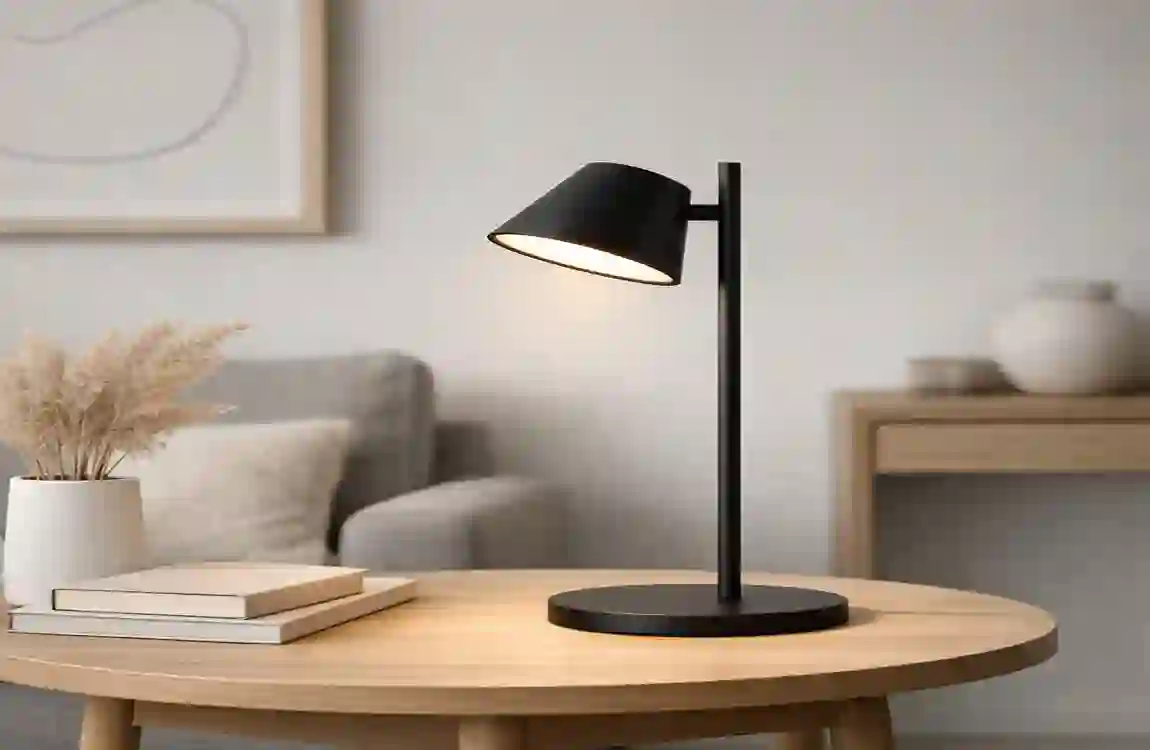
Did you know that the right lamp style can completely transform your living space and elevate your home’s ambiance in ways you never imagined? Lighting is far more than just a functional necessity—it’s a powerful design element that shapes how we experience our homes. Whether you’re settling into a new place or refreshing your current décor, choosing the perfect lamp can make all the difference.
The truth is, many homeowners overlook the importance of selecting lamps that complement their interior design. A poorly chosen lamp can clash with your furniture, creating visual discord. At the same time, the right one can tie your entire room together beautifully. This is where understanding the modern home decoration lamp matching styles guide becomes essential.
Why Modern Lamps Are Essential in Home Decoration
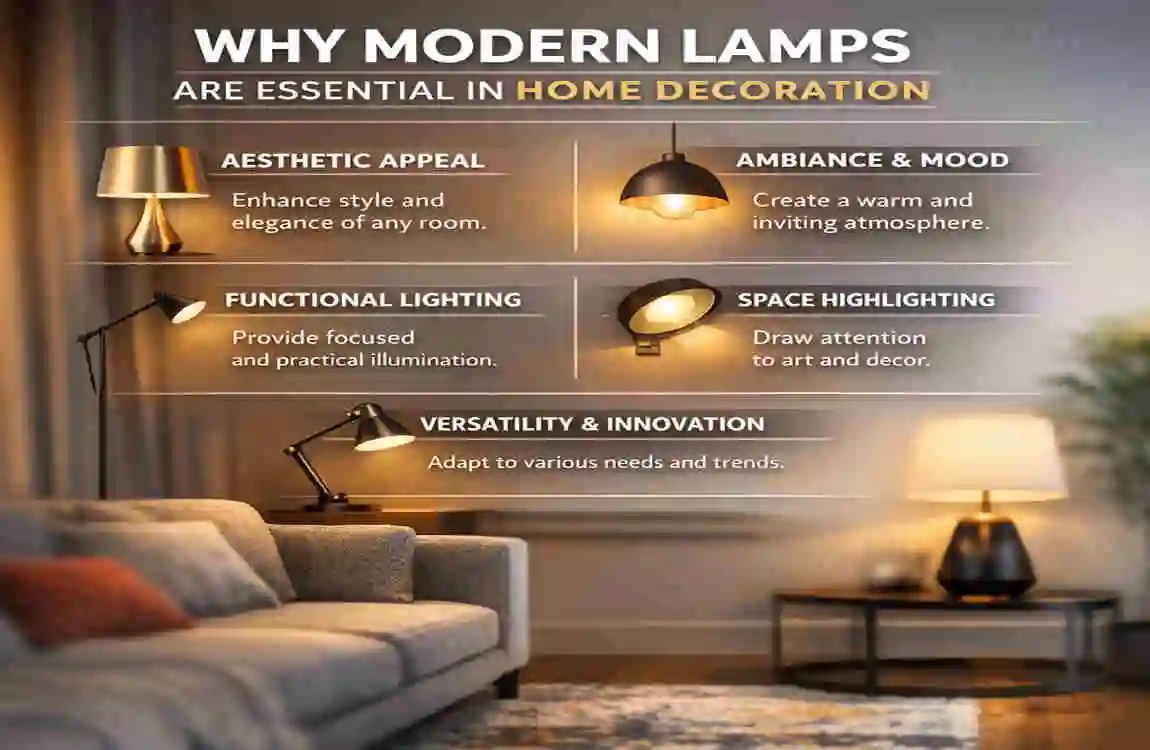
Lighting plays a crucial role in modern home decor, often going unappreciated. Beyond simply brightening a room, lamps contribute significantly to the overall mood, functionality, and visual appeal of your space. Let’s explore why modern lamps deserve a prominent place in your decorating strategy.
Lighting shapes atmosphere and emotion. The right lamp can make a room feel cozy and inviting or bright and energizing, depending on your needs. Warm lighting in a bedroom promotes relaxation, while cool lighting in a home office enhances focus and productivity. This emotional connection between lighting and ambiance is why designers consider lamps fundamental to interior design.
Functionality meets style. Modern lamps serve dual purposes—they provide necessary illumination while acting as decorative focal points. A well-designed lamp can anchor a room’s aesthetic, drawing the eye and establishing the design theme. Whether it’s a minimalist floor lamp or an ornate table lamp, your lighting choices communicate your personal style to visitors.
Lamps enhance spatial perception. Strategic lamp placement can make rooms appear larger, cozier, or more sophisticated. Layered lighting created by combining different lamp types helps define spaces within open-concept homes. This is why understanding the modern home decoration lamp matching styles guide is vital for anyone serious about interior design.
Energy efficiency and technology. Today’s modern lamps incorporate smart technology and energy-efficient LED bulbs that weren’t available just a few years ago. These innovations allow you to customize your lighting while reducing energy consumption, making modern lamps both environmentally responsible and cost-effective in the long run.
Key Considerations for Choosing the Right Lamp
Before diving into specific styles, you need to understand the fundamental factors that influence lamp selection. These considerations form the foundation of making smart lighting choices that work for your unique space and lifestyle.
Size and Scale
One of the most common mistakes homeowners make is choosing lamps that don’t match their room’s proportions. A tiny lamp in a spacious living room will look lost and inadequate, while an oversized lamp in a small bedroom can overwhelm the space.
Measure your room dimensions before shopping for lamps. For floor lamps, aim for heights between 58 and 64 inches to ensure proper illumination without blocking sightlines. Table lamps should be roughly one-third the height of the furniture they’re placed on. If you’re using a lamp on a console table behind a sofa, the lamp’s top should align with the back of the sofa to maintain visual balance.
Consider the lamp’s base diameter as well. A lamp with a narrow base looks precarious on a large side table. In contrast, one with a substantial base provides visual stability and balance. The scale of your lamp should harmonize with your furniture pieces and room layout.
Material and Finish
The materials and finishes you choose significantly impact how your lamp complements your décor. Modern lamps come in an impressive array of materials, each offering distinct aesthetic and functional qualities.
Brass and gold finishes have become incredibly popular in contemporary design. They add warmth and sophistication to spaces while working with both traditional and modern décor. Brass materials age beautifully, developing a patina that enhances their character over time.
Ceramic and porcelain bases offer versatility and visual interest. These materials can feature solid colors, patterns, or textures that coordinate with your room’s color palette. Ceramic lamps work particularly well in eclectic and bohemian spaces.
Wood materials bring natural warmth and organic appeal to any room. Whether you prefer light oak, dark walnut, or bamboo, wooden lamp bases connect your space to nature while maintaining a modern sensibility. Wood pairs beautifully with fabric shades for a soft, inviting look.
Metal finishes like chrome, matte black, and brushed nickel suit contemporary and industrial styles. These materials are durable, easy to clean, and provide a sleek, modern appearance. Metal lamps often feature geometric designs that appeal to minimalist design enthusiasts.
Glass bases create elegance and transparency, allowing you to see through to your wall color or décor behind the lamp. Glass works wonderfully in modern, Scandinavian, and contemporary spaces where clean lines and visual clarity are valued.
Lighting Type
Understanding the different types of lighting is essential for creating a well-lit, functional space. Each type serves specific purposes and contributes differently to your room’s overall ambiance.
Ambient lighting provides general illumination throughout a room. Ceiling fixtures, chandeliers, and large floor lamps typically provide ambient lighting. This foundational layer ensures your space is safely and adequately lit for basic activities.
Task lighting focuses illumination on specific areas where you perform detailed work. Desk lamps, reading lamps, and pendant lights over kitchen islands serve as task lighting. These lamps should be bright enough to prevent eye strain without creating harsh shadows.
Accent lighting highlights specific design elements or creates visual interest. Picture lights, decorative table lamps, and uplighting serve accent purposes. Accent lighting adds depth and dimension to your space, drawing attention to artwork, architectural features, or decorative objects.
Most well-designed rooms combine all three lighting types. A bedroom might feature overhead ambient lighting, a task lamp for reading in bed, and accent lighting that highlights a piece of artwork. This layered approach offers flexibility, allowing you to adjust lighting based on your activities and mood.
Room-Specific Tips
Different rooms have different lighting needs, and your lamp choices should reflect these functional requirements while maintaining aesthetic consistency.
Living rooms benefit from a combination of floor and table lamps that create a warm, welcoming ambiance. Choose lamps with dimmer-compatible bulbs to adjust lighting for movie nights or entertaining. A statement floor lamp can serve as a focal point. In contrast, smaller table lamps on side tables provide supplementary illumination and balance.
Bedrooms require softer, more intimate lighting. Bedside table lamps should provide enough light for reading without being so bright that they disturb sleep. Consider lamps with fabric shades that gently diffuse light. Warm color temperatures (2700K) promote relaxation and better sleep quality.
Home offices need bright, focused task lighting to reduce eye strain and improve productivity. A desk lamp with adjustable brightness and direction helps you control light exactly where you need it. Avoid lamps that cast glare on your computer screen, as this can cause fatigue and discomfort.
Kitchens typically require bright, functional lighting. Pendant lights over islands or counters provide task lighting for meal preparation. Choose lamps with finishes that coordinate with your kitchen hardware—stainless steel, chrome, or brushed nickel work well in modern kitchens.
Best Modern Lamp Styles for Different Home Décor Themes
Now that you understand the foundational considerations, let’s explore how different lamp styles complement various home décor themes. Each style brings its own character and aesthetic to your space, so finding the right match for your interior design is crucial.
Minimalist Style
Minimalist design celebrates simplicity, clean lines, and the principle that less is more. Lamps in minimalist spaces should reflect these values through understated elegance and functional beauty.
Minimalist lamps feature sleek designs with minimal ornamentation. Think simple cylindrical bases, geometric shapes, and neutral color palettes dominated by whites, grays, and blacks. These lamps prioritize function over decoration, with no unnecessary embellishments or visual clutter.
A simple white or black floor lamp with a cylindrical fabric shade embodies minimalist principles perfectly. The lamp’s clean lines don’t compete with other room elements; instead, they provide subtle illumination and visual calm. Table lamps in minimalist spaces often feature monochromatic designs or single-material construction—perhaps a brushed metal base with a matching metal shade.
Pendant lights with geometric designs work beautifully in minimalist kitchens and dining areas. A single pendant with a simple dome shade or a series of three identical pendants creates visual interest without compromising the minimalist aesthetic. The key is choosing designs that feel intentional rather than decorative.
Scandinavian Style
Scandinavian design emphasizes functionality, natural materials, and a connection to nature. Lamps in Scandinavian spaces should feel warm, approachable, and unpretentious while maintaining modern sensibility.
Scandinavian lamps often feature soft tones and natural materials. Wood is a primary material, featured in lamp bases that showcase its natural grain and texture. Fabric shades in cream, light gray, or soft white diffuse light gently, creating the cozy atmosphere for which Scandinavian design is known.
A wooden tripod floor lamp with a linen shade perfectly captures Scandinavian style. The natural wood legs provide warmth and organic appeal. At the same time, the soft fabric shade creates gentle, diffused lighting ideal for living spaces. The design feels both modern and timeless, fitting seamlessly into Scandinavian interiors.
Table lamps in Scandinavian spaces often feature ceramic bases in muted colors with simple fabric shades. The combination of natural materials creates a cohesive look that feels grounded and authentic. Scandinavian design rejects excessive ornamentation, so choose lamps with clean lines and honest construction.
Industrial Style
Industrial design draws inspiration from factories, warehouses, and urban spaces. Lamps in industrial settings embrace raw materials, exposed elements, and a slightly edgy aesthetic that celebrates functional design.
Industrial lamps feature raw, edgy designs using metal and exposed bulbs. Think iron, steel, and Edison-style bulbs that showcase the light source itself. These lamps often have an unfinished quality that emphasizes their utilitarian origins while maintaining contemporary appeal.
A statement floor lamp made from iron pipes with an exposed Edison bulb exemplifies industrial style. The visible bulb adds warmth and character, while the metal construction provides durability and visual weight. These lamps often feature adjustable arms or heads, reflecting their origins as functional workshop lighting.
Pendant lights with metal shades and visible bulbs work wonderfully in industrial kitchens and dining areas. Choose finishes like matte black or weathered brass for authentic industrial character. The combination of metal and exposed elements creates visual interest and reinforces the industrial aesthetic.
Mid-Century Modern Style
Mid-century modern design celebrates the optimism and innovation of the 1950s and 1960s. Lamps in mid-century modern spaces feature retro-inspired designs with bold, clean lines and distinctive silhouettes.
Mid-century modern lamps showcase iconic designs that have become timeless classics. Arched floor lamps with marble or wood bases, tripod lamps with tapered legs, and sculptural table lamps all represent this beloved style. These designs balance form and function beautifully, with each element serving a purpose while contributing to the overall aesthetic.
The iconic arched floor lamp with a marble base perfectly represents mid-century modern style. The sweeping arc of the lamp creates visual drama, while the marble base provides stability and elegance. These lamps work beautifully in living rooms, serving as statement pieces that anchor the space’s design.
Tripod lamps with tapered wooden legs and fabric shades embody mid-century modern principles. The geometric simplicity of the three-legged design feels both retro and contemporary, making these lamps versatile additions to mid-century modern spaces. Choose warm wood tones and neutral fabric shades to enhance the nostalgic appeal.
Boho-Chic Style
Boho-chic design celebrates eclecticism, artistic expression, and global influences. Lamps in boho spaces should feel creative, colorful, and unapologetically artistic while maintaining livability and comfort.
Boho-chic lamps embrace color, pattern, and unexpected materials. Beaded chandeliers, rattan table lamps, macramé-wrapped bases, and colorful ceramic lamps all fit beautifully in boho spaces. These lamps prioritize personality and artistic expression over strict design rules.
A rattan table lamp with a colorful fabric shade captures the boho-chic spirit perfectly. The natural rattan base provides organic texture, while the patterned or brightly colored shade adds personality and visual interest. These lamps feel handcrafted and unique, reflecting boho-chic’s celebration of individuality.
Beaded chandeliers or pendant lights with fringe details bring bohemian elegance to dining areas and entryways. The movement and texture created by beads and fringe add visual interest and a playful quality. Pair these statement pieces with more neutral furniture to let the lamp’s personality shine.
Contemporary Style
Contemporary design represents current design trends and innovative approaches to modern living. Lamps in contemporary spaces feature cutting-edge designs, unexpected materials, and often incorporate smart technology.
Contemporary lamps push boundaries with innovative shapes, bold colors, and integration of technology. LED strip lighting, smart lamps with app controls, and sculptural designs that challenge traditional lamp forms all represent contemporary style. These lamps often make bold statements while remaining functional.
A sleek smart lamp with app-controlled brightness and color temperature represents contemporary design at its finest. These lamps combine technology with aesthetic appeal, allowing you to customize your lighting while maintaining a modern appearance. Many contemporary lamps feature minimalist forms that let technology take center stage.
Sculptural table lamps with unusual shapes or bold colors add artistic flair to contemporary spaces. These lamps serve as both lighting and art, creating visual interest and conversation starters. Choose designs that feel authentic to your personal style while pushing the boundaries of conventional lamp design.
How to Match Lamps with Furniture and Décor
Selecting the right lamp style is only half the battle. Successfully integrating your lamp into your existing décor requires thoughtful consideration of color, shape, proportion, and overall design harmony. Let’s explore practical strategies for creating cohesive, well-designed spaces.
Color Coordination
Color harmony between your lamp and existing décor creates visual unity throughout your space. This doesn’t mean everything must match exactly—instead, think about creating complementary or coordinated color schemes that feel intentional rather than accidental.
Consider your room’s dominant colors first. If your furniture features warm neutral tones like beige and cream, a lamp with a similar warm finish will feel harmonious. A brass or gold-finished lamp complements warm neutrals beautifully, while a cool-toned chrome lamp might feel disconnected.
Think about accent colors in your space as well. If your room features pops of navy blue or forest green in pillows and artwork, consider a lamp that subtly echoes these colors. A lamp base in deep blue or a shade in forest green can tie your room’s color scheme together while adding visual interest.
Neutral lamp bases provide maximum flexibility. White, black, gray, natural wood, and metallic finishes work with virtually any color scheme. These neutral options allow you to change your room’s colors and accessories without replacing your lamps, making them practical long-term investments.
Shape and Proportion
Lamp shapes should complement your furniture’s design language. If your furniture features curved, organic lines—like a rounded sofa or arched chairs—choose lamps with curved or flowing designs. Conversely, if your furniture emphasizes angular, geometric lines, select lamps with clean, straight-lined designs.
A mid-century modern room with tapered furniture legs pairs beautifully with a tripod lamp that echoes these proportions. The visual repetition of the three-legged design creates harmony. It makes the lamp feel like an intentional part of the overall design scheme rather than an afterthought.
Proportion matters tremendously. A delicate, thin-legged lamp looks out of place next to substantial, chunky furniture. Similarly, an oversized statement lamp overwhelms a room filled with petite, refined furniture pieces. Aim for visual balance where your lamp’s presence feels appropriate for your space’s scale and furniture size.
Layering Lighting
Creating a well-lit, visually interesting space requires combining different lamp types and styles. This layering approach provides flexibility while creating depth and dimension in your room.
Start with ambient lighting, such as an overhead fixture or a large floor lamp that illuminates the entire room. This foundational layer ensures adequate general lighting for safety and basic activities.
Add task lighting where needed—bedside reading lamps, desk lamps for home offices, or pendant lights over kitchen islands. Task lighting should be bright enough to prevent eye strain without creating harsh shadows or glare.
Incorporate accent lighting with decorative lamps that highlight specific areas or create visual interest. A small table lamp on a console table or a decorative pendant in an entryway adds personality while contributing to the overall lighting scheme.
When layering lighting, maintain stylistic consistency across your lamps. This doesn’t mean every lamp must be identical, but they should feel like they belong together. Coordinating finishes—perhaps all brass, all matte black, or a mix of complementary materials—creates cohesion even when lamp styles vary.
Practical Tips: Do’s and Don’ts
DO consider your room’s architectural style when selecting lamps. Victorian homes work beautifully with ornate lamps, while contemporary homes suit sleek, minimalist designs.
DON’T mix too many different lamp styles in one room. Aim for a cohesive aesthetic, even when combining different lamp types. Two or three coordinating styles work better than five completely different designs.
DO test your lamp in your space before committing to a purchase. Lighting can look very different in a showroom compared to your home. If possible, borrow a lamp or purchase from a retailer with a generous return policy.
DON’T forget about bulb color temperature. Warm bulbs (2700K) create a cozy ambiance, while cool bulbs (5000K) feel energizing and bright. Match your bulb temperature to your room’s intended mood and function.
DO consider scale and proportion carefully. A lamp that looks perfect in a showroom might feel out of place in your specific space. Measure your furniture and the dimensions of your room to ensure proper proportions.
DON’T overlook the importance of shade quality. A cheap, poorly-made shade can ruin a beautiful lamp base. Invest in quality shades that diffuse light evenly and complement your lamp base.
Modern Lamp Trends to Watch
As we move through 2026, exciting trends are shaping how we think about home lighting. Understanding these emerging trends can help you make forward-thinking choices that keep your space feeling current and sophisticated.
Smart lighting technology continues evolving. Lamps with app controls, voice activation, and color-changing capabilities are becoming increasingly sophisticated and affordable. These lamps offer unprecedented customization, allowing you to adjust brightness, color temperature, and even color throughout the day to match your activities and moods.
Sustainable and eco-friendly materials are gaining prominence. Designers are creating lamps from recycled materials, sustainable wood sources, and innovative, eco-friendly alternatives. This trend reflects growing environmental consciousness and the desire to make responsible choices without sacrificing style.
Multi-functional lamps are becoming essential. Designers are creating lamps that double as storage, charging stations, or air purifiers. These innovative designs appeal to people living in smaller spaces who need furniture that serves multiple purposes.
Vintage and upcycled lamp designs continue trending as people seek unique, one-of-a-kind pieces. Lamps made from reclaimed materials or reimagined vintage designs bring character and history to modern spaces while promoting sustainability.
Warm, inviting finishes like brushed gold, rose gold, and warm brass are replacing cool metallics in many contemporary spaces. This shift reflects a broader design movement toward warmth, comfort, and human-centered design.
Sculptural and artistic lamp designs are gaining recognition as functional art. Lamps that challenge traditional forms and push design boundaries appeal to homeowners seeking statement pieces that express their personality and design sensibility.
Maintenance and Care Tips for Modern Lamps
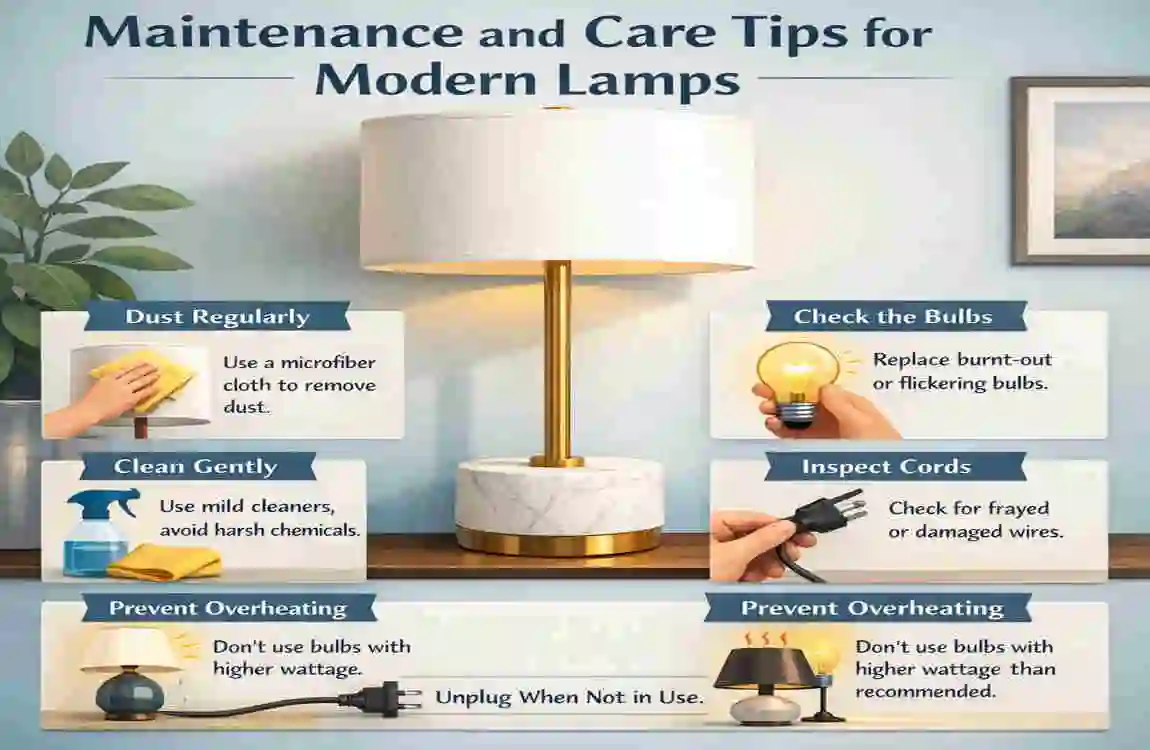
Proper maintenance ensures your lamps remain beautiful and functional for years to come. Different materials require specific care approaches to prevent damage and preserve their appearance.
Glass bases should be cleaned regularly with a soft, lint-free cloth and glass cleaner. Avoid abrasive materials that scratch the surface. For stubborn spots, use a mixture of equal parts white vinegar and water.
Metal finishes benefit from regular dusting with a soft cloth. For brass or gold finishes that develop patina, some people prefer the aged look. To maintain shine, use a specialized brass cleaner according to the product instructions.
Fabric shades require gentle care. Vacuum regularly with an upholstery attachment to remove dust. For stains, use a fabric cleaner appropriate for your shade’s material. Avoid excessive moisture, which can damage the shade’s structure or cause mildew.
Wooden bases should be dusted regularly and occasionally treated with furniture polish to maintain their finish. Avoid placing lamps in direct sunlight for extended periods, as this can fade or bleach the wood.
LED bulbs require minimal maintenance but benefit from occasional dusting. These bulbs last significantly longer than traditional incandescent bulbs, reducing replacement frequency and long-term costs.
Energy efficiency is maintained by using appropriate LED bulbs and ensuring your lamp’s electrical components remain clean and dust-free. Dust buildup can reduce efficiency and create fire hazards, so regular cleaning is important for both performance and safety.
Frequently Asked Questions (FAQ)
Q: How do I choose the right lamp for my space?
A: Start by considering your room’s size, existing décor style, and functional lighting needs. Measure your furniture and the dimensions of your room to ensure proper proportions. Consider whether you need ambient, task, or accent lighting, and choose a lamp that complements your existing color palette and design aesthetic. Think about materials and finishes that coordinate with your furniture and architectural style.
Q: What are some budget-friendly modern lamp options?
A: Look for minimalist designs, which often cost less than ornate or sculptural lamps. Shop during seasonal sales and clearance events for significant discounts. Many retailers offer simple, stylish lamps at reasonable prices. Consider DIY options, such as updating vintage lamp bases with new shades. Focus on quality construction rather than brand names to get the best value.
Q: Are LED lamps better for modern home décor?
A: Yes, LED lamps offer numerous advantages for modern homes. They’re energy-efficient, reducing electricity costs and environmental impact. LED bulbs last significantly longer than incandescent bulbs, reducing replacement frequency. They’re available in various color temperatures to create different moods. Many contemporary lamps feature LED technology, and the bulbs work beautifully in all lamp styles from minimalist to boho-chic.
Q: How do I match lamps with other lighting fixtures in my home?
A: Focus on complementary materials, finishes, and color tones across your lighting fixtures. If your ceiling fixtures feature brushed nickel, choose table and floor lamps with similar finishes. Coordinate color temperatures so your lighting feels cohesive throughout your home. Consider your overall design aesthetic and ensure all lighting fixtures contribute to this unified vision.
Q: Can I use different lamp styles in the same room?
A: Yes, you can combine different lamp styles if they share design elements or finishes that create visual cohesion. For example, mixing minimalist and mid-century modern lamps works if they share similar color palettes and materials. Avoid combining too many drastically different styles, as this creates visual chaos. Aim for complementary rather than contrasting designs.
| Room / Use | Best Lamp Types | Style Tips | Bulb & Light Notes |
|---|---|---|---|
| Living room (ambient) | Floor lamps, large table lamps, arc lamps | Choose clean lines or sculptural forms; match metal finishes to other hardware | Warm white (2700–3000K), dimmable for mood |
| Reading / task area | Adjustable table lamps, swing-arm wall lamps | Focus on function—eye-level light, minimal glare; pair with a small side table | Bright but soft (3000–3500K), LED with high CRI |
| Bedroom (bedside) | Small table lamps, wall-mounted sconces | Soft textures (fabric/ceramic shades), balanced scale with nightstand | Warm light (2700K), use bulbs under 800 lumens |
| Home office | Desk lamps, adjustable arm lamps | Modern minimalist or industrial; keep clutter-free base | Cool to neutral (3500–4000K) for focus, flicker-free LEDs |
| Entry / hallway | Console table lamps, wall sconces | Statement lamp or matching pairs, coordinate with mirror/console | Warm white (2700–3000K); consider motion sensor lights |
| Dining area (accent) | Pendant lamp over table, cluster pendants | Center the pendant over the table; choose a low profile for sightlines | Dimmer-compatible LEDs, 2700–3000K for cozy meals |
| Outdoor porch | Weather-rated lanterns, wall sconces | Match exterior finish to door hardware; choose simple shapes | Warm, sealed fixtures; LED for energy efficiency |
