

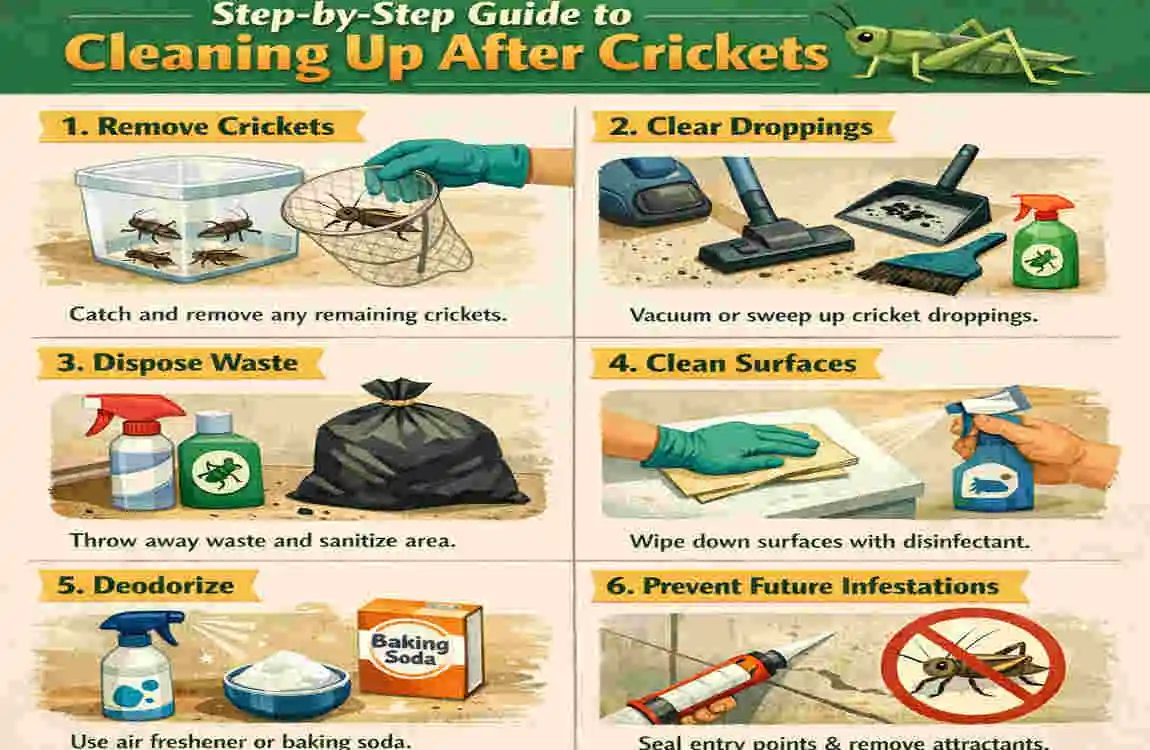
Crickets are often uninvited little guests that can turn your quiet evenings into a symphony of chirping. While these nocturnal creatures are harmless for the most part, they can create quite a nuisance in your home. Did you know that 1 in 5 households experiences cricket invasions annually? This statistic is even more relevant in regions like, where warm, humid conditions during the monsoon season attract these pests.
Understanding Why Crickets Invade Your House (And Why Cleaning Matters)
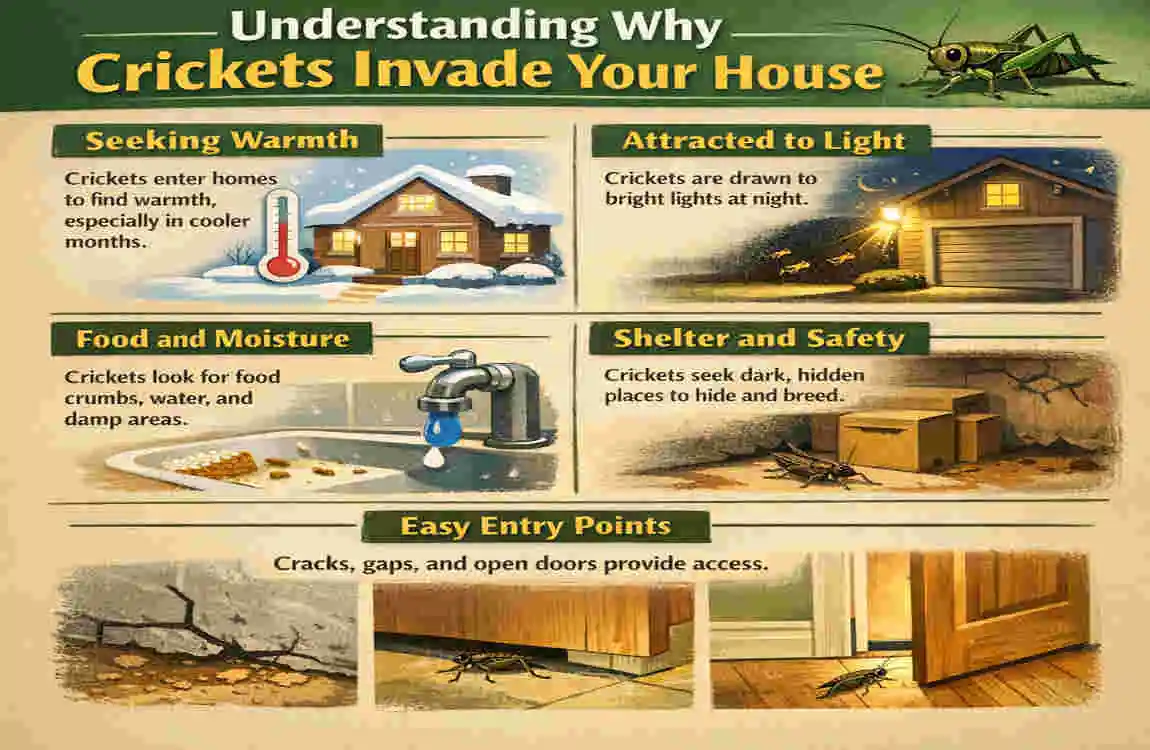
Why Do Crickets Come Inside?
Crickets don’t enter your home without reason. Here are some common causes:
- Warmth and Moisture: Crickets thrive in warm, humid environments. Spaces like basements, bathrooms, and kitchens can often attract them, especially during cooler months.
- Food Sources: Crickets feed on organic debris, food scraps, and even fabric. If your home isn’t entirely clean or you have crumbs lying around, it’s like an open invitation to these pests.
- Easy Entry Points: Crickets are small and can easily sneak in through gaps in windows, doors, or poorly sealed entry points. During monsoon seasons, they often seek shelter indoors to escape the rain.
Why Is Cleaning After Crickets Important?
A cricket infestation isn’t just about the noise—they can cause real damage and hygiene risks:
- Health Risks: Cricket droppings, also known as frass, can trigger allergies and harbor bacteria. Immediate cleanup is necessary to prevent these health hazards.
- Attracting More Crickets: Crickets release pheromones that can attract others to your home. Cleaning thoroughly removes these invisible signals.
- Fabric Damage: These pests are known to nibble on fabrics, paper, and even wallpaper glue.
Pro Tip: Before you start cleaning, inspect your home for these three signs of cricket activity:
- Chirping sounds (most prominent at night).
- Small black droppings resembling coffee grounds.
- Egg sacs are in dark and hidden spots.
Preparation Before You Start Cleaning
Before diving into cleanup, preparation is key. Taking the right precautions ensures safety and efficiency.
Supplies Checklist
Here’s a handy table to help you prepare everything you need for cricket cleanup:
Item Purpose: Why Essential
Gloves (nitrile) Protect hands. Avoid allergens and contact irritants
Vacuum with HEPA filter Suck up droppings/eggs , prevents re-infestation
Enzyme cleaner breaks down organic waste , neutralizes cricket poop odor
Bleach solution (1:10) Disinfect surfaces Kills bacteria from frass
Trash bags (heavy-duty) , Seal waste, Stops pheromone spread
Safety Protocols
- Ventilate the Area: Open windows to let in fresh air while cleaning.
- Wear Protective Gear: Use gloves and a face mask to avoid direct contact with droppings or inhaling allergens.
- Keep Pets and Children Away: Ensure the area is off-limits to avoid accidental exposure.
Step-by-Step Guide: Cleaning Tips in Action
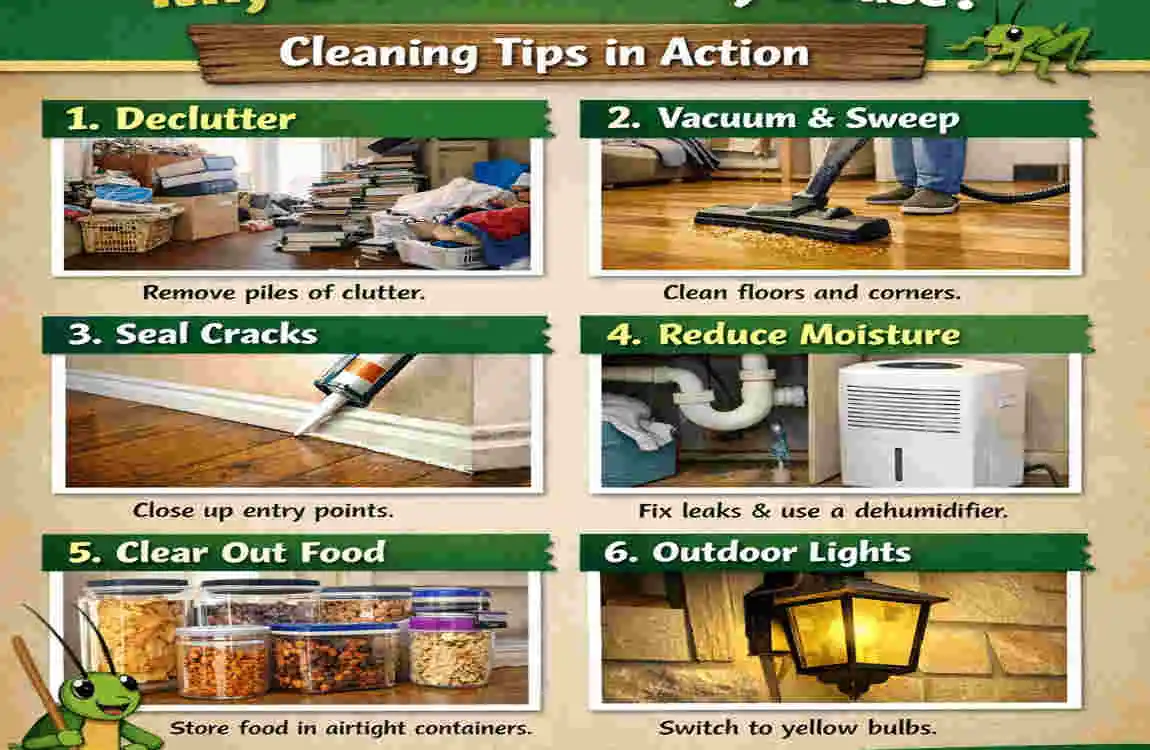
Follow these steps to safely and thoroughly clean up after crickets.
Locate and Remove Live Crickets
- Silent Hunting: Crickets are active at night, so use a flashlight to locate them in dark corners.
- Humane Traps: Place a jar filled with soapy water in areas where crickets are common. Once they jump in, the soap traps them.
- Vacuuming: If you spot live crickets, use a vacuum to remove them, then dispose of the vacuum bag outdoors.
Clean Up Cricket Droppings and debris
- Identify the Droppings: Cricket frass looks like tiny black pellets. Pay attention to corners and hidden spaces.
- Vacuum First: Use a HEPA-filtered vacuum to remove droppings. Empty the vacuum bag in an outdoor trash bin.
- Surface Cleaning: Spray an enzyme cleaner on affected areas and let it sit for 10 minutes to break down organic waste.
- Hard Floors: Mop the floors with a bleach solution (1 part bleach to 10 parts water) for thorough disinfection.
- DIY Odor Removal: Sprinkle baking soda on carpets to absorb any lingering odors.
Tackle Eggs and Hiding Spots
- Inspect Cracks and Crevices: Look for cricket eggs in baseboards, behind furniture, and near windows.
- Steam Cleaning: Use a steam cleaner for fabrics and upholstery to kill any eggs.
- Diatomaceous Earth: Apply this natural, non-toxic powder in cracks, corners, and voids to prevent future infestations.
Disinfect and Sanitize Your Space
- Multi-Surface Cleaning: Use a disinfectant spray to wipe down countertops, shelves, and other surfaces.
- Laundry Protocol: Wash any contaminated fabrics (e.g., curtains, rugs) in hot water.
- Air Purification: Consider using an air purifier to remove allergens and improve indoor air quality.
Final Inspection and Waste Disposal
- Double-Check for Crickets: Use a flashlight to inspect all areas one last time.
- Dispose of Waste Properly: Seal all waste in heavy-duty trash bags. If local regulations allow, burning or burying the waste can prevent attracting more pests.
Common Mistakes in Cricket Cleanup (And How to Avoid Them)
Even with the best intentions, mistakes can happen. Avoid these common pitfalls:
- Ignoring Eggs: Overlooking cricket eggs can lead to re-infestation within two weeks.
- Fix: Inspect cracks and thoroughly steam-clean fabrics.
- Using Harsh Chemicals Indoors: Strong pesticides can harm your health and pets.
- Fix: Stick to natural or eco-friendly cleaning solutions.
- Improper Waste Disposal: Leaving waste bags open can attract more crickets or other pests.
- Fix: Always seal and dispose of waste responsibly.
Prevention Tips: Keep Crickets Out After Cleanup
Preventing crickets from returning is just as important as cleaning. Here’s how to keep your home cricket-free:
Seal Entry Points
- Install weatherstripping on doors and windows.
- Use caulk to seal gaps in walls, baseboards, and plumbing.
Reduce Moisture
- Fix leaks promptly and use dehumidifiers in damp areas, such as basements.
Yard Maintenance
- Trim overgrown grass and remove woodpiles or debris where crickets can hide.
Indoor Habits
- Store food in airtight containers.
- Limit outdoor lighting at night since it can attract crickets.
Prevention Checklist:
- Perform monthly inspections for entry points or droppings.
- Use peppermint oil or ultrasonic repellents as natural deterrents.
- Schedule professional sealing services if needed.
When to Call a Professional for Cricket Cleanup
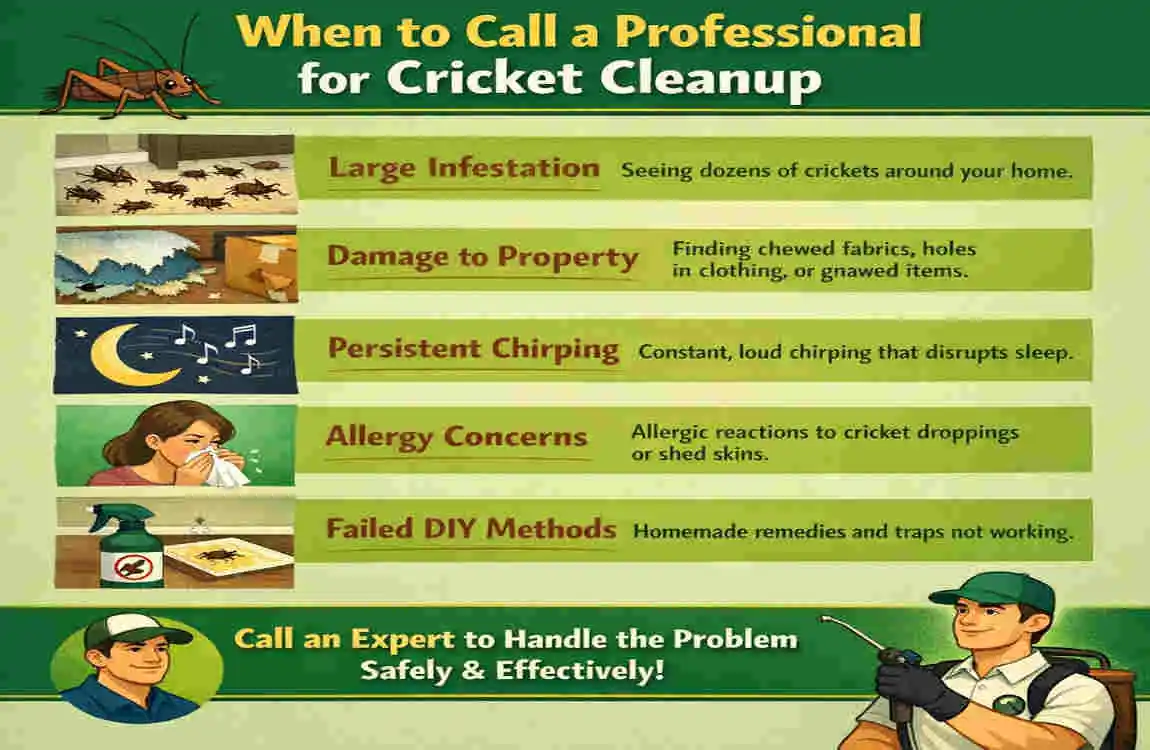
Sometimes, DIY efforts aren’t enough, especially with large infestations. Here’s when to seek professional help:
- Persistent Chirping: If crickets keep returning despite cleanup efforts.
- Large Infestations: When you spot multiple crickets or egg sacs in various areas.
- Eco-Friendly Solutions: Professionals can use safe and effective treatments tailored to your situation.
Why Is There a Cricket in My House? Cleaning Tips – Short FAQ
Q: Why do crickets come inside my house?
Crickets enter homes seeking warmth, moisture, and food, especially during cooler or rainy seasons. Gaps around doors and windows make it easy for them to sneak in.
Q: How can I safely clean up cricket droppings?
Wear gloves and a mask, vacuum the droppings using a HEPA filter vacuum, then clean surfaces with an enzyme cleaner or diluted bleach solution for disinfection.
Q: What supplies do I need for cricket cleanup?
Essential supplies include gloves, a vacuum with a HEPA filter, enzyme cleaner, bleach solution (1:10), and heavy-duty trash bags.
Q: How do I prevent crickets from coming back?
Seal gaps and cracks, fix leaks to reduce moisture, keep your yard tidy, and use natural repellents like peppermint oil or ultrasonic devices.
Q: When should I call a professional for cricket removal?
If crickets persist after DIY cleaning or you spot a large infestation, it’s best to contact pest control experts for safe and effective removal.
