
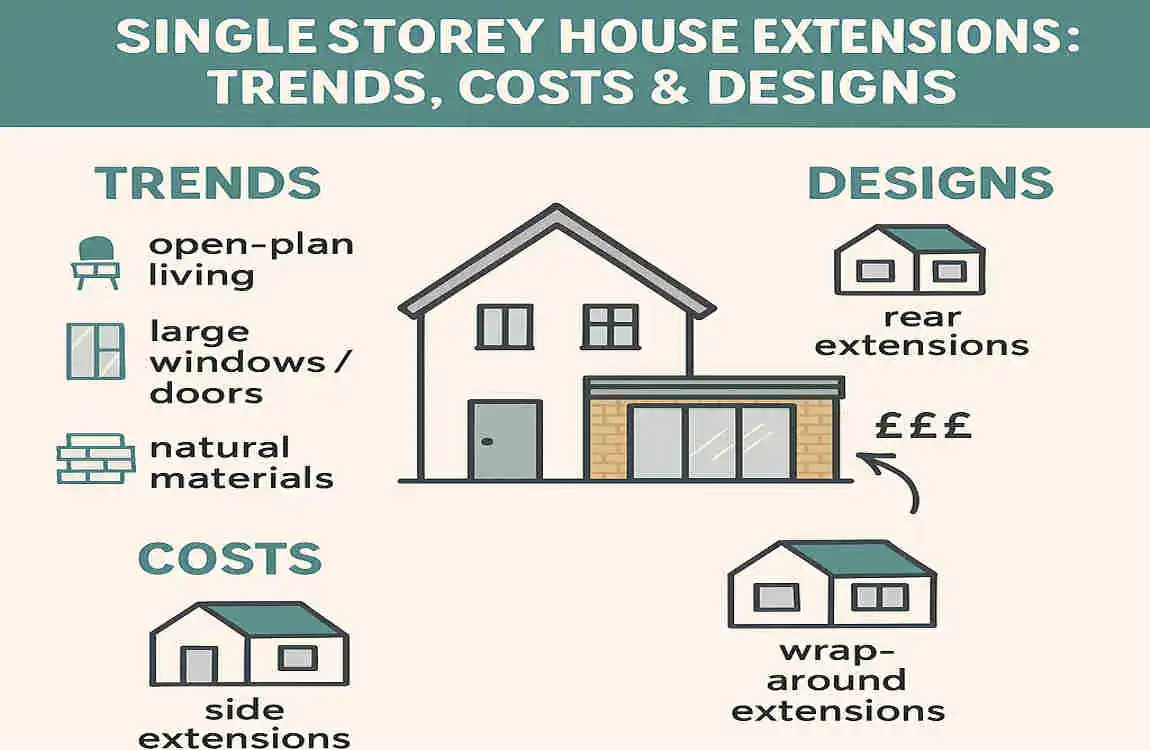
In 2025, flexible living spaces are more important than ever. With people spending more time at home, the demand for single-storey house extensions has skyrocketed. Whether it’s to create a cozy home office, expand a kitchen, or add a multifunctional family room, these extensions offer a cost-effective solution to enhance your living space without the complexities of adding another floor.
A single-storey house extension is a ground-level addition to your home, designed to provide extra space in a variety of configurations. It’s a practical and affordable alternative to moving house, especially when you love your current location but need more room. These extensions can blend seamlessly with the existing structure, offering modern, energy-efficient designs that complement your lifestyle.
What is a single-house Extension?
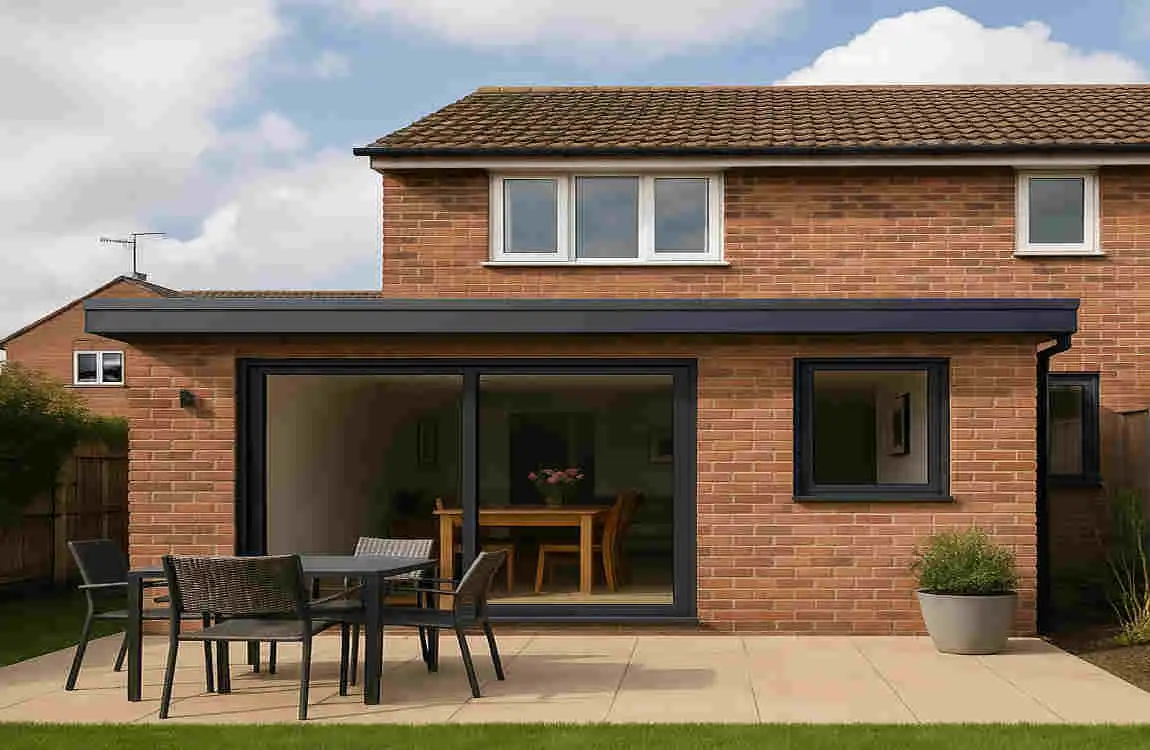
A single-storey house extension refers to an additional structure built on the ground level of a property to expand the living space. These extensions are often added to the rear or side of a home and can serve various purposes, such as creating a larger kitchen, a home office, or a playroom.
Benefits of Single Storey Extensions
- Increased property value: A thoughtfully designed extension can boost your home’s resale value by up to 10–15%.
- Horizontal expansion: Unlike multi-storey extensions, single-storey options allow you to expand your space outward without adding weight to your home’s structure.
- Indoor-outdoor flow: Features like bi-fold doors and roof lanterns create a seamless connection between your indoor and outdoor spaces.
- Cost-effective solution: Single-storey extensions are generally more affordable than adding multiple floors.
Single Storey vs. Multi-Storey Extensions
Here’s a quick comparison:
Feature Single Storey Extension Multi-Storey Extension
Cost per sqm Lower (foundation-focused) Higher (requires structural support)
Planning Permission : Often permitted development , More restrictions
Disruption Time 3–6 months 6–12+ months
Space Gain Horizontal expansion Vertical + horizontal
For many homeowners, a single-storey extension strikes the perfect balance between functionality, affordability, and aesthetic appeal.
Trends in Single Storey House Extensions
A desire for sustainability, privacy, and flexible living shapes the home extension market in 2025. Let’s explore the latest trends dominating single-storey house extension designs.
Multifunctional Living Spaces
Gone are the days of completely open-plan layouts. Homeowners now prefer zoned spaces that offer privacy and versatility. For example:
- A kitchen extension that flows into a cozy sitting area.
- A home office separated by sliding glass partitions.
Indoor-Outdoor Connections
Creating a seamless indoor-outdoor flow is one of the most popular trends. Features include:
- Bi-fold or sliding glass doors to open up the space to your garden.
- Roof lights or skylights for natural light.
- Covered outdoor areas for year-round enjoyment.
Sustainable and Energy-Efficient Designs
Eco-friendly features are a must in 2025. Many homeowners are opting for:
- Green roofs to improve insulation.
- Triple-glazed windows for maximum energy efficiency.
- Solar panels are integrated with the extension’s roof.
Minimalist Aesthetic
Modern extensions embrace clean lines, neutral tones, and natural materials. Smart home technology, like automated lighting and thermostats, is seamlessly integrated into these designs.
Kitchen Extensions with Dining Areas
The kitchen remains the heart of the home, and extensions often focus on creating spacious kitchen-diners. Popular features include:
- Central islands for cooking and socializing.
- Skylit dining areas for an airy, open feel.
By incorporating these trends, your single-storey extension will not only look stunning but also serve as a highly functional addition to your home.
Popular Designs and Ideas
When it comes to designing your single-storey house extension, the possibilities are endless. Here are some of the most popular layouts and ideas to inspire you.
Rear Extensions
A rear extension is ideal for creating open-plan living areas. Features include:
- Large bi-fold doors leading to the garden.
- Continuous flooring between the indoor and outdoor spaces.
- A combination of glass panels and warm wood accents for a contemporary look.
Side-Return Extensions
This design is perfect for maximizing narrow spaces alongside your home. Benefits include:
- Minimalist finishes, such as exposed brick or modern concrete.
- Slimline rooflights flood the area with natural light.
- Compact yet stylish spaces that blend functionality with modern elegance.
Wrap-Around Extensions
For homeowners looking for maximum space, wrap-around extensions combine rear and side extensions. They offer:
- A large, versatile area that can serve multiple functions.
- Bespoke glazing to maximize light.
- Opportunities to integrate sustainable materials.
Design Ideas at a Glance:
- Roof lanterns for natural illumination.
- Covered outdoor areas for year-round al fresco dining.
- Copper or walnut finishes for a modern, luxurious touch.
By tailoring your extension to your specific needs, you can create a space that truly enhances your home.
Cost Breakdown for Single Storey House Extensions
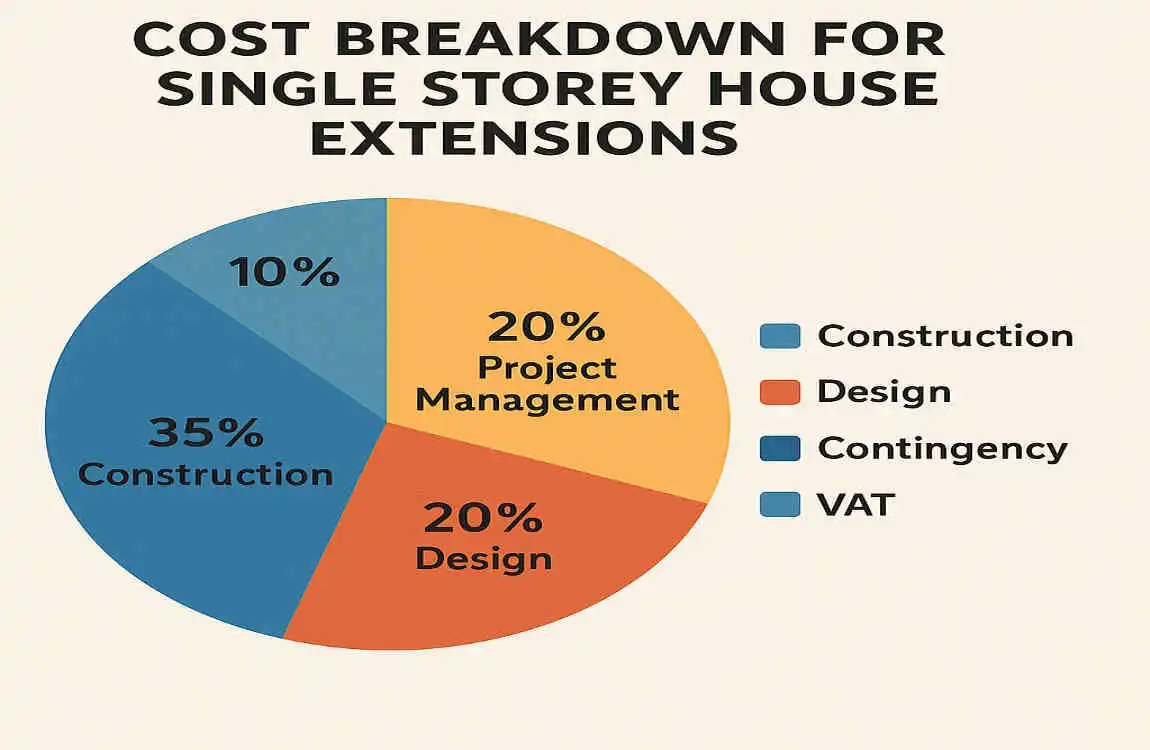
How Much Does It Cost?
The cost of a single-storey house extension in the UK typically ranges from £1,800 to £3,000 per sqm, with an average 30 sqm extension costing between £30,000 and £60,000.
Factors Affecting Costs
Here’s a detailed breakdown:
Cost Factor Estimated Range (£)Tips to Save
Foundations & Structure 20–30% of total Opt for standard designs
Roofing (e.g., Lantern) £5,000–£15,000 Choose efficient glazing
Windows/Doors £10,000+ Bulk buy bi-folds
Finishes & Fit-Out 30–40% DIY elements
Cost by Size
- 10sqm: ~£20,000–£30,000
- 30sqm: ~£50,000–£60,000
- 50sqm: ~£100,000+
Investing in a single-storey house extension can yield a 10–15% increase in property value, making it a wise financial decision.
Planning Permissions and Regulations
In the UK, many single-storey house extensions fall under permitted development rights, meaning you can build without full planning permission. However, there are still rules to follow.
Key Planning Rules
- Extensions can extend up to 4m in height (8m for detached homes).
- Rear extensions must not exceed 50% of the original house size.
How to Get Started
- Check Local Council Regulations: Each area has its own rules.
- Hire an Architect: They can create detailed drawings that comply with regulations.
- Obtain a Lawful Development Certificate: This confirms that your project is permitted development.
Don’t forget to account for the Party Wall Act if you share walls with neighbors.
Step-by-Step Guide to Your Project
Here’s a simple roadmap to guide you through your single-storey extension project:
- Assess Your Needs and Budget: Define the purpose of your extension and set a realistic budget.
- Consult Professionals: Work with architects, contractors, and structural engineers.
- Design and Planning: Incorporate the latest trends and ensure regulatory compliance.
- Construction Phase: Hire reputable builders and monitor the progress.
- Certification: Obtain all necessary completion certificates.
The typical timeline for a single-storey extension is 12–16 weeks.
