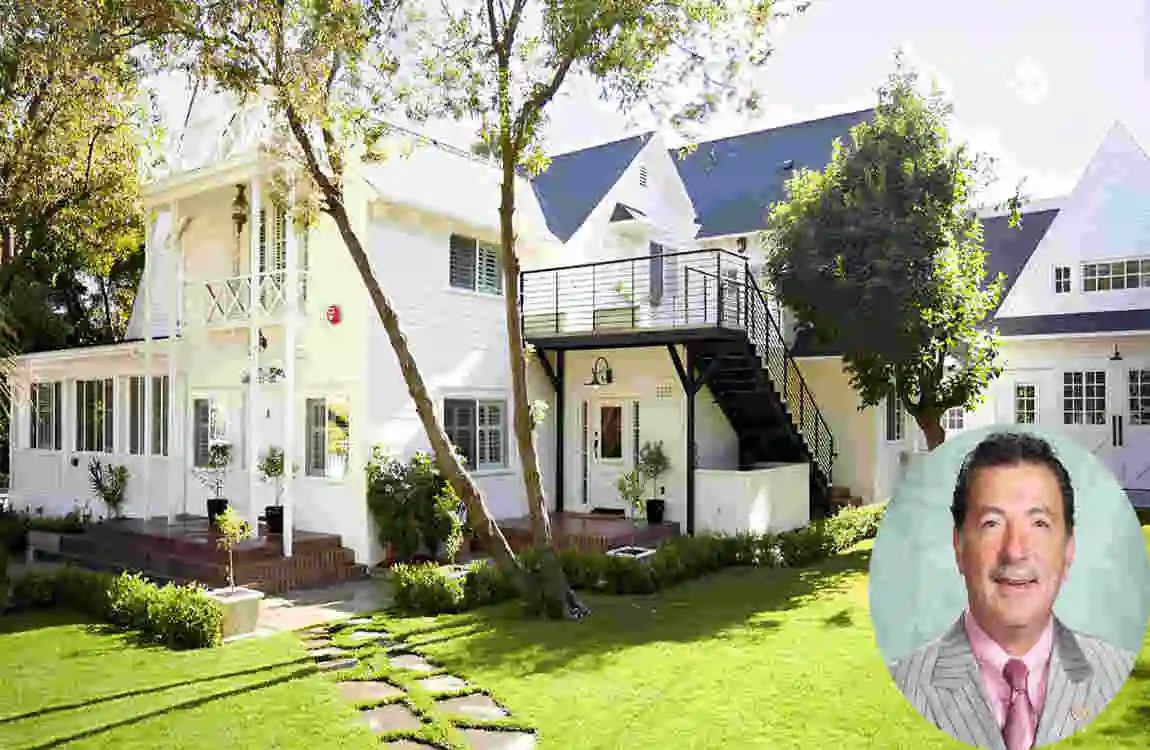

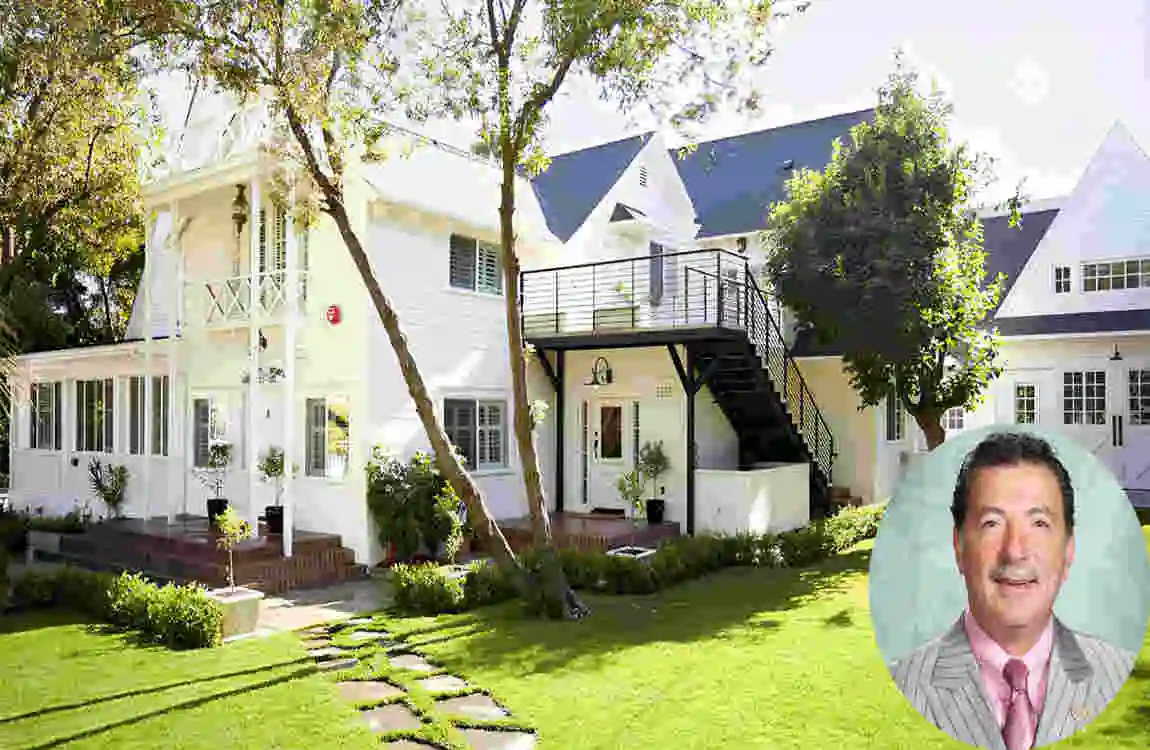
Nestled in the heart of Pasadena, California, the Adolph Lombardi House stands as a captivating symbol of architectural elegance and historical significance. From its opulent Italianate design to its role in shaping Pasadena’s cultural identity, this house is more than just a residence—it’s a testament to timeless craftsmanship and the dreams of a bygone era.
The stucco walls gleam under the California sun, while arched windows and Corinthian columns exude a Renaissance charm. As we explore its story, you’ll discover how the Adolph Lombardi House became a cornerstone of Pasadena’s architectural heritage and a sought-after inspiration for homeowners and history enthusiasts alike.
The Adolph Lombardi House, built in 1904, is a shining example of the Italianate Revival style that flourished during the Gilded Age. Located on Pasadena’s prestigious Millionaires’ Row, it was commissioned by Adolph Lombardi, a successful citrus magnate whose entrepreneurial spirit helped shape early 20th-century California.
This lavish estate was more than just a home; it was a statement of success and refinement. Designed to emulate the grandeur of Renaissance villas, the house features ornate detailing, landscaped gardens, and a timeless facade that continues to captivate visitors.
Architectural Marvels of the Adolph Lombardi House

The architectural beauty of the Adolph Lombardi House is undeniable. Every corner tells a story of craftsmanship, luxury, and inspiration drawn from Italian Renaissance villas. Let’s break down its exterior and interior design elements.
Exterior Design Excellence
The house’s symmetrical facade immediately catches the eye. From the stucco walls to the red-tiled roof, every feature reflects the hallmarks of traditional Italianate architecture. Key highlights include:
- Arched Windows and Doorways: These graceful curves evoke the Renaissance aesthetic.
- Balconies and Corinthian Columns: Adding a sense of grandeur and sophistication.
- Landscaped Gardens: Adolph Lombardi’s citrus groves still echo his legacy as a citrus magnate.
Interior Opulence
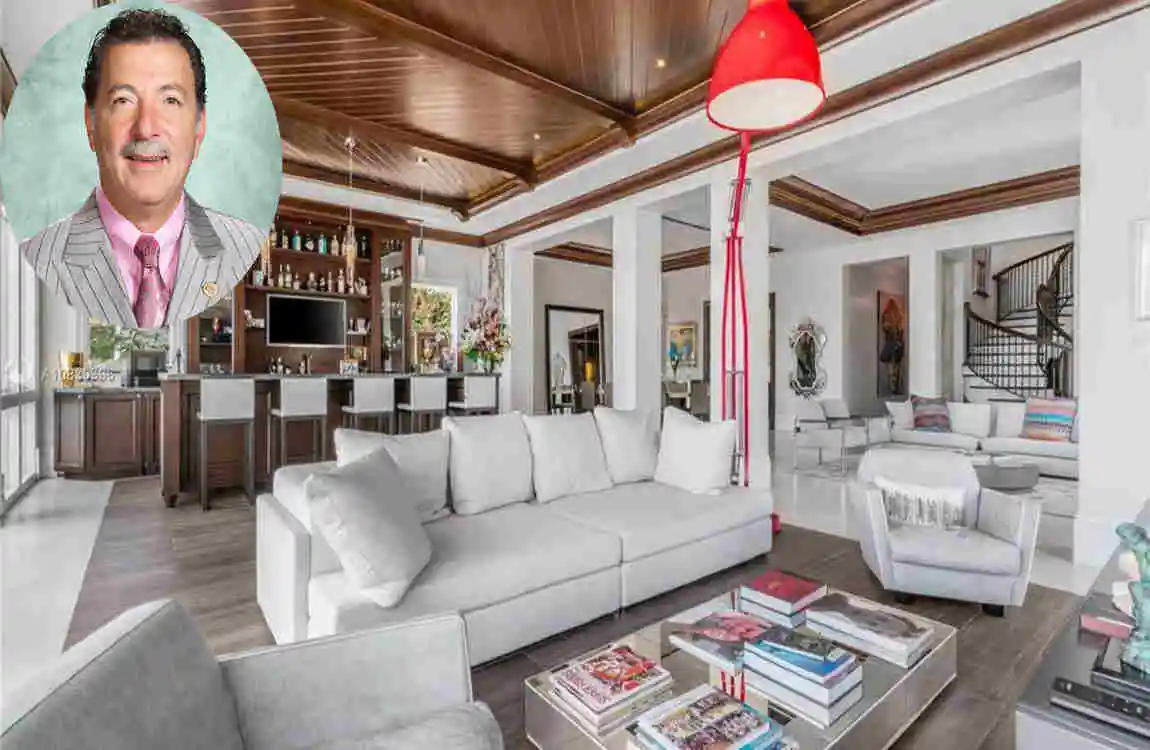
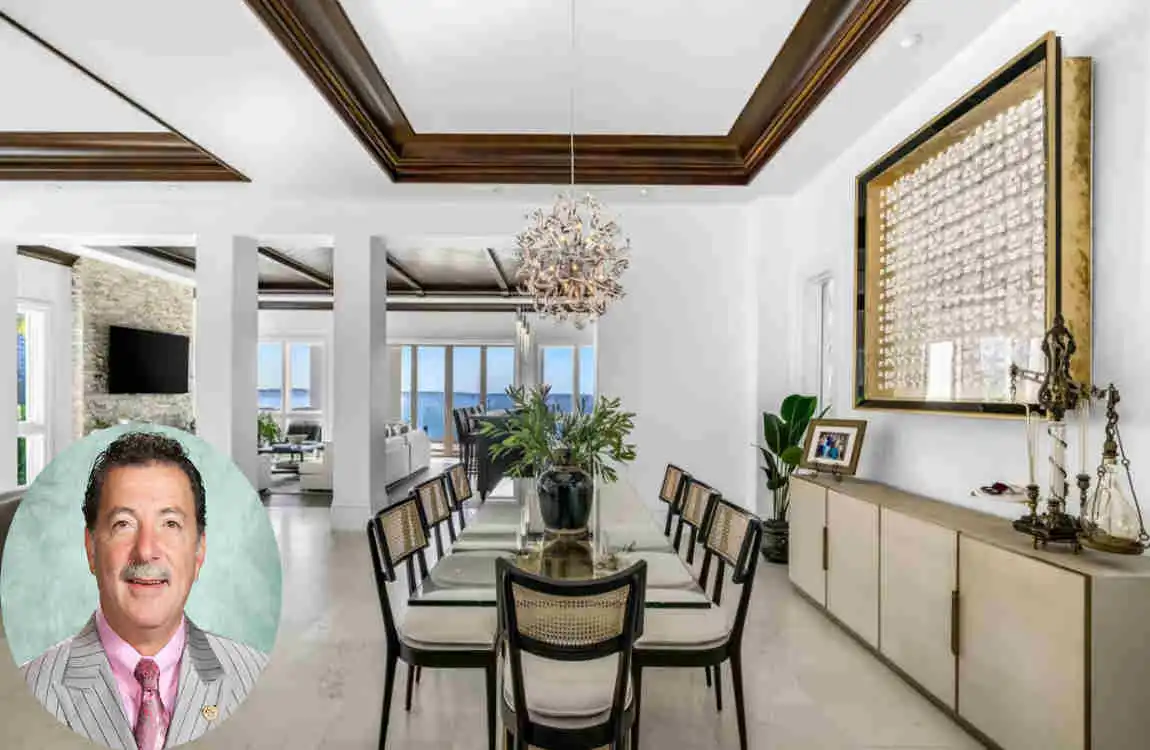
Step inside, and the house’s grandeur continues to unfold. The Adolph Lombardi House is filled with details that exemplify the luxury of the early 1900s. Some features include:
- 12-Foot Ceilings: These add a sense of spaciousness and elegance.
- Hand-Painted Frescoes: Found in the ceilings and walls, showcasing artisanal craftsmanship.
- Stained Glass Windows: Allowing natural light to bathe the interiors with a colorful hue.
- Mahogany Paneling: Lending warmth and richness to the design.
- A Grand Ballroom: Perfect for hosting high-society gatherings.
These features not only reflect the opulence of the era but also inspire modern luxury homeowners to incorporate similar elements into their renovations.
The Man Behind the Mansion: Adolph Lombardi’s Legacy
From Immigrant to Citrus Magnate
Adolph Lombardi’s story is one of ambition and success. Born in Italy, Lombardi immigrated to the United States in search of prosperity. Settling in California, he became a pioneer in the booming citrus industry. His success allowed him to commission this magnificent home as a testament to his achievements.
A Home for Entertaining
The modern house wasn’t just a residence; it was a hub of social activity. Lombardi frequently hosted grand events, welcoming prominent figures like the Huntingtons and other elites of the time. It became a symbol of his status and influence in Pasadena society.
Historical Significance and Preservation Efforts
A Recognized Landmark
The Adolph Lombardi House was officially recognized as a Pasadena Cultural Heritage Landmark in the 1920s. This designation ensured that its architectural and historical significance would be preserved for future generations.
Restoration Challenges
By the mid-20th century, the house faced threats of demolition. Thanks to preservationists’ efforts, it was saved and underwent significant restoration in the 1980s. Today, the house remains a shining example of Pasadena’s commitment to preserving its architectural heritage.
Timeline of Key Events
Year Event
1904 Construction completed
1940s Sold to new owners
1980s : Major restoration efforts
2000s Seismic retrofitting completed
Cultural and Pop Culture Impact of the Adolph Lombardi House
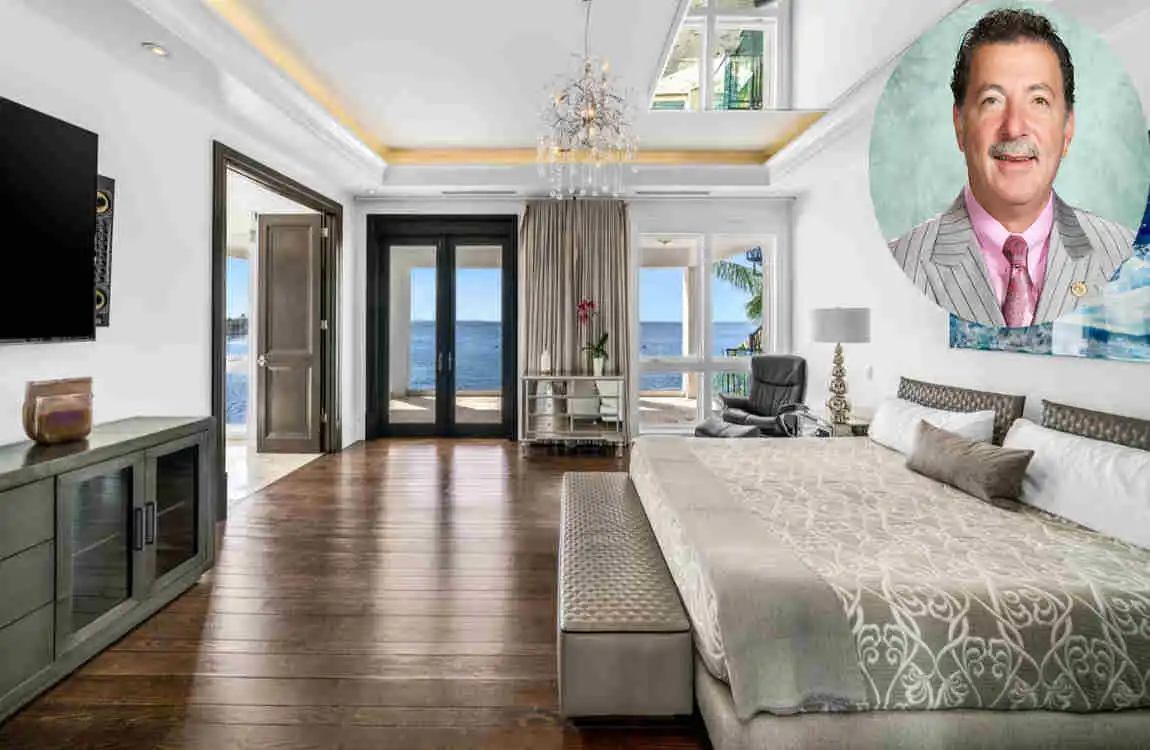
Influence on Real Estate Trends
The house’s historical significance has contributed to the rising popularity of luxury homes in historic districts. Properties in neighborhoods like Millionaire’s Row often see a 20-30% increase in value due to their architectural charm.
A Star in Its Own Right
Did you know the Adolph Lombardi House may have been featured in early Hollywood films? While records are sparse, its cinematic charm undoubtedly inspired directors and photographers.
Adolph Lombardi House FAQ
Q: Where is the Adolph Lombardi House located?
A: It’s situated on Millionaire’s Row in Pasadena, California.
Q: When was the Adolph Lombardi House built?
A: The house was built in 1904.
Q: What architectural style is the house?
A: It’s designed in the Italianate Villa style, inspired by Renaissance villas.
Q: Is the Adolph Lombardi House open for tours?
A: No, it is a private residence and not open to the public, but it can be admired from the street.
Q: Why is the Adolph Lombardi House historically significant?
A: It’s a Pasadena Cultural Heritage landmark known for its architectural beauty and ties to the citrus industry’s history.
Q: Who was Adolph Lombardi?
A: An Italian immigrant who became a successful citrus magnate and built the house as a symbol of his success.
Q: How has the house been preserved?
A: Through landmark designation and restoration efforts, including a major renovation in the 1980s and seismic retrofitting in the 2000s.
Where Does Adolph Lombardi Currently Live?
Adolph Lombardi currently lives in New Albany, Ohio.
Adolph Lombardi House Photos