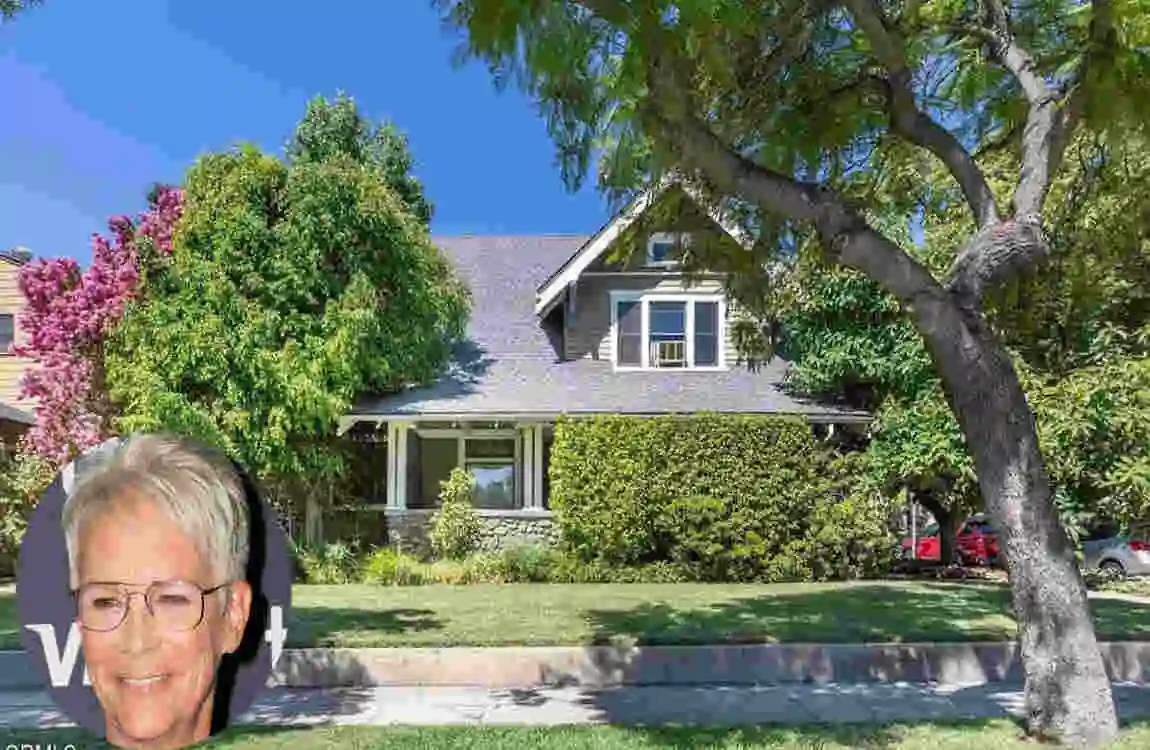

The Jamie Lee Curtis house has attracted attention for its combination of historic California architecture, comfortable interiors, art, and carefully planned outdoor spaces. Jamie Lee Curtis and her husband, filmmaker Christopher Guest, have long been associated with a Los Angeles-area home that reflects a relaxed approach to luxury rather than an overly formal celebrity style.
The residence is known as a 1920s Spanish Colonial Revival home, giving it a strong architectural identity before the interior decoration even begins. Over the years, the property has been updated while retaining important elements of its original character.
| Personal Detail | Information |
|---|---|
| Full Name | Jamie Lee Curtis |
| Born | November 22, 1958 |
| Age | 67 (as of September 2026) |
| Birthplace | Santa Monica, California, USA |
| Profession | Actress, author and activist |
| Parents | Tony Curtis and Janet Leigh |
| Spouse | Christopher Guest |
| Marriage | 1984 |
| Children | 2 adopted children |
| Known For | Halloween, True Lies, Freaky Friday, Everything Everywhere All at Once and other films |
| Academy Award | Best Supporting Actress for Everything Everywhere All at Once |
| Other Recognition | Golden Globe and BAFTA awards, among numerous other honors |
| Author | Has written numerous children’s books |
| Net Worth | Estimated around $60 million, although this is not an officially disclosed figure and celebrity-net-worth estimates can vary |
Jamie Lee Curtis House: Architecture and Exterior Design
Spanish Colonial Revival Architecture
The home’s architectural identity is strongly connected to the Spanish Colonial Revival style.
This style looks back to Spanish and Mediterranean architectural traditions while adapting them for California living. It became particularly popular during the 1920s and 1930s.
Typical features include:
- Stucco or plaster-like exterior walls
- Warm natural materials
- Arched architectural details
- Wood doors and windows
- Terracotta-inspired elements
- Courtyards and gardens
- Strong indoor-outdoor connections
The Jamie Lee Curtis house reflects this broader architectural tradition while incorporating later updates.
Historic Character
One of the most attractive qualities of a historic home is its sense of age.
Older architectural details can provide depth that is difficult to reproduce in a newly built house. Slight variations in materials, traditional proportions, and established landscaping can make a property feel established and welcoming.
The Curtis residence benefits from this type of character.
Instead of removing everything traditional and starting over, the design approach lets historic features remain part of the home’s identity.
Exterior Materials and Details
The exterior design uses a relatively restrained approach.
The architectural form itself provides much of the visual interest. This allows the home’s shape, windows, walls, and surrounding greenery to create a cohesive appearance.
The result is elegant without appearing excessively decorated.
That approach can help homeowners who want their houses to look sophisticated. You do not necessarily need dozens of decorative elements. Sometimes simple architecture and good proportions create the strongest impression.
Gardens and Mature Landscaping
Landscaping plays an important role in a property’s overall appearance.
Mature plants and trees can soften architectural lines and create a stronger sense of privacy. They also make outdoor areas feel like natural extensions of the home.
For a California residence, this relationship between the house and garden is especially important.
The landscape helps create a comfortable transition between the interior and exterior.
Pool and Outdoor Living
The property has also been associated with outdoor living areas, including a pool and landscaped grounds.
A pool can become much more than a recreational feature. In a residential design, it can serve as a visual focal point and help organize outdoor entertaining areas.
When combined with mature landscaping, outdoor spaces can provide a private environment for relaxation and gatherings.
Inside the Jamie Lee Curtis House: Interior Style
Living Room
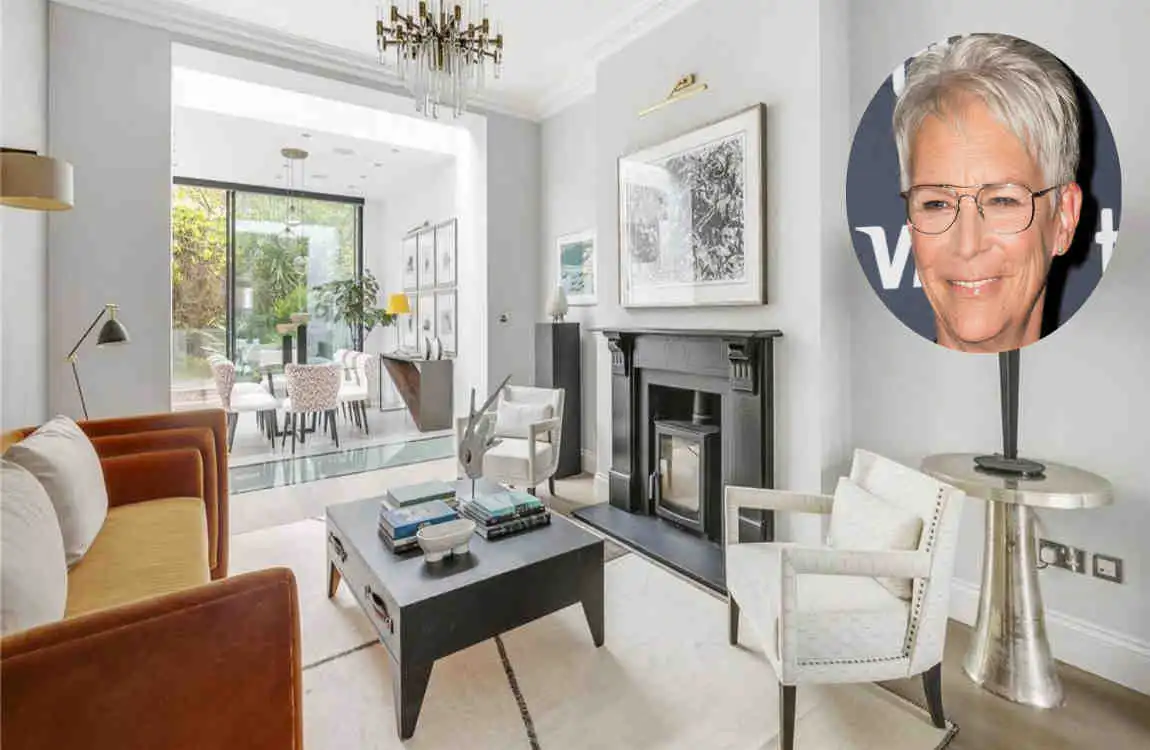
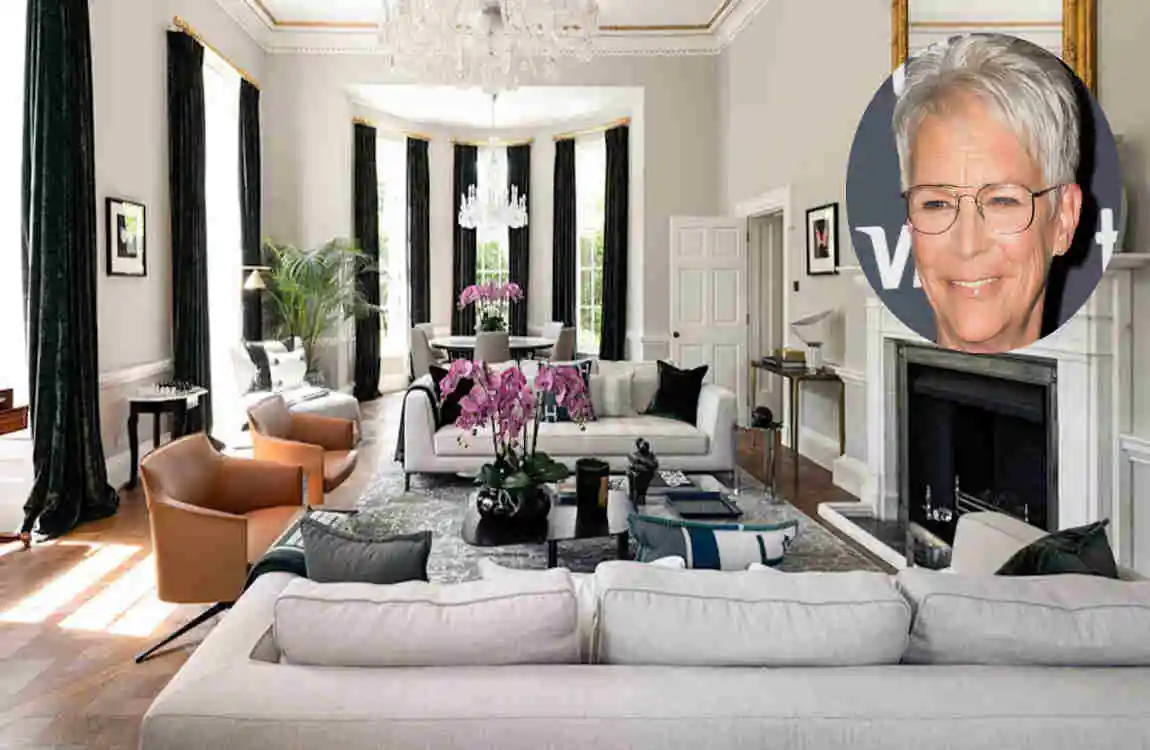
The living spaces reflect the home’s overall approach to decoration: comfortable, understated, and personal.
White or light-colored walls help maintain a bright atmosphere, while darker flooring can add contrast and warmth.
This combination creates a useful foundation for furniture and artwork.
Instead of filling the room with furniture, a more restrained arrangement keeps the architecture visible.
The result is a space that feels lived-in rather than staged.
Traditional Architecture Meets Modern Design
One of the strongest ideas in the home is mixing different periods.
Historic architectural details can sit comfortably beside modern furniture. This prevents the interior from feeling like a museum.
The same principle can work in an ordinary home.
If you have an older property, you do not have to decorate every room with period furniture. A better approach may be to preserve important architectural details while introducing contemporary pieces that suit your lifestyle.
Dining Room
The dining area follows the home’s relaxed philosophy.
Rather than treating dining as a formal event only, the space can also support everyday family activities and informal gatherings.
Artwork and collected objects add personality.
This is an important part of the home’s appeal. The decoration does not simply communicate wealth. It communicates history, interests, and personal taste.
Kitchen and Family Area
The kitchen is central to a family-oriented home.
A well-designed kitchen should support cooking, conversation, storage, and entertaining.
In the Curtis residence, the kitchen and family-oriented spaces contribute to the home’s comfortable atmosphere.
Instead of separating practical living from beautiful design, the approach lets the two work together.
This is an increasingly popular idea in modern residential design. Homeowners want kitchens that look attractive but still function as real working spaces.
Bedrooms and Private Areas
Detailed information about every private room in the residence is not publicly documented, so do not assume the current layouts are exact.
However, the overall decorating philosophy suggests a preference for comfortable spaces rather than excessive visual display.
That approach is particularly useful in bedrooms.
A bedroom does not need expensive decoration everywhere. Soft colors, natural textures, comfortable furniture, and meaningful objects can create a more welcoming environment.
Jamie Lee Curtis House: Décor, Art and Personal Touches
Family Heirlooms and Collected Objects
One of the most interesting aspects of the home’s interior is its personal quality.
Family pieces, collected objects, artwork, and photographs can give a home a story.
This differs from buying an entire matching furniture collection.
When everything matches perfectly, a room can sometimes feel impersonal. Mixing old and new objects adds more character to the interior.
Artwork and Photography
Artwork helps provide another layer of personality.
Instead of using decoration to fill empty walls, carefully selected artwork can become part of the home’s identity.
Photography and personal collections can also create visual interest without requiring bright colors or excessive decoration.
This approach works especially well with neutral walls because artwork stands out more against a calm background.
Modern-Classical Furniture
The interior style blends classic and contemporary influences.
Traditional architecture provides the foundation, while furniture and decorative pieces introduce a more modern feeling.
This creates balance.
You can achieve a similar look in your own home by combining one or two traditional pieces with simpler modern furniture.
Neutral Colors
Neutral colors provide flexibility.
White, cream, beige, brown, and natural wood tones can create a peaceful background for artwork and decorative objects.
A neutral palette doesn’t quickly become dated.
You can also swap out smaller decorative elements without redesigning the entire room.
Personal Style Over Trends
Perhaps the biggest decorating lesson from the house is the importance of personality.
A beautiful home does not have to follow every current interior-design trend.
Instead, choose meaningful pieces and pair them with comfortable furniture and timeless architectural features.
That approach can create a home that feels authentic for many years.
Luxury Features and Lifestyle
Comfortable Luxury
The Jamie Lee Curtis house demonstrates a softer definition of luxury.
Luxury can come from architecture, privacy, landscaping, craftsmanship, and comfortable spaces rather than simply from expensive objects.
The home’s historic architecture already provides visual richness.
Add landscaped grounds, outdoor living areas, artwork, and carefully selected furnishings, and the property can feel luxurious without becoming excessive.
Family-Oriented Spaces
A successful home should work for everyday life.
Large gathering areas can support family meals, conversations, celebrations, and casual entertaining.
This practical quality makes the design more relatable.
Even if you do not live in a celebrity home, you can use the same principle: design rooms around how you actually live.
Indoor-Outdoor Living
The relationship between the house and its outdoor areas is another important feature.
California architecture often takes advantage of favorable weather by creating easy transitions between indoor and outdoor spaces.
Gardens, patios, pools, and open areas can effectively extend the usable living space.
Large windows, doors, greenery, and natural materials can strengthen this relationship.
Privacy and Location
Privacy is naturally important for a high-profile homeowner.
Mature landscaping can provide visual separation from surrounding properties while also improving the garden’s appearance.
Trees and plants can create a softer privacy barrier than tall walls.
This is another useful lesson for homeowners. Privacy and beauty can work together.
Additional Property
Curtis and Christopher Guest have also been publicly associated with another property in the Santa Monica area, reported as a neighboring property purchased in 2016.
Reports described that property as having landscaped grounds and a pool.
However, property ownership and current residential arrangements can change, so older real-estate reporting should not automatically confirm their present-day living situation.
What Makes Jamie Lee Curtis House Unique?
Historic Character With Modern Comfort
The home’s strongest feature is its ability to blend different periods.
The historic architecture gives the property identity, while updated interiors make it suitable for modern living.
This balance is difficult to achieve because renovations can sometimes remove the character that made an older house special.
Here, the design philosophy emphasizes preserving personality while allowing the home to function for contemporary life.
A Strong Indoor-Outdoor Connection
The landscape is not simply decoration around the house.
It helps shape the experience of the property.
Greenery, outdoor spaces, natural light, and architectural openings can make the transition between indoors and outdoors feel natural.
This approach is especially useful in warm climates.
A Restrained Decorating Style
The house doesn’t rely on excessive decoration.
Instead, neutral backgrounds, carefully selected furniture, artwork, and meaningful objects create visual interest.
This makes the rooms feel sophisticated while remaining comfortable.
Personal Collections
Personal belongings can make a major difference in interior design.
A photograph from a memorable period, a family heirloom, an unusual artwork, or a collected object can give a room emotional character.
The lesson is simple: your home should tell your story.
Design Ideas You Can Use
You can bring some of the home’s design ideas into your own house without copying it completely:
- Preserve interesting architectural details instead of covering them.
- Use neutral colors as a flexible foundation.
- Mix traditional and contemporary furniture.
- Add artwork and meaningful personal objects.
- Use plants and mature greenery to improve privacy.
- Create comfortable indoor-outdoor gathering areas.
Design Overview
Feature: Jamie Lee Curtis House
Architectural style Spanish Colonial Revival
Period 1920s
Interior approach Traditional architecture mixed with modern influences
Color palette Primarily neutral and natural tones
Décor Artwork, collections, photographs, and personal objects
Outdoor design Landscaped grounds and pool
Main design idea Comfortable luxury with historic character
Overall appeal Personal, relaxed, elegant California living
Jamie Lee Curtis House: Value, History and Legacy
Property History
The home’s history is an important part of its appeal.
A 1920s Spanish Colonial Revival residence already carries architectural character that newer construction may not easily reproduce.
Its continued adaptation demonstrates how historic homes can remain relevant.
Instead of treating older architecture as something that must be completely modernized, homeowners can preserve its strongest features while updating areas that require contemporary functionality.
Property Value
Do not state an exact current market value for the Jamie Lee Curtis house without a recent verified sale or reliable current valuation.
Celebrity-home websites sometimes publish estimated values, but these figures can differ substantially from actual market prices.
Factors such as location, land size, condition, renovations, privacy, and comparable sales can all influence a property’s value.
Therefore, it is better to focus on the documented architectural and design characteristics than on an unsupported price estimate.
Architectural Significance
The house is interesting because it represents an important period of California residential architecture.
Spanish Colonial Revival homes remain popular because they combine simple exterior forms with warm materials and attractive outdoor spaces.
The style also works particularly well with California’s climate and landscape.
A Lasting Design Example
The home’s strongest legacy is its demonstration of personalized residential design.
It does not rely only on luxury materials or celebrity status.
Its appeal comes from the relationship between architecture, furniture, artwork, landscaping, and family life.
That makes the property useful as an interior-design reference, even for people not interested in celebrity real estate.
Frequently Asked Questions
Where is Jamie Lee Curtis’s house?
The residence is publicly associated with the Los Angeles/Santa Monica area of California. Specific private residential addresses should not be published.
What architectural style is the Jamie Lee Curtis house?
The home is known as a 1920s Spanish Colonial Revival residence.
Who designed or renovated Jamie Lee Curtis’s house?
Architectural coverage has associated the home’s renovation and interior work with architect Michael B. Lehrer and designer Jan McFarland Cox.
What makes the Jamie Lee Curtis house luxurious?
Its appeal comes from a combination of historic architecture, landscaped grounds, outdoor living areas, artwork, customized interiors, and comfortable gathering spaces.
The design emphasizes quality and personality rather than excessive decoration.
Does Jamie Lee Curtis still live in the house?
Older public reports associate Curtis and Christopher Guest with the residence, but property ownership and living arrangements can change. Older coverage should not be treated as definitive proof of their exact current residence.
| Property Detail | Information |
|---|---|
| Homeowner | Jamie Lee Curtis & Christopher Guest |
| Location | Los Angeles, California, USA |
| Neighborhood | West Los Angeles canyon area; commonly associated with Pacific Palisades/greater Los Angeles reporting |
| Exact Address | Private; not reliably disclosed |
| Original Construction | 1929 |
| Architectural Style | Spanish Colonial Revival |
| Architectural Character | Traditional Mediterranean architecture combined with later modern/Zen influences |
| Architect/Remodeling | Michael B. Lehrer oversaw major renovations |
| Interior Designer | Jan McFarland Cox |
| Original Setting | Secluded, park-like canyon setting |
| Views | The master bedroom has views across the canyon toward the sea. |
| Interior Palette | White walls, darker floors and beams, minimalist furnishings and meaningful personal objects |
| Living Room | Large traditional space designed to allow the original architecture to remain prominent |
| Kitchen | Expanded and transformed into an important family gathering area |
| Dining Room | Casual design with family antiques and artwork |
| Windows/Doors | French doors connect the kitchen to a long outdoor wood deck |
| Outdoor Space | Landscaped grounds, hardscape, deck and swimming pool |
| Pool | Added/created as part of the property’s landscaping work; Jamie Lee Curtis collaborated with landscape architect Mia Lehrer |
| Landscape | Eucalyptus trees and extensive gardens contribute to the secluded character |
| Furniture Style | Mix of modern-classical pieces, antiques, family heirlooms and personal collections |
| Renovation History | The couple undertook two major renovation projects over more than a decade. |
| Estimated Worth | No reliable current public valuation found |
| Purchase Price | Not reliably documented in the sources reviewed |
| Current Status | Private residence |
Where Does Jamie Lee Curtis Currently Live?
Jamie Lee Curtis currently lives in the Los Angeles area, California, with her husband, filmmaker Christopher Guest. Public reporting has specifically associated their home with Pacific Palisades. In January 2025, Curtis confirmed that her home was safe from the Palisades wildfire, and Reuters reported that she lives in the affected Pacific Palisades area.
Jamie Lee Curtis House Photos