


Imagine waking up to the soft glow of the morning sun streaming through floor-to-ceiling windows, bathing your entire room in natural light. The expansive glass panes invite panoramic views right into your living space, making every morning feel like a breath of fresh air. This is no longer a dream reserved for luxury homes—floor-to-ceiling windows are becoming a staple in modern architecture, offering a blend of elegance, openness, and functionality.
These windows maximize natural light and create an illusion of spaciousness, making rooms feel larger and more inviting. Whether you live in a bustling city apartment or a quiet suburban house, floor-to-ceiling windows can transform your home into a bright, airy sanctuary.
What Are Floor-to-Ceiling Windows?

Floor-to-ceiling windows are large glass panels that extend from the floor to the ceiling, creating an uninterrupted view and a seamless connection between the indoors and outdoors. Unlike standard windows, which often sit midway on the wall, these windows blur the boundaries, allowing sunlight and scenery to flood your space.
Historically, floor-to-ceiling windows gained popularity during the mid-century modern era as architects sought to connect homes with nature. Today, their use has evolved with advances in glass technology and smart home integration, making them more energy-efficient and customizable. They come in various styles, including fixed (non-opening), sliding, or pivot designs, giving you flexibility based on your needs.
Picture the difference: a traditional window frames a small section of the outside world, while a floor-to-ceiling window invites it all in, turning your room into an open gallery with nature as the artwork.
Top Benefits of Floor-to-Ceiling Windows
Maximizing Natural Light and Energy Savings
One of the most celebrated benefits of floor-to-ceiling windows is their ability to flood your home with natural light. This abundance of sunlight reduces your dependence on artificial lighting during the day, which can lead to energy savings of 20-30%, according to the Department of Energy.
But the benefits go beyond just lighting. These windows can harness passive solar heating during colder months, helping warm your home naturally. This reduces heating costs and provides a cozy atmosphere that’s both cost-effective and eco-friendly.
Enhancing Views and Spatial Illusion
Floor-to-ceiling windows open up your home to spectacular panoramic views. Whether it’s a city skyline, lush garden, or tranquil lake, these windows bring the outside world inside. This effect is especially valuable for urban homes where space is limited—these expansive views make rooms feel larger and more open.
Boosting Property Value and Curb Appeal
Homes with floor-to-ceiling windows are not just beautiful—they’re smart investments. Properties featuring these windows have been shown to sell 10-15% faster than comparable homes without them. For example, a renovated home in Lahore saw increased buyer interest and faster sales after installing modern floor-to-ceiling windows, adding both style and value.
The sleek, modern aesthetic of these windows enhances your home’s curb appeal, making it stand out in the neighborhood. This attention to design detail can be a key selling point when it’s time to put your home on the market.
Health and Mood Perks
Bringing more natural light into your home has proven health benefits. Exposure to sunlight helps your body produce vitamin D, which supports bone health and immune function. Moreover, natural light has been linked to reduced stress, improved mood, and better sleep cycles, all part of the concept called biophilic design, which emphasizes our connection to nature.
Popular Floor-to-Ceiling Window Designs and Styles
When choosing floor-to-ceiling windows, understanding the different styles can help you find the perfect fit for your home’s aesthetic and functionality. Here’s a quick comparison table to guide your decision:
StyleBest ForProsConsKeyword Example
Fixed Panoramic Living Rooms, Unobstructed views, No ventilation, Floor-to-ceiling window design for views.
Sliding Kitchens, Easy access to outdoors , Higher cost , Modern sliding floor-to-ceiling windows
Corner Units Bedrooms 270° light and views Custom sizing needed Floor-to-ceiling corner windows.
Frameless Minimalist Homes Seamless, clean look Privacy concerns Frameless floor-to-ceiling windows
Trends in Floor-to-Ceiling Windows
Modern trends include black or dark-colored window frames that add a bold contrast to light interiors, creating a striking visual impact. Another trend gaining momentum is smart-tinted glass, which adjusts its opacity based on sunlight intensity—perfect for sunny climates like Lahore. This feature protects your furniture from fading and keeps your home cooler without sacrificing natural light.
Choosing the Right Floor-to-Ceiling Windows for Your Home
Choosing the right floor-to-ceiling windows isn’t just about looks. Consider these key factors:
- Room-Specific Tips: In kitchens, sliding windows offer easy access to outdoor areas and ventilation. Living rooms often benefit from fixed panoramic windows to maximize views without interruption.
- Climate Considerations: For homes in hot climates like Lahore, opt for low-E glass that reflects heat while allowing light in. This keeps your home comfortable and energy-efficient.
- Budget Breakdown: Depending on materials and size, expect to pay between $500 and $2000 per panel. Custom designs may cost more but offer unique aesthetics.
- Size and Shape: Standard panels are easier and cheaper to install, but custom shapes can create a stunning architectural statement.
How about upgrading your windows? Compare our floor-to-ceiling window options to find the perfect match for your home’s style and your budget.
Floor-to-Ceiling Windows Installation Guide
Installing floor-to-ceiling windows is a big project that requires careful planning and professional expertise.
- Planning and Permits
- Before installation, assess your home’s structure to ensure it can support large glass panels. Check local building codes and acquire necessary permits to avoid legal issues.
- Material Selection
- Common frame materials include aluminum (durable and low-maintenance), uPVC (cost-effective and insulating), and wood (warm and classic). Each has pros and cons regarding cost, durability, and appearance.
- Professional Installation
- Installation usually takes 1 to 3 days, depending on the complexity. Professionals will use specialized tools to ensure a perfect fit, proper sealing, and structural safety.
- Common Mistakes to Avoid
- Poor sealing can cause leaks and drafts, while incorrect framing may weaken wall integrity. Always hire experienced installers to avoid these pitfalls.
Maintenance and Long-Term Care for Floor-to-Ceiling Windows
Keeping your floor-to-ceiling windows spotless and functional doesn’t have to be a chore. Here are some simple tips:
- Clean glass quarterly with a soft microfiber cloth and mild detergent to keep it sparkling.
- Check sealants annually to prevent leaks, especially after extreme weather.
- In dusty or pollen-heavy areas like Lahore, rinse frames regularly to avoid buildup.
With easy maintenance, these windows can last 20 to 30 years, continuing to brighten your home for decades.
Real-Life Transformations: Floor-to-Ceiling Windows in Action
Let’s look at how floor-to-ceiling windows have transformed real homes:
- An urban apartment was renovated by replacing standard windows with floor-to-ceiling glass panels. The result? A 50% increase in natural light and a 25% reduction in energy bills thanks to better insulation and passive heating.
- A Lahore family upgraded their living room with sliding floor-to-ceiling windows, opening the space to the garden and creating a perfect flow between indoors and outdoors.
These transformations demonstrate the power of floor-to-ceiling windows to enhance both the lifestyle and the home’s value.
Cost Analysis: Are Floor-to-Ceiling Windows Worth It?
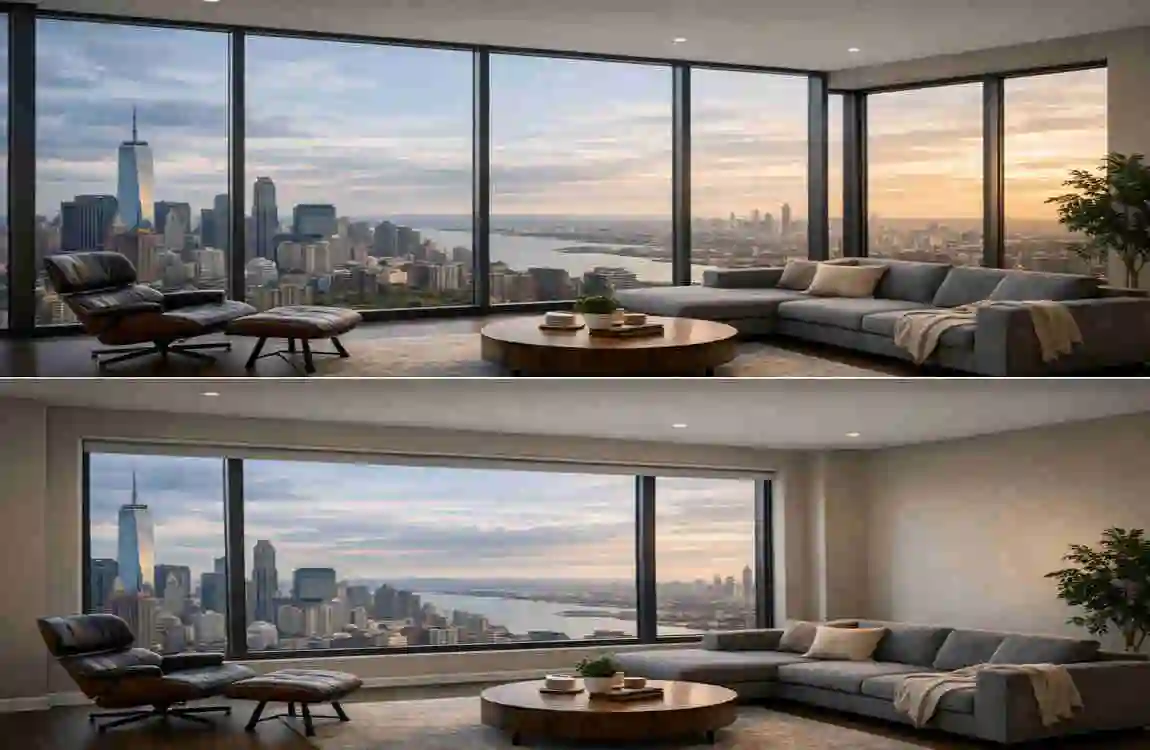
While floor-to-ceiling windows can have a higher upfront cost—ranging from $5,000 to $20,000 for an average home—the return on investment is significant. Homes with these windows typically see a 15% boost in property value, thanks to improved aesthetics and energy efficiency.
Compared to alternatives like skylights or multiple small windows, floor-to-ceiling windows offer a more dramatic and lasting impact on your home’s comfort and style.
Affordable floor-to-ceiling window options are available to suit different budgets, making this upgrade accessible for many homeowners.
FAQ: Floor-to-Ceiling Windows
What are floor-to-ceiling windows?
Floor-to-ceiling windows are large glass panels that extend from the floor all the way up to the ceiling, typically 8 to 10 feet tall, creating the effect of a glass wall that brings in natural light and expands views .
What types are available?
There are mainly two types: one large single panel of glass or mulled units, which combine multiple window units like sliders and awnings to form a wall of glass .
What are the benefits?
They dramatically brighten interiors, create a seamless connection between indoors and outdoors, add elegance, and can increase property value .
Are they energy efficient?
Modern floor-to-ceiling windows come with energy-efficient options and safety features to maintain comfort and security .
What about installation?
Installation involves framing to secure the large glass panels and careful planning to fit the window wall into your home’s design .
How do you clean them?
Cleaning can be more involved due to their size, but many manufacturers provide guidance and options for easier maintenance .
