

When selling a house, there are countless details to manage, from staging the property to negotiating offers. Among these, one critical question often arises: Are smoke detectors required when selling a house? This seemingly small detail can have significant implications for home inspections, legal compliance, and the overall sale process.
Are Smoke Detectors Required When Selling a House?
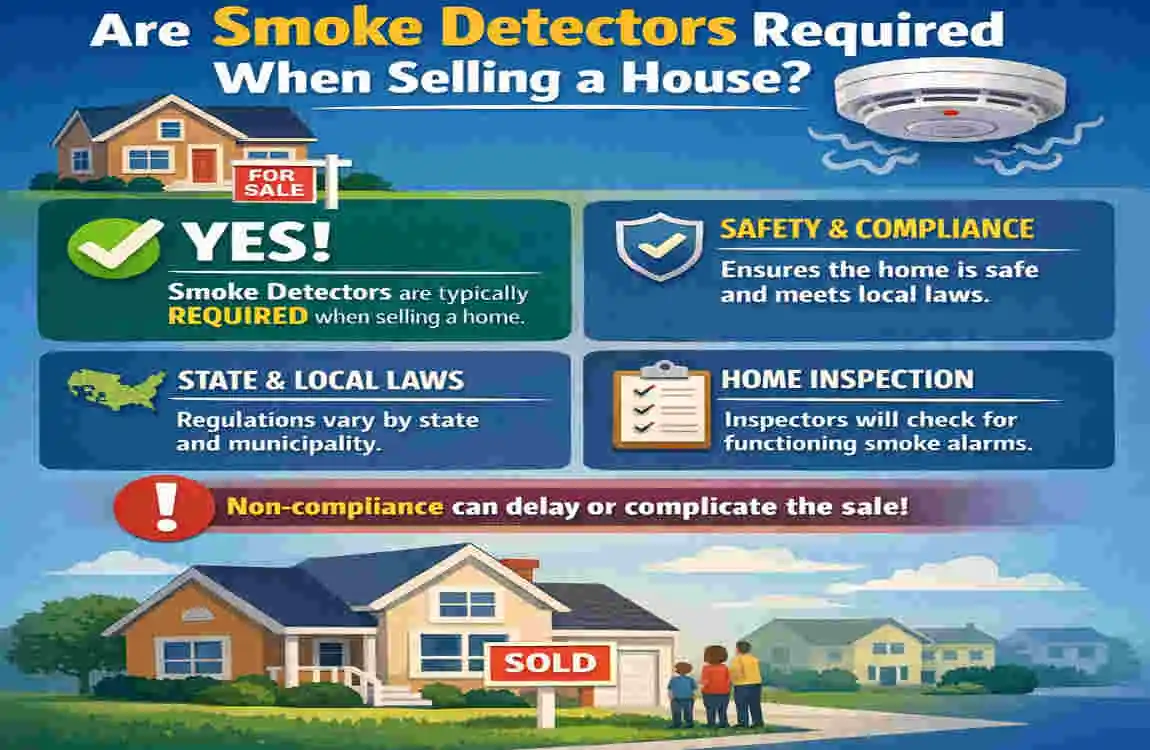
Yes, in many cases, smoke detectors are required when selling a house. However, the specifics depend on the property’s location.
Legal and Practical Expectations
Even in areas without explicit laws mandating smoke detectors for home sales, sellers may still need to ensure compliance. Buyers, home inspectors, and lenders often expect working smoke alarms as part of the transaction. A missing or nonfunctional smoke detector can raise red flags during inspections, potentially delaying the sale.
Building Code Compliance
In jurisdictions with strict building codes, smoke detectors are often a non-negotiable requirement. Sellers must ensure that their property complies with these codes to avoid complications during the closing process.
Why Sellers Must Comply
Inspection Challenges
Home inspections are a standard part of the selling process, and missing or nonworking smoke alarms are a common issue flagged by inspectors. These findings can lead to delays, repair demands, or even renegotiations with the buyer.
Legal and Financial Risks
Failing to comply with smoke detector laws can have serious consequences. In some regions, sellers may face fines or penalties for noncompliance. Additionally, a lack of proper fire safety measures could expose the seller to liability if the buyer experiences a fire-related incident after the sale.
Certificate of Occupancy
In certain states, sellers must obtain a certificate of occupancy or a similar document before transferring ownership. This often requires passing a fire safety inspection, which includes verifying the presence and functionality of smoke detectors.
State and Local Differences
Variability Across the U.S.
Smoke detector requirements vary widely across the United States. Some states have broad, statewide mandates, while others leave enforcement to local governments. This patchwork of regulations can make it challenging for sellers to know exactly what’s required.
Examples of State-Specific Rules
- Massachusetts: Sellers must obtain a certificate of compliance from the local fire department, confirming that smoke detectors are installed and functional.
- Washington: Sellers are required to provide at least one working smoke detector before the property can be occupied after the sale.
Local Enforcement
In addition to state laws, local ordinances may impose additional requirements. For example, some cities mandate specific types of smoke detectors, such as hardwired units with battery backups.
Common Legal Requirements
While the specifics vary, there are several common requirements that sellers may encounter:
RequirementDetails
Working Smoke Alarms Must be installed in required locations and fully operational.
Hardwired or Battery-Backup Units. Some homes, especially newer ones, may require hardwired detectors.
Carbon Monoxide Detectors are often required in addition to smoke alarms, particularly in homes with gas.
Inspection or Certificate Sellers may need to pass an inspection or obtain a compliance certificate.
Replacement of Expired Units: Expired or missing alarms must be replaced before the sale.
Where Smoke Detectors Must Be Installed
Common Placement Rules
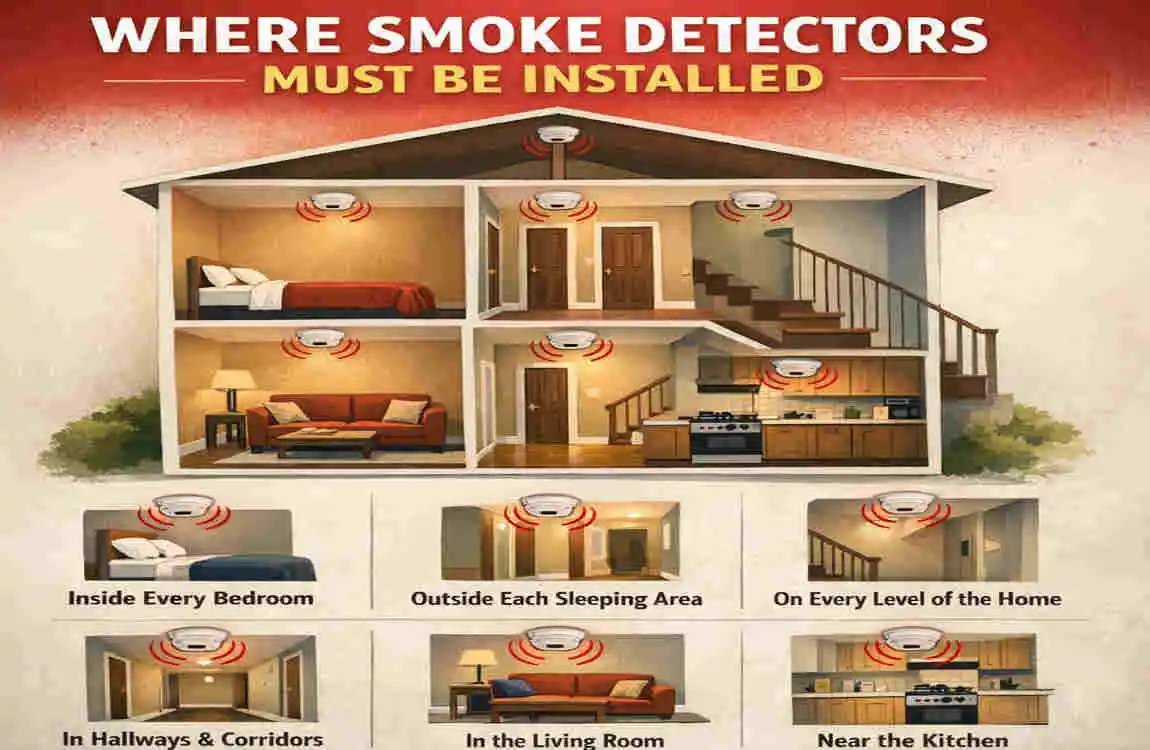
Most fire safety codes specify that smoke detectors must be installed:
- Outside sleeping areas (e.g., hallways near bedrooms).
- Inside each bedroom.
- On every level of the home, including basements.
Age of the Property
The exact placement requirements often depend on the property’s age. Homes built or renovated after certain dates may be subject to stricter codes, such as requiring interconnected smoke alarms.
Importance of Proper Installation
Having smoke detectors is not enough—they must be installed in the correct locations to be effective. Improper placement can result in noncompliance and reduced fire safety.
Selling a House As-Is
What Does “As-Is” Mean?
Selling a house “as-is” typically means that the seller will not make any repairs or improvements before the sale. However, this does not necessarily exempt the seller from legal obligations.
Safety Obligations Remain
Even in an as-is sale, buyers and inspectors may still expect functioning smoke detectors. Local codes and regulations can override the seller’s preference to sell without addressing safety issues.
Cash Buyers and Compliance
While cash buyers may have fewer contingencies, they are not immune to fire safety laws. Sellers should verify compliance to avoid potential legal complications.
Risks of Not Complying
Delayed Closing
If a home inspection reveals missing or nonworking smoke detectors, the closing process may be delayed until the issue is resolved.
Repair Demands
Buyers may request that the seller address deficiencies in the smoke detectors before proceeding with the sale. This can lead to unexpected costs and negotiations.
Legal and Financial Penalties
In some jurisdictions, noncompliance can result in fines or other penalties. Additionally, sellers may face liability issues if they fail to disclose safety violations.
Seller Compliance Checklist
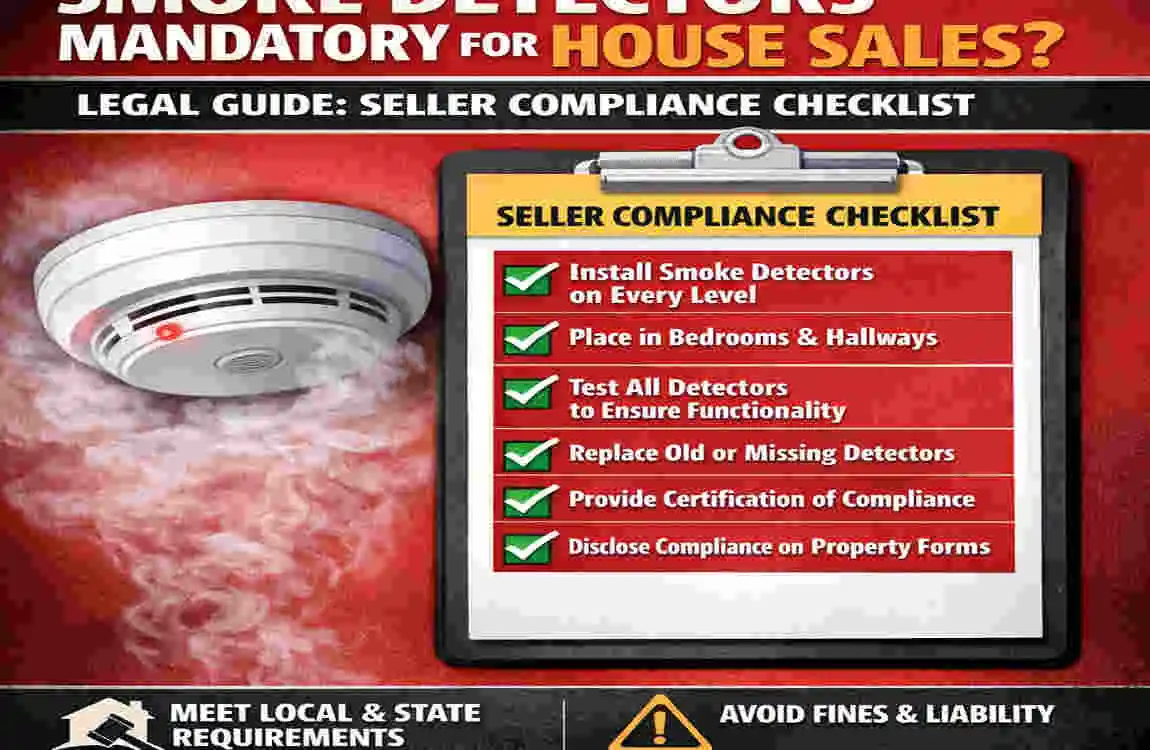
To ensure a smooth sale, sellers should follow this compliance checklist:
- Check State and Local Requirements: Research fire safety codes in your area.
- Test All Smoke Alarms: Verify that each unit is functional.
- Replace Missing or Expired Units: install new detectors as needed.
- Ensure Proper Placement: Confirm that alarms are installed in required locations.
- Schedule an Inspection: If required, arrange for a fire marshal or local authority to inspect the property.
- Keep Documentation: Retain proof of compliance for the closing process.
Frequently Asked Questions
Can You Sell a House Without Smoke Detectors?
In many areas, no. Smoke detectors are often required by law or expected by buyers and inspectors.
Do Smoke Detectors Need to Be Hardwired?
This depends on local codes and the property’s age. Some homes may require hardwired units with battery backups.
Are Carbon Monoxide Detectors Also Required?
Yes, in many states, carbon monoxide detectors are required alongside smoke alarms.
Who Pays for Smoke Detector Repairs?
Typically, the seller is responsible for ensuring compliance before the sale.
What Happens if a Home Inspection Finds Missing Smoke Alarms?
The issue must usually be resolved before the sale can proceed, either by the seller or through negotiations with the buyer.
