

You’ve just found your dream home in Lahore’s bustling DHA neighborhood. It’s perfect—spacious rooms, a lush garden, and a prime location. But what if hidden plumbing issues or structural flaws are lurking beneath the surface? This is where the question arises: Can you do a home inspection before making an offer?
Can You Do a Home Inspection Before Making an Offer?

The Short Answer
Yes, you can, but it requires seller approval. Typically, your real estate agent will request access on your behalf, framing it as a “second viewing with an expert.” This approach is more common in buyer’s markets or with For Sale By Owner (FSBO) properties.
Legal and Contractual Considerations
there are no laws prohibiting pre-offer inspections. However, it’s a contractual matter that hinges on the seller’s willingness. In Punjab, estate agent rules generally allow such inspections, but explicit permission is necessary.
When Is It Feasible?
- Buyer’s Markets: When sellers are eager to close deals, they’re more likely to accommodate pre-offer inspections.
- FSBO Sales: Sellers managing their own listings may be more flexible.
- High-Value Properties: For luxury homes, buyers often insist on thorough evaluations.
Pros of Pre-Offer Inspections
Opting for a pre-offer inspection can provide several advantages, especially in competitive markets like Lahore.
BenefitDescriptionImpact
Informed Offer: Identify issues upfront to ensure accurate pricing. Avoid overpaying by 10-20%.
Waive Contingency : Make cleaner, seller-favorable offers. Win bids 20-30% more often.
Negotiation Edge: Request repairs or price adjustments. Save PKR 500,000+ on fixes.
Seller Appeal Demonstrates seriousness and commitment—faster and smoother transactions.
In Lahore’s hot real estate market, these benefits can make the difference between securing your dream home or losing out to another buyer.
What Is a Pre-Offer Home Inspection?
A pre-offer home inspection is a professional evaluation of a property conducted before you submit an offer. Unlike the standard post-offer inspection, this approach allows buyers to identify potential issues early and make informed decisions.
Types of Pre-Offer Inspections
- Full Pre-Offer Inspection
- This is a comprehensive evaluation that takes 2-4 hours. Inspectors examine major systems like plumbing, electrical, roofing, and structural integrity. It’s thorough but requires seller approval and time.
- Walk-and-Talk Inspection
- A quicker alternative, lasting 30-60 minutes. The inspector provides a verbal overview of potential issues, but no detailed report. This is ideal for buyers in fast-moving markets.
How It Differs from Post-Offer Inspections
While post-offer inspections are standard and often include contingencies, pre-offer inspections are more strategic. They’re designed to give buyers an edge in competitive markets by identifying issues upfront, potentially saving time and money.
Cons and Risks of Pre-Offer Inspections
While pre-offer inspections have their perks, they’re not without drawbacks.
- Cost Sink: Inspections can cost between PKR 50,000 and 150,000, with no guarantee of a deal.
- Access Denied: Sellers may refuse, especially in competitive markets where multiple offers are expected.
- Incomplete Data: Quick inspections may miss critical issues, leading to surprises later.
- Wasted Time: Investing hours in inspections for properties you don’t end up buying can be frustrating.
To mitigate these risks, focus on motivated sellers and properties where inspections are likely to yield actionable insights.
Step-by-Step Process for a Pre-Offer Inspection
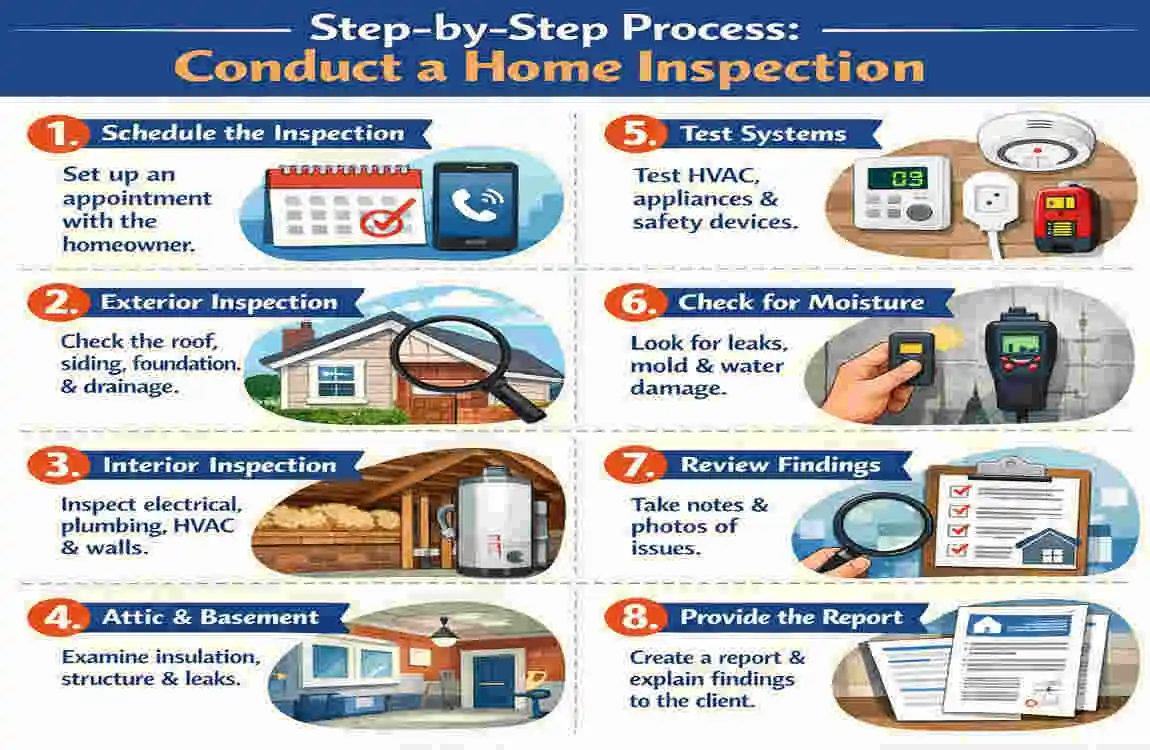
Here’s a simple guide to conducting a pre-offer inspection:
- Research Inspectors
- Hire certified professionals, such as those accredited by the Pakistan Society of Inspectors and Appraisers (PSIA).
- Request Access
- Your agent should formally request permission from the seller, framing it as a “second viewing.”
- Schedule the Inspection
- Aim for off-peak times to ensure availability and thoroughness.
- Attend the Inspection
- Be present to ask questions and take notes.
- Review Findings
- Use the inspector’s insights to adjust your offer or decide whether to proceed.
- Make Your Decision
- Armed with the inspection data, you can confidently submit an offer or walk away.
Ultimate Pre-Offer Inspection Checklist
A thorough inspection covers multiple areas. Here’s a checklist to guide you:
Area Quick Checks: Red Flags
Roof Tiles/shingles intact? Sagging, leaks.
Plumbing Drains flow? Stains, low water pressure.
Are the electrical outlets functional? Exposed wires, flickering.
Foundation: Visible cracks? Uneven floors, gaps.
Interior Mold, water stains? Persistent odors.
Tailor this checklist to local conditions, such as monsoon-proofing for Lahore homes.
Costs of Pre-Offer Inspections in Pakistan
In Pakistan, pre-offer inspections typically cost:
- Full Inspection: PKR 85,000 to 225,000 for a 2,000 sq. ft. home.
- Walk-and-Talk: PKR 40,000 to 75,000.
While these costs may seem high, they pale in comparison to the potential expenses of undiscovered issues, which can run into millions.
Alternatives to Pre-Offer Inspections
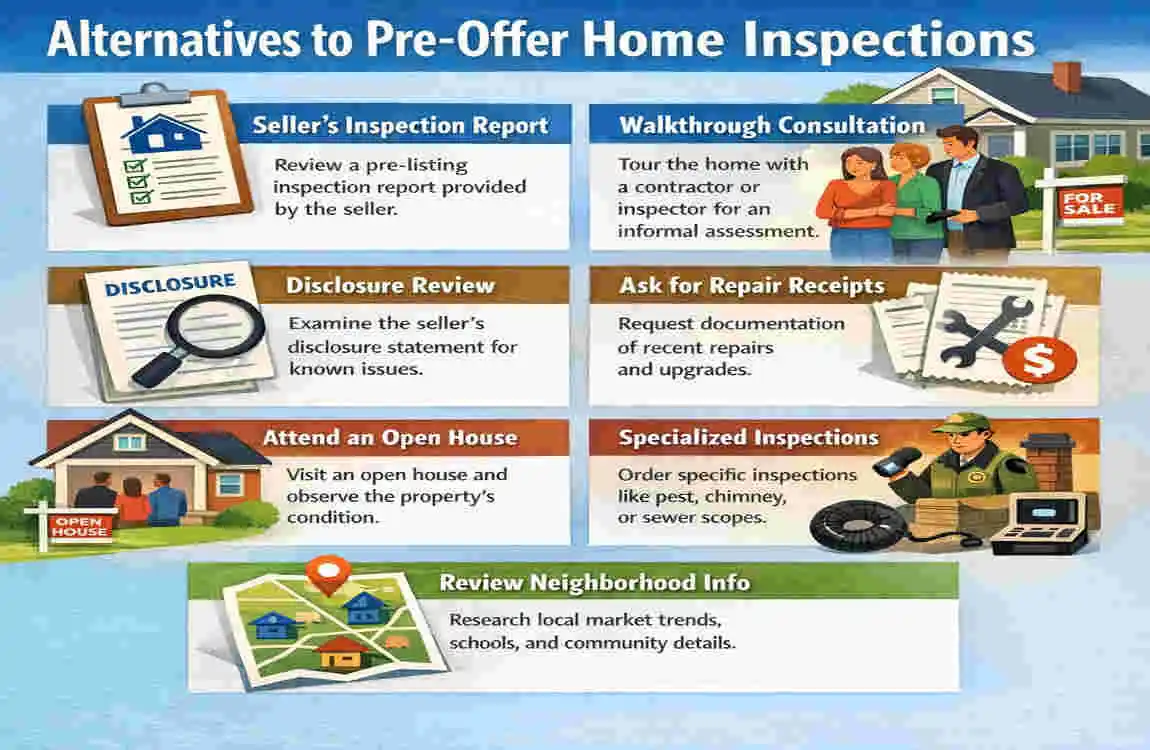
If a pre-offer inspection isn’t feasible, consider these alternatives:
- Post-Offer Inspection: Conducted after your offer is accepted, with contingencies for repairs or price adjustments.
- Seller Pre-Listing Inspection: Request the seller’s inspection report, if available.
- DIY Walkthrough: Perform a basic evaluation yourself, focusing on visible issues.
Tips for Lahore and Pakistan Buyers
For buyers in Lahore, consider these local tips:
- Check LDA Approvals: Ensure the property complies with Lahore Development Authority regulations.
- Seismic Standards: Verify earthquake resistance, especially for older homes.
- Market Trends: In hot areas like Gulberg, prioritize pre-offer inspections to stay competitive.
Frequently Asked Questions
Can you do a home inspection before making an offer?
Yes, with seller approval. It’s a strategic move in competitive markets.
How much does it cost?
Expect to pay between PKR 50,000 and 200,000, depending on the property size and inspection type.
Is it mandatory?
No, but it’s highly recommended for informed decision-making.
