

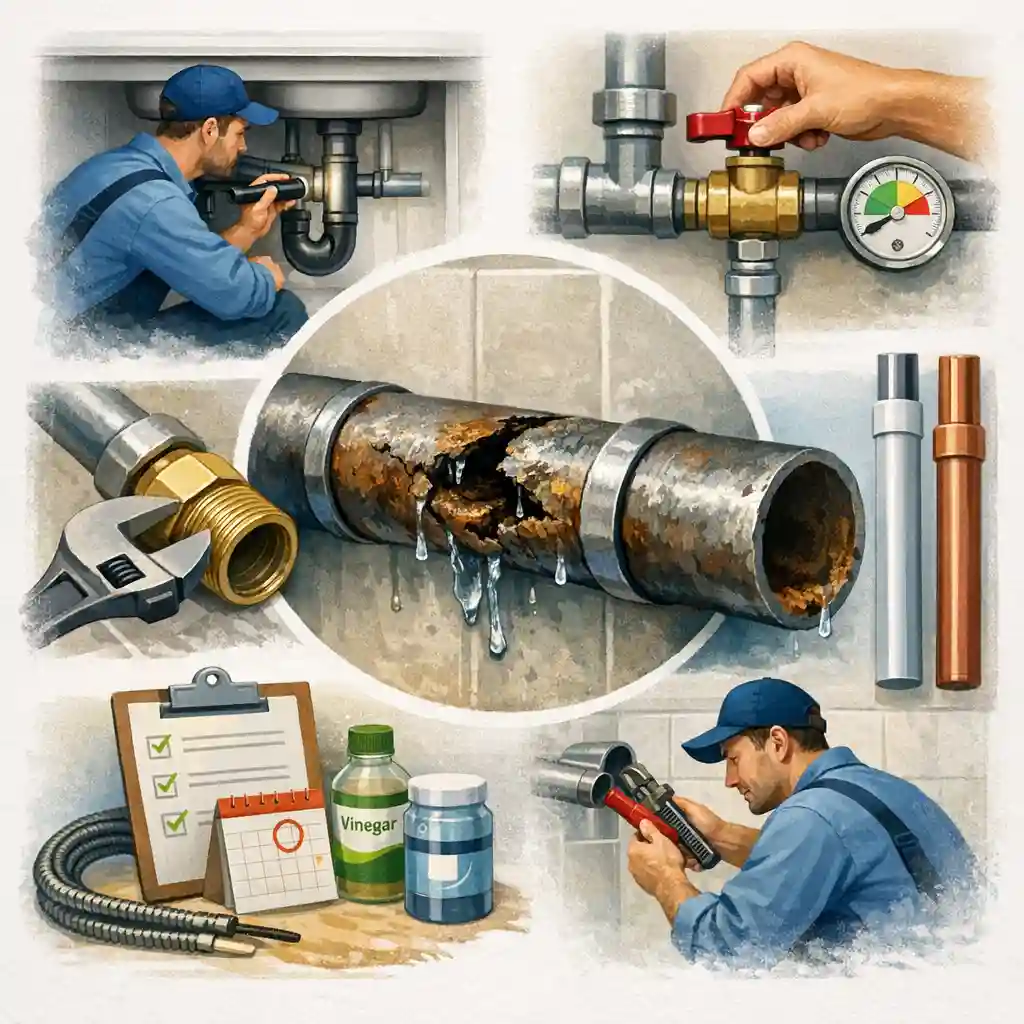
As homes age, their internal infrastructure quietly deteriorates out of sight. Among the most critical components of any residential property are the water supply lines. When these pipes age, they become susceptible to mineral scale buildup, micro-cracks, joint failures, and devastating leaks.
Proactive maintenance protects your property from water damage and preserves water quality. Whether you manage a property independently or rely on professional Plumbing in Granada Hills, understanding how to care for aging pipes is essential for long-term homeownership.
Understanding the Risks of Aging Supply Lines
It’s wise to understand how pipes deteriorate before planning a maintenance schedule. Generally, old buildings are equipped with either galvanized steel, copper, or early-generation plastic pipes. They decay in different ways.
- Galvanized Steel: This type of piping is characterized by rust formation inside that significantly reduces the water flow rate and makes tap water discolored.
- Copper Piping: A very strong, durable type of pipe, but its soldered connections can become fragile and prone to developing pinholes when water pressure is too high.
- PEX and Polybutylene: Quite durable, but if exposed to UV light or chemical disinfectants used in municipalities, plastic pipes may degrade.
Knowing about all possible problems lets you plan your inspection correctly.
Step-by-Step Preventative Maintenance Routine
To maintain aging water lines, it is essential to perform regular visual checks, monitor water pressure, and control chemicals.
- Perform Visual Inspections Periodically
Inspect exposed water pipelines located in your basement, crawl spaces, utility closets, and under the sinks at least twice a year.
- Search for discolored areas, green or white deposits in joints (due to leaching minerals), and wet patches.
- Touch the pipelines by hand where possible to feel signs of condensation or leaking water.
- Inspect water supply pipelines leading straight to the most vulnerable plumbing units.
- Monitor and Regulate Water Pressure
High water pressure slowly deteriorates old piping systems, putting immense stress on aging joints and weakening pipe walls.
- Get an inexpensive water pressure gauge that can be attached to any outdoor faucet.
- Test your static water pressure. Your ideal water pressure should stay somewhere between 40 and 60 pounds per square inch.
- If your water pressure goes above 80 pounds per square inch, you should get your PRV checked by a professional plumber.
- Flush the Water Heater Annually
Sediment gradually accumulates at the bottom of water heaters, increasing tank corrosion and depositing debris in supply lines.
- Shut off the electrical supply or turn off the gas supply to the water heater.
- Attach one end of a garden hose to the drain valve and let the sediment flush out through the hose until the water is clear.
- This process increases the life of the unit and the pipes carrying the hot water.
Upgrading and Protecting Your Infrastructure
Preventative maintenance is more than simple inspections; it involves upgrading your system to make your home more resilient against failure.
Replace Aging Flexible Hoses
Braided steel or rubber tubes connect your toilets, sinks, and washing machines to the main water supply, but these tubes don’t last long.
- Rubber tubes usually start to crack and bulge after five years.
- Braided stainless steel lines last longer, between eight and ten years, but still need to be checked regularly.
- Change these tubes before they get old and brittle to avoid major indoor flooding in your home.
Install Smart Leak Detection Systems
Modern technology in smart homes protects the aging plumbing system.
- Automated Shut-Off Valves: These devices detect constant water flow. In case of detecting abnormal water flow (i.e., leaking from a broken pipe when no one is at home), they automatically close the main water source.
- Wireless Sensor Devices: Put wireless sensors in the vicinity of the water heater, the washing machine, and important sinks to get instant notifications on your smartphone.
Best Practices for Long-Term Plumbing Health
To make sure that your preventative maintenance system follows current trends and guarantees maximum durability, you have to consider the following basic principles:
- Main Shut-Off Valve: It is imperative to know the exact position of the main shut-off valve in the house and the procedure for closing it in case of an emergency for all adults in the house.
- Periodic Professional Inspection: If your home is older than 30 years, arrange a camera inspection or a pressure test carried out by a professional periodically.
- Harmful Effect of Chemical Cleaning Agents: Chemical agents that are used to remove clogs from drains may affect the supply connections and fittings.
Staying alert, monitoring water pressure, and replacing risky connections early help protect your home from serious water damage. These simple actions help old pipes last longer and provide peace of mind for your family. A little preventative care now can prevent costly emergency repairs later.
