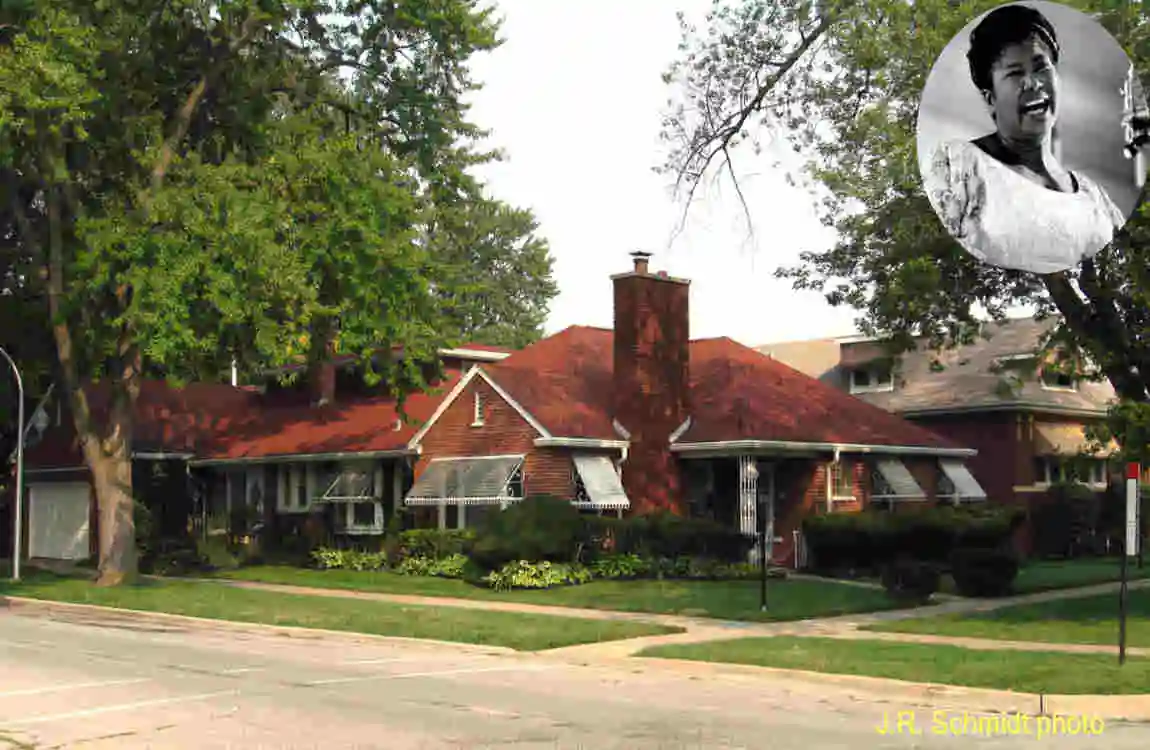

Have you ever wondered what it takes to build a sanctuary in a world that refuses to welcome you? Imagine starting your life in the crushing poverty of New Orleans, only to rise and purchase your ultimate dream home during the height of 1950s racism. This is the incredible, true story of Mahalia Jackson’s house, located at the historic 8358 South Indiana Avenue in Chicago.
Mahalia Jackson was not just the Queen of Gospel; she was a fierce pioneer who used her voice to break down barriers, both on the stage and in her neighbourhood. Her journey from singing in small local choirs to buying a stunning property in a deeply segregated city is nothing short of breathtaking.
Acquiring Mahalia Jackson’s House
By 1956, Mahalia Jackson was a global superstar. She had the funds to live wherever she pleased. Still, Chicago’s strict racial boundaries made buying a home incredibly difficult for Black Americans. Real estate agents often refused to show properties in white neighbourhoods to Black buyers. Yet, Mahalia was determined to find a space that matched her success.
Finding the Perfect Property
Her search eventually led her to 8358 South Indiana Avenue in the Chatham neighbourhood. It was exactly what she had been looking for. The property was a gorgeous 1950s brick ranch, boasting seven spacious rooms, a sturdy garage, and expansive green lawns. It was a place where she could finally stretch out and breathe.
A Rare and Surprising Sale
Buying the house required a stroke of luck and a willing seller. She purchased the home for $40,000, which was a massive fortune at the time. The seller was a white surgeon who happened to be a deep admirer of her music. Because he respected her art, he agreed to sell the property directly to her, bypassing the racist gatekeeping that usually blocked such sales.
Becoming a Neighbourhood Pioneer
When Mahalia moved in, she became only the second Black homeowner on the entire block. The first were her neighbours, the Grants, who had faced their own hurdles when they moved in. By taking up residence in this predominantly white enclave, Mahalia was making a loud, undeniable statement.
The Ultimate Symbol of Success
For Mahalia, acquiring this house was about much more than just upgrading her living situation. Mahalia Jackson’s house became a physical manifestation of her hard work. She had moved on up, just as her famous song declared, and she was laying down permanent roots in a neighbourhood she would help transform.
Exterior and Interior Design
When you picture Mahalia Jackson’s house, imagine a blend of classic Midwestern architecture and vibrant Southern charm. Mahalia did not just buy a house; she moulded it to fit her larger-than-life personality.
The Striking Red-Brick Facade
From the street, the home presented a proud, red-brick facade. It looked solid, secure, and deeply inviting. A large chimney anchored the structure, hinting at cosy, warm winters spent inside. The front porch was wide and welcoming, the perfect spot for catching the evening breeze after a long day of touring.
A Touch of New Orleans
While the front of the house fit perfectly into the Chicago landscape, the back was entirely customised. Mahalia missed the aesthetics of her hometown, so she commissioned a special back addition. She installed a beautiful, white wrought-iron veranda that looked like it was plucked straight out of the French Quarter in New Orleans. It gave her a private oasis where she could reconnect with her roots.
Stepping Inside Mahalia Jackson’s House
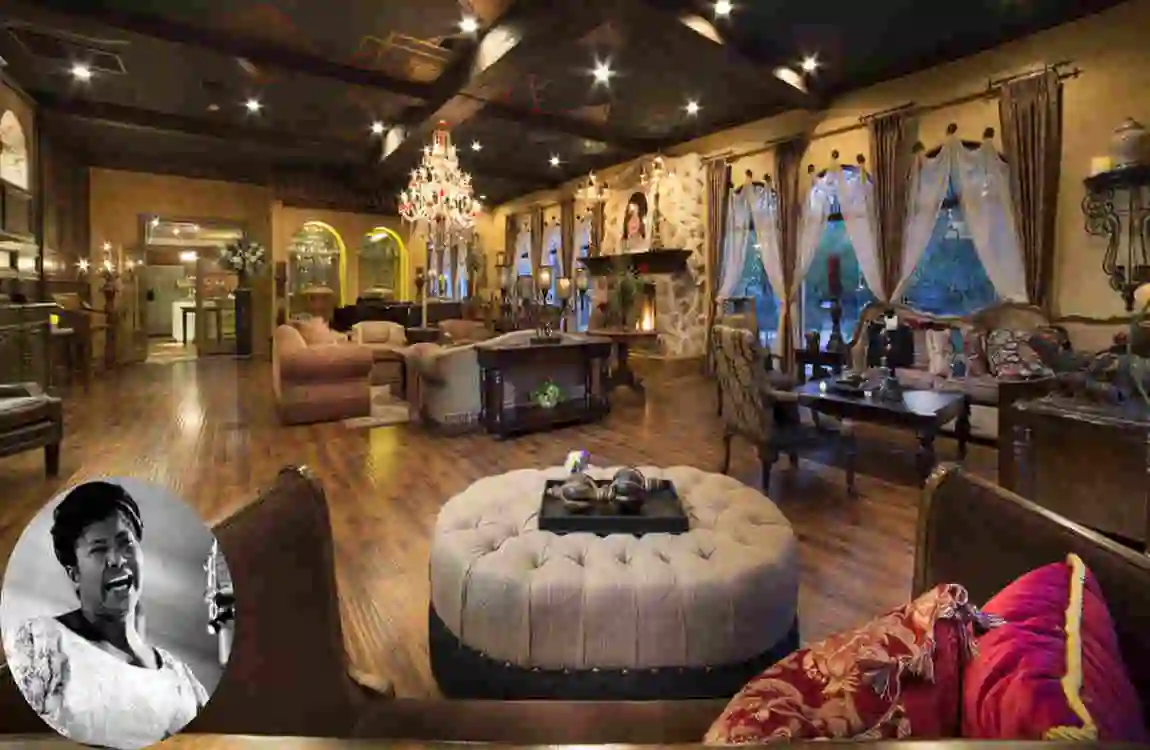
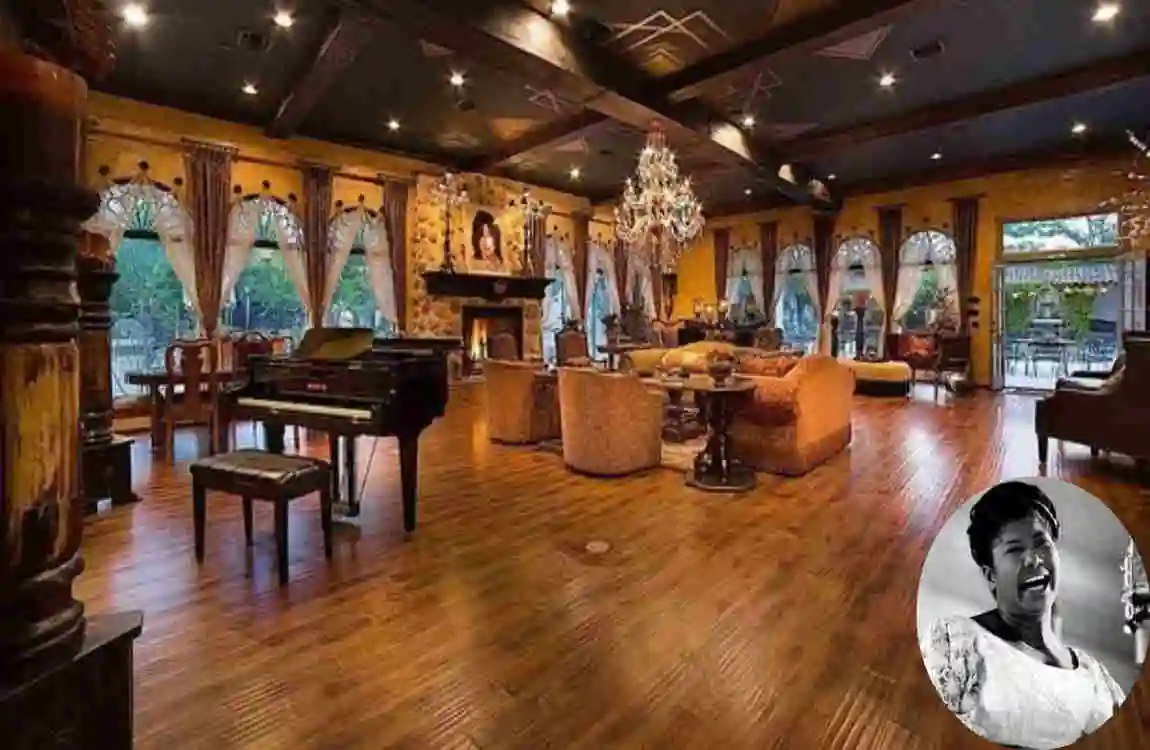
The interior was just as breathtaking as the exterior. The heart of the home was the incredibly wide living room, completely dominated by her grand piano. This was where she practised, composed, and let her voice ring out. The kitchen was airy and bright, specifically designed to handle the massive feasts she loved to cook for her friends and family.
Elegant Decor and Preserved History
Mahalia had a taste for the finer things. She decorated her sanctuary with luxurious Louis XIV furniture, imbuing the space with an air of royalty. She also installed custom lighting and intricate floor tiles. Amazingly, many of these original lights and tiles have been preserved over the decades, keeping her design vision alive.
Key Features of Mahalia Jackson’s House
To give you a clearer picture, here is a breakdown of the home’s most notable features:
Feature Details Significance
Brick Ranch Exterior: Seven rooms, green lawns, and a large chimney stood as a symbol of solid, unchanging stability since 1956.
Wrought-Iron Veranda Custom back extension, New Orleans style. Kept her deeply connected to her Southern hometown roots.
Living Room: Grand piano, incredibly spacious layout. Served as a creative hub and hosted countless celebrities.
Airy Kitchen Large counters, open design. The centre of her legendary hospitality and activism meetings.
Overcoming Racial Hostility
While the inside of Mahalia Jackson’s house was filled with music and joy, the environment immediately outside her front door was often filled with intense hatred. Her arrival in Chatham was not met with welcoming casseroles from her white neighbours. Instead, she was met with a wall of sheer racial hostility.
The Ugly Reality of White Flight
Almost immediately after she moved in, a sea of “For Sale” signs aggressively popped up across the lawns of her white neighbours. This was a classic, tragic example of “white flight.” Many white residents chose to flee the neighbourhood rather than live next door to a Black woman, even if that woman was an internationally beloved superstar.
Threats and Violence
The hostility went far beyond just moving away. Mahalia became the target of vicious, direct attacks. Cowards drove by in the dead of night and shot out her beautiful glass windows. She received terrifying phone calls and horrific warnings that her home would be blown up with dynamite if she refused to leave.
A Fortress Guarded by Police
The threats against her life became so severe that the city had to intervene. For an entire year, an armed police guard was stationed outside Mahalia Jackson’s house. Imagine the immense psychological toll of having to walk past armed guards to water your lawn or bring in your groceries. Yet, Mahalia never packed her bags.
A Changing of the Guard
Through sheer resilience, she outlasted the hatred. As white residents fled, the neighbourhood began to shift rapidly. Slowly but surely, a wave of successful Black professionals—doctors, lawyers, and business owners—began buying up the empty homes. Chatham transformed into a thriving, middle-class Black utopia, and Mahalia’s house stood at the very centre as an enduring emblem of resilience.
Iconic Guests and Gatherings
Mahalia Jackson was famous for her incredible generosity and her boundless hospitality. Once the neighbourhood stabilised, Mahalia Jackson’s house became the ultimate gathering place for the most influential figures of the 20th century.
The Kitchen That Changed History
If the walls of Mahalia’s airy kitchen could talk, they would tell stories of uproarious laughter, intense political debates, and the smell of incredible Southern cooking. Mahalia loved to cook massive pots of gumbo and red beans, feeding anyone who walked through her doors. Her home was a haven where famous faces could relax and be themselves away from the flashing cameras.
A Roster of Legends
The guest list at her Chatham home reads like a history book. She frequently hosted:
- Martin Luther King Jr.: He used her home as a vital resting stop and strategic meeting place when he brought his civil rights campaigns to Chicago.
- Louis Armstrong: The jazz legend would visit to share stories, music, and a taste of their shared New Orleans heritage.
- Edward R. Murrow: The legendary broadcaster visited her home to interview her, bringing her sanctuary into the living rooms of millions of Americans.
- Studs Terkel: The famous Chicago historian and broadcaster spent hours at her home, documenting her incredible life story.
The Link Between Hospitality and Activism
For Mahalia, hosting was not just about throwing a good party; it was deeply tied to her activism. She used her home to fundraise for the Civil Rights Movement. She fed hungry activists and provided a secure location for leaders to plan their marches.
The Spark for the “Dream” Speech
It was this deep, personal friendship with Dr King, nurtured right in her living room, that led to one of history’s greatest moments. During the 1963 March on Washington, it was Mahalia who shouted from the stage, “Tell them about the dream, Martin!” urging him to deliver the iconic speech that changed the world. That level of trust was built over plates of food inside Mahalia Jackson’s house.
Move, Sale, and Jackson’s Passing
As the 1960s came to a close, Mahalia’s health began to decline rapidly. Decades of relentless touring, heart issues, and the heavy emotional toll of the Civil Rights Movement—including the devastating assassination of her dear friend Dr King—had taken their toll on her body.
Relocating to Hyde Park
In 1970, seeking a different pace of life and needing easier access to medical care, Mahalia made the difficult decision to leave Chatham. She relocated to a luxurious condominium in the nearby Hyde Park neighbourhood. It was a beautiful new space, but leaving her beloved sanctuary behind was undoubtedly hard.
The Empty Sanctuary
For nearly two years, Mahalia Jackson’s house sat empty. It was as if the home was holding its breath, waiting for its vibrant owner to return. However, Mahalia knew it was time to pass the torch.
Passing the Torch to Roland Burris
In early 1972, she finally agreed to sell the property. The buyer was a highly successful, young Black banker named Roland Burris. Burris would later become an incredibly prominent political figure, eventually serving as a United States Senator. Selling the home to another rising Black leader felt like a fitting continuation of the home’s legacy.
A Tragic Timeline
The timing of the sale is one of the most poignant parts of this story. Just days after the paperwork was finalised and the house was sold to Burris, Mahalia Jackson passed away. She died on 27 January 1972, at the age of 60. Though she was gone, her spirit remained etched into the property. Recognising the home’s immense historical value, Roland Burris intentionally preserved its exterior during all subsequent remodels.
Today’s Mahalia Jackson’s House
If you drive down South Indiana Avenue today, the legacy of the Queen of Gospel still rings loud and clear. However, the property’s status has naturally evolved over the last half-century.
A Private Family Home
Today, Mahalia Jackson’s house remains privately owned by the Burris family. Because it is a private, working residence, there is absolutely no public access to the inside of the home. Fans cannot buy a ticket to walk through the wide living room or see the airy kitchen. The interiors have been updated to suit modern living, though the family has always treated the property with immense respect.
The Unchanged Exterior
While the inside has modernised, the exterior remains wonderfully original. The red-brick facade, the expansive lawns, and the grand chimney look much like they did when Mahalia lived there. The beautiful New Orleans-style wrought-iron veranda still clings to the back of the house, serving as a silent tribute to her Southern roots.
The Evolution of Chatham
The Chatham neighbourhood has also evolved. While it has faced its share of modern urban challenges, it remains a proud community deeply connected to its historical roots. The neighbourhood association and local historians work tirelessly to ensure that the stories of its famous former residents are never forgotten.
How to Appreciate the Site Today
Even though you cannot go inside, the home is a revered historical landmark. Historical markers celebrate her time there, and countless vintage photos are available online to show you exactly what it looked like in its prime. For our global readers, taking a virtual exploration through digital archives and online maps is a fantastic way to connect with this piece of history without disrupting the current owners.
Enduring Legacy
The story of Mahalia Jackson’s house is not just a story about real estate; it is a profound testament to an enduring, unbreakable legacy. Mahalia was a woman of “firsts,” and her home base in Chicago powered her to achieve unimaginable heights.
Musical Milestones
From her Chatham sanctuary, Mahalia travelled the world. She won multiple Grammy Awards, breaking barriers for gospel artists in mainstream music. She was the first gospel singer to perform at the legendary Carnegie Hall, proving that religious music belonged on the world’s most prestigious stages. All the while, she knew a safe, beautiful home awaited her return.
A Pillar of Civil Rights
Beyond the music, her posthumous honours heavily recognise her role as a civil rights icon. She financed campaigns, bailed out protestors, and used her massive platform to demand equality. Her home was the physical headquarters for much of this behind-the-scenes activism.
Inspiring Modern Homeownership
Today, Mahalia’s journey offers incredible parallels to the ongoing push for Black homeownership. The systemic racism and redlining she fought against in the 1950s still have lingering effects today. Her triumphant purchase of a $40,000 home against all odds remains a deeply inspiring blueprint for financial empowerment and community building.
A Life Well Lived
To add depth to her story, it is worth noting that her Chicago home was not her only sanctuary. As she grew older and wealthier, she also purchased a quiet, peaceful cottage in Wisconsin. It showed a woman who had spent her entire life working and fighting, finally allowing herself the luxury of rest. But it will always be the house in Chatham that stands as the ultimate monument to her life’s struggle and success.
Exploring Chatham Today
If you find yourself in Chicago and want to pay your respects to Mahalia’s legacy, exploring the Chatham neighbourhood is a deeply rewarding experience.
Local Landmarks
While you cannot enter her home, you can visit other incredible landmarks tied to her legacy. Just a short distance away is the current headquarters of the Rainbow/PUSH Coalition. Fascinatingly, this building was originally a synagogue, and Mahalia Jackson actually helped finance its purchase for her community. It is a living, breathing continuation of her philanthropic spirit.
A Respectful Drive By
You can absolutely take a quiet, respectful drive down Indiana Avenue. Cruising past the lush lawns and sturdy brick homes, you can easily picture what it was like when Mahalia and her famous friends walked these sidewalks. The neighbourhood is generally safe for daytime visitors, and locals are often proud to see people admiring their historic streets.
Virtual Travel for Global Fans
If you are reading this from a far-off place—perhaps you are a traveller from Lahore, Pakistan, or a student in London—you can still explore this space. Open up Google Maps and type in “8358 South Indiana Avenue, Chicago.” Dropping the little yellow street-view character onto the map allows you to stand outside Mahalia Jackson’s luxury house instantly. You can pan around, look at the beautiful brickwork, and feel a connection to history from thousands of miles away.
Where Does Mahalia Jackson Currently Live?
Mahalia Jackson, the legendary “Queen of Gospel,” passed away on January 27, 1972, so she does not currently live anywhere.
Mahalia Jackson’s House photo