

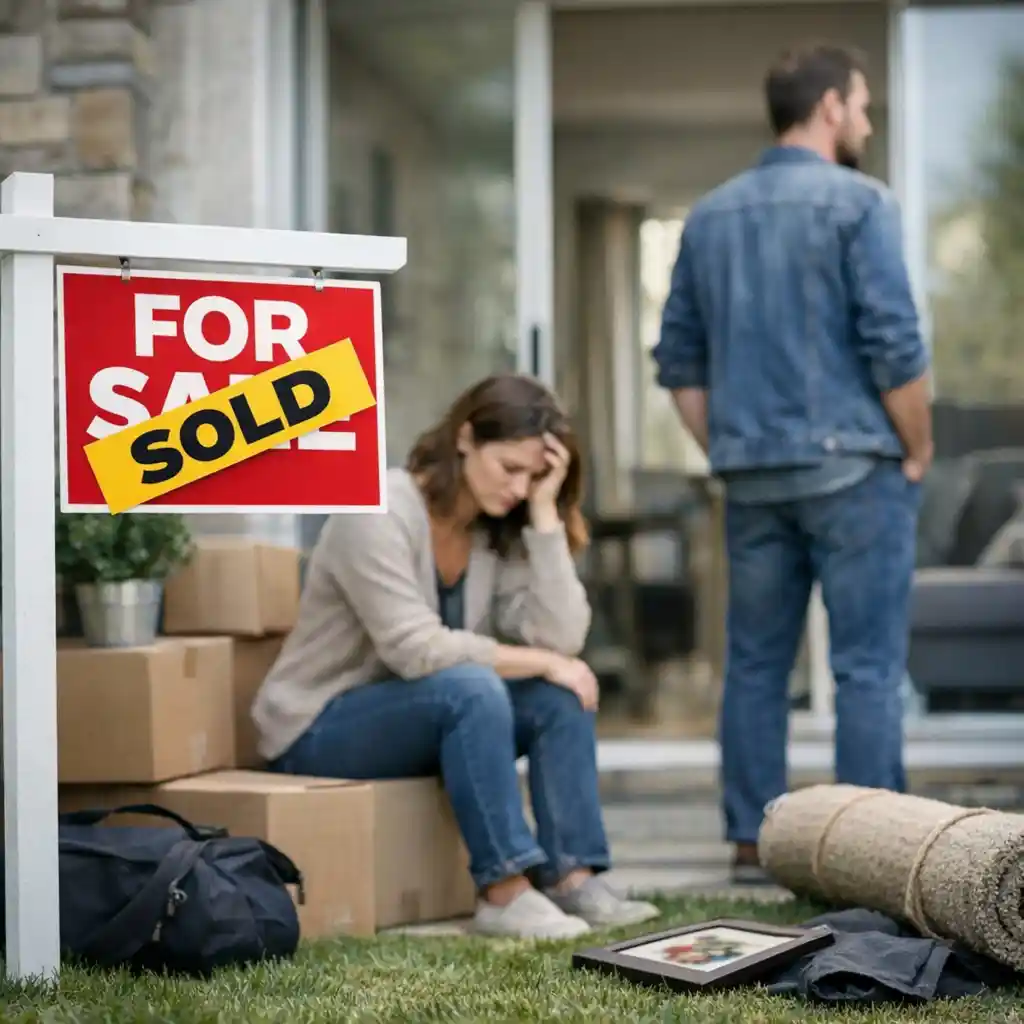
Ending a relationship is emotionally draining on its own. Adding a shared property to the situation can make everything feel even more overwhelming. A house is not just a financial asset. It holds memories, responsibilities, and legal ties. When a couple separates, deciding what to do with the home often becomes one of the most urgent and stressful tasks. When you know your choices, the process can go more smoothly, and there will be less disagreement between you and the other person.
Understanding Ownership and Legal Rights
The first step is to clarify how the property is legally owned. If both names are on the title, both parties usually need to agree before the house can be sold. If one person is the legal owner but the other has been contributing financially, there may still be a claim depending on local property and family laws. Speaking to a solicitor or legal adviser early can prevent misunderstandings and delays later.
It is also important to check whether there is an outstanding mortgage. Lenders must be informed about changes in living arrangements, especially if one person plans to move out while both names remain on the loan. Ignoring this can create financial risk for both people.
Deciding Whether to Sell
After a separation, there are generally three choices. One partner buys out the other, both continue owning the property for a period, or the home is sold. Selling is often the cleanest option, especially when neither person can afford to maintain the property alone.
Holding on to the home may seem emotionally comforting, but it can lead to ongoing financial ties and potential disputes. A sale allows both parties to split the proceeds, settle debts, and start fresh without shared obligations linked to the property.
Agreeing on the Sale Process
Communication is key, even if the relationship has ended. Both parties should agree on:
The asking price
How sales costs will be divided
What happens to the remaining mortgage balance
How profits will be split
Putting these agreements in writing helps avoid future disagreements. If communication is difficult, mediation services can help create a fair plan without going to court.
Preparing the Property for Sale
Even during a breakup, presentation matters. A clean and well-maintained property attracts better offers. However, major renovations may not be practical or affordable in this situation. Focus on small improvements like decluttering, basic repairs, and deep cleaning. These simple steps can increase buyer interest without adding extra stress.
If time or cooperation is limited, some sellers prefer to work with companies such as Home House Buyers, which purchase properties directly. This option can reduce the need for staging, viewings, and long negotiations.
Handling Emotional Challenges
Selling a shared home can reopen emotional wounds. Try to keep conversations about useful things instead of things that happened in the past with your partner. Setting clear communication boundaries can help prevent conflict. It may also help to let professionals, such as agents or legal advisers, handle most of the negotiations.
Remember that selling the house is not just about money. It is part of closing one chapter and allowing both people to move forward independently.
Moving Forward After the Sale
Once the sale is complete, ensure all financial matters are settled. This includes paying off the mortgage, covering legal fees, and dividing the remaining funds as agreed. Updating your address with banks, insurers, and other services is also important.
Although the process can feel overwhelming, a structured approach makes it more manageable. With clear agreements, professional advice, and practical decisions, selling a house after a relationship breakdown can become a step toward stability and a fresh start rather than a prolonged source of stress.
