

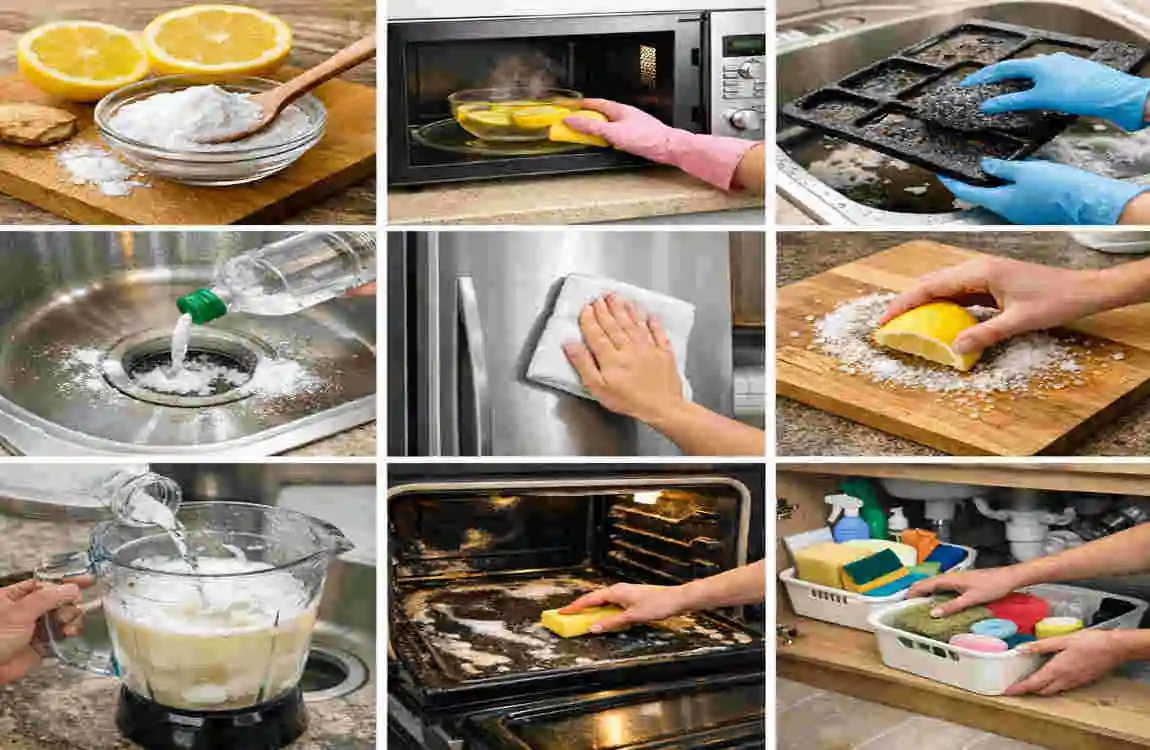
Dreading the post-dinner kitchen mess? You’re not alone. The kitchen, often called the heart of the home, can quickly become a chaotic and dirty space after cooking or eating. But what if I told you that keeping your kitchen spotless doesn’t have to take hours or require harsh chemicals? With easy kitchen cleaning hacks, you can transform your cleaning routine and have a sparkling kitchen in just minutes!
Why Quick Kitchen Cleaning Matters
Keeping your kitchen clean is about more than just appearances—it’s about health, efficiency, and peace of mind. Quick cleaning routines prevent grime and bacteria from building up, which can otherwise lead to unpleasant odors, stains, and even health hazards.
Here’s why easy kitchen cleaning hacks matter:
- Saves Time: No one wants to spend hours scrubbing after every meal. Quick hacks help you keep surfaces clean regularly, avoiding long, exhausting clean-ups later.
- Reduces Stress: A cluttered, dirty kitchen can feel overwhelming. Regular quick cleaning keeps your kitchen inviting and less daunting.
- Prevents Bacteria Buildup: Kitchens are hotspots for germs. Daily maintenance helps reduce bacteria, making your home safer for your family.
- Cost-Effective: Many hacks use everyday items like vinegar and baking soda, saving you money on expensive cleaners.
By incorporating these hacks into your daily kitchen maintenance, you can keep your kitchen healthy and spotless without breaking a sweat. For an added boost, consider pairing these tips with our eco-friendly cleaning products tailored to fast, effective kitchen care.
Now, let’s dive into the 10 easy kitchen cleaning hacks that will revolutionize your routine.
The 10 Easy Kitchen Cleaning Hacks
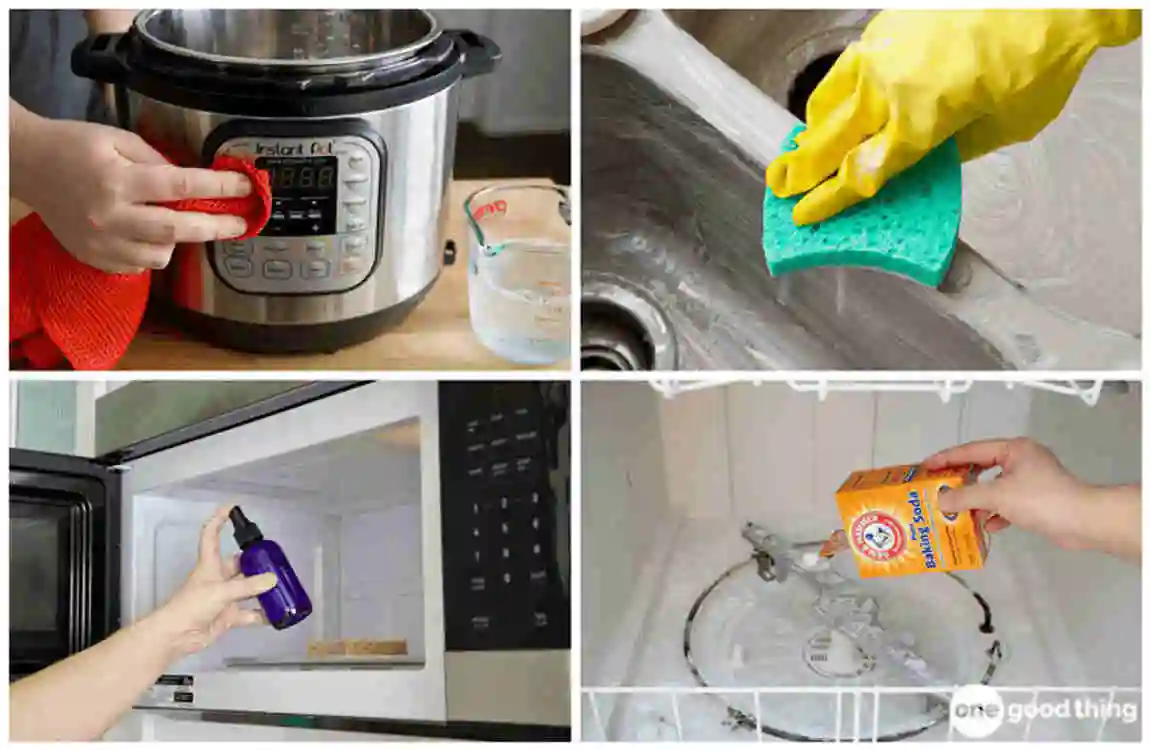
Vinegar Steam for Microwave Magic
Microwaves often become a mess of greasy splatters and food spills. Scrubbing them can be a chore, but vinegar steam makes it effortless.
Step-by-step:
- Mix equal parts water and white vinegar in a microwave-safe bowl.
- Place the bowl inside the microwave and heat on high for 5 minutes.
- Leave the door closed for a few more minutes to let the steam loosen grime.
- Carefully remove the bowl, then wipe its interior with a clean cloth.
Why it works: Vinegar’s mild acidity breaks down grease, while steam softens dried-on food particles, making wiping easier.
Baking Soda Paste for Stubborn Stains
Stains on sinks and counters can be tough to remove. Baking soda, with its gentle abrasiveness, is a fantastic natural cleaner.
Step-by-step:
- Mix baking soda with a small amount of water to form a thick paste.
- Apply the paste to stained areas and let it sit for 15 minutes.
- Scrub gently with a sponge or soft brush.
- Rinse thoroughly with warm water.
Why it works: Baking soda’s mild abrasive action lifts stains without damaging surfaces.
Lemon-Hot Water for Greasy Stovetops
Greasy stovetops can be stubborn and hard to clean. Lemon’s natural acidity cuts through grease effectively.
Step-by-step:
- Boil water and pour it into a heat-safe bowl.
- Squeeze fresh lemon juice into the hot water.
- Dip a cloth or sponge into the mixture and wipe the stovetop.
- For extra grease, sprinkle baking soda on the surface before wiping.
Why it works: Lemon juice breaks down oily residues, and hot water softens grime.
Newspaper Shine for Stainless Steel
Fingerprints and smudges on stainless steel appliances can be annoying. Instead of paper towels, try newspaper for a streak-free polish.
Step-by-step:
- Spray a little white vinegar on the stainless steel surface.
- Crumple a piece of newspaper and rub it over the surface.
- Buff until shiny and streak-free.
Why it works: The newspaper’s texture, combined with vinegar’s acidity, cleans and polishes without streaks.
Dish Soap + Hydrogen Peroxide for Cutting Boards
Cutting boards can harbor bacteria. This safe, effective combo disinfects wood and plastic boards.
Step-by-step:
- Spray the cutting board thoroughly and let it sit for 10 minutes.
- Scrub with a brush, rinse with warm water, and dry.
Why it works: Dish soap removes grease; Hydrogen peroxide kills bacteria without harsh chemicals.
Coffee Grounds Scrub for Pots and Pans
Burnt-on food can make pots and pans look terrible. Coffee grounds provide a natural, odor-neutralizing scrub.
Step-by-step:
- Sprinkle used, dry coffee grounds over the burnt areas.
- Add a few drops of dish soap and scrub with a sponge.
- Rinse thoroughly with warm water.
Why it works: Coffee grounds’ texture loosens burnt residue, while their natural scent neutralizes odors.
Rubbing Alcohol Spray for Appliance Exteriors
Fingerprints and smudges on fridges and ovens can make your kitchen look messy.
Step-by-step:
- Mix equal parts rubbing alcohol and water in a spray bottle.
- Spray lightly on appliance surfaces.
- Wipe with a microfiber cloth until dry and streak-free.
Why it works: Rubbing alcohol evaporates quickly and dissolves oils, leaving a clean finish.
Toothpaste Trick for Faucet Chrome
Faucet chrome can dull over time. Toothpaste is a gentle polish that restores shine without scratching.
Step-by-step:
- Apply a small amount of non-gel toothpaste to a soft cloth.
- Rub gently onto the faucet chrome in circular motions.
- Rinse with warm water and dry with a clean cloth.
Why it works: Toothpaste contains mild abrasives that remove grime and restore shine.
Salt + Dish Soap for Drains
Clogged or smelly drains are a common kitchen nuisance. This fizzing combo helps clear blockages and freshen drains.
Step-by-step:
- Pour ½ cup of salt into the drain.
- Add ½ cup dish soap.
- Pour boiling water down the drain.
- Let it sit for 10 minutes, then flush with warm water.
Why it works: Salt scrubs inside pipes while soap breaks down grease, and hot water flushes it all away.
Dryer Sheets for Cabinet Dusting
Dust and grease buildup on cabinets can dull their look. Dryer sheets attract dust and reduce static cling.
Step-by-step:
- Take a clean dryer sheet.
- Wipe down cabinet surfaces and handles.
- Dispose of the sheet once it’s dirty.
Why it works: Dryer sheets have anti-static properties that attract dust and leave a slight fresh scent.
Implementation Tips for Busy Homes
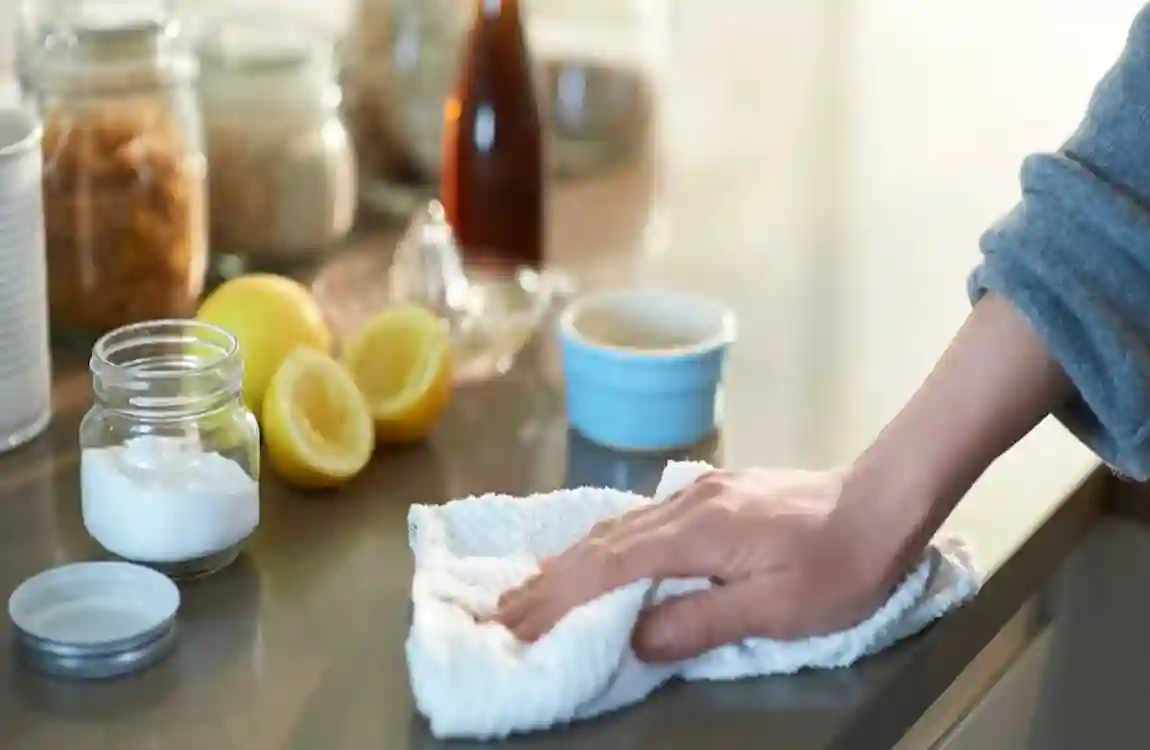
Keeping a spotless kitchen doesn’t have to be overwhelming, even with a busy schedule. Here’s how to integrate these hacks into your daily or weekly routine:
- Daily Quick Wipe: Use vinegar steam in the microwave and rubbing alcohol spray on appliances.
- Weekly Deep Clean: Baking soda paste on counters, lemon-hot water on stovetops, and salt + dish soap drain treatment.
- Keep Supplies Handy: Stock vinegar, baking soda, lemons, dish soap, and rubbing alcohol in your kitchen cabinet for easy access.
- Avoid Over-Wetting: Especially on wood surfaces like cutting boards and cabinets, excess water can cause damage.
- Multi-task: Use coffee grounds scrub while soaking pans to save time.
Supply List Table:
ItemPurposeFrequency
White Vinegar Microwave steam, stainless steel Weekly/Daily
Baking Soda Stain paste, drain cleaning, Weekly
Lemons, degreasing stovetop, refreshing boards Weekly
Dish Soap General cleaning, cutting boards Daily/Weekly
Hydrogen’s Peroxide Disinfecting cutting boards Weekly
Coffee Grounds Scrubbing pots/pans As needed
Rubbing Alcohol Appliance exteriors Weekly
Toothpaste (non-gel), Polishing faucets, Monthly
Salt Drain cleaning Weekly
Dryer Sheets, Dusting cabinets, Weekly
FAQs
Q1: What are the best easy kitchen cleaning hacks using natural ingredients?
A1: Hacks like vinegar steam, baking soda paste, lemon-hot water, and coffee grounds scrub use natural items that clean effectively without harsh chemicals.
Q2: How long do these kitchen cleaning hacks take?
A2: Most hacks take 5 and 15 minutes, making them perfect for quick daily or weekly cleaning sessions.
Q3: Are these hacks safe for all kitchen surfaces?
A3: Generally, yes, but avoid abrasive scrubs on delicate surfaces and always test on a small area first.
Q4: Can I use these hacks if I have kids or pets?
A4: Yes! These natural ingredients are safer alternatives to harsh chemicals, but keep all cleaning mixtures out of reach.
Q5: How often should I use these hacks?
A5: Some hacks, like daily wiping, can be done every day, while others, like deep cleaning, may be weekly or monthly.
