

Korean culture is a rich blend of ancient tradition and dynamic modernity, shaped by centuries of history, Confucian values, and a strong sense of community. While South Korea and North Korea have developed distinct characteristics since their division, many core cultural elements remain shared across the Korean peninsula.
Explanation of the traditional Korean bathroom layout and features
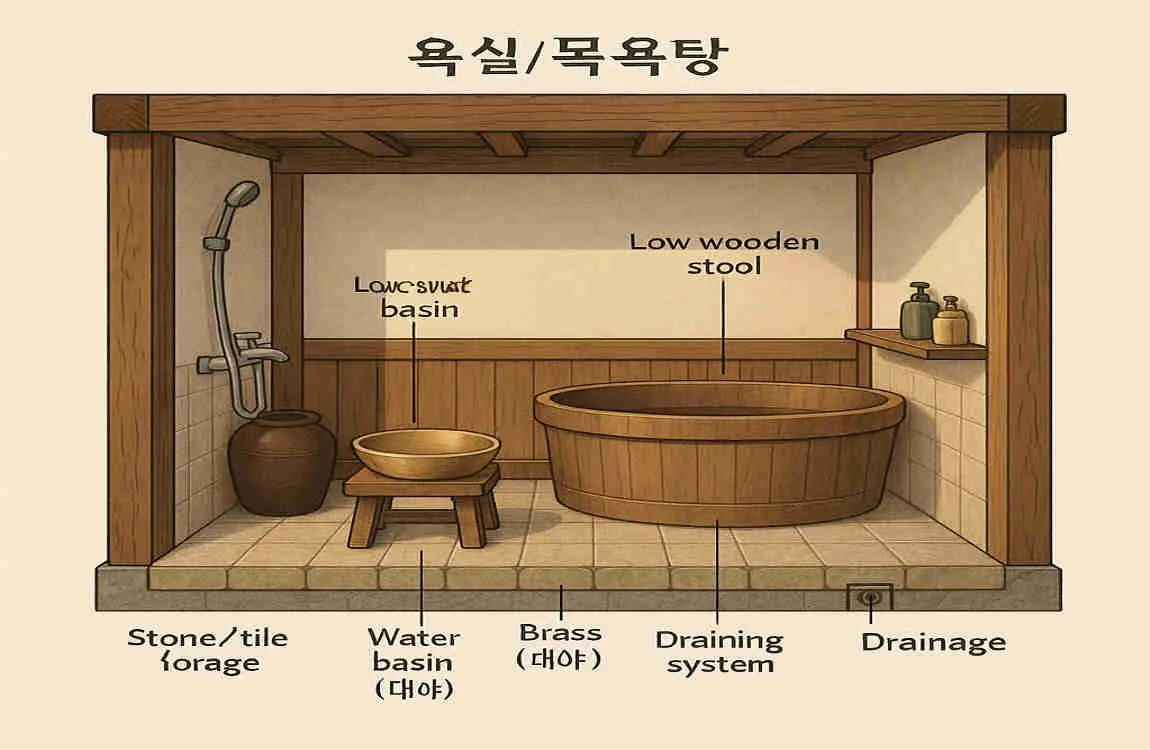
Korean bathroom layouts are designed with a strong focus on functionality, space efficiency, and a minimalist aesthetic.
Wet Room Concept:
Korean bathrooms commonly adopt a damp room design where curtains or glass partitions do not separate the shower area.
Heated Floors:
Many Korean bathrooms feature heated floors, providing comfort during colder months and contributing to the overall cozy ambiance
Minimalist Design:
The aesthetic leans toward minimalism with clean lines, uncluttered spaces, and hidden storage solutions to maintain tidiness.
Evolution of bathrooms in modern Korean homes
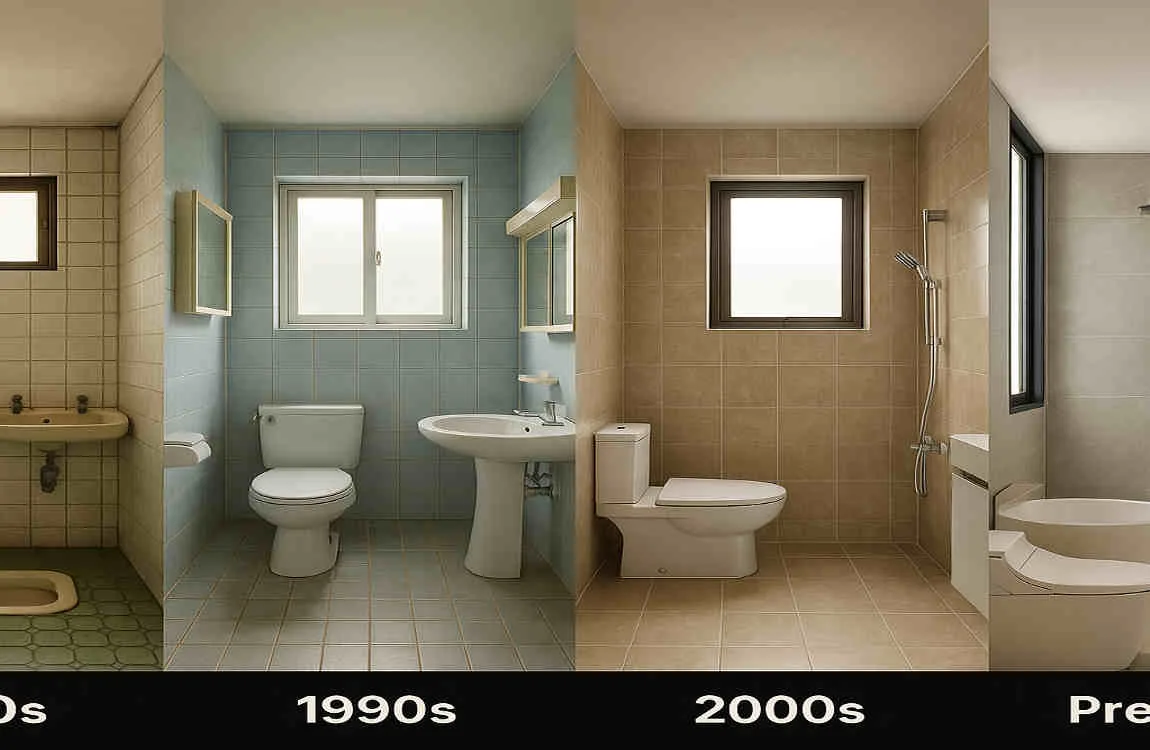
The evolution of bathrooms in modern Korean homes reflects the country’s rapid urbanization and technological advancements. Traditional layouts, which often separated the toilet from bathing areas, have gradually transformed into more integrated designs.
Today, many apartments feature sleek, multifunctional spaces that combine both functions. The emphasis is on maximizing comfort while maintaining efficiency. Smart technology has also made its way into these private sanctuaries. Heated floors and automated toilets are now common amenities. Bidets with adjustable settings enhance hygiene and convenience.
As lifestyles change, Koreans continue to embrace innovations that make their bathroom experiences seamless yet stylish.
Tips for using a Korean bathroom as a foreigner

Navigating a Korean bathroom can be an adventure for newcomers. First, familiarize yourself with the toilet types. Some homes have traditional squat toilets, while others feature modern Western-style ones. If you encounter a bidet, don’t shy away. It might take a moment to figure out the controls, but many find them refreshing and hygienic.
Be prepared for wet bathrooms. In some homes, the entire space is designed to get wet during showers. Water drains directly into the floor, so keep your belongings elevated or tucked away from splashes. Always respect privacy when using shared facilities—knock before entering and ensure doors are properly closed behind you. Understanding these nuances will enhance your experience in Korean households and help avoid awkward situations.
Cultural etiquette in the bathroom

Bathroom etiquette is deeply tied to cultural values about hygiene, privacy, and respect. Travelers and residents should be mindful of these differences, such as water use versus toilet paper, disposal methods, and expectations for cleanliness. Adapting to local customs, whether it means using a bidet, not flushing toilet paper, or paying to use a restroom, helps avoid misunderstandings and shows respect for the host culture.
Where Exactly Is the Bathroom in a Korean Home? FAQ
Q: Where is the bathroom usually located in a Korean home?
In most modern Korean apartments, the bathroom is located near the entrance hallway or off the main living area, often close to the bedrooms.
Q: Do Korean homes have more than one bathroom?
Yes. Many newer apartments have two bathrooms: one near the entrance and one inside or near the master bedroom.
Q: Are bathrooms in Korean homes separate from the toilet?
Usually no. Most Korean bathrooms are wet‑room style, meaning the toilet, sink, and shower are all in the same space.
Q: Do Korean bathrooms have bathtubs?
Smaller apartments often do not. Larger or newer homes may include a shower‑tub combination or a separate tub in the main bathroom.
Q: Is the shower typically enclosed?
In many homes, the shower is not enclosed; the entire bathroom may get wet. Higher‑end apartments more often have glass shower partitions.
Q: Why are bathrooms often near the entrance?
This layout comes from traditional Korean design and plumbing efficiency—keeping water pipes grouped together simplifies construction.
Q: What is the Korean word for “bathroom”?
The most common term is (hwajangsil).
