
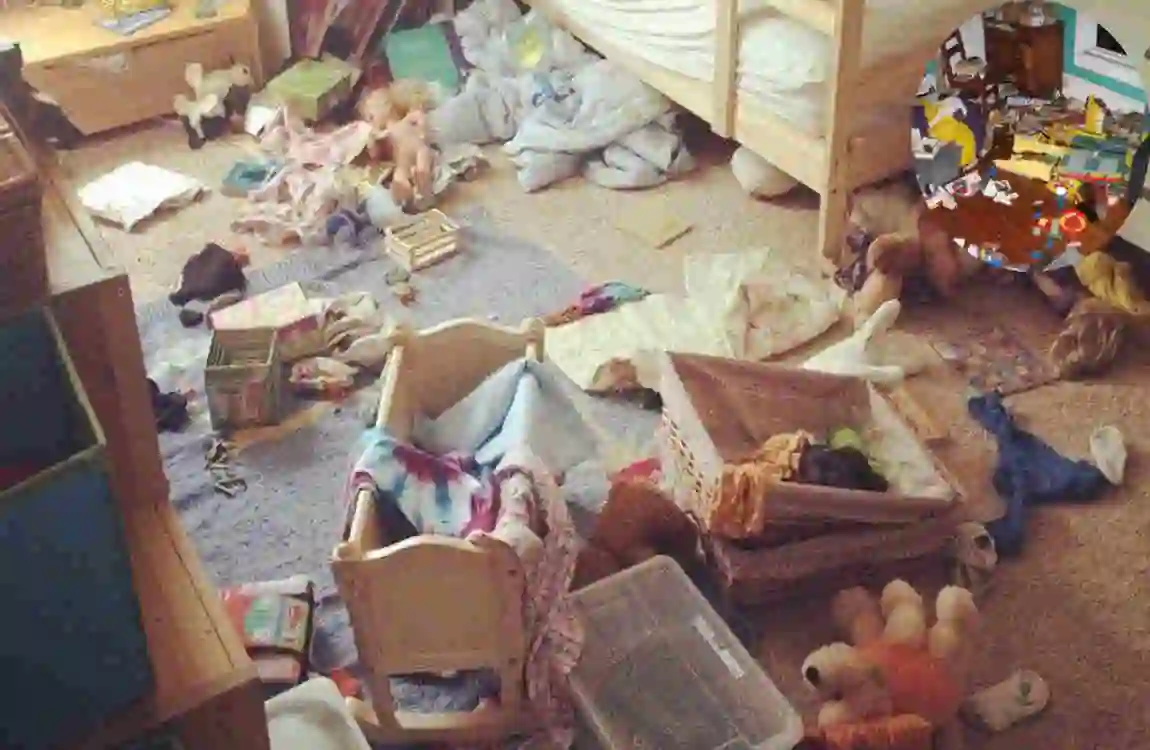
Keeping a home clean is something most people strive for, yet many still wonder what is considered a dirty house. The truth is that everyone has a different opinion about cleanliness. Some people believe a house is dirty if there is dust on the shelves. In contrast, others may not worry unless dishes are piling up in the sink or trash is overflowing. Because standards vary so much, many homeowners feel unsure about whether their home is simply a little messy or truly dirty.
In general, a dirty house is more than a home that looks lived in. It usually means dirt, grime, odors, bacteria, and clutter have built up enough to affect comfort, hygiene, and even health. A home that remains dirty for long periods can cause stress, attract pests, damage property, and make daily life unpleasant.
What Is Considered a Dirty House? Understanding the Definition
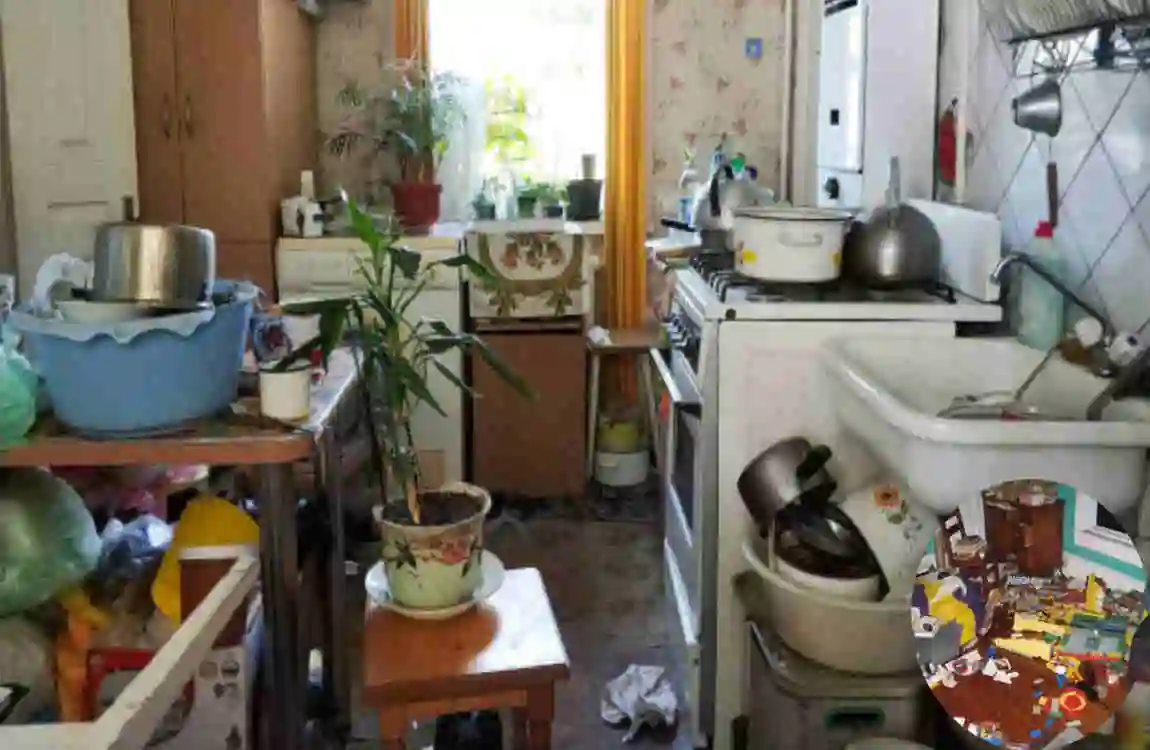
Many people ask what is considered a dirty house because cleanliness can feel subjective. One person’s idea of “clean enough” may look completely unacceptable to someone else. However, while personal standards differ, there are general signs that indicate when a home moves from ordinary messiness to true dirtiness.
General Meaning of a Dirty House
A dirty house is one where dirt, dust, grime, clutter, odors, or waste have accumulated due to poor or inconsistent cleaning. It goes beyond having a few things out of place.
For example, a few unfolded clothes on a chair may simply mean your home is busy. But if floors are sticky, trash has not been taken out in days, and surfaces are covered in dust, most people would consider the house dirty.
A dirty house often includes:
- Unclean floors and surfaces
- Bad smells throughout the rooms
- Trash buildup
- Visible stains and grime
- Poor bathroom or kitchen sanitation
- Dust accumulation in multiple areas
In simple terms, a dirty house is one where cleanliness and hygiene have been neglected to the point that comfort and livability are affected.
Professional Cleaning Standards
Professional cleaners often evaluate homes based on cleanliness, sanitation, and maintenance rather than appearance alone.
They look for signs such as:
Cleaning Factor: What Professionals Notice
Dust Levels : Dust buildup on surfaces, vents, and corners
Odors Lingering smells from trash, pets, or mildew
Surface Hygiene : Sticky, greasy, or stained counters
Floor Condition : Dirty carpets, stained flooring, debris
Bathroom Cleanliness Soap scum, mold, grime, toilet stains
Kitchen Sanitation : Dirty dishes, grease buildup, food residue
Professionals understand that a house can appear neat but still be dirty underneath if hygiene is poor.
When Dirt Becomes a Health Concern
A home becomes more concerning when dirt starts affecting health and safety. This happens when:
- Mold begins growing in damp areas
- Pests appear due to food waste
- Dust triggers allergies
- Bathrooms and kitchens become unsanitary
- Air quality worsens due to the buildup
At this point, the issue moves beyond appearance and becomes a serious household concern.
Common Signs That a House Is Considered Dirty
Recognizing the signs of a dirty home helps you know when it may be time for deeper cleaning.
Visible Dust and Dirt Buildup
Dust is one of the easiest indicators of a dirty home. If you notice layers of dust collecting on furniture, electronics, shelves, ceiling fans, or vents, it may indicate that cleaning has been delayed too long.
Dust often gathers in:
- Corners of rooms
- Baseboards
- Under furniture
- Window ledges
- Air vents
Dirty floors are another obvious sign. If crumbs, dirt, pet hair, or stains are visible, your home may need immediate attention.
Lingering Bad Odors
A clean home should smell fresh or neutral. If unpleasant odors linger, it often means something is dirty.
Common odors include:
- Trash smells
- Pet odors
- Musty mildew smells
- Rotten food odors
- Bathroom smells
Bad smells are among the strongest indicators that a home needs cleaning, as they often point to bacteria, mold, or hidden dirt.
Stained or Sticky Surfaces
Sticky countertops, stained tables, greasy stovetops, and grimy bathroom sinks suggest dirt buildup.
These areas can quickly become dirty because they are used daily. If left uncleaned, grease, food particles, and bacteria can build up rapidly.
Overflowing Trash and Clutter
Piles of trash create both a visual mess and sanitation problems.
Signs include:
- Full garbage bins
- Bags of trash left indoors
- Food wrappers lying around
- Empty containers stacked up
Clutter itself may not mean dirt, but when clutter prevents cleaning, it contributes to dirt buildup.
Mold, Mildew, or Pest Problems
Mold or pests often indicate a home has serious cleanliness or maintenance issues.
Examples include:
- Black spots in bathrooms
- Mildew smells in damp rooms
- Ants near food
- Cockroaches in kitchens
- Rodents in storage areas
These issues suggest dirt, moisture, or food waste has gone unmanaged.
Main Causes of a Dirty House
Understanding why homes get dirty can help prevent the problem.
Busy Schedules and Lack of Time
Modern life is hectic. Many people juggle:
- Full-time jobs
- Parenting responsibilities
- School schedules
- Social commitments
Because of this, cleaning often falls to the bottom of the to-do list.
Poor Cleaning Habits
Some people lack a routine. Without regular habits, dirt builds up over time.
Poor habits include:
- Ignoring spills
- Skipping chores
- Delaying laundry
- Avoiding deep cleaning
Too Much Clutter
Clutter makes cleaning harder. When surfaces are crowded with items, it becomes difficult to dust or wipe down properly.
Too much clutter can also make rooms feel dirtier than they are.
Pets and Children
Pets and kids naturally create messes.
Examples include:
- Pet hair
- Muddy footprints
- Food spills
- Toys everywhere
- Fingerprints on walls
Homes with children and pets often require more frequent cleaning.
Mental or Physical Health Challenges
Health struggles can affect housekeeping.
Conditions like depression, anxiety, chronic pain, or mobility limitations may reduce a person’s energy and ability to clean regularly.
Health Risks of Living in a Dirty House
A dirty home can affect your physical and mental well-being.
Allergies and Respiratory Problems
Dust, pet dander, and mold spores can worsen:
- Allergies
- Asthma
- Sinus issues
- Breathing problems
Bacteria and Germ Exposure
Dirty kitchens and bathrooms often contain harmful bacteria.
Areas at highest risk include:
- Kitchen sinks
- Cutting boards
- Toilets
- Bathroom sinks
Increased Stress and Anxiety
Mess and dirt can impact mental health. Many people feel overwhelmed, anxious, or embarrassed when their home feels unclean.
A cluttered environment may also reduce focus and productivity.
Risk of Insects and Rodents
Food crumbs, dirty dishes, and trash attract pests like:
- Ants
- Cockroaches
- Flies
- Mice
Pests create additional hygiene concerns and damage.
Dirty House vs Messy House: What’s the Difference?
Understanding the distinction between a messy and a dirty house helps clarify the issue.
What Makes a House Messy
A messy house may include:
- Toys on the floor
- Unfolded laundry
- Papers on counters
- Temporary clutter
Messiness often happens during daily life and is not always unhygienic.
What Makes a House Dirty
A dirty house involves sanitation issues like:
- Mold
- Dirt buildup
- Unwashed dishes
- Rotten food
- Grimy bathrooms
Why the Difference Matters
Knowing the difference helps reduce guilt. A home can be untidy without being unhealthy.
How to Keep Your House Clean and Avoid It Becoming Dirty
Prevention is easier than deep cleaning.
Create a Daily Cleaning Routine
Simple daily habits help prevent buildup.
Try these daily tasks:
- Make beds each morning
- Wipe counters after meals
- Wash dishes nightly
- Sweep high-traffic floors
- Take out trash regularly
Follow a Weekly Cleaning Schedule
Assign tasks to different days.
Example:
Day Cleaning Task
Monday Dust furniture
Tuesday Vacuum floors
Wednesday Clean bathrooms
Thursday Mop floors
Friday Laundry and linens
Saturday Kitchen deep clean
Sunday Rest or light touch-ups
Declutter Regularly
Less clutter means easier cleaning.
Declutter by:
- Donating unused items
- Organizing storage bins
- Reducing duplicate household items
Deep Clean Monthly
Monthly cleaning should include:
- Washing windows
- Cleaning vents
- Moving furniture
- Scrubbing grout
- Cleaning appliances
Involve the Whole Household
Cleaning should not fall on a single person.
Assign family members age-appropriate chores to keep the home manageable.
Professional Tips for Maintaining a Cleaner Home

Use the Right Cleaning Products
Not all cleaners work equally.
Choose products made for:
- Glass
- Wood
- Tile
- Stainless steel
- Upholstery
Using proper products improves results.
Clean as You Go
Do not wait for messes to pile up.
Examples:
- Wipe spills immediately
- Put dishes away after eating
- Return items to their place
Don’t Ignore Hidden Areas
Hidden dirt matters too.
Remember to clean:
- Under beds
- Behind appliances
- Ceiling fans
- Air vents
Hire Professional Cleaners if Needed
Sometimes professional help is worth it, especially for:
- Busy families
- Deep cleans
- Move-in/move-out cleaning
- Health limitations
Frequently Asked Questions About Dirty Houses
Is It Normal for a House to Get Dirty Quickly?
Yes. Dust, dirt, and clutter naturally accumulate daily through everyday living activities.
How Often Should You Deep Clean a House?
Most homes benefit from deep cleaning at least once a month.
Can a Dirty House Affect Property Value?
Yes. Dirty homes can reduce appeal and may damage surfaces over time.
What Is the Fastest Way to Clean a Dirty House?
Start with:
- Throwing away trash
- Decluttering surfaces
- Washing dishes
- Wiping surfaces
- Vacuuming floors
