
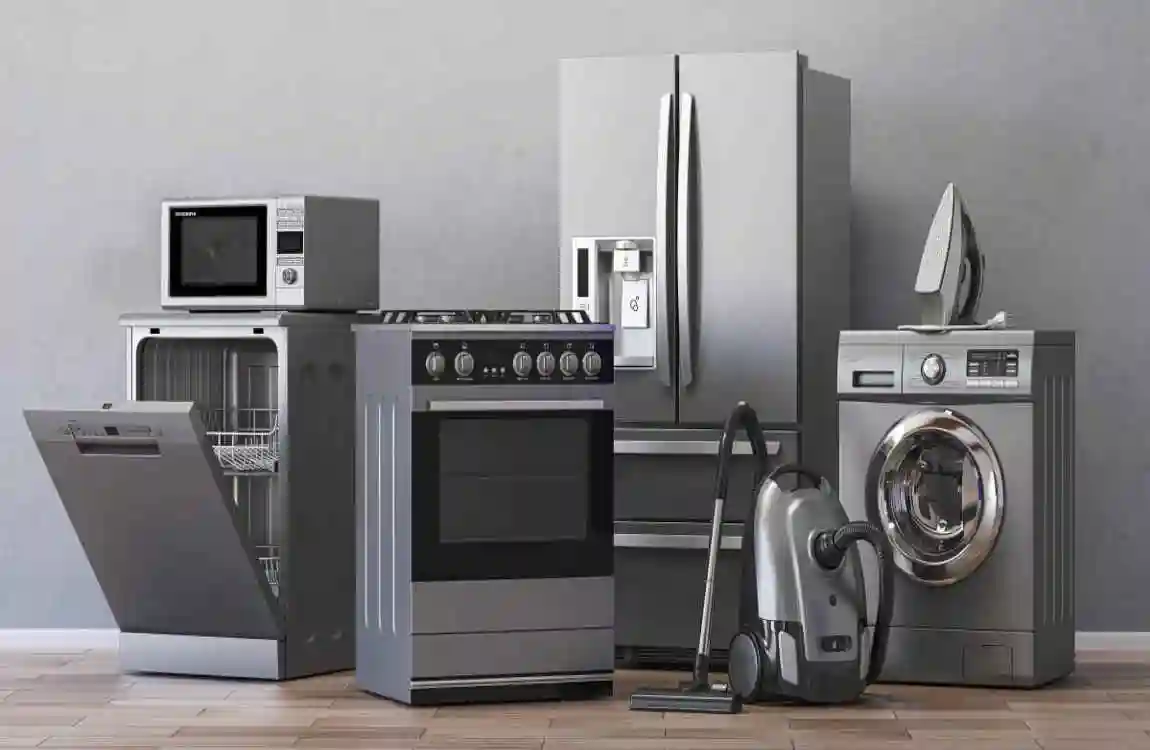
Imagine coming home after a long day to a house that already knows your needs. The temperature is perfect, the lights are just how you like them, and your favorite music is playing softly in the background. Contrast that with the chaos of a traditional home—searching for misplaced remotes, manually adjusting appliances, or worrying about whether you left the oven on. This is the power of innovative household appliances: they transform your living space into a responsive, efficient, and comforting environment.
So, what exactly are household appliances in the context of a smart home? Simply put, these are devices connected to your home Wi-Fi or smart home system, designed to automate daily tasks and provide convenience. From refrigerators that track your groceries to thermostats that learn your schedule, smart household appliances enhance your lifestyle in ways traditional devices simply cannot.
Why Upgrade to Smart Household Appliances?
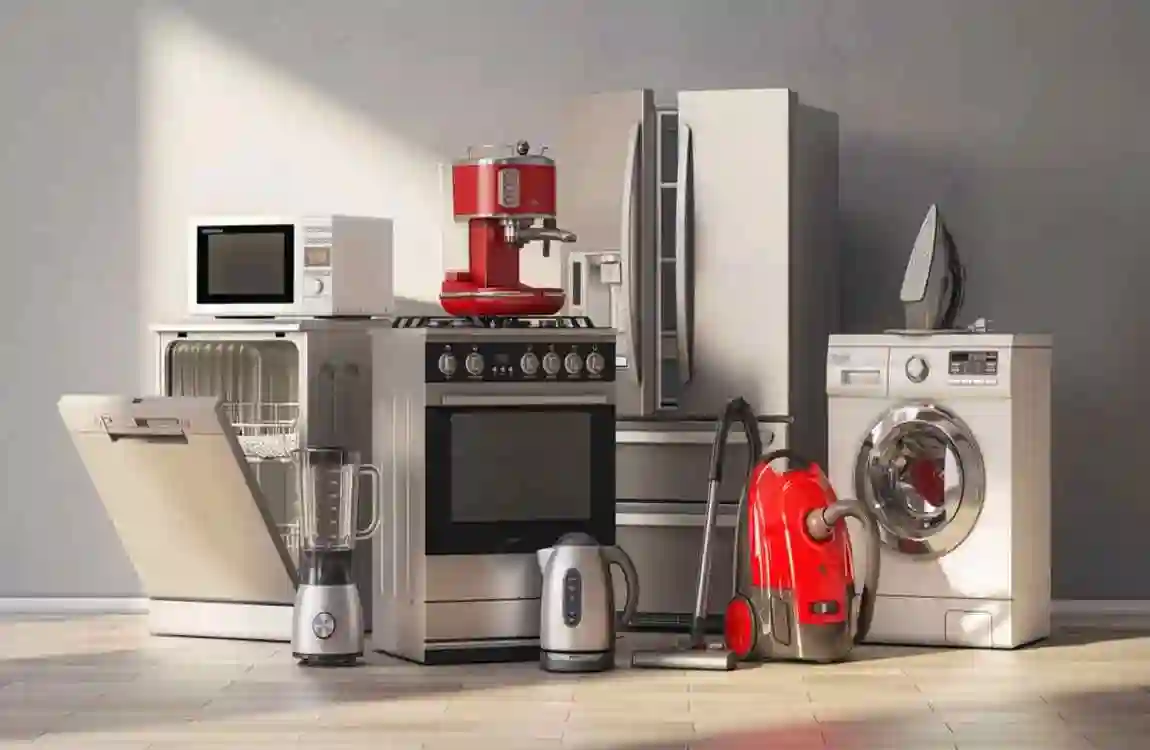
Upgrading your home with smart household appliances isn’t just about owning the latest gadgets—it’s about enhancing your daily life. Here’s why smart appliances deserve a spot in your home:
- Energy Efficiency and Cost Savings
- Smart thermostats, for example, can cut your energy bills by 10-15% by learning your routine and adjusting heating or cooling accordingly. Over time, these savings add up, making smart appliances a wise financial choice.
- Enhanced security and Peace of Mind
- Smart security cameras and doorbells provide real-time alerts and remote monitoring, giving you complete control over your home’s safety, no matter where you are.
- Time-Saving Automation
- From robot vacuums that clean while you work to innovative coffee makers that have your brew ready when you wake up, automation frees up precious time.
- Future-Proofing Your Home
- Smart appliances integrate seamlessly with popular apps like Google Home and Amazon Alexa, ensuring your home stays up to date with evolving technology standards.
To help you better understand the benefits, here’s a quick comparison between traditional and innovative appliances:
Feature/Aspect: Traditional Appliances, Smart Household Appliances
Cost is usually lower upfront , but higher upfront, but saves long-term
Energy Efficiency Fixed settings, higher usage Adaptive, optimized for savings
Features : Basic functions , Advanced automation, remote control
User Control Manual Voice & app control
Security Limited Real-time alerts, remote monitoring
Upgrading means investing in smarter living, not just better gadgets.
Top 10 Must-Have Household Appliances for Your Smart Home
Here are the top 10 household appliances that deliver the most significant impact on your day-to-day life. These picks are ranked based on versatility, user reviews, and overall value in 2026.
Smart Thermostats e.g., Nest, Ecobee
Nothing beats walking into a perfectly cozy home, and smart thermostats make it effortless.
Key Features:
- Learns your schedule and adjusts temperature automatically
- Remote control via smartphone apps
- Energy usage reports and recommendations
- Integration with voice assistants like Alexa and Google Home
Price Range (2026): $120 – $250
Robot Vacuum Cleaners e.g., iRobot Roomba
Say goodbye to daily sweeping and mopping with a robot vacuum that cleans on your schedule.
Key Features:
- Intelligent mapping to avoid obstacles
- Scheduled cleaning sessions
- Self-charging capabilities
- App control and voice commands
Price Range (2026): $200 – $700
Smart Refrigerators (e.g., Samsung Family Hub)
More than just a cooling box, smart fridges help manage food and family life.
Key Features:
- Touchscreen for calendars, notes, and recipes
- Internal cameras to check groceries remotely
- Voice control for hands-free operation
- Energy-efficient cooling modes
Price Range (2026): $1,500 – $3,000
Smart Washing Machines and Dryers (e.g., LG ThinQ)
Laundry becomes less of a chore with smart washers and dryers.
Key Features:
- Remote cycle monitoring and control
- Detergent auto-dosing for optimal use
- Energy-efficient operation
- Notifications when cycles finish
Price Range (2026): $800 – $1,500 per unit
Voice-Controlled Speakers (e.g., Amazon Echo, Google Nest Hub)
These speakers act as the brain of your smart home.
Key Features:
- Voice control for all connected devices
- Hands-free assistance and information
- Music streaming and brilliant routines
- Supports multiple user profiles
Price Range (2026): $50 – $200
Smart security Cameras and Doorbells (e.g., Ring, Arlo)
Keep an eye on your home anytime, anywhere.
Key Features:
- Real-time motion alerts
- Two-way Audio communication
- Night vision and HD video
- Cloud or local storage options
Price Range (2026): $100 – $400
Smart Lighting Systems (e.g., Philips Hue)
Set the perfect mood with bright lighting that listens to you.
Key Features:
- Customizable colors and brightness
- Motion sensors and scheduling
- Voice and app control
- Energy-efficient LED bulbs
Price Range (2026): $50 – $300 (per room setup)
Smart Coffee Makers (e.g., Keurig, Nespresso with app)
Wake up to your perfect cup, every single day.
Key Features:
- Schedule brews via smartphone
- Voice-activated brewing
- Adjustable strength and size
- Maintenance alerts
Price Range (2026): $150 – $400
Smart Ovens and Cooktops (e.g., June Oven)
Cooking becomes smarter, safer, and more precise.
Key Features:
- AI-powered recipe scanning
- Remote preheating and monitoring
- Multiple cooking modes and sensors
- Voice control integration
Price Range (2026): $500 – $1,200
Whole-Home Air Purifiers (e.g., Dyson Pure Cool)
Breathe easy with smart air purification that adapts to your environment.
Key Features:
- Real-time air quality monitoring
- App-controlled fan speed and modes
- HEPA filtration for allergens and pollutants
- Sleek, space-saving designs
Price Range (2026): $300 – $700
How to Choose the Right Household Appliances for Your Budget and Needs
Choosing the right home appliances can feel overwhelming, but focusing on these factors helps simplify your decision:
- Compatibility: Ensure devices work with your existing smart home ecosystem—whether that’s Apple HomeKit, Amazon Alexa, or Google Home. Look for protocols like Zigbee or Z-Wave for seamless device communication.
- Energy Ratings: Check for Energy Star certifications to maximize savings.
- Features vs. Needs: Prioritize must-have features over bells and whistles.
- Budget: Set a realistic budget to avoid overspending.
Here’s a quick budget tier guide to help you match appliances to your wallet:
Budget TierPrice RangeTypical Appliances
Entry-level Under $200 Voice speakers, bare smart bulbs, robot vacuums (basic)
Mid-range $200 – $500 Smart thermostats, security cameras, and advanced vacuums
Premium Over $500 Smart refrigerators, ovens, and complete laundry sets
Remember, matching smart household appliances to your lifestyle ensures you get the best return on investment—both in convenience and savings.
Installation and Integration Tips for Seamless Smart Home Setup
Getting your smart home up and running is easier than you think! Follow these simple steps:
- Assess Wi-Fi Strength: Make sure your home has robust Wi-Fi coverage. Consider mesh Wi-Fi systems for larger spaces.
- Start with a Hub: Choose a central smart home hub (like Google Nest Hub or Amazon Echo) to unify control.
- Use IFTTT: Connect disparate devices with IFTTT (If This Then That) for custom automations.
- Prioritize Matter-Compatible Devices: Look for household appliances that are compatible with the new 2026 Matter standard for improved interoperability.
Common Myths About Smart Household Appliances Debunked
Let’s clear up some common misconceptions:
- “They’re too expensive.”
- Entry-level smart devices now start under $100, making smart living affordable.
- “They’re vulnerable to hacking.”
- Using strong passwords and regularly updating firmware significantly reduces risks.
- “Setup is complicated.”
- Most smart appliances offer app-based setups that take less than 10 minutes.
FAQs
What are the best household appliances for small apartments?
Competent vacuum cleaners, compact smart speakers, and space-saving bright lighting are ideal for smaller spaces.
Do smart household appliances work without the internet?
Some appliances offer limited offline functionality, but most features require a stable internet connection for remote control and updates.
How much do top smart home appliances cost in 2026?
Prices vary widely—from under $100 for bare smart bulbs to over $3,000 for Premium smart refrigerators.
Can I control smart appliances with my smartphone?
Yes! Almost all smart appliances come with companion apps for remote control and monitoring.
Are smart household appliances energy efficient?
Absolutely. Many devices adapt their usage to your habits, significantly reducing energy consumption.
Will smart appliances work with all voice assistants?
Most popular devices support Alexa, Google Home, and sometimes Apple HomeKit, but always check compatibility before purchase.
Is professional installation required?
Many smart appliances offer DIY installation, but complex devices like smart ovens or HVAC systems might require professional help.
