

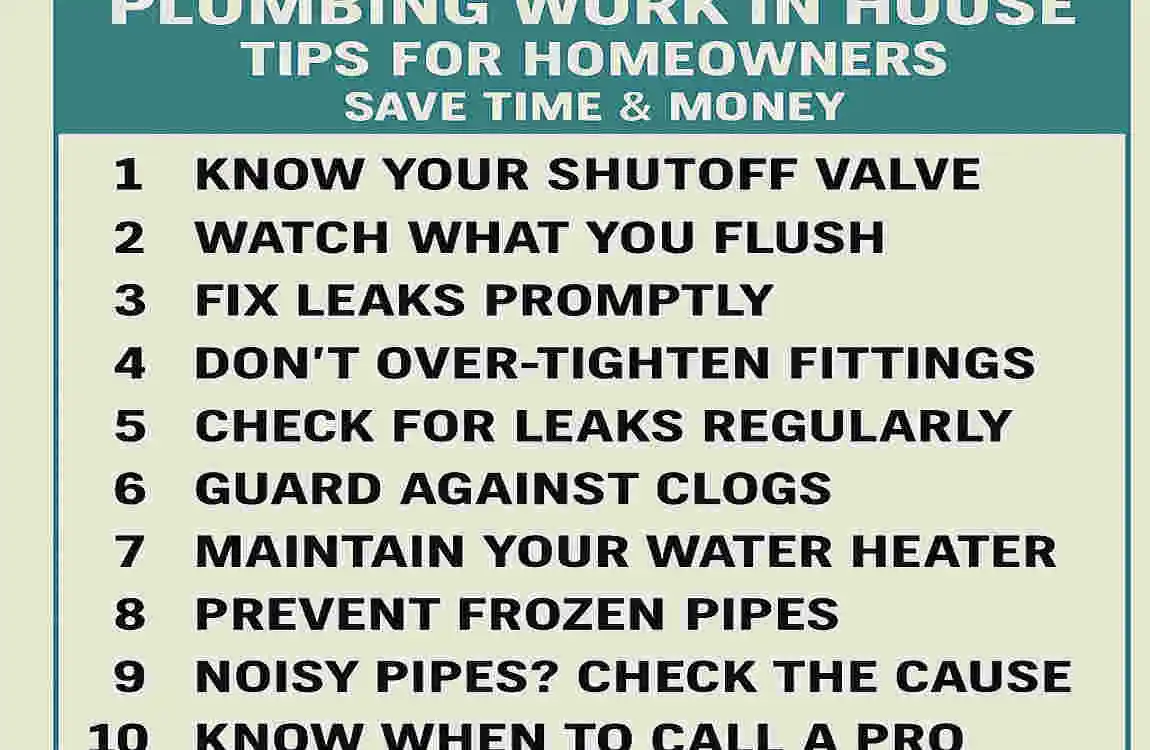
Imagine this: You’re enjoying a quiet evening when suddenly, you hear an ominous drip-drip from your kitchen. You rush over, only to find a spreading puddle and the panic-inducing realization that you need a plumber—now. The emergency callout? It costs you $500, not including parts or follow-up visits. Ouch.
If this scenario feels too familiar, you’re not alone. According to HomeAdvisor’s 2025 report, U.S. homeowners spend over $10,000 a year on plumbing emergencies and repairs. The good news? With just a little know-how, you can handle 80% of everyday plumbing work in-house—saving thousands of dollars, hours of waiting, and a ton of stress.
Why Every Homeowner Needs Plumbing Work in the House Skills

Let’s face it—DIY home repair has exploded in popularity since the pandemic. According to Angi (formerly Angie’s List), 40% more homeowners are now tackling plumbing work themselves than before 2020. The reasons are clear: professional plumbers charge anywhere from $75 to $150 per hour, while DIY fixes often cost less than $100 in materials.
But the benefits of learning essential plumbing tips for your house go beyond just your wallet:
- Faster fixes: No more waiting days for a pro to arrive. Many common issues—like a leaky faucet or clogged drain—can be solved in under an hour.
- Property value protection: Regular maintenance prevents water damage, mold, and even fires. Did you know water damage causes 23% of home fires, according to the National Fire Protection Association?
- Peace of mind: You’ll sleep better knowing you can handle emergencies, big or small.
Here’s a quick breakdown comparing DIY plumbing work in-house versus hiring a pro:
DIY Plumbing Work in the House: Hiring a Pro
Cost: $20–$100 per fix $200–$1,000+
Time: 30 min–2 hrs 1–3 days
Skill Level: Beginner Expert
Top 10 Essential Plumbing Work in the House Tips
Master the Art of Unclogging Drains Without Chemicals
Clogged drains are a common headache in every home. Before you reach for harsh chemicals (which can damage pipes and harm the environment), try these simple, safe methods:
Step-by-Step: Unclogging Your Drain Naturally
- Grab a Plunger:
- Fill the sink or tub with enough water to cover the plunger’s cup.
- Place the plunger firmly over the drain and pump up and down quickly 10–15 times.
- Remove the plunger to see if the water drains.
- Try the Baking Soda & Vinegar Hack:
- Pour 1/2 cup of baking soda down the drain.
- Add 1/2 cup of white vinegar.
- Cover with a damp cloth and let the fizzing action work for 15 minutes (the chemical reaction breaks up clogs).
- Rinse with hot water.
- Prevent Future Clogs:
- Use a $5 hair catcher in showers/baths.
- Avoid pouring grease, coffee grounds, or fibrous foods down the sink.
Fix a Dripping Faucet in Under 10 Minutes
A dripping faucet is more than just an annoyance—it can waste over 3,000 gallons of water a year (EPA). Fortunately, this is one of the simplest DIY plumbing works in house repairs.
How to Quickly Fix a Faucet Leak
- Turn Off the Water Supply:
- Look under the sink for the shutoff valves.
- Remove the Handle:
- Use a screwdriver to take off the handle and reveal the cartridge or washer.
- Replace the Washer/Cartridge:
- Most leaks are caused by worn-out washers or cartridges (just $5 at any hardware store).
- Reassemble and Test:
- Put the handle back, turn on the water, and check for drips.
Real Story:
Sarah, a first-time homeowner, fixed her bathroom faucet in 7 minutes with just a $5 kit—saving $120 in plumber fees.
Detect and Stop Hidden Leaks Early
Leaks often start slightly: a little moisture under the sink, a musty smell, or a slowly rising water bill. But left unchecked, they can cause mold, rot, and thousands in repairs.
How to Find Hidden Leaks in Your Home
- Look for Signs:
- Unexplained puddles, stains on ceilings or walls, and musty odors.
- A sudden spike in your water bill (compare with previous months).
- DIY Toilet Leak Test:
- Add a few drops of food coloring to the toilet tank.
- Wait 30 minutes (without flushing).
- If color appears in the bowl, you leak!
- Water Meter Test:
- Turn off all faucets and appliances.
- Check your water meter reading, wait 2 hours, then check again.
- If the meter moved, there’s a hidden leak.
Stats:
The EPA estimates that leaks waste 10,000 gallons per home per year. That’s enough water to wash 270 loads of laundry!
Pro Tip:
Winterize Pipes to Prevent Freezing and Bursts
If you live in a cold climate, frozen pipes are a real risk. A burst pipe can cause over $1,000 in damage—but prevention is easy and affordable.
How to Winterize Your Pipes
- Insulate Exposed Pipes:
- Use foam sleeves or wrap pipes with old towels, then secure them with duct tape.
- Drip Your Faucets:
- Let cold water drip slowly overnight—moving water is less likely to freeze.
- Open Cabinet Doors:
- Allow warm air to circulate pipes under sinks.
- Disconnect Outdoor Hoses:
- Drain and store them away.
Cost:
Just $20 in materials can prevent thousands in repairs.
Infographic Suggestion:
A simple step-by-step visual showing insulation wrap for pipes (search “pipe insulation infographic”).
Regional Tip:
If you’re in a mild climate, insulate only pipes in unheated areas (garage, crawlspace).
install a Water Heater Blanket for Efficiency
Your water heater works hard year-round. Adding a $20 insulation blanket can boost efficiency by 4–9% (Department of Energy)—saving you money every month.
How to install a Water Heater Blanket
- Measure Your Heater:
- Buy a blanket kit to fit your model.
- Wrap and Secure:
- Cut the blanket to size, tape it securely, and avoid the top and thermostat area.
- Check for Leaks and Rust:
- This is a great time to inspect for any signs of trouble.
Why It’s Worth It:
This simple piece of energy-saving plumbing work in the house pays for itself in under a year.
Safety Note:
Never cover the top or bottom of a gas water heater—follow the manufacturer’s instructions!
Clean Your Garbage Disposal Like a Pro
A stinky or jammed garbage disposal is no one’s idea of a good time. With a quick monthly clean, you’ll keep it running smoothly for a decade or more.
Garbage Disposal Cleaning Steps
- Turn Off Power:
- Always unplug or switch off at the breaker.
- Ice + Citrus Cleaning:
- Drop a handful of ice cubes and a few lemon or orange peels into the disposal.
- Run cold water and flip the switch for 30 seconds.
- The ice sharpens blades; citrus freshens.
Avoid:
- Fibrous foods (celery, corn husks)
- Grease and eggshells
Savings:
Regular cleaning can extend your disposal’s life by 10+ years.
Safety First:
Never put your hand in the disposal—use tongs or pliers to remove debris.
Tackle Toilet Clogs with a Simple Household Hack
A clogged toilet is a classic plumbing emergency. But before you call a pro, try these easy DIY fixes:
Unclogging Your Toilet: Two Methods
- Flange Plunger:
- Use a plunger with an extended cup (flange).
- Place in the bowl, create a seal, and pump vigorously.
- Toilet Auger or Wire Hanger:
- Feed the auger or a straightened wire hanger into the drain to break up the blockage.
Prevention:
- Upgrade to a low-flow toilet to reduce clogs.
- Don’t flush wipes or feminine hygiene products.
Pro Tip:
A flange plunger ($10) outperforms standard plungers for toilets.
Maintain Your Water Pressure for Optimal Flow
Low water pressure is annoying—and can signal bigger issues. Maintaining the correct pressure keeps your in-house plumbing running smoothly.
Quick Fixes for Water Pressure
- Clean Faucet Aerators:
- Unscrew the tip, rinse out debris, and replace.
- Check the Pressure Regulator:
- Use a wrench to adjust as needed.
- Ideal PSI:
- Home water pressure should be 40–60 PSI.
Tools Needed:
A basic wrench and aerator cleaning brush (under $10 total).
Tip:
If pressure suddenly drops, check for leaks or call a pro—this could signal a burst pipe.
Seal Pipes Against Pests and Leaks
Gaps around pipes let in water, drafts, and even pests—leading to costly infestations or leaks.
How to Seal Pipes Properly
- Caulk Gaps:
- Use eco-friendly, waterproof caulk around pipes entering walls or floors.
- Inspect Basements & Crawlspaces:
- Look for daylight or feel for drafts.
- Use Expanding Foam:
- For larger gaps, spray foam insulation is effective.
Schedule Annual Plumbing Work in House Maintenance Routine
Prevention is always cheaper than emergency repairs. A simple annual routine keeps your house plumbing work in top shape.
DIY Annual Plumbing Maintenance Checklist
- Inspect all hoses and supply lines (washer, dishwasher, fridge).
- Flush the water heater to remove sediment.
- Test shutoff valves and replace any that stick.
- Check toilets for leaks (see Tip 3).
- Clean faucet aerators and showerheads.
DIY Calendar Template:
Set reminders in your phone or calendar app for each task.
When to Call Pros:
If you spot rust, major leaks, or can’t stop a drip, it’s time for a licensed plumber.
Common Mistakes in Plumbing Work in the House and How to Avoid Them
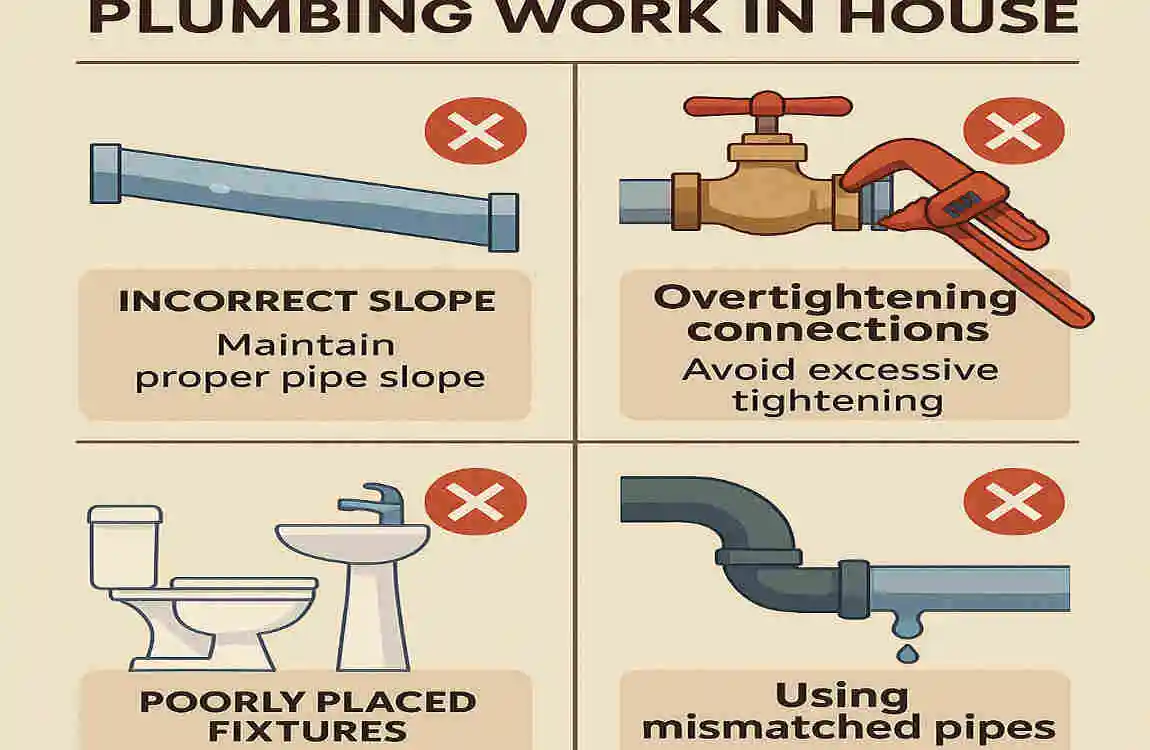
Avoid these common errors:
- Over-tightening fittings: Can crack pipes and lead to leaks.
- Ignoring slow drains: Minor clogs can turn into backups and pipe damage.
- Skipping shutoff valve tests: If you can’t turn off water in an emergency, you risk major flooding.
Bold warning: Always double-check your work and don’t force fittings—hand-tight is enough for most connections.
Tools Every Homeowner Needs for Plumbing Work in the House
Ready to build your essential plumbing toolkit? Here’s what you need:
- Plunger (flange and cup type)
- Adjustable wrench set
- Pipe thread tape (Teflon tape)
- Screwdriver set
- Bucket and rags
When to Call a Professional Plumber
Some plumbing problems are best left to the experts. Call a pro if you experience:
- No water at all
- Sewage backup or foul odors
- Suspected gas line leaks
- Major pipe bursts or flooding
Issue Average Pro Cost
Burst Pipe $500–$1,500
Sewer Line Repair $1,000–$4,000
Gas Line Repair $300–$1,200
