

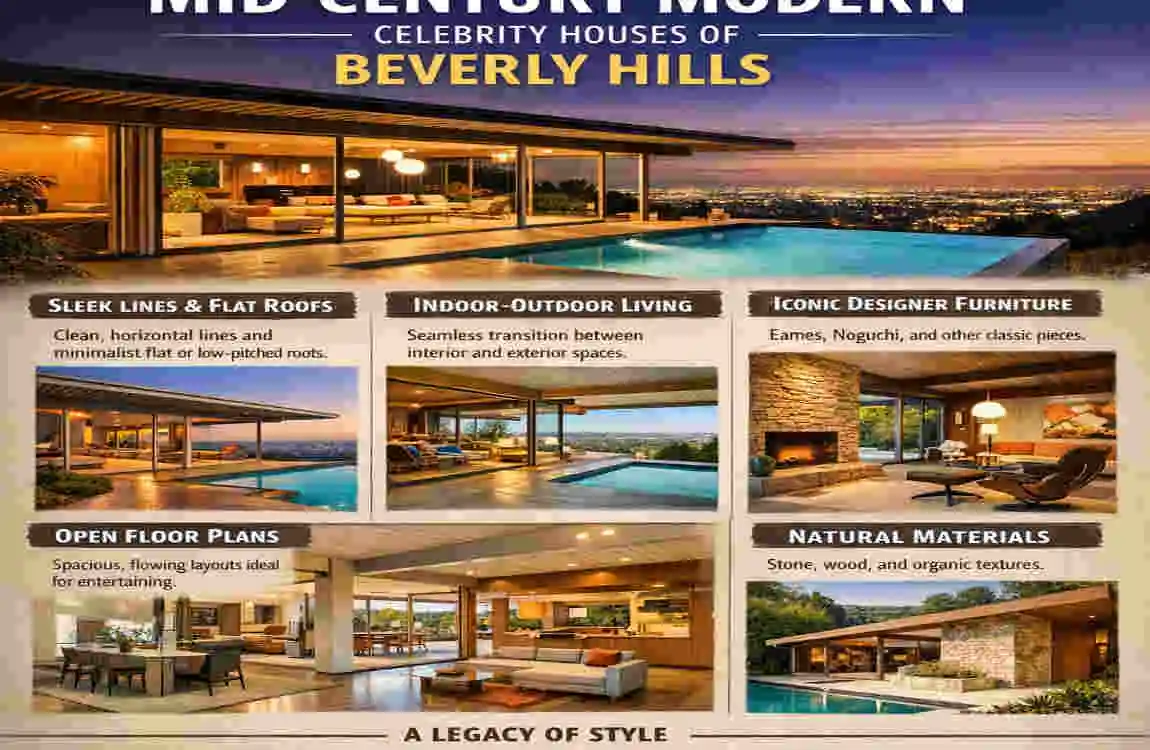
Beverly Hills has always had a strong connection to style, status, and privacy. That is one reason mid-century modern homes in this area continue to draw attention. They feel calm, elegant, and open, yet they also fit the luxury lifestyle people expect in this famous neighborhood.
A mid-century celebrity house in Beverly Hills is more than just a pretty home. It often reflects a time when Hollywood stars wanted houses that felt modern, private, and close to nature. These homes brought together architecture, comfort, and personality in a way that still feels fresh today.
What Makes a Mid-Century House in Beverly Hills Unique?
Origins of Mid-Century Modern Architecture
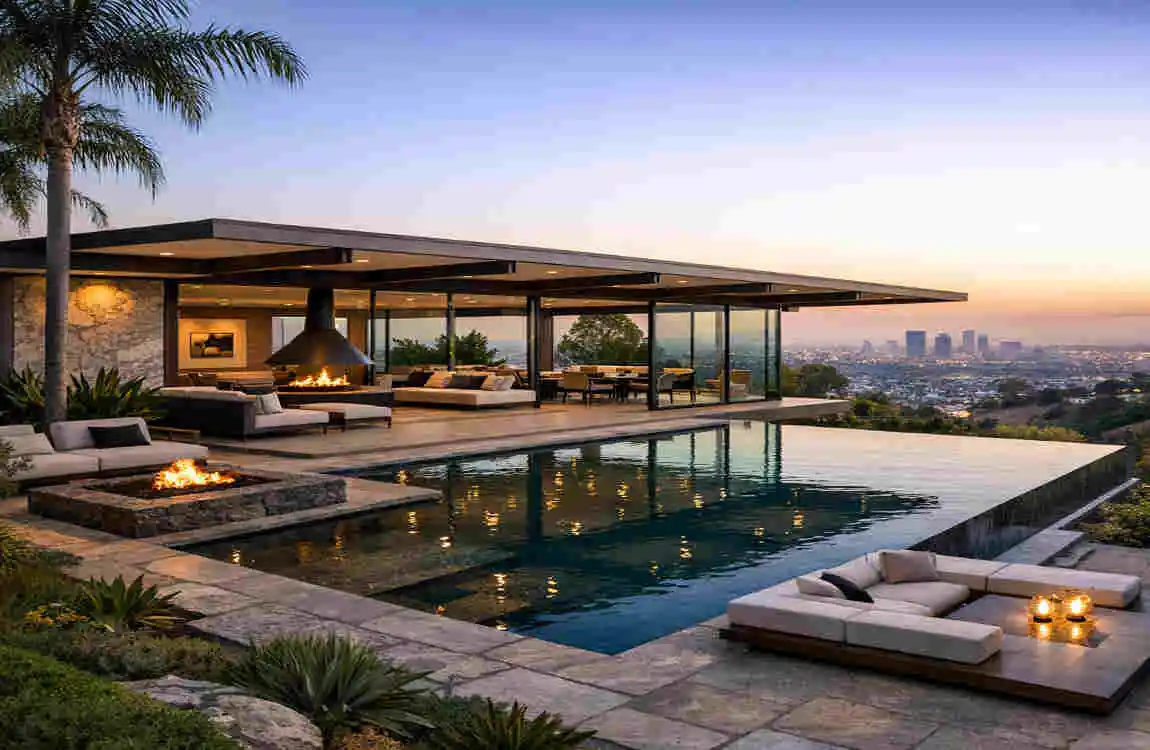
Mid-century modern design became popular between the 1940s and 1960s. It focused on simple shapes, open spaces, and a strong connection to nature. In California, this style made perfect sense because the weather allowed people to enjoy both indoor and outdoor living.
During this period, architects sought to make homes feel lighter, brighter, and more useful. They used fresh ideas, new materials, and open layouts that suited modern life. That is why so many of these homes still feel current today.
Signature Architectural Features
These homes are easy to recognize because of a few key details:
- Large glass windows
- Open floor plans
- Low or flat roofs
- Clean, straight lines
- Natural wood, stone, and glass
- Simple, uncluttered details
- Easy flow between inside and outside
- Private courtyards and landscaped spaces
These features give the home a relaxed but refined look. Nothing feels too heavy or overly decorated. Instead, the design feels balanced and intentional.
Why Beverly Hills Became a Natural Home for the Style
Beverly Hills offered the right setting for this kind of architecture. It had large lots, mature trees, privacy, and beautiful views. Those qualities gave architects room to design homes that felt open yet remained secluded.
It also became a natural choice for entertainment industry figures. Many wanted homes that looked modern, felt exclusive, and supported a stylish way of living. Mid-century homes fit that goal very well.
Inside a Celebrity Mid-Century House in Beverly Hills
Living Rooms Designed Around Light and Space
The living room is often the heart of a mid-century celebrity home. It usually has wide glass walls, which bring in natural light and make the room feel larger. Fireplaces, built-in shelving, and simple wood details often add warmth without making the space feel crowded.
Furniture is usually placed to support both relaxation and entertaining. That matters in a celebrity home, where guests and social gatherings are part of the lifestyle.
Kitchens and Dining Areas
Older kitchens were often separate from the main living areas, but mid-century homes began to change that. The kitchen and dining space became more connected and easier to use. This made the home feel more social and practical.
Many of these homes use wood cabinets, stone counters, and clean-lined finishes. When updated well, the kitchen retains its original character while adding modern appliances and improved functionality.
Bedrooms and Private Spaces
Bedrooms in these homes are usually set apart from the main social areas. This layout gives more privacy, which is especially important in Beverly Hills. Large windows may still bring in light, but they are often placed carefully to protect comfort and seclusion.
Master suites may include dressing areas, garden views, or quiet sitting spaces. The goal is to create a restful retreat that still feels connected to the overall design.
Outdoor Living and Landscaping
Outdoor areas are a major part of the experience. A mid-century home in Beverly Hills often includes a pool, patio, courtyard, or garden that feels like an extension of the house.
The best examples use native plants, drought-tolerant landscaping, and smooth transitions between inside and outside. This creates a calm, private setting that feels elegant without being overly formal.
Famous Celebrity Connections and Beverly Hills Real Estate History
Hollywood’s Relationship With Mid-Century Architecture
Hollywood stars, producers, and musicians were drawn to mid-century homes because they matched a modern lifestyle. These homes felt stylish, private, and forward-looking. They also gave owners a space that reflected success without looking flashy.
Celebrity ownership can make a home more talked about, but it is important to separate verified history from rumor. Not every house linked online to a famous name has a confirmed connection.
Architectural Legacy Versus Celebrity Appeal
A home can be important because of its design even if no celebrity ever lived there. In many cases, the architecture itself is the real value. The architect, the original structure, the condition, and the quality of restoration all matter a great deal.
This is why it helps to look at property records and architectural history instead of relying on speculation. Celebrity stories may be interesting, but the design legacy often tells the fuller story.
Why Celebrity Ownership Can Influence Buyer Interest
Celebrity history can boost attention in several ways. It gives the home a story, makes it more memorable, and often attracts collectors and design fans. It can also help a property stand out in a crowded luxury market.
Still, interest does not always mean higher value. Buyers usually care most about location, condition, design quality, and privacy.
The Interior Design Language of Mid-Century Celebrity Homes
Furniture and Decor
Mid-century interiors usually feature low, simple, and elegant furniture. Think lounge chairs, slim sofas, and clean-lined pieces. Natural wood finishes and soft lighting often complete the look.
Decor is usually minimal. The goal is to let the architecture stand out rather than cover it up.
Materials and Textures
These homes often use a mix of materials that feel warm and natural:
Material Common Use Effect
Wood Paneling, cabinets, furniture Adds warmth
Glass Walls, doors, windows Brings in light
Stone Fireplaces, counters, accents Adds texture
Brick Interior or exterior walls Creates character
Metal Fixtures, frames, lighting Adds structure
Leather Chairs, sofas, details Feels rich but simple
Concrete Floors or structural elements Keeps the look modern
The mix of textures is part of what makes these homes feel rich without becoming busy.
Color and Visual Balance
Classic mid-century homes often use earthy colors, soft neutrals, and muted tones. These colors help the rooms feel calm and unified. Bright colors can still work, but they should be used carefully so they do not overpower the architecture.
Visual balance is key. Every room should feel open, clean, and easy to read.
Art and Collectibles
Art can work beautifully in a mid-century home, especially because the large walls and glass openings create a gallery-like setting. The best pieces add personality without fighting the space.
Celebrity homes often feature collections that reflect the owner’s taste, but even in a regular home, art should support the room rather than dominate it.
Why Mid-Century Beverly Hills Homes Remain Valuable
Location and Real Estate Demand
Beverly Hills is one of the most desirable luxury markets in the country. It offers prestige, privacy, and strong long-term demand. That alone helps protect property value.
Mid-century homes with strong design also attract a special group of buyers who care about architecture, history, and style. That makes them even more appealing.
Architectural Authenticity
Original details can make a huge difference. Things like old windows, built-ins, fireplaces, and flooring help prove that the home has kept its character. A careful restoration is usually more valuable than a complete redesign that removes the original style.
Renovation and Modern Luxury
The best homes blend old and new in a thoughtful way. Modern buyers want updated kitchens, better climate control, security systems, and energy efficiency. But they also want the home to still look true to its roots.
What Can Increase or Reduce Property Value?
Can Increase Value Can Reduce Value
Large lot size Poor maintenance
Strong architectural history Over-renovation
Verified celebrity provenance Weak or unclear history
Privacy Loss of original design
Views and outdoor space Damaged original features
High-quality restoration Low-quality updates
A home usually performs best when it keeps its identity while still meeting modern needs.
How to Create the Mid-Century Celebrity Look at Home
Start With the Architecture
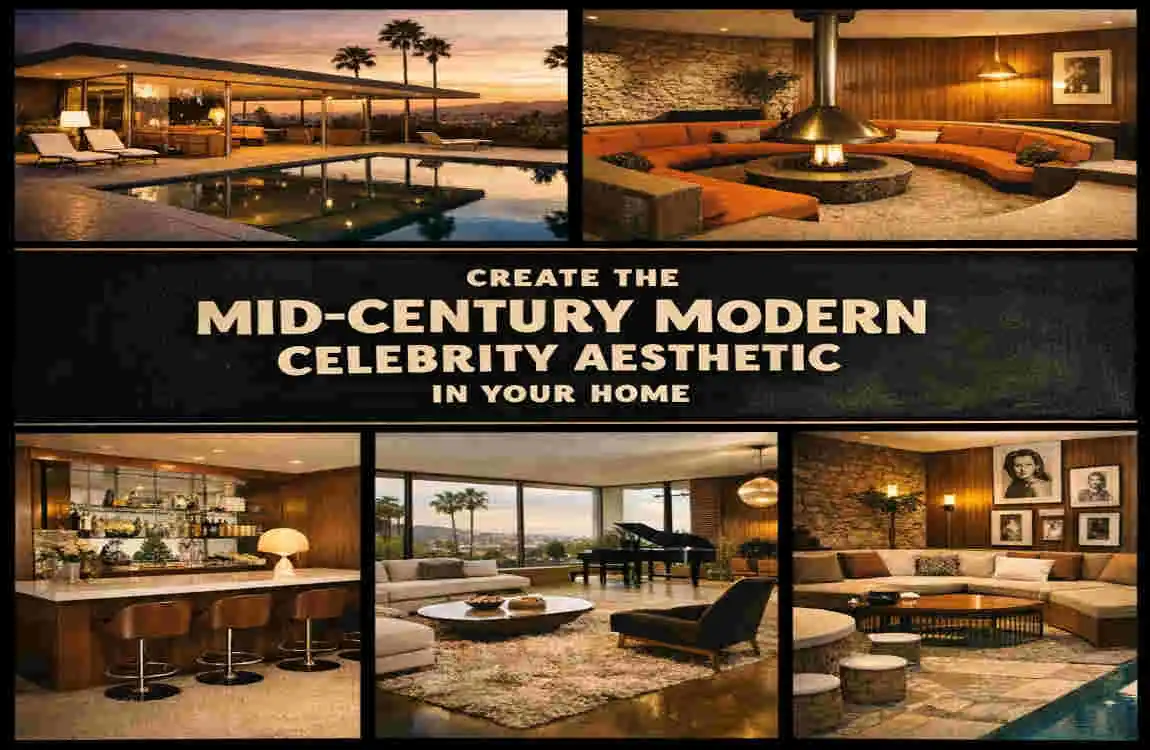
If you want this style, begin with clean lines and open space. Keep the layout simple and avoid heavy decoration. The house should feel airy and easy to move through.
Choose Authentic-Looking Furniture
Pick furniture with low profiles, natural materials, and simple shapes. Vintage-inspired pieces work well because they capture the mood without making the home feel like a museum.
Bring the Outdoors Inside
Use natural light, plants, wood, and open views whenever possible. The more the house connects to the garden or patio, the more authentic the look will feel.
Keep the Design Functional
Mid-century style is not just about looks. It is also about comfort and everyday use. Choose pieces and layouts that work well in real life.
Blend Vintage and Contemporary Elements
A good balance of old and new creates the strongest result. You can keep the classic feel while still using modern appliances, lighting, and technology.
Preserving Beverly Hills’ Mid-Century Architectural Legacy
Why Preservation Matters
These homes are part of Beverly Hills’ design history. When they are altered too heavily or torn down, an important part of that history disappears. Careful restoration helps protect the original idea for future generations.
Common Restoration Challenges
Owners often deal with aging materials, old wiring, older plumbing, and energy concerns. It can also be difficult to keep original windows and doors while improving comfort and privacy.
Modern Sustainability and Mid-Century Design
Sustainability can fit this style very well. Solar power, efficient lighting, water-saving landscaping, and better insulation can all improve the home without changing its look too much.
The Future of Celebrity Mid-Century Homes
Interest in these homes remains strong because they offer more than just luxury. They offer a story, a design legacy, and a connection to a special period in American architecture. That is why they continue to matter.
What Buyers and Architecture Fans Can Learn From These Homes
Mid-century celebrity homes show how architecture and lifestyle can work together. They remind us that good design is not just about size or price. It is about how a home feels, how it functions, and how it fits its setting.
They also teach an important lesson: always check the facts. A home’s history should be supported by reliable records, not just stories or speculation. That is especially true when celebrity ownership is part of the appeal.
Frequently Asked Questions About Mid-Century Celebrity House Beverly Hills
What is a mid-century celebrity house in Beverly Hills?
It is a Beverly Hills home built in the mid-century modern style and linked to a celebrity owner, either through verified history or strong public association.
Why are mid-century homes popular in Beverly Hills?
They combine privacy, luxury, natural light, and strong architectural design in a location known for prestige and exclusivity.
What features define a Beverly Hills mid-century modern home?
Glass walls, open layouts, natural materials, geometric shapes, pools, courtyards, and seamless indoor-outdoor living.
Are celebrity-owned mid-century homes more valuable?
Sometimes they attract more attention, but the final value depends on architecture, condition, location, and verified history.
Can a mid-century home be modernized without losing its character?
Yes. Careful updates can improve comfort while keeping the original design elements in place.
What makes Beverly Hills attractive for luxury architectural homes?
The area offers privacy, beauty, strong demand, and a reputation for high-end living.
How can homeowners recreate the mid-century celebrity aesthetic?
Use clean lines, simple furniture, natural materials, open layouts, and a strong connection to the outdoors.
