


Imagine standing in front of your brand-new house, admiring the perfect garage door that not only looks great but functions smoothly every day. Learning how to frame a garage door properly is a crucial skill on that path. It’s not just about cutting lumber and nailing pieces together—it’s about creating a strong structure that supports the door, keeps out the weather, and enhances your home’s overall value.
Proper framing ensures safety, prevents costly future repairs, and gives your house a polished finish. Whether you’re a DIY enthusiast or a first-time builder, understanding the basics of garage door framing will empower you to handle this essential part of your build confidently.
What Is Garage Door Framing and Why Does It Matter for Your House
Understanding Garage Door Framing
At its core, garage door framing is the construction of the supporting skeleton around the opening where your garage door will be installed. Think of it as the door’s backbone—it holds everything in place and ensures the door fits perfectly.
Without proper framing, your garage door could sag, stick, or even fail to close correctly. This compromises your garage’s security, insulation, and overall performance.
Why Proper Framing Is Crucial
- Structural Integrity: A well-framed garage door supports the weight of the door and withstands the stress from wind and daily use. It also connects seamlessly with the rest of your house’s framing, maintaining the home’s overall strength.
- Energy Efficiency: Proper framing prevents gaps and air leaks that can lead to higher heating or cooling bills. This is especially important for garages attached to your house.
- Increased Home Value: A neat, sturdy garage door frame boosts your home’s curb appeal and resale value. According to 2026 home construction reports, garage additions can increase home resale prices by 10-15%.
Common Framing Mistakes and Their Impact
Many DIY builders make simple mistakes that lead to problems down the road. These include uneven framing causing door misalignment, using untreated wood leading to moisture damage, or ignoring building codes.
Here’s a quick comparison to highlight the difference between poor and proper framing:
AspectPoor FramingProper Framing
Durability Sags over time. Resists weather and wear
Cost : Expensive repairs , one-time solid build
House Impact : Lowers value, Enhances curb appeal
By understanding these basics, you’re already one step closer to correctly framing your garage door.
Tools and Materials Needed to Frame a Garage Door
Essential Tools for the Job
Before you start, make sure you have the right tools. They help you work safely and efficiently.
- Circular saw: For cutting lumber to size.
- Hammer drill: Useful for securing screws into tough materials.
- Level: To ensure your frame is straight and plumb.
- Measuring tape: Accurate measurements are key!
- Speed square: Helps with marking right angles.
- Nail gun or hammer: For fastening studs and plates.
- Safety gear: Gloves, goggles, and ear protection.
Materials You’ll Need
The materials you choose affect the strength and durability of your frame.
- Lumber: Typically, 2x4s are used for framing, but 2x6s might be necessary depending on local building codes and door weight.
- Headers: These are horizontal beams that carry the load above the garage door opening. Laminated headers are common for strength.
- King studs and jack studs: Vertical supports on the sides of the door opening.
- Pressure-treated lumber: For bottom plates to resist moisture damage.
Budget Breakdown for a Standard 16×7 ft Garage Door Frame
ItemQuantityApproximate Cost
2×4 Lumber 10 pieces $40
Pressure-treated lumber 2 pieces $20
Laminated Header 1 beam $50
Fasteners & Nails Various $15
Miscellaneous — $25
Total — $150
Step-by-Step Guide: How to Frame a Garage Door
This is the heart of your project. Follow these steps carefully for a smooth build.
Prepare Your House Garage Space
Start by measuring the garage door opening accurately. The standard size for many house garage doors is 16 feet wide by 7 feet tall, but always measure twice to avoid mistakes.
Clear the area of any debris or obstacles. Make sure your workspace is safe and clean.
Check local building codes for any specific requirements regarding framing size, lumber type, or header specifications. The following codes are not just legal—they ensure your garage door is safe and reliable.
install the Rough Sill and Bottom Plate
Cut pressure-treated lumber to the width of your garage door opening. This becomes the bottom plate or rough sill.
Secure it firmly to the floor or foundation using appropriate anchors. Use a level or string line to make sure it’s perfectly straight—this line will guide your entire frame.
A crooked bottom plate will cause problems later, so take your time here.
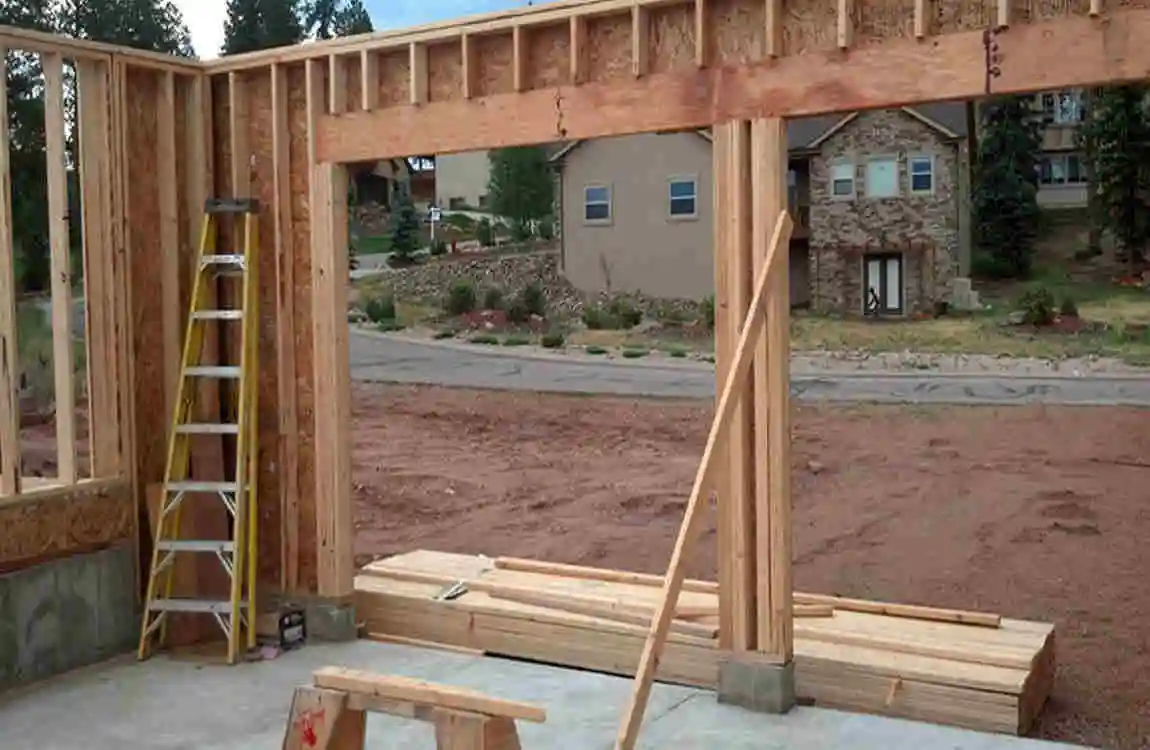
Frame the King Studs and Jack Studs
King studs are the full-length vertical supports on each side of the door opening. Nail them to the rough sill and the top plate of the wall.
Next, add jack studs—these shorter studs sit next to the king studs and support the header above the door.
For heavy garage doors, double up the jack studs for extra strength.
Build and install the Header
The header is a horizontal beam that carries the load above the garage door.
Assemble your header by laminating two or more pieces of lumber with a plywood spacer in between for extra strength.
Lift the header into place above the jack studs and secure it firmly. Make sure to wear safety gear—headers can be heavy!
Add Cripple Studs and Top Plate
Above the header, add cripple studs to fill the gap up to the top plate of the wall. These studs connect the garage door frame to the roof trusses or upper structure.
Attach the top plate to the cripple studs, making sure everything is plumb and level.
Final Checks and Door Rough-In
Use the 3-4-5 rule to check that your frame is square. Measure diagonally from corner to corner—both measurements should be the same.
Insulate any gaps to improve energy efficiency.
Finally, prepare the exterior of your frame for siding or trim, ensuring the edges are smooth and even.
Common Mistakes to Avoid When Framing a Garage Door in Your House
Even seasoned builders sometimes slip up, but you can avoid these pitfalls:
- Ignoring moisture protection: Always use pressure-treated lumber for bottom plates to prevent rot.
- Skipping permits: Check with your local building authority before starting. Unpermitted work can lead to fines or issues when selling your house.
- Poor measurements: Take your time measuring and double-check before cutting.
- Using weak headers: The header must be strong enough to carry the roof load; undersized headers cause sagging.
- Not squaring the frame: An out-of-square frame causes door installation problems and may void warranties.
Quick Troubleshooting Table
ProblemCauseSolution
The door won’t close properly. The frame is not square. Re-check measurements, adjust.
Frame rotting at the base. Untreated wood was used. Replace with pressure-treated lumber.
Door sticks or jams, uneven header or studs, shim or reinforce the frame
Pro Tips for a Flawless Garage Door Frame in Your Dream House
- Reinforce for extreme weather: If you live in hurricane or high-wind zones, consider adding hurricane straps or stronger headers.
- Pre-cut kits: Some manufacturers sell garage door framing kits, which save time and reduce errors.
- Sustainability: Use recycled or FSC-certified lumber to build an eco-friendly garage frame.
- Smart home prep: Incorporate conduit or wiring channels for future smart door openers or sensors.
FAQs: How to Frame a Garage Door
How much does it cost to frame a garage door?
On average, materials cost around $150-$300, depending on lumber prices and door size. Labor depends on whether you DIY or hire a pro.
Can I frame a garage door myself in a house addition?
Absolutely! With proper tools and careful planning, many homeowners do this as a DIY project.
What size lumber should I use for framing a garage door?
Most codes require 2×4 lumber, but 2×6 may be needed for headers or heavier doors. Always check local regulations.
Do I need a permit to frame a garage door?
Usually, yes. Permits ensure your work meets safety standards.
How do I know if my garage door frame is square?
Use the 3-4-5 method, measuring diagonally to confirm equal distances.
