

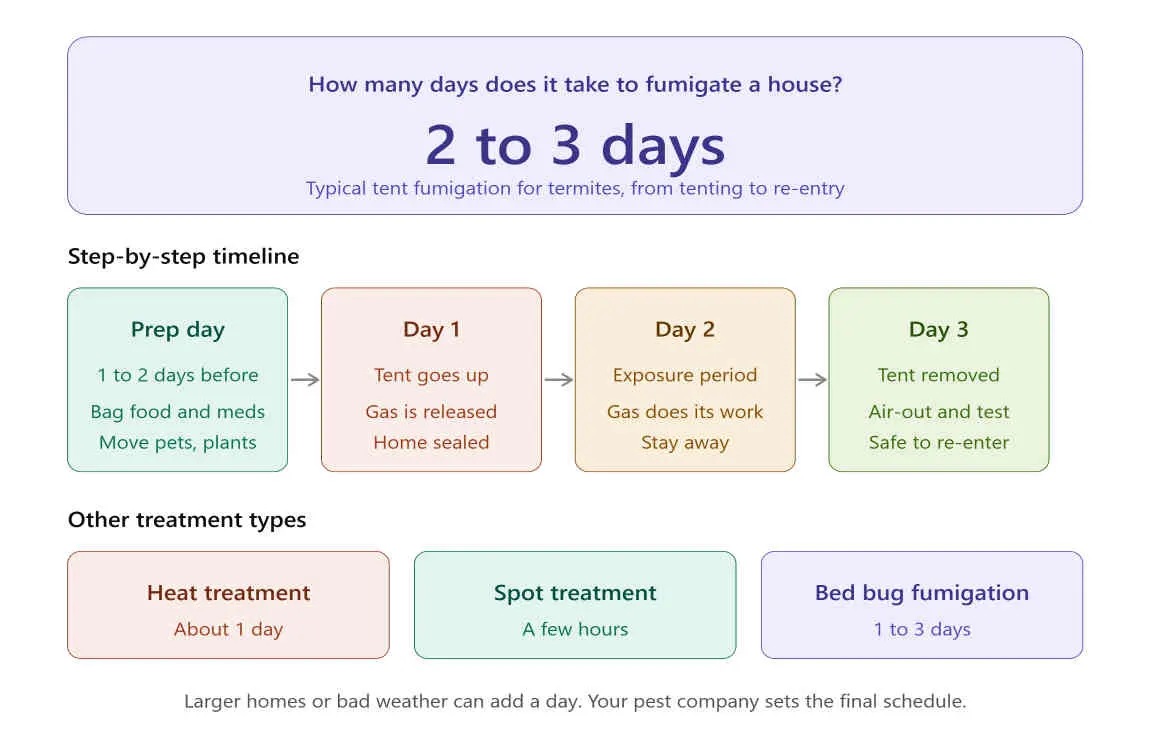
If a pest control company has just told you that your home needs to be tented, two questions hit you straight away: how many days will I be out of my house, and how much to fumigate a house is going to cost? Those are fair questions, because fumigation is not a quick spray-and-go job. You have to pack up food, arrange somewhere to stay, and wait for the gas to clear before you can safely walk back in.
Most whole-house fumigations take about three days from the moment the tent goes up to the moment you get the all-clear. Some jobs finish in two days, and bigger or more complicated homes can take longer. Below, we break down the day-by-day timeline, what changes the schedule, what it costs, and how to prepare so nothing delays you.
The Fumigation Timeline, Day by Day
Preparation (1 to several days of your own time)
You are responsible for getting the home ready before the crew arrives. That means bagging food and medicine that is not in sealed containers, opening interior doors and kitchen cabinets so gas can circulate, and trimming plants away from the walls. Your pest control company will give you an exact checklist, and following it closely is the best way to avoid a rescheduled appointment.
Sealing and Tenting
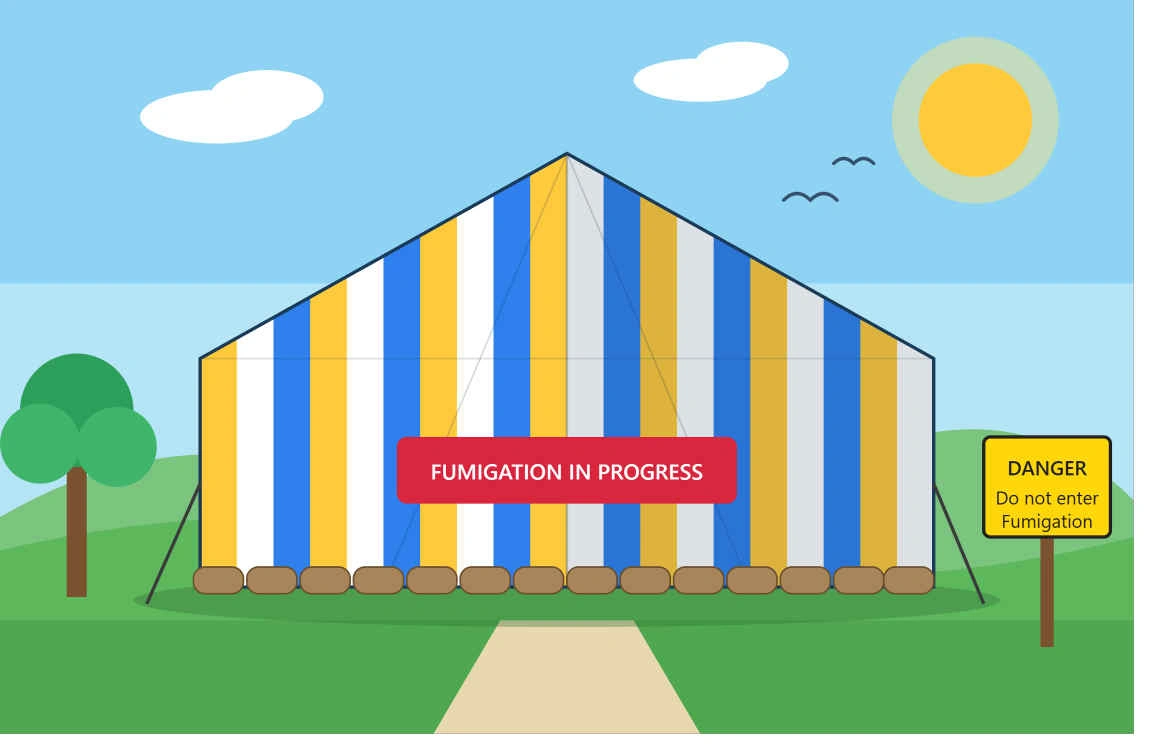
The crew covers the house with heavy-duty tarps, seals the edges and posts warning signs. Once everyone is out and the structure is confirmed to be clear, the fumigant is released. According to the National Pesticide Information Center (Oregon State University and the U.S. EPA), the tarp traps the gas so it can penetrate cracks, crevices and wood pores and reach pests such as drywood termites and bedroom bugs.
Exposure Period
The house stays sealed while the gas does its work. Nobody, including pets and plants, can be inside. This is the part that cannot be rushed, because the fumigant needs enough time at the right concentration to reach every pest hiding in the wood.
Aeration and Clearance
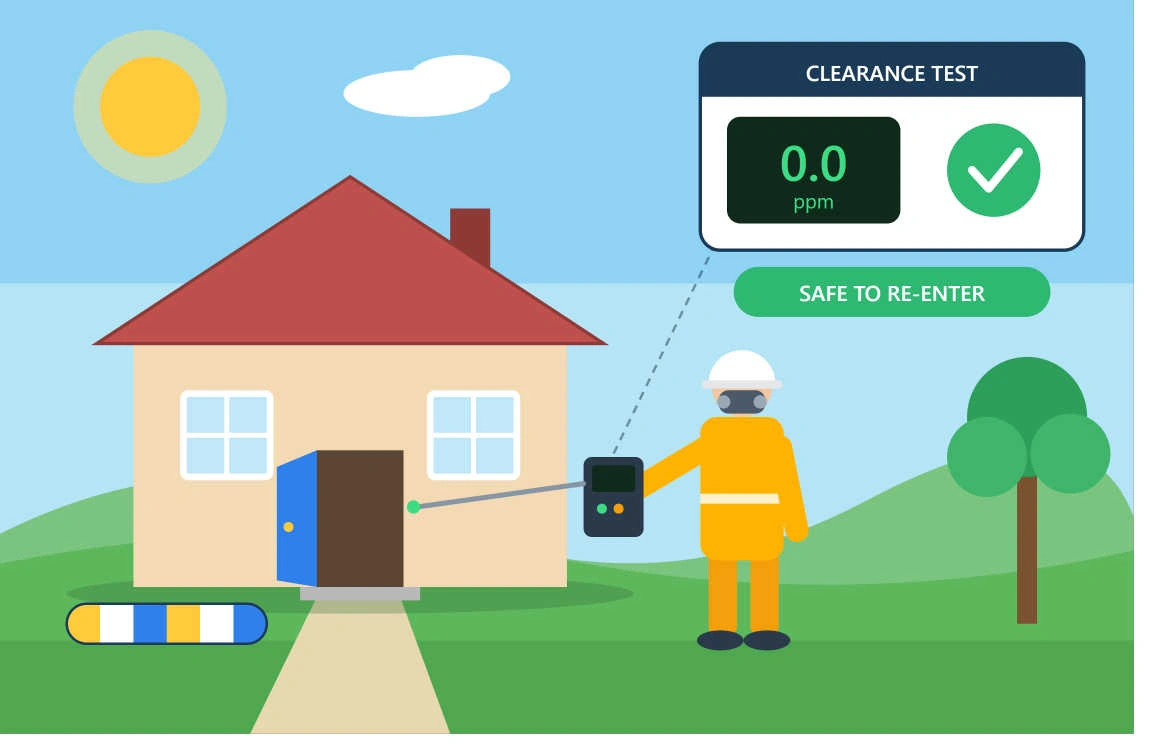
The crew removes the tarps and uses fans to vent the gas. Applicators then test the indoor air to confirm levels do not exceed the EPA-established limit of 1 part per million, as the NPIC explains. Only after the structure passes that test can you move back in. For example, a case study in the journal International Journal of Environmental Research and Public Health describes a house fumigated on one date that was cleared for re-entry two days later after aeration and testing.
What Can Make Fumigation Take Longer?
If your quote says two days but the job stretches to four, one of these factors is usually the reason:
- House size and layout. A two-story home with many interior walls takes longer to seal, tent and ventilate than a small single-story house.
- Severity of the infestation. Heavily infested homes may need a longer exposure period.
- Weather. Strong winds or heavy rain can delay tenting or the removal of tarps.
- Insulation and building materials. Hulett notes that insulation type affects how long the process takes.
- Failed clearance test. If readings are still above the safe limit, the crew keeps ventilating and re-tests.
- Scheduling. In busy seasons, crews may be booked solid, so the start date itself can slip.
How Much To Fumigate A House: Cost Breakdown
Now to the question most people search for first. The honest answer is that how much to fumigate a house depends mainly on its size, location and the severity of the infestation, and published estimates vary between sources.
- This Old House puts typical fumigation at roughly $1,500 to $5,000, and notes that severe infestations needing fumigation or heat treatment can run $2,000 to $8,000 depending on home size.
- Fixr lists a national average of about $6,250, with a typical range of $2,500 to $7,750 and roughly $1 to $4 per square foot.
| Source | Typical Cost Range | Notes |
|---|---|---|
| This Old House | $1,500 – $5,000 | Severe cases can reach $2,000 – $8,000 |
| Fixr | $2,500 – $7,750 | National average about $6,250; about $1 – $4 per sq. ft. |
Figures are U.S. estimates and will differ by country, region and company. Always get written quotes.
What Affects the Price?
- Square footage and height. More volume means more fumigant and more tarp.
- Pest type. Drywood termites usually justify whole-house treatment, while other pests may not.
- Access. Tight lots, trees touching the roof, and attached structures add labor.
- Inspection and follow-up. This Old House reports termite inspections cost $75 to $325, and a termite protection plan (bond) can add $500 to $2,000.
- Your hotel and pet boarding. These are not on the fumigation invoice, but budget for 3 or more nights away.

How To Prepare Your House for Fumigation
- Book somewhere to stay. You, your family and your pets cannot remain in the house during the process, as eLocal points out.
- Remove or seal food, drinks and medication. Follow your company’s instructions on which items need special fumigation-rated bags.
- Open everything up. Open closets, kitchen cabinets, drawers and interior doors so the gas can reach every area.
- Protect your landscaping. Many companies ask you to water the soil around the foundation beforehand and to cut back shrubs touching the walls.
- Tell your neighbours. The NPIC recommends asking neighbours to keep children and pets away from the structure during fumigation and aeration.
- Shut off and secure. Turn off pilot lights and gas appliances if instructed, and give the crew access to every part of the property.
Is It Safe To Go Back In After Fumigation?
Yes, once the company has tested the air and given official clearance. Structural fumigation uses restricted-use pesticides, and the NPIC notes the EPA classifies these products so that only certified applicators trained in handling them can apply them. That is why you should never re-enter early, even if the tarps are already off.
Research also supports being patient. Authors writing in the International Journal of Environmental Research and Public Health found that poisonings still occur occasionally despite heavy regulation, and suggested that longer aeration times and better monitoring could reduce exposure. Practical advice: ask your company how and where they tested, and air the home out well after returning, opening windows and running fans. Wash dishes and utensils that were left out, and wipe down surfaces such as kitchen counters.
How Long Does Fumigation Last? Will Pests Come Back?
Fumigation kills the pests that are present, but it does not leave behind a protective barrier. A University of California advisor notes in UC Cooperative Extension’s guidance on drywood termites that, because the gas has no lasting residual effect, termites may re-infest soon afterwards unless fumigation is paired with exclusion and prevention. In practice, that means:
- Schedule annual inspections with a licensed professional.
- Seal gaps, vents and cracks where winged termites could enter.
- Fix leaks and keep wood, firewood and mulch away from the home foundation.
- Ask about warranties that cover re-treatment.
Is Fumigation Always Necessary? Alternatives To Consider
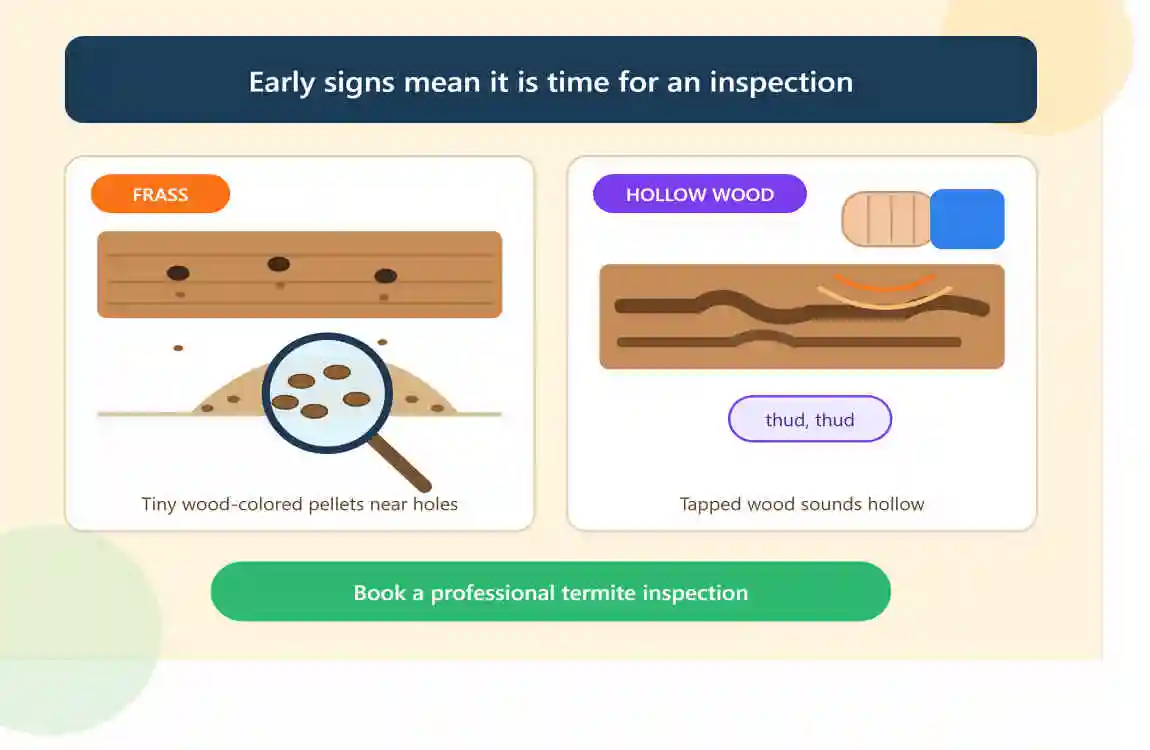
No. Tenting is mostly a whole-house solution for widespread drywood termite problems. This Old House lists several other options, including heat treatment ($1,300 to $2,500), spot treatment ($350 to $1,000) and bait systems ($400 to $3,000), and says fumigation is typically reserved for severe infestations or particular species. Spot or no-tent treatments are less disruptive but may not eliminate hidden colonies, so ask a licensed inspector which method fits your situation.
Frequently Asked Questions
How many days do you have to be out of your house for fumigation?
Plan on three days and two nights, or longer if your company says so. Do not return until you have been told the home has passed clearance testing.
Can you stay in the house during fumigation?
No. Everyone, including pets, must leave before the fumigant is released and stay out until the clearance test is passed.
How much to fumigate a house for termites?
Most published estimates fall between about $1,500 and $8,000 in the U.S., and Fixr’s national average is about $6,250. Your exact quote depends on the size of your home, your location and the infestation.
Is fumigation covered by homeowners insurance?
Generally not. This Old House notes that homeowners insurance usually does not cover termite damage because it is considered preventable through maintenance. Check your own policy to be sure.
How often should you fumigate a house?
Only when there is an active infestation that calls for it. Fumigation is a treatment, not a preventive measure, so annual inspections matter more than repeating the process on a schedule.
Final Thoughts
So, how many days does it take to fumigate a house? Expect about three days from tenting to clearance, with a bit of extra time for preparation on your side. As for how much to fumigate a house, budget somewhere in the low thousands, get multiple written quotes, and hire only licensed, certified applicators. Plan ahead, follow the prep checklist, and your fumigation should go smoothly and finish on schedule.
