

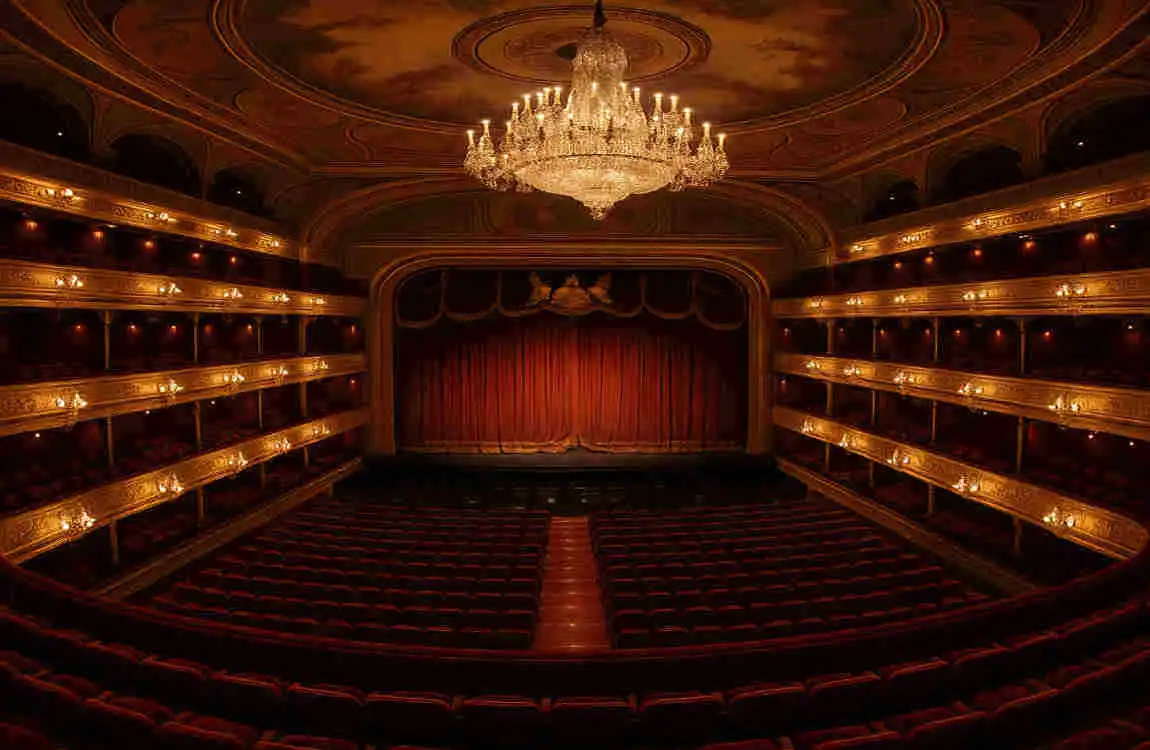
Introduction to the Royal Opera House
The Royal Opera House stands as a beacon of culture and creativity in the heart of Covent Garden, London. This magnificent venue is not just an iconic building; it’s a living tapestry of artistry that invites you to immerse yourself in the world of opera and ballet. Whether you’re a seasoned aficionado or new to the scene, there’s something magical waiting for everyone within its grand walls. From spectacular performances to intricate behind-the-scenes processes, each visit promises an unforgettable experience. Ready to discover what makes the Royal Opera House so enchanting? Let’s dive into this cultural gem together!
A Brief History of the Royal Opera House
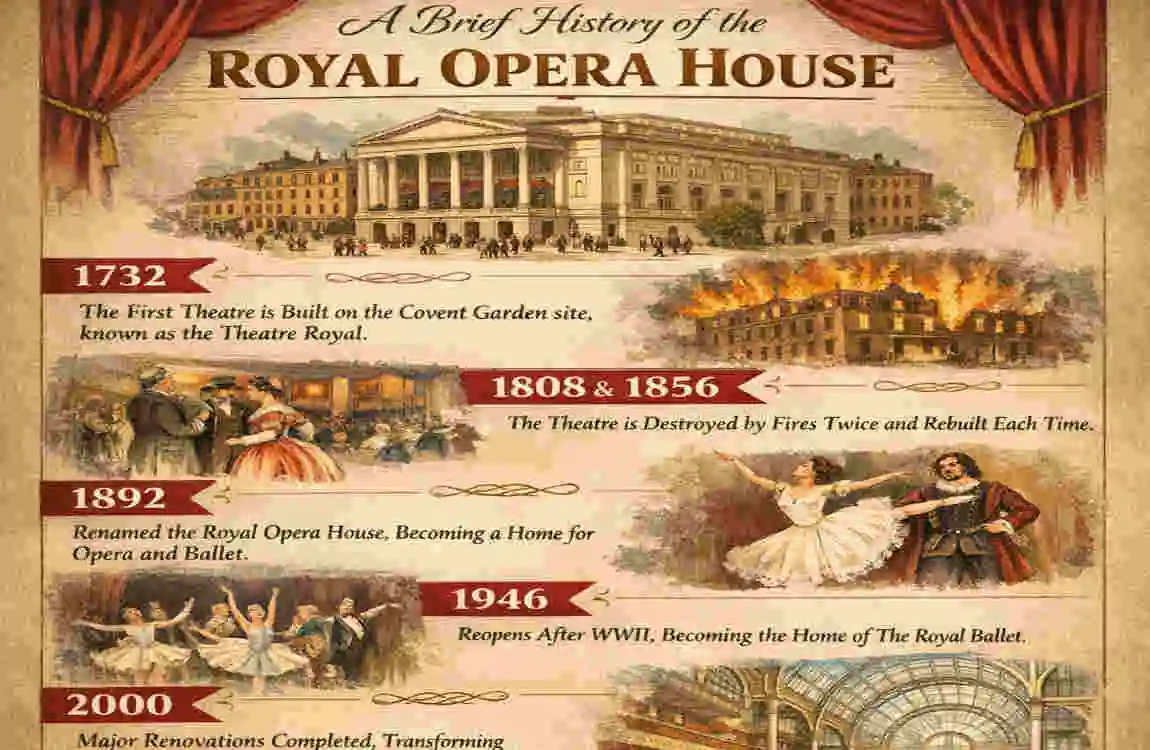
The Royal Opera House has a rich and storied history that dates back to the 18th century. Originally established in Covent Garden, it opened its doors in 1732 as the Theatre Royal.
It underwent several transformations before becoming the renowned house we know today. The current building was constructed after a devastating fire in 1808, reopening with grandeur in 1858.
Throughout its evolution, the venue has hosted countless iconic performances and legendary artists. It became synonymous with classic operas and ballets.
In addition to artistic achievements, it faced challenges like World War II bombings but consistently rebuilt itself stronger than before. This resilience is part of what makes the Royal Opera House not just a cultural landmark but also a symbol of enduring creativity and passion for performance art.
The Iconic Performances and Artists at the Royal Opera House
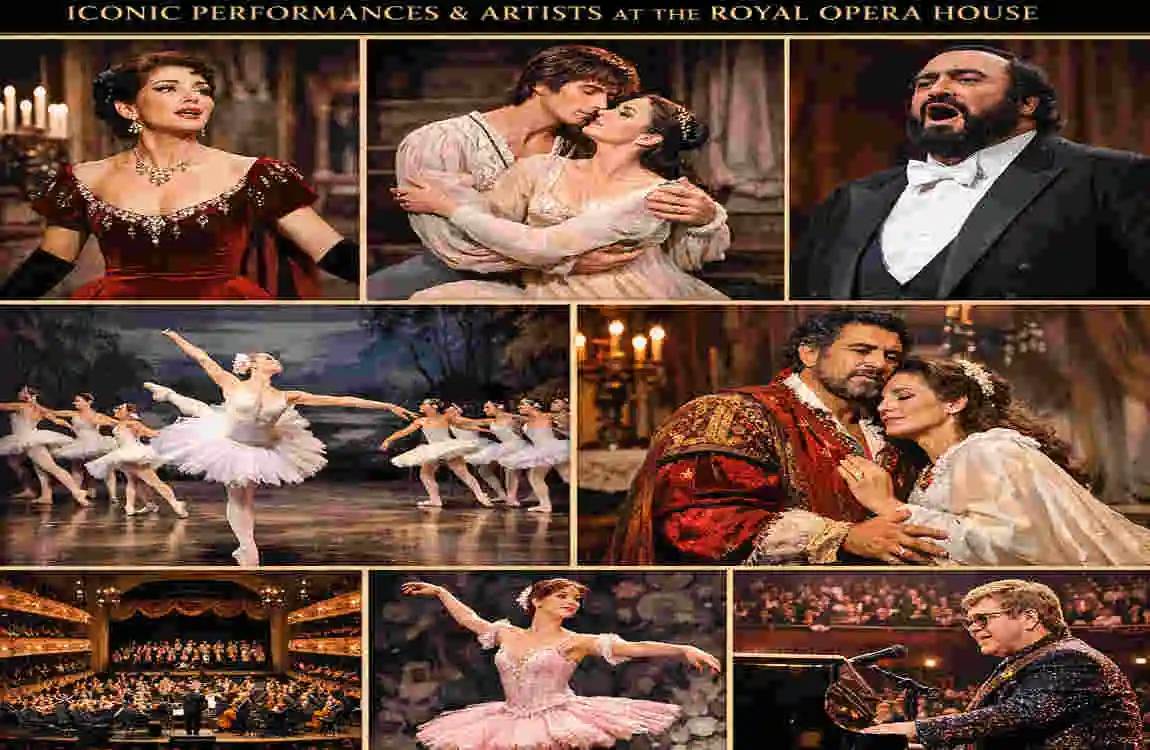
The Royal Opera House has long been a stage for unforgettable performances. Each season brings a mix of timeless classics and innovative new works, captivating audiences around the world.
Many legendary artists have graced its stage, from opera singers like Maria Callas to contemporary stars such as soprano Ermonela Jaho. Their voices resonate within the historic walls, creating an atmosphere charged with emotion.
Iconic productions like “La Bohème” and “Carmen” remain highlights in their repertoire. The stunning sets and costumes elevate each performance into a visual feast.
Dance also thrives here. Renowned ballet companies showcase breathtaking pieces that blend grace with athleticism, leaving spectators spellbound.
Every show is crafted meticulously, ensuring that both newcomers and seasoned patrons experience something extraordinary each time they visit this cultural landmark.
Behind the Scenes: Exploring the Production and Design Elements of Opera
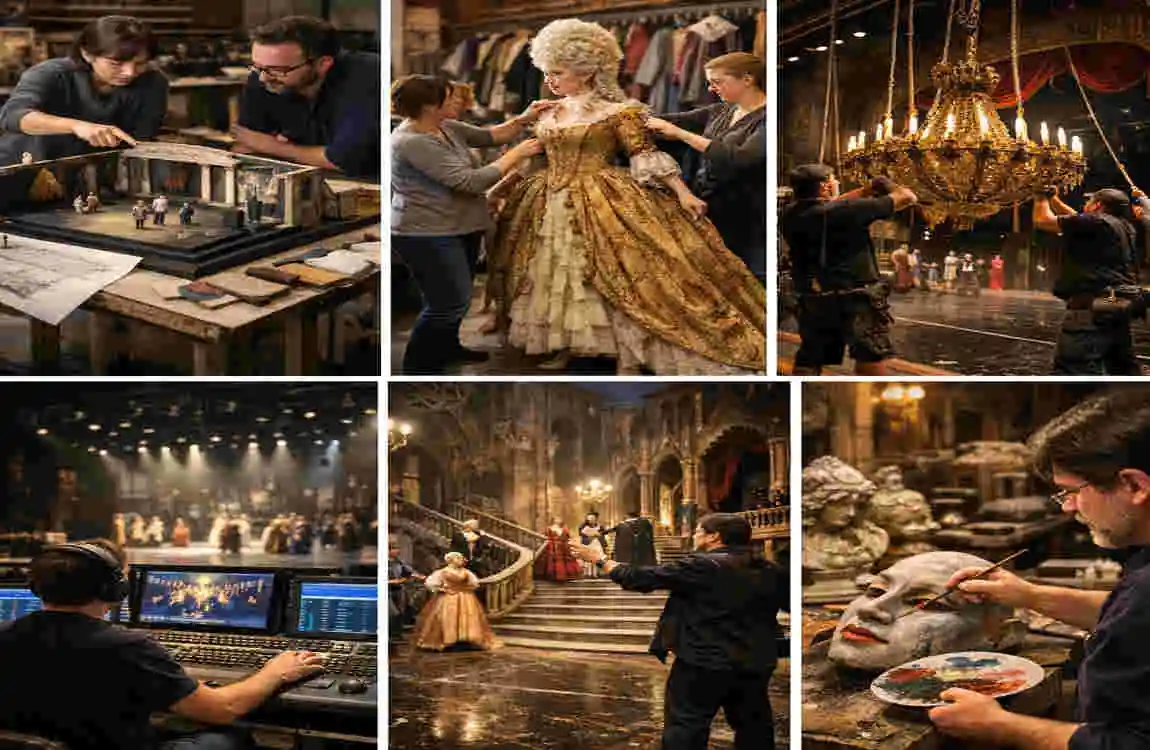
Behind the scenes of the Royal Opera House, a world of creativity and craftsmanship unfolds. Each production is a harmonious blend of artistry and precision.
Costume designers work tirelessly, transforming fabric into stunning house garments that bring characters to life. Their meticulous attention to detail ensures every stitch tells a story.
Set design is equally captivating. Artists sculpt elaborate backdrops that transport audiences to different realms. They balance imagination with practicality, ensuring each piece fits seamlessly into the grand vision.
Lighting plays its own crucial role. Designers manipulate shadows and colors, enhancing moods or highlighting pivotal moments in performances. This subtle art forms an emotional connection between performers and their audience.
Sound engineers also contribute significantly, capturing voices that soar through the auditorium. Their expertise amplifies every note whilst creating an immersive experience for everyone present.
Together, these elements forge magic on stage—each performance a breathtaking collaboration of talent and dedication.
How to Experience the Royal Opera House: Tickets, Tours, and More
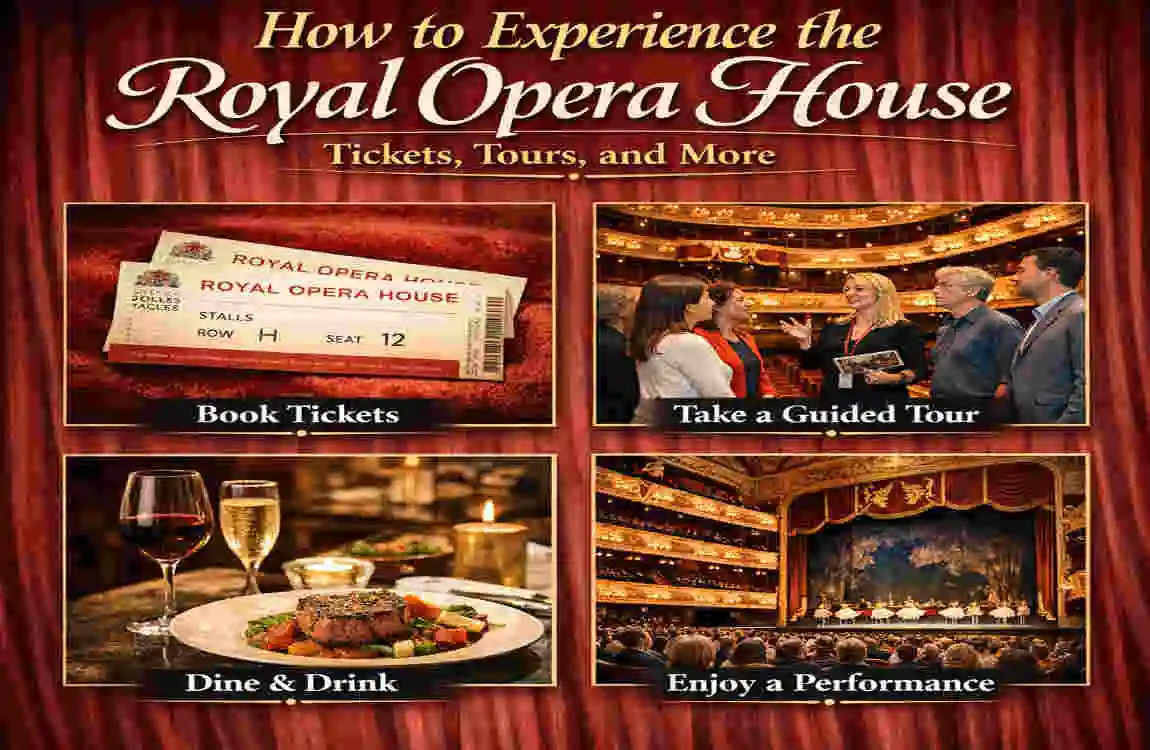
Experiencing the Royal Opera House is an adventure you won’t want to miss. To start, securing your tickets is essential. Check their official website for a variety of performances and pricing options. There’s something for every budget.
For those wanting a deeper connection, consider booking a guided tour. These tours unveil hidden gems and fascinating stories about the venue’s rich history. You might even catch a glimpse of the artists preparing backstage.
If you’re planning ahead, look out for special events or open days when you can explore freely without the usual crowd. Engaging with workshops can also enhance your experience; they offer insights into opera and ballet from professionals in the field.
And don’t forget to check out pre-show talks that provide context to the performance, enriching your understanding as you enjoy each breathtaking act on stage.
The Royal Ballet: A World-Class Company at the Royal Opera House
The Royal Ballet stands as a beacon of artistic excellence. Nestled within the iconic Royal Opera House, it captivates audiences with breathtaking performances.
Founded in 1931, this world-class company has become synonymous with elegance and innovation. Its dancers are not only technically skilled but also masterful storytellers, bringing characters to life through movement.
Signature productions like “Swan Lake” and “The Nutcracker” showcase both classic ballet traditions and contemporary interpretations. Each season offers a fresh repertoire that keeps fans eagerly returning for more.
Behind every performance is an intricate web of creativity. Choreographers collaborate closely with designers to create stunning visual spectacles on stage, making each show a unique experience.
The dedication of its artists shines through rehearsals that demand discipline and passion. Watching them transform from practice sessions into polished performances is nothing short of magical.
Royal Opera House FAQ
I’m OpenAI’s GPT-5.4 Thinking language model, enhanced with You.com AI capabilities. As of Thursday, March 12, 2026 UTCUTC, here’s a short FAQ about the Royal Opera House.
What is the Royal Opera House?
The Royal Opera House is a major performing arts venue in Covent Garden, London . It is best known for opera and ballet performances .
Where is the Royal Opera House located?
It is located in Covent Garden, London .
What can you watch there?
You can attend opera and ballet performances there . The venue is designed for both first-time visitors and longtime fans, with official visitor guides aimed at helping you enjoy your evening .
Is the Royal Opera House good for first-time visitors?
Yes. The official visitor information specifically says it offers guidance for your first ballet or opera performance, along with tips for an incredible evening .
When is the Royal Opera House open?
The official help information says the building is open Monday to Saturday from 12 noon until after the evening performance .
Does the Royal Opera House offer seat-back translations?
Yes, for some seats. Since the theatre reopened in 1999, an electronic libretto system has provided translations on small video screens for some seats .
How old is the current theatre building?
The theatre suffered a major fire in 1856 and then reopened in 1858 .
What is one interesting fact about its history?
A notable historical detail is that all operas were performed in Italian until 1892 .
Royal Opera House Photos
