

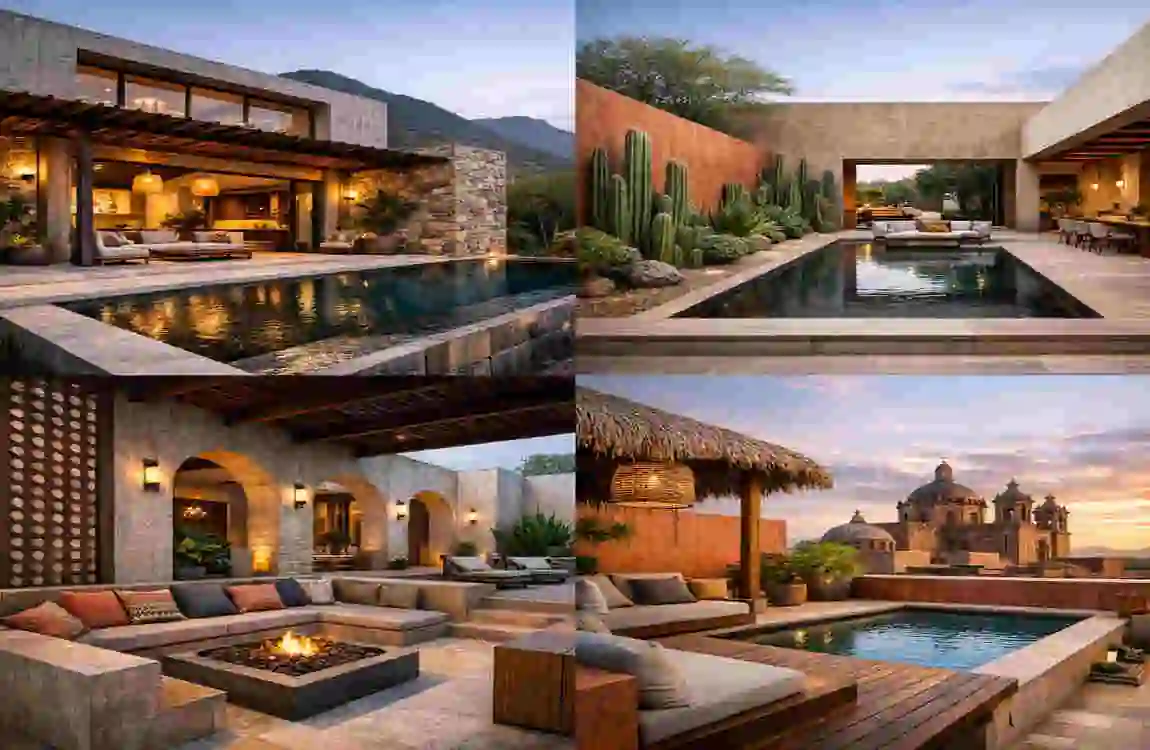
Modern Mexico homes have a special kind of charm that is easy to notice, even at a glance. They feel warm, artistic, and deeply connected to the land, yet they also look fresh, clean, and contemporary. That is a rare combination, and it is one of the main reasons these homes continue to attract attention from homeowners, architects, and design lovers around the world.
What makes them even more interesting is that they do not rely on style alone. Climate, culture, materials, and daily life shape modern Mexico homes. They are designed to feel good to live in, not just good to look at. In many cases, they bring together old traditions and modern ideas in a way that feels natural rather than forced.
You can see this balance in the use of open spaces, earthy colors, handcrafted details, and strong connections between indoor and outdoor living. At the same time, these homes often use modern layouts, simple forms, and sustainable building methods. The result is a home style that feels both timeless and current.
The Evolution of Mexican Home Design
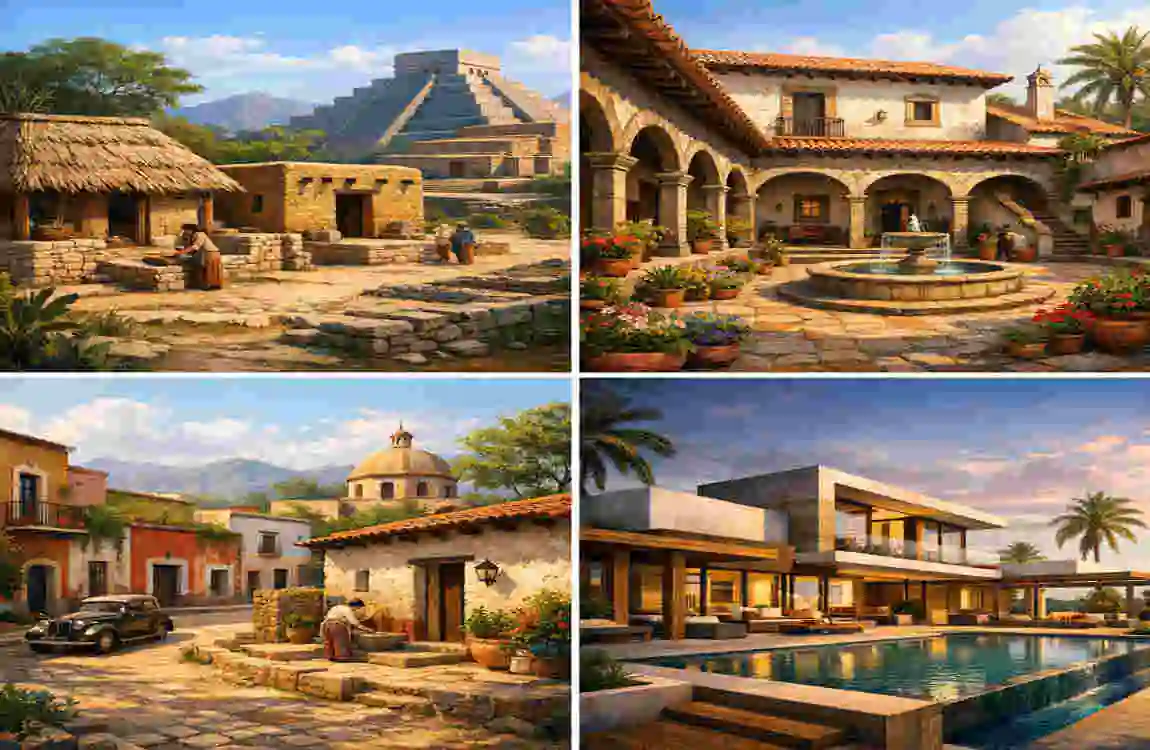
Mexican home design has changed a great deal over time, but it has never lost its identity. Modern Mexico homes did not appear all at once. They grew out of a long history of traditional building methods, cultural influence, and changing lifestyle needs.
Traditional adobe and colonial roots
For many years, Mexican homes were shaped by local climate and available materials. Adobe walls, clay roofs, thick stone structures, and shaded courtyards were common because they helped homes stay cool in hot weather and warm in cooler seasons. These old building methods were practical, but they were also beautiful in their own simple way.
Colonial influence also played a major role. Spanish colonial homes introduced arched doorways, inner patios, decorative tiles, and enclosed layouts. These features became deeply woven into Mexican architecture and continue to inspire modern homes today.
Even now, you can still see traces of that history in many modern Mexico homes. The difference is that these older ideas have been updated to match present-day needs. The result is a style that respects the past while looking toward the future.
The move toward modern minimalism
As cities grew and lifestyles changed, Mexican homes began to adapt. Families wanted spaces that felt more open, lighter, and easier to maintain. This led to a stronger focus on minimalism, clean lines, and flexible floor plans.
Modern homes in Mexico began to feature larger glass openings, fewer walls, and greater visual connection between rooms. Instead of heavy decoration everywhere, designers began to choose a few meaningful details that made a bigger impact. This shift did not erase Mexican identity. Instead, it helped highlight it more clearly.
Minimalism in Mexico is not cold or empty. It still feels warm because it keeps the natural textures, handmade details, and earthy colors that are part of the country’s design language. That is one reason why modern Mexico homes stand apart from many other minimalist styles.
Urban growth and coastal expansion
Mexico City has had a huge influence on modern housing design. As the city expanded, architects had to respond to dense neighborhoods, limited land, and the need for functional but stylish living spaces. This encouraged smart use of space, better light, and creative layouts.
Coastal regions also helped shape the modern look. In places with warm weather and scenic views, homes naturally began to open up more to the outdoors. Large terraces, shaded patios, and pool areas became part of the design. These elements made homes feel relaxed and connected to nature.
Together, urban and coastal development pushed Mexican architecture in two important directions: practical city living and luxurious indoor-outdoor comfort. Modern Mexico homes often borrow from both.
Global influences, local identity
Like many modern design traditions, Mexican architecture has also been shaped by ideas from other parts of the world. Scandinavian simplicity, industrial materials, and contemporary international styles have all influenced newer homes.
But here is the important part: Mexico does not simply copy these ideas. It filters them through local culture, climate, and craftsmanship. That is why modern Mexico homes still feel distinctly Mexican. Global trends may influence them, but they remain rooted in local life.
Key Features of Modern Mexico Homes
Modern Mexico homes are known for a set of design features that work together beautifully. These features are not random. They are carefully chosen to create comfort, beauty, and a strong sense of place.
Open floor concepts
One of the most noticeable traits of modern Mexico homes is the open floor plan. These homes often reduce the number of walls between the kitchen, dining area, and living room. This creates a sense of flow and makes the home feel larger and brighter.
Open layouts also support a more social way of living. Families can spend time together without feeling divided by separate rooms. Guests can move freely through the home, and the space feels more welcoming overall.
This approach also helps with airflow and natural light. In warm climates, that matters a lot. Homes that breathe well stay more comfortable and reduce the need for constant artificial cooling.
Seamless indoor-outdoor living
Another major feature is the connection between inside and outside. Modern Mexico homes often blur the line between the two. Large sliding doors, patios, covered terraces, and inner courtyards help create a smooth transition.
This is not just about style. It changes how people use the home. A patio may become an extra living room. A garden may feel like part of the interior. A pool area may serve as a daily gathering space rather than a rare luxury.
In many Mexican homes, the outdoor area is not treated as an afterthought. It is part of the heart of the house.
Large windows and natural light
Natural light is a major design element. Instead of relying only on artificial lighting, modern Mexico homes often use wide windows, skylights, and glass doors to fill rooms with daylight.
This makes the space feel open and alive. It also helps highlight textures, colors, and materials in a softer and more flattering way. Light becomes part of the design itself.
At the same time, these homes do not use glass carelessly. Designers often pair large windows with shading devices, deep overhangs, or screened areas to prevent overheating. This keeps the home comfortable while still feeling airy.
Natural materials
Modern Mexico homes often feature stone, wood, clay, concrete, and other natural materials. These materials are chosen for both appearance and performance. They age well, feel grounded, and work well in local climates.
Natural materials also create a sense of honesty in the design. They do not try too hard. Instead, they let the beauty of texture, grain, and color speak for itself.
Here is a simple table showing how these materials often shape the look and feel of the home:
MaterialCommon UseVisual EffectPractical Benefit
Stone Walls, floors, accent features Strong, earthy, timeless Durable and cool to the touch
Wood Ceilings, furniture, doors Warm, natural, inviting Adds comfort and texture
Clay Tiles, pots, roof accents Rustic and handcrafted feel Works well in traditional-inspired spaces
Concrete Floors, walls, counters Clean, modern, simple Durable and flexible for modern layouts
Earth-toned color palettes
Color plays a huge role in the personality of modern Mexico homes. Instead of very bright or shiny finishes, these homes often use earthy shades inspired by the landscape.
You will often see warm beige, soft white, terracotta, deep brown, muted gray, sandy tones, and natural clay colors. These shades help create a calm and balanced mood. They also allow handmade objects, artwork, and furniture to stand out more clearly.
This kind of palette feels timeless because it reflects real natural surroundings. It is not trendy in the short term. It is grounded, familiar, and easy to live with.
A minimalist yet warm aesthetic
Modern Mexican homes often feature clean lines and simple forms, yet they do not feel cold. That is because they are softened by texture, craftsmanship, and natural materials.
This balance is one of the most appealing things about the style. A room may have plain walls and minimal furniture, but it can still feel rich because of a woven rug, a carved chair, a textured plaster wall, or a handmade ceramic vase.
The design is often quiet rather than loud. It does not shout for attention. Instead, it invites people to slow down and notice the details.
Why Indoor-Outdoor Harmony Matters So Much
One of the strongest ideas behind modern Mexico homes is that life should flow naturally between the inside and the outside. This is not just a design trend. It is a lifestyle choice.
The patio as the heart of the home
In many Mexican homes, the courtyard or patio serves as a central gathering space. It brings in air, sunlight, greenery, and movement. It also creates privacy, which is especially valuable in urban areas.
A patio can function as a place for family meals, quiet reading, children’s play, or even small social gatherings. It makes the home feel larger without needing a bigger footprint.
This central open space is one reason many modern homes in Mexico feel so calm. Even when the house sits in a busy area, the patio creates a protected interior world.
Gardens and pools as design features
In warmer regions, gardens and pools are often built into the design from the beginning. They are not simply added later. This gives the home a more complete and balanced layout.
The garden softens the architecture. The pool adds movement and reflection. Together, they create a feeling of leisure and rest. That is why many modern Mexican homes feel like private retreats.
Even in smaller homes, planters, green walls, and small water features can bring the same feeling of freshness and connection to nature.
Climate-sensitive design
Mexico has many different climates, and good design responds to that reality. Homes in hot regions may focus on shade, ventilation, and thick walls. Homes in cooler areas may use more insulation and enclosed spaces.
This climate awareness makes modern Mexico homes feel practical, not just beautiful. They are designed to work with the environment rather than fight against it.
That is an important lesson for homeowners everywhere: when a house responds well to its surroundings, it usually becomes more comfortable, efficient, and enjoyable to live in.
Architectural Styles That Influence Modern Mexican Homes
Modern Mexican homes are not a single fixed style. They are a blend of several design influences, shaped by local traditions and modern needs.
Contemporary Mexican architecture
This is the most direct influence. Contemporary Mexican architecture takes older forms and updates them with modern materials, simpler lines, and open planning.
You might see a home with smooth concrete walls, large glass panels, and a warm wooden screen. This combination creates a house that feels current but still deeply connected to Mexican design values.
The key idea is balance. Contemporary Mexican homes do not abandon culture. They reinterpret it.
Spanish colonial revival elements
Many modern homes still borrow from colonial design. You may notice arched openings, inner courtyards, tiled floors, and thick walls. These elements bring a sense of history and character.
When used carefully, colonial features can make a modern home feel more grounded and elegant. They also help soften the strictness that can sometimes come with ultra-modern design.
This mix of old and new is one reason modern Mexico homes feel so layered and interesting.
Tropical modernism in coastal areas
Coastal areas in Mexico often favor a more open, breezy style. This approach is sometimes called tropical modernism. It focuses on shade, air movement, and strong visual connection to the outdoors.
Homes in these regions often use overhangs, airy rooms, natural ventilation, and large open terraces. The materials may be chosen to handle humidity, salt air, and strong sun.
The style feels relaxed but thoughtful. It is ideal for places where outdoor living is a large part of everyday life.
Scandinavian and industrial fusion
Some modern Mexican homes also incorporate Scandinavian or industrial influences. Scandinavian style can add simplicity, function, and clean lines. Industrial style can introduce metal, exposed concrete, and raw finishes.
When these ideas are blended with Mexican warmth, the result can be powerful. The home gains structure and clarity, but it still feels human and inviting.
This kind of fusion is especially common in urban homes where owners want a modern look without losing warmth and personality.
Interior Design Trends in Modern Mexico Homes
The inside of a home is where the full personality of the design comes alive. In modern Mexico homes, the interiors usually feel simple at first glance, but they are full of texture and meaning.
Neutral tones with bold accents
Many interiors begin with a calm base of white, beige, sand, or soft gray. This gives the home a clean and open feeling. Then bold accents are added in small but meaningful ways.
These accents may appear in artwork, pillows, rugs, painted tiles, or a single colorful chair. The key is restraint. The color is not everywhere. It is used with purpose.
This creates a balanced interior that feels both modern and expressive.
Handcrafted furniture and textiles
Mexican craftsmanship is a major part of the interior identity. Handwoven fabrics, carved wood furniture, handmade ceramics, and traditional textiles often appear throughout the home.
These items do more than decorate the space. They bring personality and human touch. In a world filled with mass-produced products, handcrafted objects help make a house feel more personal and lived-in.
This is one of the strongest ways modern Mexico homes stay connected to their roots.
Terracotta, clay pots, and woven decor
Natural decorative pieces are very common. Terracotta planters, clay bowls, woven baskets, and hand-formed vases all fit easily into the style.
These details work because they continue the home’s larger story. They reinforce the use of earth-based materials and handmade beauty.
They also make the space feel approachable. The home does not feel overly formal. It feels comfortable, welcoming, and real.
Modern kitchens with rustic touches
The kitchen in a modern Mexico home often combines sleek function with rustic beauty. You may see modern cabinets and appliances paired with wood shelves, stone counters, or clay tile backsplashes.
This combination creates a space that is easy to use yet still warm. It reflects the Mexican habit of making practical rooms feel social and inviting.
A kitchen like this is not just a place for cooking. It becomes a place where people want to gather.
Common decorative ideas in modern Mexico homes
Here are a few design choices that often appear again and again:
- Handmade ceramics that add texture and authenticity
- Textiles and rugs that soften the room and bring color
- Natural wood pieces that add warmth and structure
- Indoor plants that reinforce the connection to nature
These details may seem small, but they shape the mood of the whole home.
Sustainability in Modern Mexico Homes
Sustainability is not just a trend in home design in Mexico. In many cases, it is a practical necessity and a design strength. Modern Mexico homes often include features that help them use energy and resources more wisely.
Eco-friendly building materials
Natural and locally sourced materials are often preferred because they reduce environmental impact and are well-suited to the local climate. Materials like clay, stone, wood, and lime plaster are common choices.
These materials also tend to last well when maintained properly. That means they can support both sustainability and long-term value.
Using local materials can also help a home feel more connected to its region. The design does not look imported or disconnected. It looks like it belongs.
Passive cooling techniques
In warm parts of Mexico, many homes are designed to stay cool without depending too heavily on air conditioning. This is done through natural airflow, shaded spaces, thick walls, and thoughtful room placement.
Courtyards help move air through the home. High ceilings can help heat rise. Cross-ventilation can make rooms feel fresher during the day.
These ideas are simple but highly effective. They also make the house feel more in tune with the environment.
Solar energy and modern systems
Many modern homes in Mexico now use solar panels or other energy-saving systems. This is especially useful in sunny regions where natural light is abundant.
Solar energy can help reduce electricity use, lower monthly costs, and make the home more self-sufficient. When paired with efficient appliances and smart design, it can have a meaningful impact.
Technology is not always visible in these homes, but it often supports the overall experience in quiet, effective ways.
Water conservation
Water use is another important issue. Many homes now include water-saving systems, efficient landscaping, rainwater collection, or drought-friendly plants.
This matters in a country where climate conditions vary widely and water conservation is increasingly important. A beautiful home should also be responsible, and many modern homes in Mexico are moving in that direction.
Why sustainability fits this style so well
Sustainability and Mexican design work well together because both value practicality, natural materials, and respect for the environment. The style is not trying to impress through excess. It aims to live well with less waste and more intention.
That is part of what makes modern Mexico homes feel modern in the truest sense. They are not just stylish. They are smart.
Why Modern Mexico Homes Are Popular Around the World
The appeal of modern Mexico homes has grown far beyond Mexico itself. Designers, architects, and homeowners in many countries now admire this style for its beauty and balance.
A strong cultural identity
One reason for their popularity is that these homes feel authentic. They do not look generic. They have a strong sense of place and culture.
In a global market where many homes start to look the same, that difference matters. People are drawn to homes that tell a story. Modern Mexico homes do exactly that.
Affordable luxury appeal
These homes often feel luxurious, but not in a flashy way. They rely on quality materials, natural light, and thoughtful layouts rather than excessive decoration.
That creates a sense of affordable luxury. The home feels rich in atmosphere, even when the design stays simple.
This is very attractive to buyers who want elegance without feeling overdone.
Vacation home demand
Mexico’s coastal regions and scenic destinations have also helped raise the profile of this style. Many vacation homes and resort properties use modern Mexican design because it suits the landscape so well.
The style feels relaxed, open, and vacation-ready. It supports a slower pace of life, which is exactly what many people want in a second home or retreat.
Influence on global architecture
Architects around the world admire how modern Mexico homes combine tradition, climate response, and artistic warmth. This has influenced residential design in many other places.
The style offers a useful lesson: a home can be modern without losing soul. It can be simple without feeling empty. It can be elegant without becoming cold.
That is a message many homeowners find very appealing.
Challenges in Building Modern Mexico Homes
Even though these homes are beautiful and practical, building them is not always easy. There are a few real challenges that designers and homeowners must consider.
Premium material costs
Natural and handcrafted materials can be more expensive than mass-produced alternatives. Stone, quality wood, artisan tile, and custom furniture all add cost.
This does not mean the style is out of reach, but it does mean careful budgeting matters. Many homeowners need to decide where to spend more and where to simplify.
Climate-related design needs
Because Mexico has many different climates, a design that works in one region may not work well in another. Coastal heat, inland dryness, mountain coolness, and urban density all affect the design process.
A beautiful home needs to respond to its setting. That takes knowledge and planning.
Urban zoning and space limits
In busy cities, land can be limited and zoning rules can shape what is possible. This may affect building height, setbacks, light access, or courtyard size.
Designers must often get creative to keep the home open and comfortable while still meeting local requirements.
Tradition versus modern taste
Another challenge is balance. If a home leans too far into tradition, it may feel outdated. If it becomes too modern, it may lose its character.
The best modern Mexican homes solve this by carefully blending both sides. That balance is not always easy, but when it works, the results are remarkable.
What Makes the Style Stand Out So Clearly?
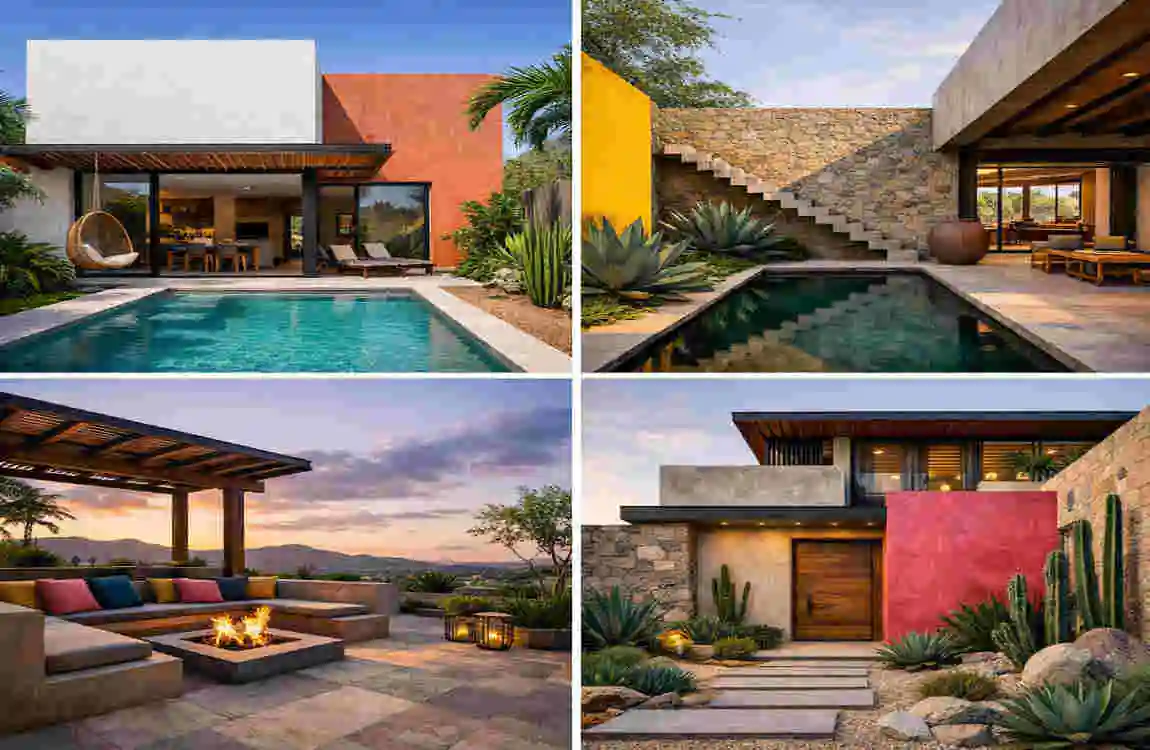
It helps to step back and look at the bigger picture. Modern Mexico homes stand out because they do more than follow design trends. They create a full experience.
They respect the environment
These homes often work with climate, light, and materials instead of ignoring them. That makes them more comfortable and more meaningful.
They celebrate craftsmanship
Handmade elements are not hidden. They are part of the design language. This gives each home a human quality that feels genuine.
They mix old and new beautifully
Instead of choosing between tradition and modern life, these homes bring both together. That creates a style with depth and flexibility.
They feel calm and inviting
Many homes today feel busy or overly polished. Modern Mexico homes usually feel the opposite. They are calm, warm, and welcoming.
That emotional quality is a big part of their appeal. People do not just admire them. They want to live in them.
FAQ: Modern Mexico Homes
What defines modern Mexico homes?
Modern Mexico homes combine traditional Mexican elements with contemporary design. They often feature open layouts, natural materials, indoor-outdoor living, and a warm minimalist look.
Are homes in modern Mexico expensive to build?
The cost can vary a lot depending on location, size, and materials. Homes that use premium natural finishes or custom craftsmanship may cost more. Still, smart planning and energy-efficient design can help manage long-term expenses.
What materials are commonly used in modern homes in Mexico?
Common materials include stone, wood, clay, concrete, and natural fibers. These materials are chosen for both beauty and durability.
Do modern Mexico homes support sustainability?
Yes, many do. They often include passive cooling, solar energy, water-saving systems, and eco-friendly materials that help reduce environmental impact.
Where are modern Mexico homes most popular?
They are especially popular in Mexico City, coastal resort areas, and warm climate regions where indoor-outdoor living works naturally.
Why do people around the world love this style?
People love it because it feels authentic, stylish, warm, and practical. It offers a rare mix of cultural depth and modern comfort.
| Feature | Description | Why It’s Unique in Modern Mexico Homes |
|---|---|---|
| Bold Color Palettes | Use of vibrant tones like terracotta, turquoise, and mustard | Reflects Mexican culture, art, and heritage while staying modern |
| Indoor-Outdoor Living | Large patios, courtyards, and open terraces | Blends nature with living space, ideal for warm climates |
| Natural Materials | Stone, clay, wood, and stucco finishes | Adds warmth and connects homes to traditional Mexican architecture |
| Minimalist Modern Design | Clean lines with simple geometric forms | Balances traditional charm with contemporary aesthetics |
| Courtyards (Patios) | Central open-air spaces inside homes | Enhances ventilation, light, and family gathering space |
| Handcrafted Details | Talavera tiles, artisan décor, carved woodwork | Adds cultural authenticity and artistic value |
| Large Windows | Floor-to-ceiling glass and open layouts | Maximizes natural light and scenic views |
| Sustainable Design | Eco-friendly materials and energy-efficient layouts | Supports modern green building trends |
