

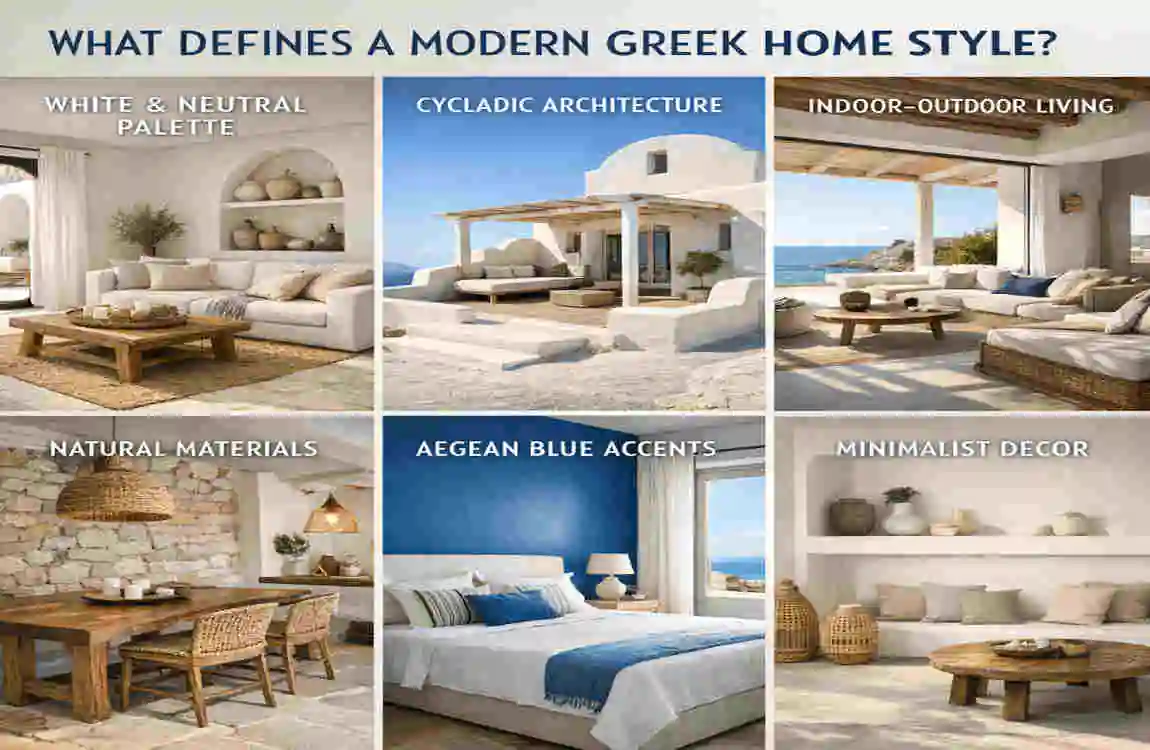
Modern Greek homes have become a favorite around the world for a simple reason: they feel peaceful, bright, and timeless. They take the beauty of traditional Greek architecture and blend it with the comfort and simplicity of contemporary living. The result is a home style that looks elegant without feeling heavy or overly decorated.
If you have ever seen a Greek-inspired villa with whitewashed walls, clean lines, natural textures, and open spaces, you already know the charm. These homes feel connected to the landscape. They welcome sunlight, fresh air, and outdoor living in a way that many modern homeowners love.
Architects and homeowners admire this style because it offers more than good looks. It creates a way of living that feels calm, natural, and practical. It works well in warm climates, but its design ideas can also be adapted to many different places and budgets.
Understanding the Origins of Modern Greek Homes
Traditional Greek Architecture Through History
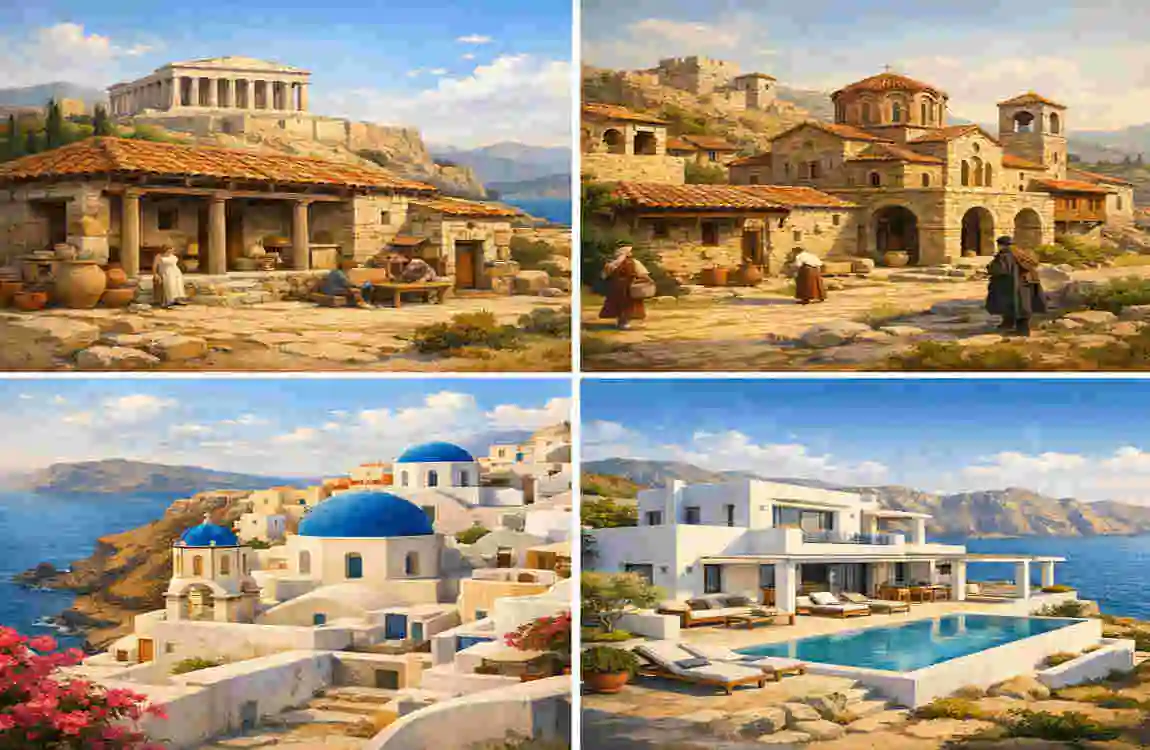
The story of Greek home design begins long before modern architecture. Traditional Greek buildings were shaped by geography, climate, and daily life. Homes needed to stay cool during hot summers, protect people from strong winds, and use locally available materials.
Ancient Greek architecture influenced the sense of balance, proportion, and beauty that still appears in modern Greek homes today. Even though modern houses are far simpler than temples or classical buildings, they often carry the same appreciation for symmetry and harmony.
A major influence comes from the Cycladic islands, where homes were traditionally painted white and built in compact forms. These buildings were designed to reflect sunlight and keep interiors cooler. Their cubic shapes, flat roofs, and small windows became some of the most recognizable features of Greek house style.
Mediterranean building traditions also shaped the look. Natural stone, plaster walls, and shaded courtyards were practical choices that helped families live comfortably in warmer weather. These details continue to inspire modern Mediterranean homes today.
The Evolution Toward Modern Design
Over time, Greek architecture evolved to match changing lifestyles. Families wanted more open layouts, more natural light, and homes that felt less formal. Designers began mixing traditional elements with modern construction methods to create homes that felt fresh and practical.
This shift led to a new version of the Greek-inspired home. It still honors the past, but it also embraces minimalism, sustainability, and modern comfort. The focus is no longer only on decoration. Instead, it is on space, light, materials, and how a home supports everyday life.
Global interest in this style has grown because people are drawn to its calm and clean look. Many homeowners want spaces that feel less crowded and more connected to nature. Modern Greek homes answer that need beautifully. They combine old-world charm with contemporary living in a way that feels both stylish and easy to live in.
Key Architectural Features of Modern Greek Homes
Whitewashed Exterior Walls
One of the most recognizable features of modern Greek homes is the whitewashed exterior. This look is more than just beautiful. It has practical benefits too.
White surfaces reflect sunlight, which helps keep the home cooler in warm weather. That made whitewashing useful in traditional Greek villages, and it still makes sense today in sunny climates. The color also gives a fresh, clean appearance that feels both simple and elegant.
The white exterior creates a strong visual connection to the Mediterranean. It works well with blue skies, stone paths, and natural landscape elements. This is one reason why modern Greek home style feels so peaceful. The house does not fight with the environment. It blends into it.
Whitewashed walls also allow other details to stand out. Wooden doors, black window frames, clay pots, and stone steps all look more striking against a white background. This balance is a key part of the style’s charm.
Clean Geometric Shapes
Modern Greek homes often use simple geometric forms. You will notice straight lines, boxy structures, and uncluttered facades. These shapes create a sense of calm and order.
This is where the modern influence becomes especially clear. Traditional Greek buildings were functional, but modern designs strip away extra decoration and focus on form. The result is a home that feels light, balanced, and easy on the eyes.
Clean geometry also makes the architecture feel timeless. There is nothing overly trendy or complicated about it. Instead, the design depends on proportion, light, and careful placement of each element.
For homeowners, this means the house feels spacious even if it is not very large. A simple shape can often make a property feel more refined than one packed with decorative features.
Flat or Low-Pitched Rooflines
Many Greek-inspired homes use flat or low-pitched roofs. This design choice comes from island architecture and warm-weather living.
A flat roof gives the house a strong, modern outline. It also works well with terraces and rooftop spaces, which are popular in Mediterranean-style homes. In some cases, roofs are used as relaxing areas with seating, planters, or open views.
Low-pitched roofs offer a softer variation. They still keep the home simple and contemporary, while allowing for practical drainage and structure.
These rooflines help maintain the clean profile that defines modern Greek architecture. They avoid the heavy look of steep or complicated roofing, keeping the home visually light and elegant.
Large Windows and Glass Doors
Natural light plays a huge role in modern Greek home style. That is why large windows and glass doors are such important features.
These openings allow sunlight to fill the interior, making rooms feel larger and warmer. They also create a strong connection between indoor and outdoor spaces, which is a major part of the Mediterranean lifestyle.
In many homes, sliding glass doors open directly onto terraces, patios, or gardens. This design makes it easy to move between spaces and enjoy fresh air throughout the day.
Large windows also frame outdoor views beautifully. Whether the home looks out over the sea, a garden, or a quiet courtyard, the glass helps bring nature into the living space. That sense of openness is one of the reasons modern Greek homes feel so restful.
Open-Air Terraces and Balconies
Outdoor living is central to this style. Terraces and balconies are not just extra spaces. They are an extension of the home.
A terrace can serve many purposes. It may become a place for morning coffee, evening dinners, family gatherings, or quiet reading. A balcony can offer a private retreat with views and fresh air.
In Greek-inspired architecture, these spaces are often designed to feel open yet comfortable. They may include light furniture, potted plants, built-in benches, or shaded corners. The focus is on enjoying the outdoors without sacrificing comfort.
This connection to open-air living helps modern Greek homes feel relaxed and welcoming. It also supports the lifestyle many people want today: more outdoor time, more natural light, and more simple pleasures.
Key Architectural Features at a Glance
FeatureTraditional Greek InfluenceModern Benefit
Whitewashed walls reflect heat and sunlight, creating a bright, clean appearance.
Clean geometric shapes Simple village forms Minimalist and timeless look
Flat or low-pitched roofs Island architecture Practical and modern profile
Large windows and glass doors Maximize light and views Better indoor-outdoor flow
Terraces and balconies Outdoor Mediterranean living Extra usable space
Interior Design Characteristics of Modern Greek Homes
Open-Concept Floor Plans
Inside, modern Greek homes often follow open-concept layouts. This means the living room, dining area, and kitchen may flow into one another with few walls between them.
This layout makes the home feel more spacious and flexible. It allows families to move easily through the space and makes socializing more natural. If you are cooking, talking, or relaxing, the open design keeps everyone connected.
Open-concept living also suits the Greek-inspired focus on light and airiness. Fewer walls mean sunlight can move more freely through the house. The space feels less crowded and more relaxed.
For many homeowners, this is one of the most practical parts of the style. It creates a home that looks beautiful but also works well for everyday life.
Neutral and Earthy Color Palettes
Color is one of the strongest design tools in this style. Neutral and earthy tones create the calm, sun-washed feel that modern Greek interiors are known for.
White is often the main color because it keeps the space bright and clean. Beige, cream, sand, soft gray, and stone shades are also common. These colors work together to create warmth without making the room feel busy.
Earthy colors help connect the interior with the natural world outside. They reflect the stone, soil, sea foam, and sunlight often seen in Greek landscapes. This is part of what gives the style such a soothing feel.
You do not need bold color to create impact here. In fact, the beauty of the style often comes from restraint. The room feels elegant because it is calm and well balanced.
Natural Light as a Design Element
In Greek home design, light is not just something that enters the room. It is part of the design itself.
Large windows, glass doors, and open layouts are all used to bring in as much daylight as possible. Designers often plan furniture and wall placement around the movement of light. This helps the home feel warm and lively during the day.
Natural light has a strong effect on how a space feels. It makes colors look softer, textures look richer, and rooms seem more inviting. In a modern Greek home, light helps create that signature airy atmosphere.
If you want to copy this style, think about how your windows work. A bright room with simple décor can feel more beautiful than a darker room with expensive decoration. That is the power of daylight in this design.
Minimalist Furnishings
Modern Greek interiors usually avoid clutter. The furniture is simple, useful, and carefully chosen. This does not mean the home feels empty. It means every piece has a purpose.
You might see clean-lined sofas, wooden tables, woven chairs, and a few decorative objects rather than many. The focus is on quality over quantity. Each item should add comfort or character without overwhelming the room.
This approach creates a space that feels calm and breathable. It also makes the home easier to maintain. With fewer objects competing for attention, the room’s natural beauty becomes more visible.
Minimalism in this style is not cold or strict. It is soft, warm, and human. The goal is to make the home feel peaceful and lived in.
Organic Textures and Materials
Texture matters a great deal in modern Mediterranean homes. Since the color palette is usually simple, the materials need to add depth and interest.
Common textures include linen, cotton, wood, stone, clay, and woven fibers. These materials bring warmth and natural beauty to the interior. A linen curtain or a wooden side table can make a room feel more grounded and inviting.
The mix of soft and rough textures is especially important. A smooth wall next to a rustic wood piece creates contrast. A stone floor paired with a soft rug adds comfort. These small details bring balance to the design.
The best Greek-inspired interiors feel natural rather than overly polished. They look like a place where someone actually lives, not a showpiece meant to stay untouched.
Popular Materials Used in Modern Greek Homes
Natural Stone
Natural stone is one of the most common materials in modern Greek homes. It has been used for centuries because it is durable, attractive, and closely tied to the local landscape.
You may see stone used in floors, walls, fireplaces, staircases, or outdoor paths. Limestone and other local stones create a grounded, timeless look that works beautifully with white walls and simple lines.
Stone brings a sense of history into the home. Even in a modern setting, it evokes the Greek countryside, island paths, and traditional village buildings. It also helps the architecture feel connected to the land.
Because stone is strong and long-lasting, it is a practical choice as well. It can handle daily use while keeping its natural beauty for many years.
Wood Elements
Wood adds warmth to the cool, clean look of white and stone. In modern Greek house style, wood often appears in beams, doors, furniture, shelving, and decorative details.
Light or medium-toned woods work especially well because they keep the space feeling airy. Dark wood can also be used, but usually in smaller amounts so it does not overpower the room.
Wood softens the look of a home. It helps make modern Greek interiors feel more comfortable and welcoming. A wood ceiling beam or a simple dining table can change the mood of a room instantly.
This material also connects the home to nature, one of the most important ideas in this style.
Marble Finishes
Marble is another classic choice. It adds a touch of luxury while still fitting the design’s clean, elegant nature.
You often find marble in kitchens, bathrooms, tabletops, and decorative surfaces. Its smooth finish and natural pattern bring quiet sophistication to the space.
Greek culture has a long history with marble, so its use feels both authentic and beautiful. In modern homes, it is often used in a restrained way rather than in large dramatic blocks.
A marble counter or vanity can make a room feel refined without making it look crowded. That balance is part of what makes this material so effective in Greek-inspired interiors.
Concrete and Modern Construction Materials
While traditional Greek homes relied heavily on local stone and plaster, modern versions often use concrete and other updated building materials.
Concrete allows for cleaner shapes, stronger structure, and more flexible design. It supports the modern side of the style while still working well with natural finishes.
It is also useful from a sustainability and durability standpoint. Combined with insulation, reflective surfaces, and smart building methods, these materials can help improve energy performance.
What matters most is how these materials are finished. When paired with soft colors, wood accents, and natural textures, concrete fits seamlessly into the modern Greek look.
Outdoor Spaces in Modern Greek Homes
Courtyards and Private Gardens
Outdoor space is not an afterthought in this style. It is a key part of the living experience. Courtyards and private gardens create peaceful retreats where people can rest, gather, or enjoy the weather.
A courtyard offers privacy while still letting in sunlight and fresh air. It can become a quiet corner with seating, plants, and a sense of enclosure that feels calm and safe.
Private gardens bring even more nature into the home. Olive trees, herbs, grasses, and flowering plants are often used to create a soft Mediterranean atmosphere.
These spaces help connect daily life with the outdoors. That connection is one of the deepest reasons people love modern Greek homes.
Infinity Pools and Water Features
In more luxurious versions of this style, water features and infinity pools are often included. These elements add a sense of calm and visual beauty.
Water reflects light and creates movement, which makes the landscape feel alive. A pool can also serve as a strong design statement when placed carefully on the property.
Infinity pools are especially popular in homes with sea views or hillside settings. They help the pool blend into the horizon, creating a dramatic yet peaceful effect.
Even a small fountain or reflecting pool can bring the same feeling on a smaller scale. Water adds a cooling, soothing presence to the home.
Outdoor Dining Areas
Greek culture values shared meals, so outdoor dining areas are a natural fit for this style. These spaces invite family and guests to gather outside and enjoy food in a relaxed setting.
A simple table, comfortable chairs, and soft lighting can turn a patio into a favorite part of the house. The space does not need to be fancy. It just needs to feel welcoming.
Outdoor dining supports the social side of modern Greek living. It encourages people to slow down, talk, and enjoy their surroundings.
If you want your home to feel more Mediterranean, this is one of the easiest and most effective ways to do so.
Pergolas and Shaded Patios
Because sunlight is so strong in many Greek-inspired settings, shade becomes very important. Pergolas and covered patios solve that problem beautifully.
A pergola adds structure and style while helping block direct sun. It can be made from wood, metal, or other materials, depending on the look you want. Vines or lightweight fabric may also be used to soften the space.
Shaded patios make outdoor areas usable for more hours of the day. They also create a sense of comfort and enclosure without closing the home off from nature.
This balance of sun and shade is a big part of Mediterranean living. It helps outdoor spaces feel both practical and beautiful.
Why Modern Greek Homes Are Becoming So Popular
Timeless Design Appeal
One reason modern Greek homes are so popular is that they never feel outdated. Their look is simple enough to remain stylish for many years, yet rich enough to feel special.
This timeless quality comes from the balance of old and new. The homes are not overloaded with passing trends. Instead, they rely on shape, light, and natural materials.
That means they work for people who want a home that still feels fresh a decade from now. The style has staying power because it is built on basic design principles that do not go out of fashion.
Strong Connection to Nature
Another reason for the style’s growth is its close relationship with nature. Modern Greek homes are designed to let the outside world become part of the interior experience.
Large windows, open layouts, natural textures, and outdoor spaces all help create that connection. People increasingly want homes that feel less isolated and more connected to the environment.
This is not just about beauty. It also supports a slower, more mindful way of living. A home that feels connected to nature can have a powerful effect on mood and well-being.
Energy Efficiency Benefits
Modern Greek homes can also be energy-efficient when well-designed. The style’s traditional roots already offer useful ideas for comfort in warm climates.
White walls reflect heat. Thick materials can help regulate temperature. Cross ventilation can reduce the need for constant cooling. Large openings can be positioned to bring in light without overheating the home.
When paired with modern insulation and smart building methods, these features can support lower energy use. That makes the style appealing to homeowners who care about both comfort and sustainability.
Wellness-Focused Living
People are also drawn to this style because it supports wellness-focused living. A calm color palette, open layout, and uncluttered space can reduce stress and make daily life feel easier.
The design encourages people to breathe, slow down, and enjoy their surroundings. It avoids visual noise and creates a peaceful mood.
That is a big part of its appeal. In a busy world, many homeowners want a house that feels like a retreat. Modern Greek homes provide exactly that feeling.
How to Incorporate Modern Greek Home Style Into Any Property
Start with a Neutral Color Scheme
If you want this look in your own home, the easiest place to begin is color. Choose white, cream, beige, sand, or soft gray as your main palette.
These shades give you a bright, calm foundation that defines the style. They also make rooms feel larger and lighter.
You do not need to paint everything white. Just make sure the overall effect stays soft and simple. Too many competing colors can break the mood.
Use Natural Materials
Add wood, stone, linen, clay, and marble wherever you can. These materials bring depth and warmth to the design.
Even small changes can help. A wood coffee table, linen cushions, a stone vase, or a clay lamp can all contribute to the look.
The key is to keep things authentic and natural. Choose materials that feel honest rather than overly shiny or artificial.
Embrace Minimalism
A modern Greek home should feel open and breathable. That means avoiding clutter and choosing furniture carefully.
Keep only what you need and what you love. Let each piece have space to stand out. This will help your home feel more peaceful and elegant.
Minimalism does not mean living with nothing. It means living with intention.
Create Outdoor Living Areas
If you have any outdoor space at all, use it. A small balcony, patio, or courtyard can become a beautiful extension of the home.
Add comfortable seating, simple lighting, and a few plants. If possible, create a spot for meals or quiet time.
Outdoor living is one of the strongest parts of the Greek home style, so do not overlook it.
Add Mediterranean-Inspired Décor
A few carefully chosen decorative pieces can complete the look. Think about woven baskets, ceramic bowls, pottery, olive branches, and soft textiles.
Avoid heavy decoration. Instead, choose objects that feel natural and meaningful.
The best décor supports the overall feeling of the home without taking over.
Simple Ways to Bring the Style Home
- Use a white or soft neutral base for walls and main surfaces.
- Add natural textures like wood, linen, clay, and stone.
- Keep furniture simple and low-profile.
- Make the most of sunlight and open space.
- Use outdoor seating and plants to extend the living area.
Common Mistakes to Avoid When Designing Modern Greek Homes
Overdecorating Spaces
One of the biggest mistakes is trying to add too much. The beauty of this style comes from simplicity, not excess.
Too many decorations can make the space feel busy and lose its calm feel. Choose a few meaningful pieces instead.
Ignoring Natural Light
Natural light is central to the design. If you block it with heavy curtains, oversized furniture, or poor layout choices, the home will lose its character.
Make light a priority in every room.
Using Too Many Bold Colors
Bright colors can be used carefully, but too much color will break the soft Mediterranean feeling. The style works best with a restrained palette.
Use bold tones only as small accents if needed.
Neglecting Outdoor Areas
A modern Greek home without outdoor living space feels incomplete. Even a small terrace, balcony, or patio should be treated as part of the design.
Mixing Incompatible Design Styles
You can blend styles, but they need to work together. Mixing very ornate, industrial, rustic, and ultra-modern pieces without balance can make the home feel confused.
Stay focused on the main idea: simple, natural, bright, and calm.
Future Trends in Modern Greek Home Design
Smart Home Technology Integration
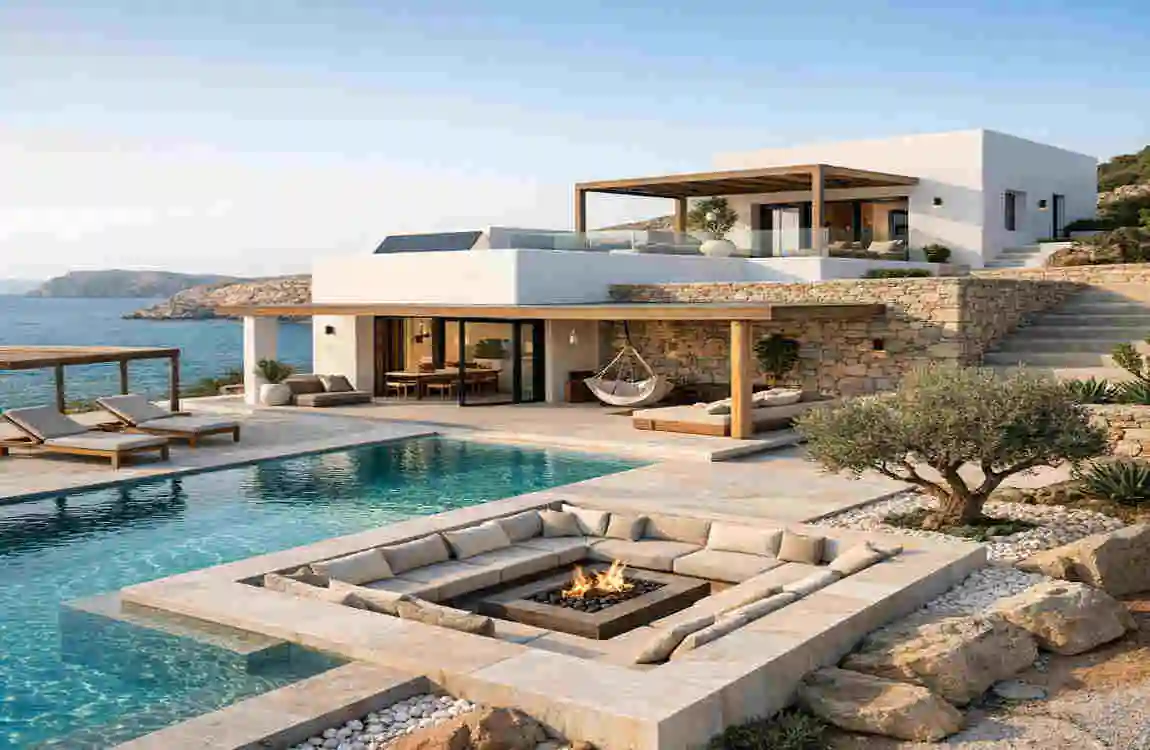
The future of modern Greek homes will likely include more smart technology. This does not need to change the style itself. Instead, it can make the home more comfortable and efficient.
Smart lighting, climate control, and security systems can all fit into the clean design without being visible or intrusive.
Sustainable Building Materials
Sustainability is becoming increasingly important in architecture, and Greek-inspired homes are a natural fit for this trend.
Expect to see more recycled materials, low-impact finishes, and local building methods that reduce waste and support energy savings.
Eco-Friendly Energy Solutions
Solar panels, passive cooling, and other energy-saving systems will likely become even more common. These features fit well with the practical roots of Greek architecture.
The style already values sunlight and climate awareness, so these technologies build on a strong foundation.
Luxury Minimalism
Another growing trend is luxury minimalism. This means using fewer objects, but choosing higher-quality materials and finishes.
In modern Greek design, this could mean a marble sink, custom wood shelving, or beautifully made furniture with simple lines. The effect is quiet luxury rather than a flashy display.
Biophilic Design Features
Biophilic design focuses on bringing nature into the home. This idea fits perfectly with modern Greek home style.
Plants, natural light, fresh air, water features, and organic materials all support this trend. It makes the home feel healthier and more connected to the world outside.
Frequently Asked Questions
What are modern Greek homes?
Modern Greek homes are contemporary residences inspired by traditional Greek architecture. They usually feature white exteriors, natural materials, minimalist interiors, and strong indoor-outdoor connections.
What colors are commonly used in modern Greek homes?
The most common colors are white, beige, cream, sand, gray, and natural stone tones.
Are modern Greek homes energy efficient?
Yes, they often are. Their design can include natural ventilation, reflective surfaces, and energy-saving architectural features that help with cooling and comfort.
What materials are used in modern Greek homes?
Common materials include stone, marble, wood, concrete, linen, and clay. These materials help create a natural and timeless look.
Can I create a modern Greek home style on a budget?
Yes. You can use a neutral palette, simple décor, natural textures, and outdoor living areas to achieve the look without major renovation.
Why are modern Greek homes so popular?
They are popular because they combine timeless beauty, functionality, sustainability, and a relaxing Mediterranean lifestyle.
| Feature | Description |
|---|---|
| Architectural Style | A blend of traditional Greek island architecture and modern minimalist design. |
| Color Palette | Predominantly white walls with accents of blue, beige, sand, and natural stone tones. |
| Exterior Materials | Stucco, limestone, marble, natural stone, and wood elements. |
| Roof Design | Flat or low-pitched roofs, often inspired by Cycladic island homes. |
| Windows & Doors | Large windows, arched doorways, and black or wooden frames for a contemporary touch. |
| Interior Design | Open-concept layouts with clean lines, simple furnishings, and uncluttered spaces. |
