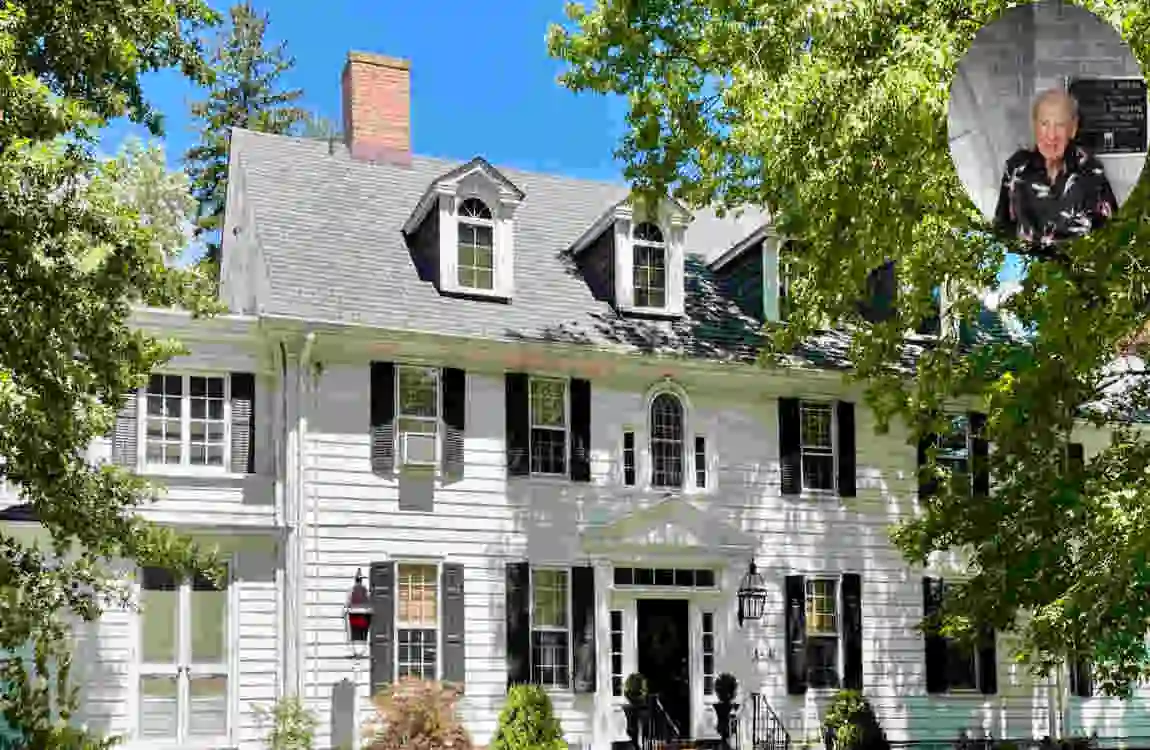

Historic homes always carry a special kind of magic. They are not just buildings made of brick, wood, or stone. They are living stories that connect us to the past. One such place that captures this feeling beautifully is the John Hetebrink House.
When people talk about classic architecture and timeless design, this house often comes up. It represents history, craftsmanship, and a sense of identity that modern homes sometimes miss. Many visitors and architecture lovers are drawn to it because of its calm beauty and old-world charm.
| Category | Details |
|---|---|
| Full Name | John Hetebrink (historical landowner/family associated name) |
| Known For | Hetebrink House / Hetebrink family ranch in California |
| Nationality | American |
| Occupation | Historical farmer / landowner (Orange County area) |
| Net Worth | Not publicly available (no verified modern financial records) |
| Famous Property | Hetebrink House (Mission Revival-style historic home built ~1914) |
| Location of Property | Near Fullerton / Orange County, California, USA |
| Current Residence | Not publicly documented (house is historic site, not personal residence) |
Overview of the John Hetebrink House
Location and Setting
The luxury house is often described as part of a quiet, historically rich neighborhood. Its surroundings typically include natural landscapes or older residential areas.
This setting adds to its charm. The peaceful environment makes the house feel like it belongs to another time.
General Architectural Identity
The house reflects a traditional architectural style. While exact classification may vary, it often includes elements of:
- Classic American residential design
- Early 20th-century structure style
- Simple yet elegant detailing
Its appearance is not overly flashy. Instead, it focuses on balance and comfort.
Historical Timeline
The timeline of the house includes:
- Early construction during a developing residential era
- Ownership changes over time
- Continued recognition as a historic structure
Even today, it is valued for its preservation and historical importance.
Architectural Charm of the John Hetebrink House
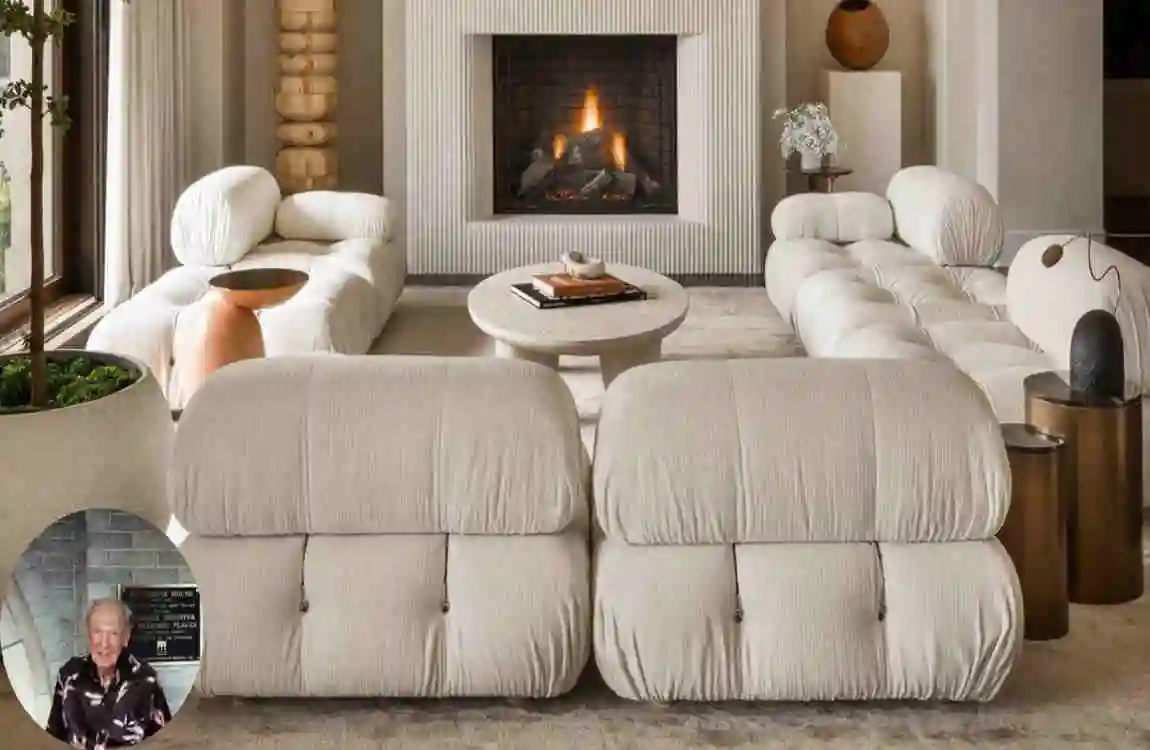
Exterior Design Features
The exterior of the house is one of its strongest attractions. It often includes:
- A sloped or traditional roof design
- Wooden or brick construction
- Symmetrical windows for balance
- A welcoming front entrance
These features create a warm and inviting appearance.
Interior Layout and Design
Inside the house, the layout reflects a practical approach to living. Rooms are usually:
- Well-structured and functional
- Connected in a simple flow
- Designed for comfort and daily life
Even with modern updates, the original design spirit is often preserved.
Unique Architectural Highlights
What makes the house special is its attention to detail. Small design touches such as window framing, woodwork, or structural symmetry give it personality.
It is not a luxury mansion—it is a home with character.
Why the John Hetebrink House Is So Special
Historical Value
The house represents a piece of local history. It stands as a reminder of earlier architectural styles and living standards.
Preserving it helps protect cultural memory.
Emotional and Cultural Appeal
People often feel a sense of nostalgia when they see historic homes like this. It reminds them of:
- Simpler times
- Traditional craftsmanship
- Family-centered living
This emotional connection is a big part of its charm.
Architectural Uniqueness
The house blends simplicity with elegance. It does not rely on modern luxury but instead focuses on timeless design principles.
That is what makes it stand out.
The Charm Factor Explained
What “Charm” Means in Historic Homes
Charm in architecture is not about size or cost. It is about feeling.
A charming home usually has:
- A warm appearance
- A sense of history
- Natural imperfections that add character
The John Hetebrink House reflects all of these qualities.
Key Elements That Create Charm
Some key features that create its charm include:
- Natural aging of materials
- Traditional craftsmanship
- Simple but meaningful design
These elements cannot be easily recreated in modern construction.
Visitor Experience
Visitors or observers often describe the house as peaceful and grounding. It feels like stepping into a quiet piece of history.
That emotional response is what makes it memorable.
Preservation and Restoration Efforts
Importance of Preservation
Historic homes like this are preserved because they represent cultural heritage. They help future generations understand how people lived in earlier times.
Restoration Work
If restoration is done, it usually focuses on:
- Repairing structural damage
- Maintaining original design elements
- Updating safety without changing appearance
The goal is to keep history alive, not replace it.
Challenges in Maintenance
Maintaining old homes comes with challenges:
- Aging materials
- High repair costs
- Balancing modern needs with historic value
Still, preservation remains important.
Cultural and Local Significance
Role in Community Identity
The house contributes to local identity. It reminds the community of its roots and architectural journey.
Tourism and Interest
Historic homes often attract:
- Architecture lovers
- Photographers
- History enthusiasts
People enjoy exploring places that feel authentic and timeless.
Influence on Local Architecture
Older homes like this often inspire newer designs. Builders may adopt:
- Traditional layouts
- Classic window designs
- Balanced structures
Modern Relevance of the John Hetebrink House
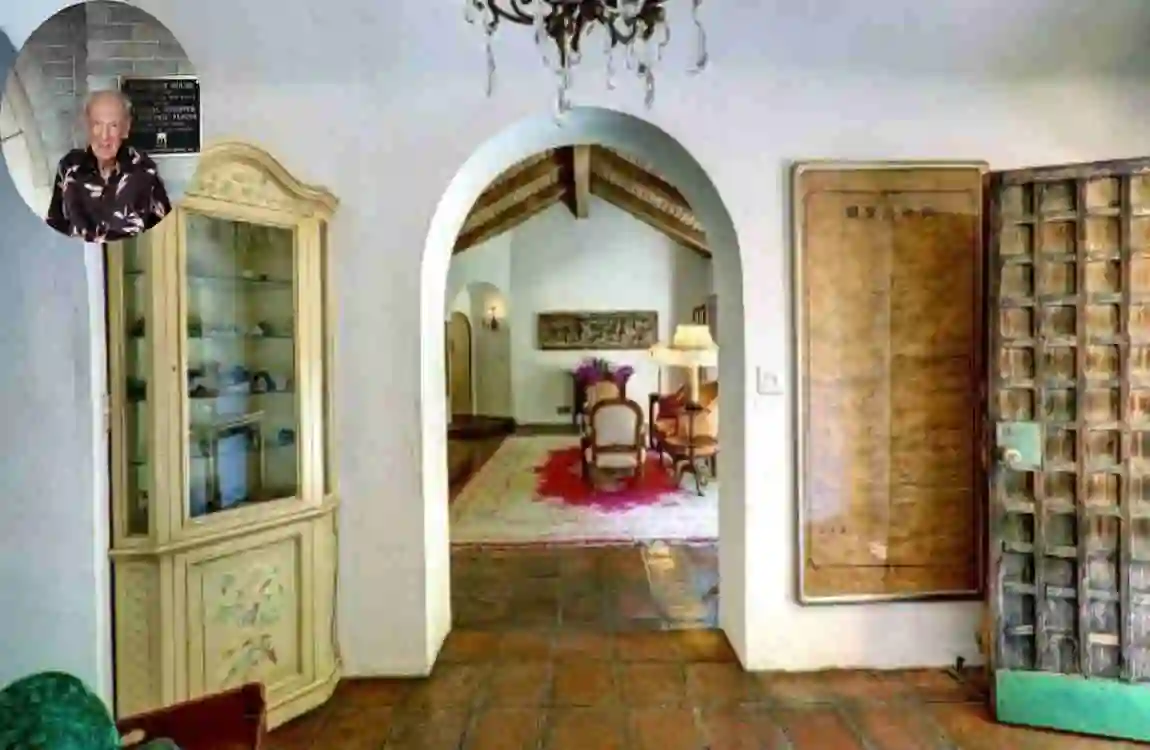
Lessons for Modern Architecture
Modern designers can learn from this house by focusing on:
- Simplicity
- Durability
- Functional beauty
Sometimes, less is more.
Blending Old and New
Many historic homes today are updated with modern features like:
- Better insulation
- Improved plumbing
- Safe electrical systems
But their original charm remains.
Common Myths and Misconceptions
Misunderstanding Historic Homes
Some people believe old homes are outdated or uncomfortable. That is not always true.
Many historic homes are well-built and thoughtfully designed.
Clarifying the Story
Limited or unclear historical data sometimes surround the John Hetebrink House. This can lead to assumptions.
It is important to rely on verified architectural and historical information when studying such homes.
Visitor Guide
How to Visit
If the house is accessible, visitors usually explore it through:
- Guided tours
- Local heritage walks
- Exterior viewing (if private property)
John Hetebrink House – FAQ
What is the John Hetebrink House?
The John Hetebrink House is a historic-style residential property known for its traditional architecture, cultural value, and old-world charm. It is often discussed in the context of early local housing history.
What architectural style does it represent?
It generally reflects a classic historic residential style, often featuring simple symmetry, traditional materials, and functional design elements.
Is the John Hetebrink House open to visitors?
In most cases, historic homes like this are either privately owned or only viewable from the outside. Access depends on location and preservation status.
Why do people search for this house?
People are curious about its history, architecture, and the story behind the name “John Hetebrink,” especially those interested in historic homes and heritage buildings.
| Category | Details |
|---|---|
| House Name | John Hetebrink House |
| Location / Address | 515 East Chapman Avenue, Fullerton, California, USA |
| Year Built | 1914 |
| Architectural Style | Mission Revival |
| Architect | Elwing & Tedford |
| Size | ~4,500 sq ft (2-story + basement) |
| Design Features | Red clay tile roof, scalloped arches, parapet walls, Egyptian-style columns, beveled glass windows, horseshoe driveway |
| Construction Material | Concrete bricks made on-site, wood interiors (oak & red gum) |
| Historical Background | Built for John Hetebrink, early Fullerton farmer known as the “Tomato King”; part of a 40-acre ranch |
| Historical Use | Private family residence; also used for community gatherings and events |
| Current Status | Vacant / not regularly inhabited since early 2000s |
| Heritage Status | Listed on U.S. National Register of Historic Places (1993) |
| Estimated Worth | Not officially appraised; considered a high-value historic landmark property |
Where Does John Hetebrink Currently Live?
There is no publicly available or verified information about where John Hetebrink currently lives.
John Hetebrink House Photos