

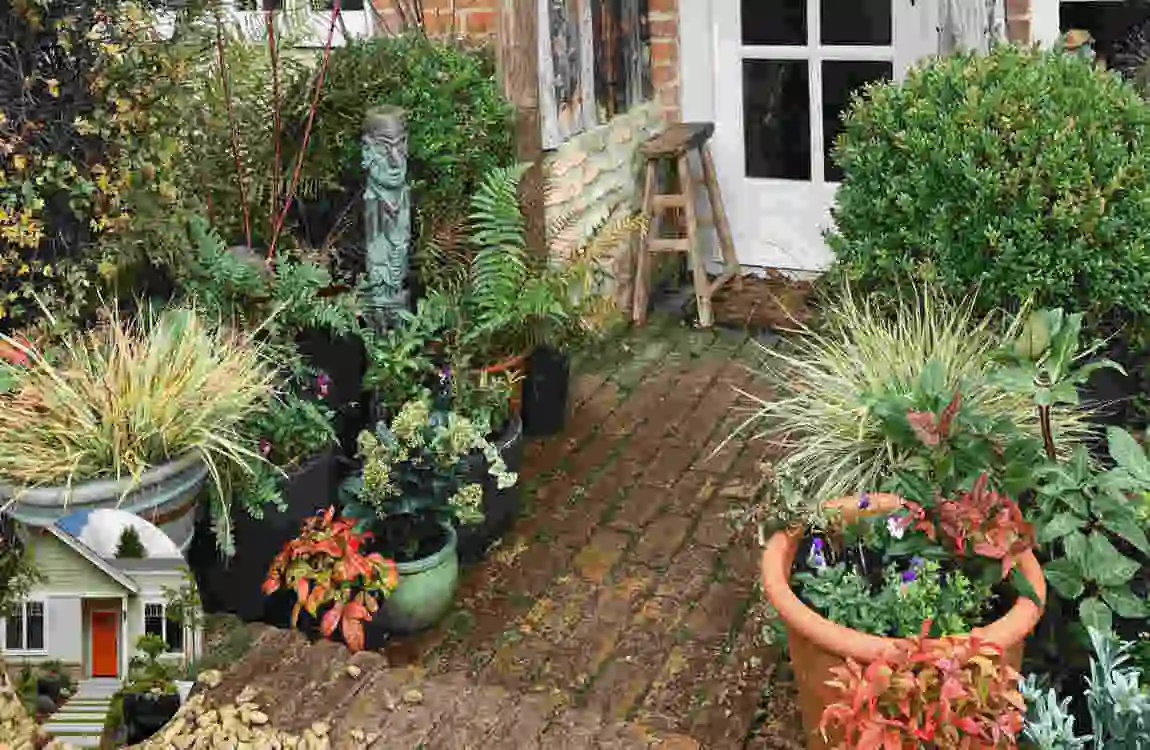
Front entrances often create the very first impression of a home. Even a simple doorway can look warm, stylish, and inviting with beautifully arranged front house planters. Whether you live in a modern home, a traditional bungalow, or a compact city house, the right planter flower arrangements can completely transform your outdoor space.
Many homeowners struggle with dull entryways, plants that quickly die in the heat, or planters that never seem balanced. In places with hot summers and changing weather, maintaining healthy flowers can feel difficult. The good news is that creating eye-catching front house planters does not have to be expensive or complicated.
Why Front House Planters Matter for Curb Appeal
Beautiful front house planters do much more than decorate an entrance. They create personality, add warmth, and make your home look cared for. Even small planters placed beside a doorway can dramatically improve a property’s overall appearance.
They Create a Strong First Impression
Guests notice the front entrance immediately. Colorful flowers and healthy greenery naturally make people feel welcomed. A plain doorway may feel empty, but vibrant planters instantly add life and charm.
Homes with attractive outdoor decorations often appear more valuable and inviting. This is why many real estate experts recommend improving curb appeal before selling a house.
They Add Color and Texture
Most homes have neutral-colored walls and stone or concrete exteriors. Flowers help soften those hard surfaces. Bright blooms create contrast while leafy plants add texture and depth.
For example:
- Red and orange flowers create energy.
- Purple and white flowers feel elegant.
- Yellow flowers make spaces cheerful.
- Green foliage creates balance.
Using a range of plant heights also makes your entrance look more professional and layered.
They Are More Affordable Than Landscaping
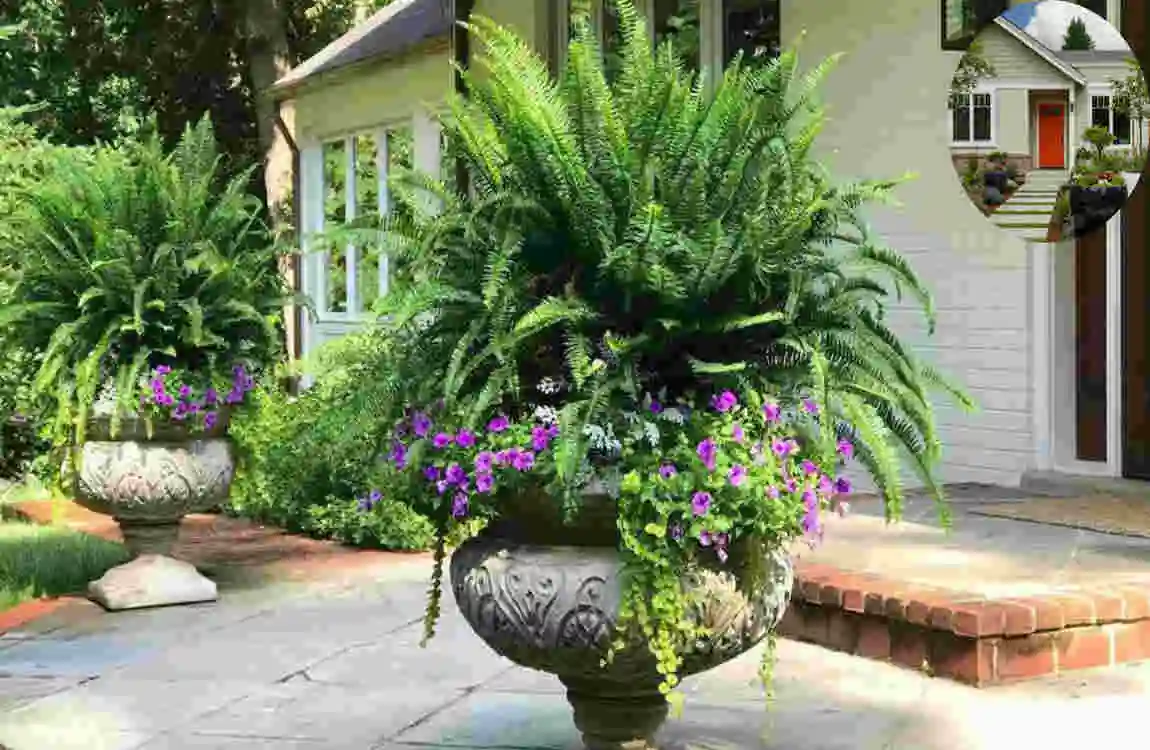
Full landscaping projects can cost a lot of money. In comparison, front house planters are budget-friendly and easy to change whenever you want a new look.
You can:
- Rearrange flowers seasonally
- Replace plants easily
- Move planters around
- Experiment with different color themes
This flexibility makes planters perfect for beginners.
They Work Well in Small Spaces
Not every home has a large front yard. Planters help homeowners decorate compact porches, stairways, balconies, and narrow entry areas.
Tall planters can create height, while compact containers fit neatly into corners or beside doors.
They Reflect Your Personal Style
Your plant choices say a lot about your home style. Modern black planters create a clean look, while rustic terracotta pots feel warm and traditional.
You can even match your flowers with:
- Exterior paint colors
- Seasonal holidays
- Outdoor furniture
- Cultural celebrations
Reasons to Prioritize Front House Planters
- Improve curb appeal instantly
- Add seasonal beauty to your home
- Create a welcoming entrance
- Increase property attractiveness
- Enjoy gardening in a manageable way
Choosing the Right Front House Planters
The planter itself is just as important as the flowers inside it. Choosing the correct size, shape, and material helps your arrangements stay healthy and visually balanced.
Terra Cotta Planters
Terra cotta is one of the most popular options for front house planters.
Benefits
- Breathable material
- Prevents overwatering
- Natural and classic appearance
Drawbacks
- Can crack in extreme weather
- Dries out quickly in summer
These are excellent for hot climates because they allow airflow around roots.
Ceramic Planters
Ceramic planters are stylish and elegant. They come in many colors and patterns that suit decorative entrances.
Benefits
- Attractive appearance
- Retains moisture well
- Great for colorful flowers
Drawbacks
- Heavy to move
- More expensive
They work especially well for formal front entrances.
Plastic and Fiberglass Planters
These are lightweight and affordable, making them ideal for beginners.
Benefits
- Easy to move
- Budget-friendly
- Weather resistant
Drawbacks
- Less breathable
- Some styles look less natural
Modern fiberglass planters can still look very sophisticated.
Choosing the Right Size
The size of your planter should match the scale of your home.
Large Homes
Use:
- Tall planters
- Wide containers
- Symmetrical arrangements
Small Homes
Choose:
- Medium containers
- Compact flower arrangements
- Simple designs
Avoid placing tiny pots beside large entrances, as they can look unbalanced.
Drainage Is Essential
Healthy flowers need proper drainage. Without drainage holes, roots may rot quickly.
Easy Drainage Tips
- Add gravel at the bottom
- Use a mesh over the holes
- Avoid water buildup
Good drainage keeps your front house planters healthy longer.
Selecting Flowers and Plants for Front House Planters
Choosing the right plants is one of the most important parts of designing attractive front house planters. Some flowers thrive in heat, while others prefer cooler conditions.
Best Flowers for Front House Planters
Petunias
Petunias are colorful and bloom for long periods. They work beautifully in hanging or overflowing arrangements.
Marigolds
Marigolds are heat-tolerant and easy to maintain. Their bright yellow and orange colors instantly brighten entrances.
Zinnias
Zinnias handle strong sunlight very well. They bloom heavily during warm months.
Pansies
Pansies are perfect for winter planters because they thrive in cooler temperatures.
Lavender
Lavender adds fragrance and elegance while needing very little water.
Salvia
Salvia provides tall flower spikes that add height and structure.
Low-Maintenance Plants for Busy Homeowners
Some homeowners want beautiful planters that require little daily care. Luckily, several plants stay attractive with minimal maintenance.
Succulents
Succulents are excellent for dry climates and modern designs.
Fountain Grass
This ornamental grass adds movement and texture to outdoor planters.
Bougainvillea
Bougainvillea thrives in sunny weather and produces vibrant blooms.
Lantana
Lantana is extremely durable and attracts butterflies.
Using Color Combinations
Color coordination helps your front house planters look polished and intentional.
Popular Color Pairings
Color Combination Style
Purple + White Elegant
Red + Yellow Bold
Pink + Green Soft
Orange + Blue Vibrant
Stick with two or three main colors for a cleaner look.
Essential Tools and Materials for Planter Arrangements
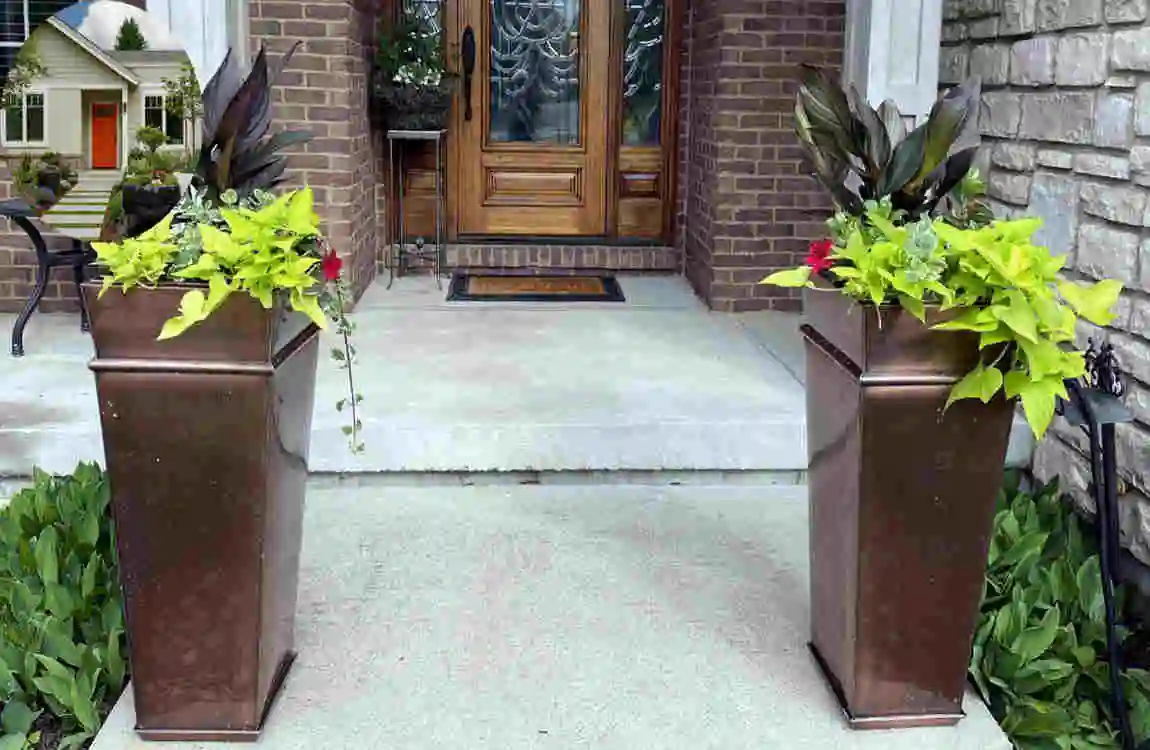
Having the right tools makes arranging front house planters easier and cleaner.
Basic Gardening Tools
You should have:
- Gardening gloves
- Small trowel
- Watering can
- Pruning scissors
- Potting soil
- Fertilizer
These basic items are enough for most planting projects.
Potting Soil Matters
Good soil helps flowers stay healthy longer. Avoid using heavy garden soil because it compacts easily.
Instead, use:
- Potting mix
- Compost
- Coconut coir
These improve drainage and moisture balance.
Fertilizer for Healthy Blooms
Flowers in containers need regular nutrients because watering washes nutrients away quickly.
Slow-release fertilizers work best because they feed plants gradually.
Decorative Materials
You can also add:
- Decorative stones
- Mulch
- Pebbles
- Wooden accents
These finishing touches make your front house planters look professionally styled.
Step-by-Step Guide: Arranging Flowers in Front of House Planters
Creating beautiful planter arrangements becomes much easier when you follow a simple process.
Prep Your Front House Planters
Start by cleaning your containers thoroughly. Remove old soil, dead roots, and debris.
Next:
- Add drainage holes if needed
- Place mesh over holes
- Add gravel at the bottom
- Fill partially with potting mix
This setup improves drainage and keeps roots healthy.
Healthy roots are the foundation of beautiful flowers.
Design Your Layout
Professional-looking arrangements often use the “thriller, filler, spiller” method.
Thriller Plants
Thrillers are tall centerpiece plants that create height.
Examples:
- Salvia
- Fountain grass
- Dracaena
Place these in the center or back of the planter.
Filler Plants
Fillers create fullness around the middle.
Examples:
- Petunias
- Marigolds
- Coleus
These make the planter look lush and balanced.
Spiller Plants
Spillers trail over the edges for a softer finish.
Examples:
- Ivy
- Sweet potato vine
- Trailing petunias
These add movement and elegance.
Soil and Planting
Fill your planter with quality potting soil mixed with compost.
Simple Soil Formula
- 50% potting soil
- 30% compost
- 20% coconut coir or sand
This mixture drains well while holding enough moisture.
Planting Tips
- Do not bury stems too deeply
- Leave space between plants
- Water immediately after planting
Crowded plants struggle to grow properly.
Add Finishing Touches
After planting, add decorative finishing elements.
Mulch Helps Greatly
Mulch:
- Reduces weeds
- Holds moisture
- Keeps roots cooler
You can use bark, pebbles, or dried leaves.
Decorative Ideas
Add:
- White stones
- Mini lanterns
- Garden ornaments
These small additions make your front house planters stand out beautifully.
Placement and Symmetry
Placement matters as much as flower selection.
Symmetrical Designs
Place matching planters on both sides of the door for a formal appearance.
Asymmetrical Designs
Use varying heights to create a more relaxed, creative style.
Placement Tips
- Avoid blocking pathways
- Keep taller planters near walls
- Use layered heights for depth
Balanced placement creates harmony and instantly improves curb appeal.
Maintenance Tips for Long-Lasting Front House Planters
Even the best arrangements need regular care to stay attractive.
Water Properly
Deep watering is more effective than shallow daily watering.
Summer Watering
- Water early morning
- Check soil moisture daily
- Avoid watering during intense afternoon heat
Winter Watering
- Water less frequently
- Prevent waterlogging
Container plants dry out faster than garden beds.
Fertilize Regularly
Use fertilizer every few weeks during growing seasons.
Healthy feeding results in:
- More blooms
- Stronger roots
- Richer foliage color
Remove Dead Flowers
Deadheading encourages continuous blooming.
Remove:
- Dead flowers
- Yellow leaves
- Damaged stems
This keeps planters tidy and healthy.
Natural Pest Control
Neem oil works very well against common pests.
It helps control:
- Aphids
- Whiteflies
- Spider mites
Natural solutions are safer for flowers and pollinators.
Seasonal Maintenance Checklist
Weekly Tasks
- Check soil moisture
- Remove dead blooms
- Inspect for pests
Monthly Tasks
- Fertilize plants
- Rotate planters
- Trim overgrown stems
Common Mistakes to Avoid in Front House Planters
Even beautiful flowers can fail if common mistakes are ignored.
Overcrowding Plants
Too many flowers compete for water and nutrients.
Always leave enough space for airflow.
Ignoring Sunlight Needs
Some plants need full sun while others prefer shade.
Check sunlight exposure before planting.
Poor Drainage
Standing water causes root rot quickly.
Always ensure proper drainage holes exist.
Using Weak Soil
Low-quality soil dries quickly and lacks nutrients.
Use nutrient-rich potting mix instead.
Forgetting Maintenance
Even low-maintenance plants need occasional care.
Consistent attention keeps planters healthy.
Choosing Random Colors
Too many colors can look messy.
Stick to coordinated color palettes.
Skipping Mulch
Without mulch:
- Soil dries faster
- Weeds grow easily
- Roots become stressed
Mulch helps maintain healthier plants.
Seasonal Ideas for Front House Planters in Pakistan
Changing your flowers seasonally keeps your entrance fresh and exciting.
Summer Planter Ideas
Summer heat requires durable flowers.
Best choices include:
- Hibiscus
- Zinnias
- Marigolds
- Bougainvillea
Bright colors work beautifully in strong sunlight.
Monsoon Season Ideas
Rainy weather requires water-tolerant plants.
Good monsoon choices:
- Ferns
- Coleus
- Caladiums
Ensure excellent drainage during heavy rains.
Winter Planter Ideas
Cool-weather flowers add color during colder months.
Popular winter flowers:
- Pansies
- Cyclamen
- Petunias
Winter blooms create warmth during dull seasons.
Eid and Special Occasion Arrangements
You can also decorate front house planters for celebrations.
Eid Ideas
- White and green flowers
- Decorative lanterns
- Gold accents
Wedding or Event Themes
- Soft pastel flowers
- Elegant ceramic pots
- Symmetrical layouts
Seasonal decorating keeps your entrance visually exciting year-round.
FAQs
What size front house planters work best for small porches?
Medium-sized planters usually work best because they provide enough space for healthy roots without overcrowding the entrance.
Which flowers survive best in hot weather?
Marigolds, zinnias, lantana, and bougainvillea perform very well in hot climates.
How often should I water front house planters?
Most planters need watering several times a week during summer, especially in strong heat.
Can I grow vegetables in front of house planters?
Yes, many homeowners grow herbs, peppers, lettuce, and decorative vegetables in outdoor planters.
What is the easiest planter arrangement style for beginners?
The thriller, filler, spiller method is simple and creates balanced arrangements quickly.
How do I stop the planter soil from drying too fast?
Use mulch, quality potting soil, and deep watering to help retain moisture.
| Step | Action | Tips for Front House Planters |
|---|---|---|
| Prep | Clean planter, add drainage (gravel + mesh) | Ensures no root rot in Lahore heat; use 2-3 cm layer. |
| Design | Thriller (tall center), filler (bushy middle), spiller (trailing edges) | E.g., lavender (thriller), petunias (filler), ivy (spiller) for curb appeal. |
| Soil & Plant | Fill with potting mix + compost; plant deepest first | Space 5-10 cm apart; water deeply after. |
| Finish | Mulch top, add accents (stones) | Retains moisture; PKR 200-500 budget. |
| 5 Maintain | Water weekly, prune monthly, fertilize seasonally | Neem for pests; swap for monsoons. |
