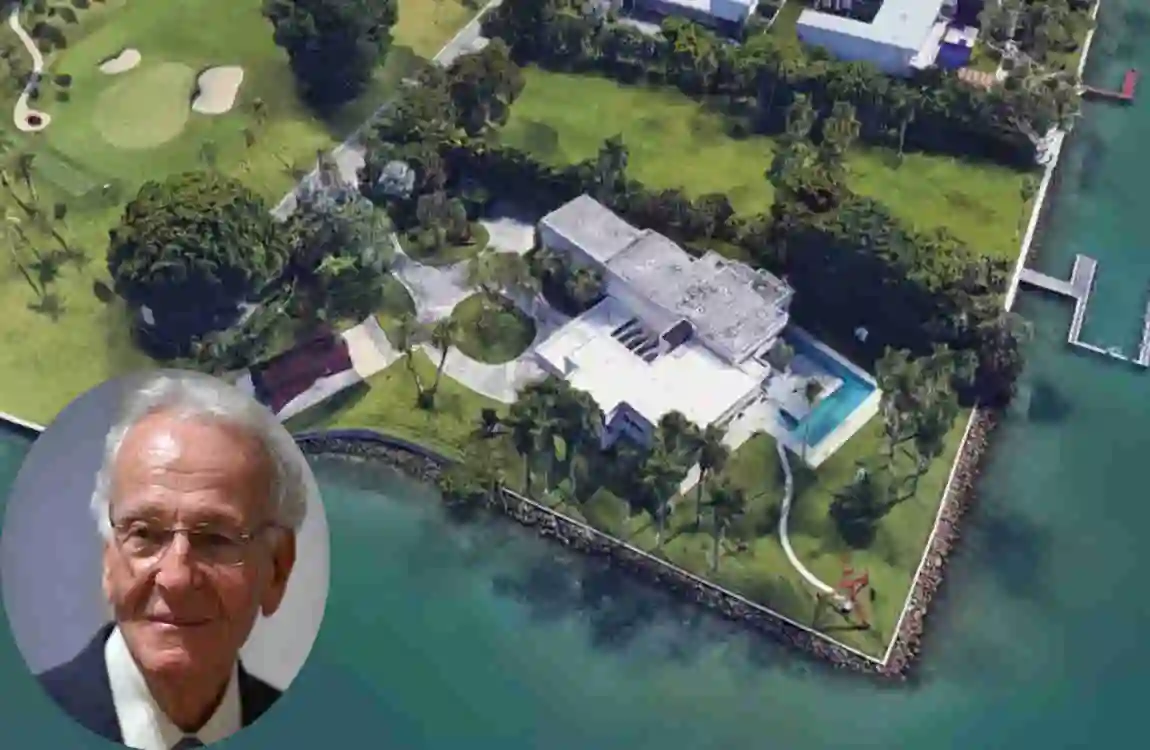

Imagine arriving at a secluded island estate where the shimmering waters of Biscayne Bay greet you with a dazzling sparkle. As you step closer, monumental sculptures rise like sentinels, blending art and nature in perfect harmony. This is the Norman Braman House, a private sanctuary on Indian Creek Island that marries mid-century architectural elegance with a world-class art collection.
Norman Braman, a billionaire auto magnate and former owner of the Philadelphia Eagles, has crafted more than just a home here. His Indian Creek mansion is a minimalist masterpiece that doubles as a living gallery, showcasing some of the world’s most significant contemporary artworks. This residence is not just a house; it’s a statement of refined taste, privacy, and cultural passion.
Exterior and Grounds Tour
A Facade of Simplicity and Elegance
The Norman Braman House presents itself as a low-slung, mid-century modern structure that emphasizes simplicity and functionality. Unlike the flashy mansions often seen in Miami, this home embraces clean lines and a seamless flow between indoor and outdoor spaces. The flat roof and expansive glass walls invite natural light and breathtaking views of Biscayne Bay, creating a tranquil atmosphere that feels both open and intimate.
The Outdoor Art Gallery
Step outside, and you enter a sprawling lawn that doubles as an outdoor sculpture garden. This is no ordinary yard—it’s a curated exhibition featuring oversized works by some of the 20th century’s most celebrated artists. Here are some highlights:
- Richard Serra’s “Blade Runner” slabs: Massive 75-ton steel pieces that dominate the landscape with their imposing presence.
- Alexander Calder’s “Critters”: Playful stabiles that guard the entrance with whimsical charm.
- Joan Miró’s “Woman”: A vibrant sculpture adding a splash of color and life.
- David Smith’s abstract forms: Sculptures that blend industrial strength with artistic grace.
- Mark di Suvero and Ellsworth Kelly: Pieces that bring dynamic shapes and bold colors to the garden.
This outdoor gallery is a perfect example of how the Indian Creek mansion gardens integrate art without overwhelming the minimalist architecture. The landscaping is carefully designed to complement the sculptures, creating a harmonious balance between nature and creativity.
Privacy and Location
Nestled on the exclusive Indian Creek Island—often dubbed Billionaire Row—the property enjoys unparalleled privacy. Gated and guarded, the estate offers sweeping views of Biscayne Bay while maintaining a discreet presence. The lush greenery and strategic placement of sculptures ensure that the art enhances the home’s character without compromising its serene ambiance.
Interior Layout and Design
Spacious Yet Minimalist
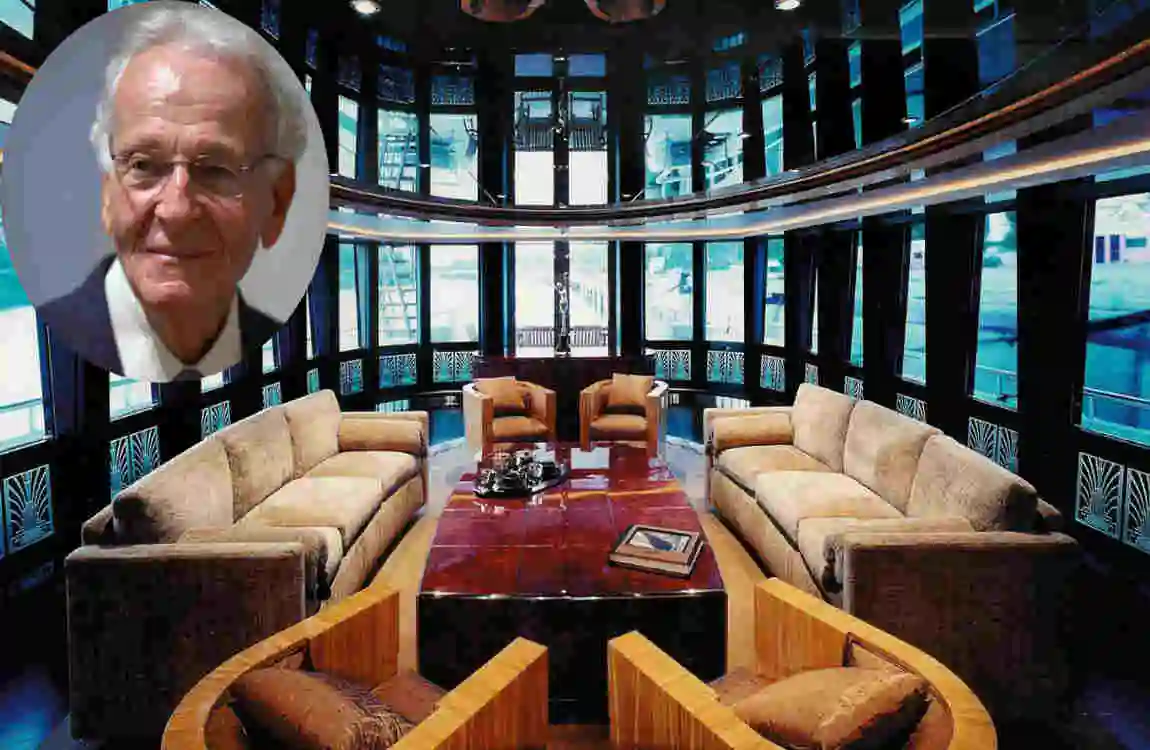
Spanning 18,838 square feet, the Norman Braman House features 7 bedrooms and 7 bathrooms, designed with an emphasis on open flow rather than ostentatious luxury. The interior spaces are thoughtfully arranged to showcase the art collection while maintaining a comfortable, livable environment.
Room-by-Room Tour
Entry and Drawing Room
As you enter, you’re greeted by seven of Calder’s “Critters,” their playful forms suspended in the air. Overhead, a massive mobile sways gently, creating a dynamic centerpiece. The room’s minimalist lines provide a perfect backdrop, allowing the bold artworks to take center stage without distraction.
The Den
The den is the grandest room in the house, a true sanctuary for art lovers. Here, masterpieces by Peter Blake, Joan Miró, Jean Arp, Claes Oldenburg’s famous “Typewriter Eraser,” and Jasper Johns’ “Diver” (acquired for $4.18 million) adorn the walls and spaces. This room blends high-end finishes with a gallery-like atmosphere, inviting visitors to linger and appreciate each piece.
The Kitchen
Even the kitchen is a work of art. It features Liza Lou’s beaded sculpture of a falling man, adding a whimsical touch to the chef’s workspace. The design balances utility with creativity, making it both functional and inspiring.
Upstairs Gallery
The upper floor houses a dedicated gallery space, home to 16 Calder mobiles, including some dating back to 1935. Walls are adorned with works by Jasper Johns, Roy Lichtenstein, and Andy Warhol, creating a vibrant and diverse collection that reflects decades of art history.
Architectural Ethos
The house’s design philosophy is rooted in the mid-century modern movement of the 1960s, inspired by the Fondation Maeght in Vence, France—a place the Bramans visited and admired. The home was expanded over time to accommodate the growing art collection, but no major structural overhauls were made to preserve the original flow and spirit.
RoomKey FeaturesArt Standouts
Drawing Room , Huge Calder mobile, open flow Calder “Critters” (1974)
Den Grand scale, high-end finishes , Jasper Johns “Diver” (1962)
Upstairs Gallery Dedicated art space, expanded collection 16 Calder mobiles
Architecture Deep Dive
Mid-Century Modern Minimalism
At its core, the Norman Braman House is a celebration of mid-century modern architecture. Flat roofs, clean geometric lines, and an emphasis on functionality characterize this style. The house prioritizes bay views and natural light over flashy ornamentation, creating a timeless and elegant aesthetic.
Evolution Over Time
Built in the 1960s, the home has seen thoughtful expansions, particularly the addition of the upstairs gallery to house the growing art collection. However, the Bramans have resisted major renovations that would disrupt the original design, preserving the home’s minimalist ethos.
Comparison to Other Miami Mansions
Unlike many Miami mansions that scream for attention with grandiose facades and extravagant details, the Norman Braman House opts for subtlety. It feels more like a stately home or private gallery tucked away in a gated enclave, offering privacy and understated luxury.
Artistic Influences
The Bramans’ home in Vence, France, near the Fondation Maeght, deeply influenced the design and concept of their Indian Creek residence. This connection explains the seamless fusion of art and architecture, where the home itself becomes a canvas for masterpieces.
Pros and Cons
- Pros:
- Timeless simplicity that never goes out of style.
- Perfect integration of art and living space.
- Exceptional privacy in a prestigious location.
- Cons:
- The low-profile design may underwhelm those seeking flashy displays.
- Strict neighborhood rules limit public access and tours.
Historical Timeline
Year/EventMilestone
1960s Original construction on Indian Creek
1970s Bramans inspired by Fondation Maeght; begin collecting art
1985-1994 Ownership of Philadelphia Eagles ($65M buy, $185M sell)
1988 Acquisition of Jasper Johns’ “Diver” for $4.18M
2004 Profiled as the top private Calder collection
Present (2026) Norman Braman in the early 80s, legacy ongoing
Norman Braman’s journey began in Philadelphia, where he built a successful auto dealership empire, ranking among the top 20 in the U.S. His passion for art grew alongside his business ventures, culminating in the creation of this unique Miami estate that reflects both his personal and professional achievements.
The Braman Legacy
Norman Braman: The Man Behind the Mansion
Norman Braman is not just a billionaire; he’s a philanthropist and art patron whose influence extends beyond business. Alongside his wife, he has shaped one of the world’s most impressive private art collections, particularly known for its Calder sculptures.
Impact on Miami’s Cultural Scene
Though the Braman art collection remains private, its presence has quietly influenced Miami’s cultural landscape. The home serves as a beacon for art lovers and collectors, inspiring a deeper appreciation for contemporary art in the region.
Business and Real Estate Influence
The Norman Braman House exemplifies how luxury real estate can be more than just a status symbol—it can be a living gallery and cultural statement. This approach resonates with high-end clients who seek homes that reflect their passions and values.
The Bramans’ Ethos
Their guiding principle is simple yet profound: “Surround our house with art.” This philosophy has shaped every aspect of the home, from its architecture to its landscaping.
Looking Ahead
While the house is not open to the public, the Braman legacy continues through private viewings and family stewardship, ensuring that this unique blend of art and architecture endures for generations.
Why Visit Virtually
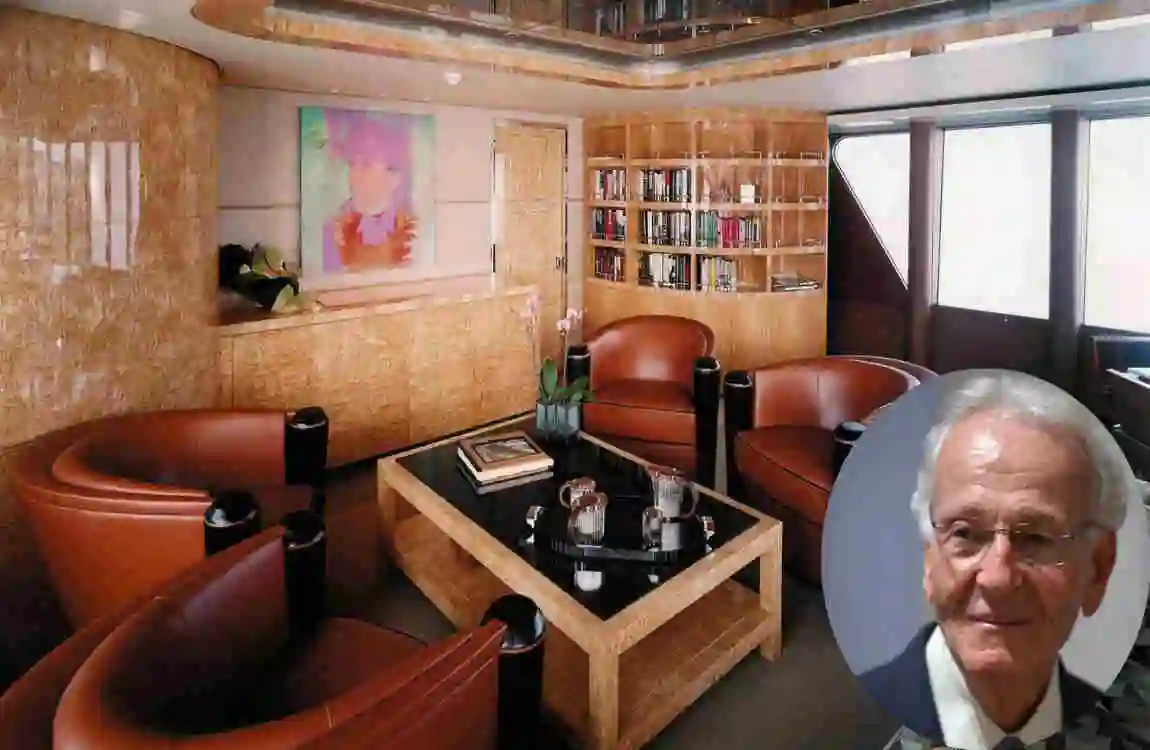
For those who appreciate architecture, art, and luxury living, the Norman Braman House offers a rare glimpse into a world where these elements coexist beautifully. Unlike the ostentatious estates of some billionaires, this home’s understated elegance and curated art collection make it a standout.
Compared to properties owned by figures like Jeff Bezos, the Braman House feels more intimate and personal—a true reflection of its owners’ tastes.
If you dream of owning an art-filled estate or want to explore Miami’s elite homes, this virtual tour is your perfect starting point. Ready to dive deeper? Contact us for personalized luxury real estate consultations in Miami.
FAQs
What is the Norman Braman House address?
Located at the northern tip of Indian Creek Island, Miami, the house is private with no public access.
Who owns the Norman Braman House today?
The property remains in the Norman Braman family, led by the billionaire auto dealer himself.
Can you tour the Norman Braman House?
Tours are virtual only due to the gated community’s strict privacy rules.
What art is in the Norman Braman House?
The collection includes works by Calder, Johns, Serra, Miró, and other contemporary masters.
What is the estimated value of the Norman Braman House?
While there are no public sales, the value is ultra-high, reflecting its location and priceless art collection.
Where Does Norman Braman Currently Live?
Norman Braman currently resides in his iconic house on Indian Creek Island in Miami Beach, Florida.
Norman Braman house photo