

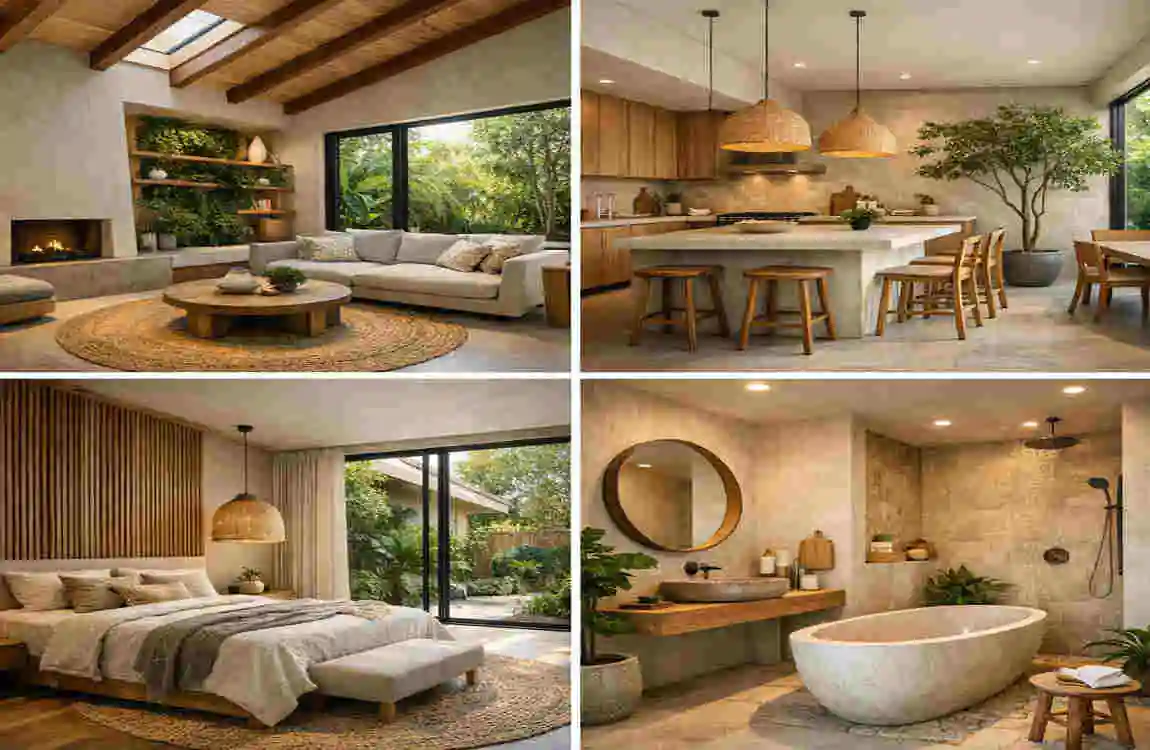
Moving into a brand-new house is one of the most exciting milestones in life. It is a blank canvas, a fresh start, and a chance to build a sanctuary that reflects exactly who you are. But let’s be honest—standing in the middle of an empty, echoing living room can also feel a bit overwhelming. You might be asking yourself, how to design a new house interior that doesn’t just look like a showroom, but actually feels like home?
The world of interior design has changed rapidly as we move into 2026. We are no longer just looking for “pretty” things. Today, the focus has shifted toward sustainability, wellness, and smart technology. With rising energy costs and a global push for eco-friendly living, your design choices now carry more weight than ever before.
Why Focus on Stylish, Sustainable Interiors
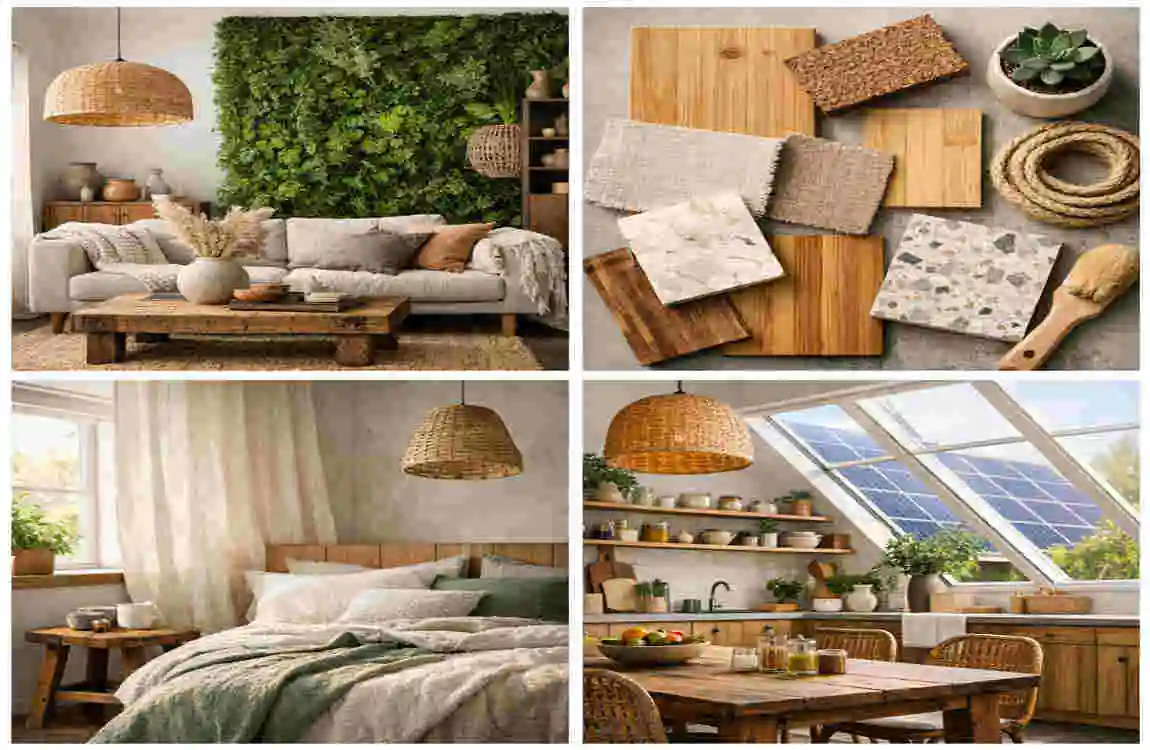
You might wonder why everyone is suddenly talking about “sustainable luxury.” In years past, eco-friendly design often meant sacrificing style for function. That is no longer the case. In 2026, sustainability is the ultimate status symbol.
Recent data shows that over 70% of homebuyers now prioritize green features when looking for a home. People want houses that breathe, use less power, and use materials that don’t off-gas harmful chemicals. When learning how to design a new house interior, you have to realize that sustainability isn’t just an “add-on”—it is the foundation of modern living.
The Shift to Lived-In Luxury
We are moving away from the cold, clinical minimalism of the early 2020s. The new trend is “lived-in luxury.” This style focuses on high-quality, sustainable materials like reclaimed wood, natural stone, and organic linens. It’s about creating a space that feels expensive but is also comfortable enough to actually live in.
The Financial Benefits
Designing with sustainability in mind isn’t just good for the earth; it’s great for your bank account. Sustainable homes often have a higher resale value, sometimes fetching 5-10% more than traditional homes. Plus, using energy-efficient lighting and smart climate control reduces your monthly overhead significantly.
Assess Your Space and Needs
Before you buy a single throw pillow, you need a plan. Designing a new house interior starts with a deep dive into how you actually use your space.
Measure and Map Your Domain
Don’t guess the size of your walls. Use digital tools or a simple tape measure to get the exact dimensions of every room. Knowing your square footage helps you avoid the common mistake of buying furniture that is too big or too small. There are plenty of free apps available today that allow you to create a 3D floor plan just by scanning your room with your phone camera.
Conduct a Lifestyle Audit
Ask yourself some hard questions. Do you work from home? If so, you need a dedicated office zone with great lighting. Do you have pets or young children? Then you’ll want durable, stain-resistant fabrics. A lifestyle audit ensures that your home works for you, rather than you working to maintain the home.
Breaking Down the Budget
Budgeting is where most people get stressed, but it doesn’t have to be hard. A good rule of thumb for a new interior is:
- 40% for hard finishes (floors, wall treatments).
- 30% for major furniture pieces (sofas, beds, dining tables).
- 20% for lighting and tech.
- 10% for decor and “the little things.”
Embrace 2026’s Top Interior Trends
Trends come and go, but the movements we are seeing in 2026 are built to last. These trends focus on making your home a healthier, more flexible place to live.
Biophilic Design for Wellness
Biophilic design is a fancy way of saying “bringing the outdoors in.” It is one of the most important concepts in how to design a new house interior today. This involves using living walls (vertical gardens), maximizing natural sunlight, and using organic shapes rather than harsh, straight lines. Research shows that being surrounded by nature-inspired elements can lower your heart rate and boost productivity.
Modular and Multifunctional Furniture
As homes become more versatile, our furniture needs to keep up. Modular sofas that can be rearranged for movie nights or guest hosting are becoming the standard. Look for pieces that serve two purposes—like a coffee table with hidden storage or a desk that folds into the wall. This is especially helpful if you are working with a smaller footprint.
Earthy, Muted Palettes with Bold Accents
In 2026, we are seeing a move toward “earth tones.” Think terracotta, sage green, and warm ochre. These colors feel grounding and peaceful. To keep things from looking too flat, designers are adding “bold pops” of color through textured cushions, art, or even a single accent wall in a deep navy or burgundy.
Smart Tech Integration
Technology is no longer an eyesore; it’s invisible. AI-driven lighting systems now adjust their color temperature based on the time of day to help your sleep cycle. Smart glass that tints itself to block out heat during the day is also becoming a popular choice for those looking to maximize energy efficiency.
Choose Sustainable Materials and Finishes
This is the “meat and potatoes” of how to design a new house interior sustainably. The materials you choose will determine the air quality and the “feel” of your home for decades.
Flooring Choices
Hardwood is beautiful, but it takes a long time for trees to grow back. Instead, consider bamboo or cork. Bamboo grows incredibly fast and is actually harder than many types of oak. Cork is harvested from the bark of the tree without killing it, making it one of the most eco-friendly options on the planet.
Walls and Paints
When you paint your house, you might notice a “new paint smell.” Those are actually VOCs (Volatile Organic Compounds), which can be harmful to breathe. Always opt for Low-VOC or Zero-VOC paints. For a more textured look, reclaimed wood panels or clay-based plasters are fantastic sustainable alternatives.
Fabrics and Upholstery
Look for the GOTS (Global Organic Textile Standard) certification when buying curtains, rugs, or sofa covers. Organic cotton, hemp, and recycled polyester are the gold standards for 2026. They are durable, easy to clean, and don’t involve the heavy pesticide use of traditional cotton.
Material Sustainability Comparison Table
MaterialSustainability ScoreEstimated CostLifespan
Bamboo Flooring 9/10 Moderate 25+ Years
Reclaimed Wood 10/10 High 50+ Years
Cork Flooring 9/10 Moderate 20+ Years
Low-VOC Paint 8/10 Low 10 Years
Recycled Glass Tiles 9/10 Moderate Lifetime
Master Color Schemes and Lighting
Color and light are the “mood makers” of your home. You can have the most expensiveho home furniture in the world, but if the lighting is harsh and the colors clash, it won’t feel right.
The 60-30-10 Rule
This is a classic designer secret for designing a new house interior.
- 60% of the room should be a dominant, neutral color (usually the walls).
- 30% should be a secondary color (furniture, rugs).
- 10% should be your “pop” or accent color (pillows, art, vases). This balance ensures the room feels cohesive without being boring.
Sustainable Lighting Solutions
Stop using old-fashioned incandescent bulbs. LED lighting is the only way to go in 2026. LEDs use a fraction of the energy and can last for over a decade. To take it a step further, install dimmer switches. Not only do they save energy, but they also allow you to change the vibe of a room from “bright and productive” to “cozy and relaxed” in seconds.
Layering Your Light
Don’t rely on a single overhead light. You need layers:
- Ambient Lighting: The main light source.
- Task Lighting: Bright lights for reading or cooking.
- Accent Lighting: Soft lights to highlight art or architectural features.
Furniture and Layout Optimization
How you arrange your furniture dictates the “flow” of your home. You want a layout that feels open and inviting, not like an obstacle course.
Scale and Proportion
A common mistake when designing a new house interior is buying a sofa that is too big for the room. Before you buy, use painter’s tape to “draw” the outline of the furniture on your floor. Walk around it. Does it feel cramped? If so, look for a more “leggy” piece of furniture that shows the floor underneath, which makes the room feel larger.
Creating Zones
In modern open-plan homes, you need to create “zones” so the space doesn’t feel like one giant hall. Use area rugs to define the living room area. Position the back of a sofa to create a “wall” between the lounge and the dining area. This creates a sense of order and coziness.
Ergonomics and Hybrid Living
Since many of us now work from home at least part-time, ergonomics is vital. Look for height-adjustable desks that look like high-end furniture. Your “office” doesn’t have to look like a cubicle. Choose a chair that supports your back but is upholstered in a beautiful, sustainable fabric that matches your decor.
Add Personal Touches and Decor
This is the part where you get to have the most fun! Decor is what breathes life into the structure.
Curating Art and Textiles
Instead of buying mass-produced art from a big-box store, look for local artisans. Not only does this support your local economy, but it also ensures your home has a unique story. Hand-woven wall hangings or locally fired ceramics add a “human touch” that machines just can’t replicate.
The Power of Greenery
Plants are the ultimate decor hack. They are affordable, they clean the air, and they make any room look instantly better. If you don’t have a green thumb, start with “unkillable” plants like the Snake Plant or ZZ Plant. They thrive on neglect and look stunning in a minimalist pot.
The Capsule Decor Philosophy
In 2026, less is more. Instead of filling every shelf with “knick-knacks,” choose a few high-quality pieces that you truly love. This is known as the capsule decor philosophy. It reduces clutter, makes cleaning easier, and allows your favorite pieces to really shine.
Incorporate Energy-Efficient Tech
To truly master how to design a new house interior in the modern age, you have to think about what’s happening behind the walls.
Smart HVAC and Thermostats
Installing a smart thermostat like the latest Nest or Ecobee models can save you a fortune. These devices “learn” your schedule and adjust the temperature when you aren’t home. In 2026, many of these systems integrate directly with your phone to give you real-time reports on your energy usage.
High-Efficiency Appliances
When picking out your fridge, dishwasher, and laundry machines, always look for the Energy Star rating. Modern appliances use significantly less water and electricity than models from even five years ago. This is a crucial step in creating a truly sustainable home.
Common Mistakes to Avoid When Designing a New House Interior
Even the pros make mistakes sometimes. Here are the most common pitfalls to watch out for:
- Ignoring Natural Light: Never block your windows with heavy, dark curtains. Light is your best friend.
- Over-Trending: Don’t pick a style just because it’s “in” on social media right now. If you don’t love it, you’ll be tired of it in six months.
- Skimping on Quality: It is better to have one high-quality, sustainable chair than four cheap ones that will break in a year.
- Forgetting the Entryway: Your foyer is the first thing people see. Don’t let it become a dumping ground for shoes and mail.
Budgeting and Timeline for Your Project
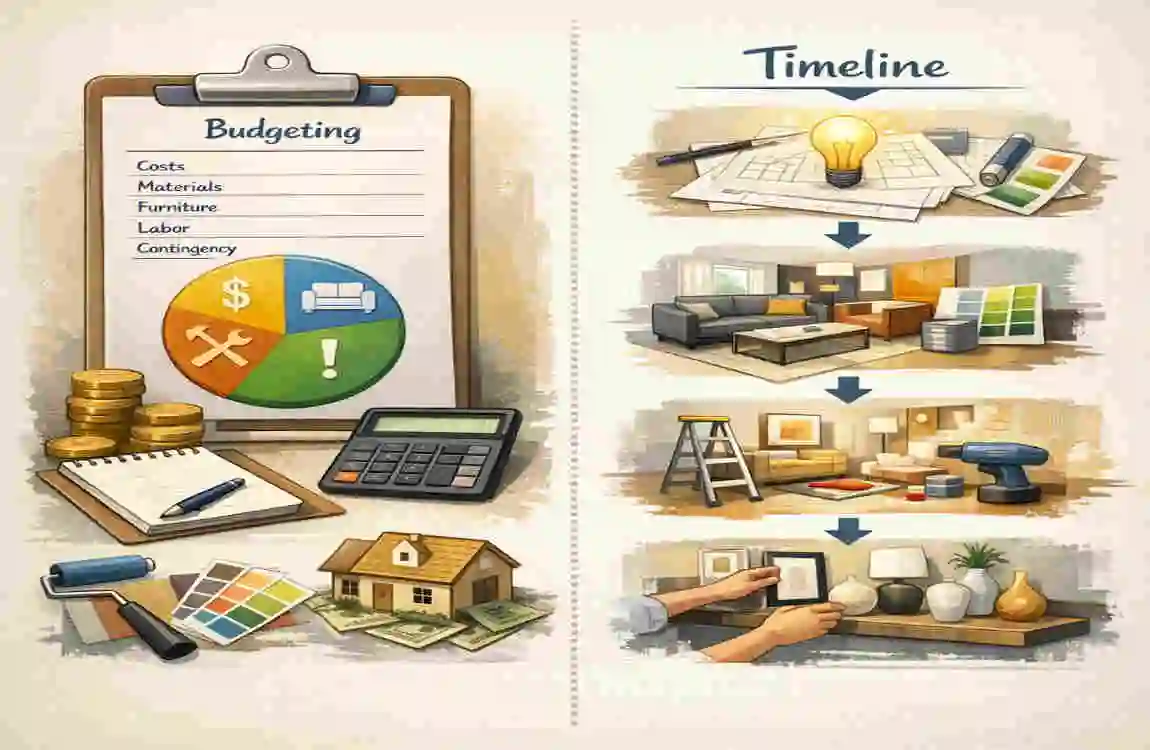
Designing a whole house takes time. Don’t feel like you have to finish everything in the first week.
- Phase 1 (Month 1): Focus on the “bones.” Flooring, paint, and essential lighting.
- Phase 2 (Month 2): Major furniture. Your bed, your sofa, and your dining table.
- Phase 3 (Month 3+): Decor, art, and smart tech upgrades.
A typical budget for a 2000 sq. ft. home might look like $30,000 to $60,000, depending on your choice of materials. Remember, spending a bit more now on sustainable materials will save you money on replacements and energy bills in the future.
Frequently Asked Questions (FAQs)
How much does it cost to design a new house interior?
The cost varies wildly, but on average, homeowners spend between $10 and $50 per square foot for a full interior design, including furniture and finishes.
What is the most sustainable flooring for a new home?
Cork and Bamboo are the top choices because they are rapidly renewable. Reclaimed wood is also excellent as it gives a second life to existing timber.
How can I make my home look “expensive” on a budget?
Focus on lighting and “scale.” Large-scale art and well-placed lamps can make a room look much more high-end than expensive furniture can.
Is smart home technology actually sustainable?
Yes! While the devices require energy to build, the amount of energy they save through automated heating, cooling, and lighting far outweighs their initial footprint.
Can I design my house myself, or do I need a pro?
You can absolutely do it yourself! With the digital tools available today, anyone can learn how to design a new house interior. However, for complex electrical or structural changes, always consult a professional.
