

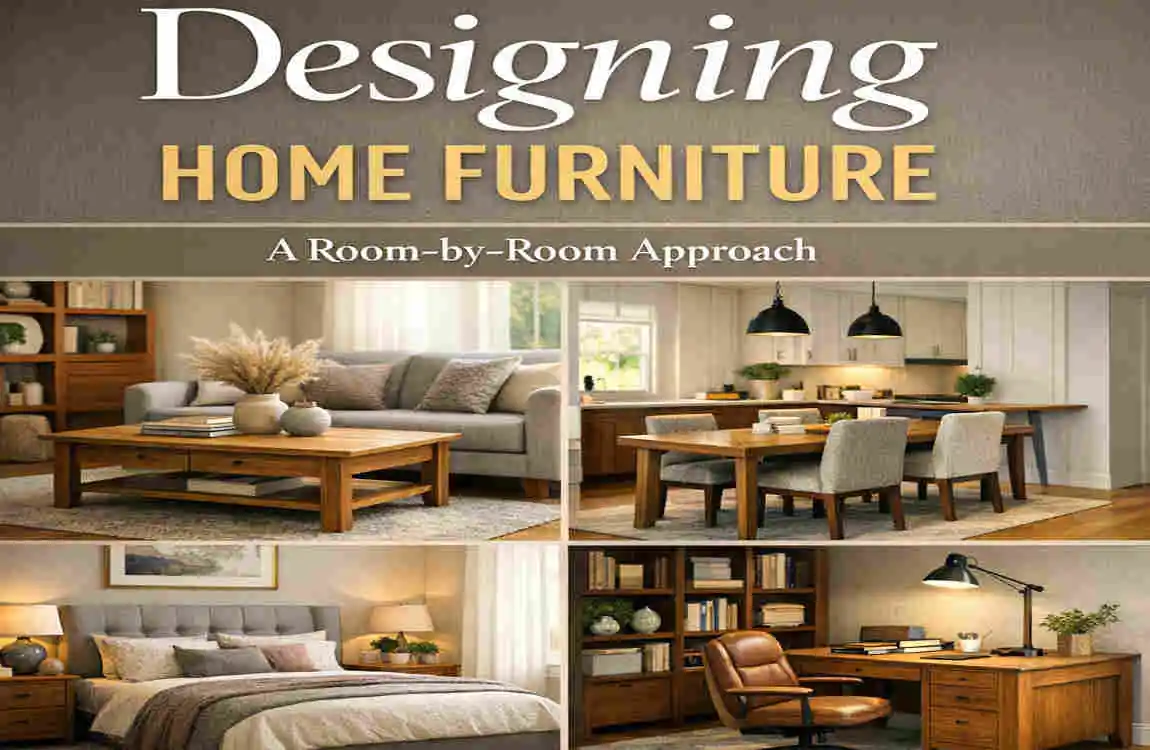
Tired of mismatched furniture making your home feel chaotic? It’s a common issue that many homeowners face. A room-by-room house furniture design strategy can help transform your living space into a cohesive, functional, and aesthetically pleasing haven.
When designing furniture for your home, it’s not just about picking random pieces that look good. Instead, focusing on room-specific furniture design ensures every room serves its purpose while maintaining a harmonious flow throughout the house. From boosting property value to creating spaces that reflect your personality, this approach offers many benefits.
Why Adopt a Room-by-Room House Furniture Design Strategy?
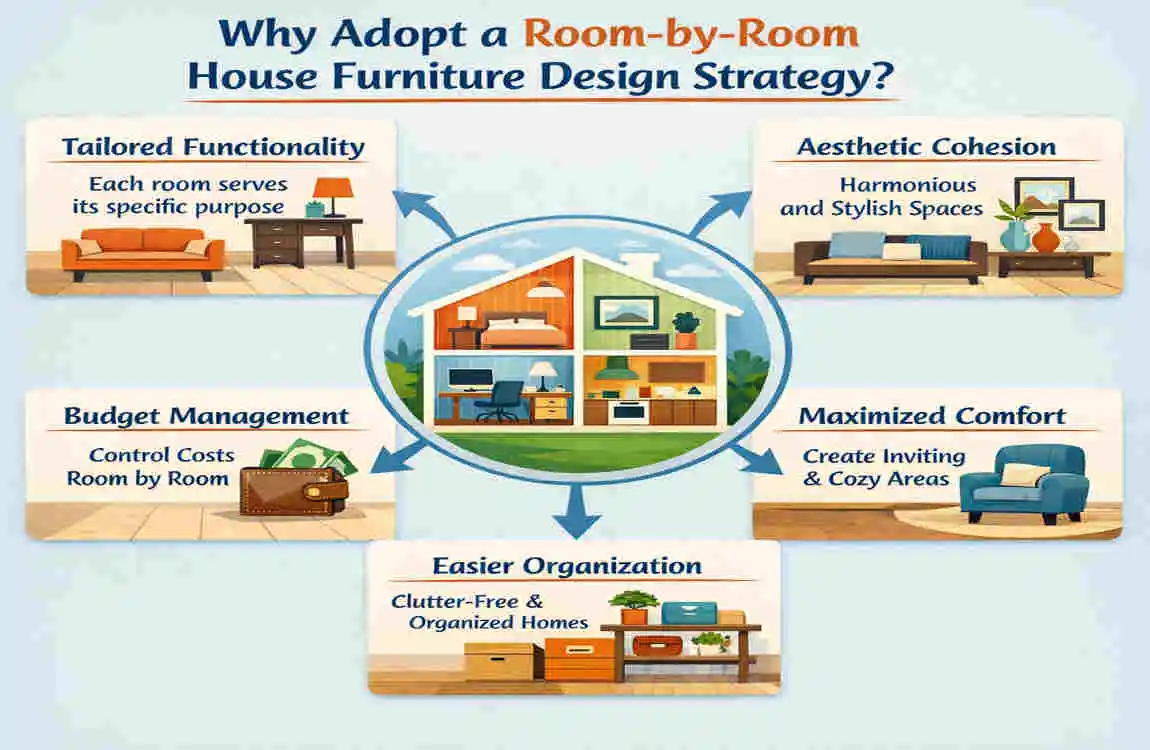
Benefits of a Room-Specific Approach
Designing furniture on a room-by-room basis ensures that every space is utilized efficiently. This strategy boosts property value—according to Zillow’s 2025 data, homes with custom furniture can sell 10-15% faster than those without. Additionally, it promotes sustainability by focusing on functional, durable materials tailored to each room’s specific needs.
Common Pitfalls to Avoid
Many people fall into the trap of buying generic, mismatched furniture. This often leads to cluttered spaces, poor ergonomics, and a lack of cohesive style. A thoughtful design strategy avoids these pitfalls by focusing on scale, proportion, and material matching for each room.
Key Principles of Room-Specific Furniture Design
- Scale and Proportion: Ensure furniture fits the room’s dimensions and layout.
- Multifunctionality: Opt for pieces that serve multiple purposes, like storage ottomans or foldable tables.
- Material Matching: Choose materials that suit the room’s usage. For instance, durable fabrics are great for high-traffic areas, while waterproof finishes are ideal for bathrooms.
2026 Furniture Design Trends
Here’s a quick look at some trends that align perfectly with a room-by-room approach:
Trend Description: Why It Works
Modular Sofas Reconfigurable seating options Adapts to different living room layouts
Eco-Woods: reclaimed oak, bamboo. Fits kitchen durability and aesthetics
Smart Storage Built-in tech and hidden compartments. Ideal for home offices and small spaces
Now that we understand the benefits, let’s apply these principles to individual rooms, starting with the living room.
Living Room: Creating a Welcoming Focal Point
The living room is often the heart of the home, a space for relaxation and socializing. Carefully designing this room ensures comfort and functionality.
Essential Furniture Pieces
Every living room needs a few key pieces to function effectively. These include:
- Sofa or Sectional: Choose a size that fits your room. For instance, a 7-9 ft sofa works well in a 12×15 ft space.
- Coffee Table & Side Tables: Opt for sturdy yet stylish designs.
- Media Console: Ensure it’s proportional to your TV and has adequate storage.
Layout Tips for Optimal Flow
The rule of thirds is a great guideline for arranging furniture. Position the TV, coffee table, and seating to balance the room. For smaller spaces, consider multifunctional ottomans or nesting tables.
Trending Styles and Materials for 2026
- Mid-Century Modern: Curved edges and clean lines are making a comeback.
- Material Choices: Velvet furniture adds a touch of luxury, while leather offers durability. Here’s a quick comparison:
Material Pros Cons
Velvet Soft, luxurious look. Requires maintenance
Leather: Durable, easy to clean. Can feel cold
Budget-Friendly Hacks
- Refresh old furniture with DIY upholstery.
- Source affordable custom frames from local artisans.
Kitchen: Functional Furniture for Daily Meals and Gathering
The kitchen is a multifunctional space where form and function meet. Designing it thoughtfully ensures it caters to both cooking and socializing.
Must-Have Kitchen Furniture
- Island with Bar Stools: Great for meal prep and casual dining.
- Dining Table & Bench Set: Perfect for family gatherings.
- Pantry Cabinetry: Provides ample storage for essentials.
Ergonomic and Space-Saving Strategies
- Follow height guidelines: Counter stools should be 24-26 inches tall.
- Use foldable tables or extendable surfaces to save space in compact kitchens.
Material Choices
Durability is key in kitchens. Popular options include:
- Butcher Block Tops: Warm and classic.
- Quartz Countertops: Heat-resistant and modern.
Dining Room: Elevating Everyday Meals
The dining room is where style meets functionality. A well-designed dining room enhances every meal, from casual breakfasts to formal dinners.
Core Furniture Elements
Focus on these essentials:
- Dining Table: Opt for extendable versions to accommodate 4-12 guests.
- Chairs: Comfortable and stylish, matching the table design.
- Buffet/Server: Ideal for storing dinnerware and linens.
Modern Design Trends
Mix-and-match furniture is trending. Combine farmhouse chic tables with modern metal chairs for a unique look. Sustainable materials like teak are also gaining popularity.
Bedroom: Sanctuary for Rest and Rejuvenation
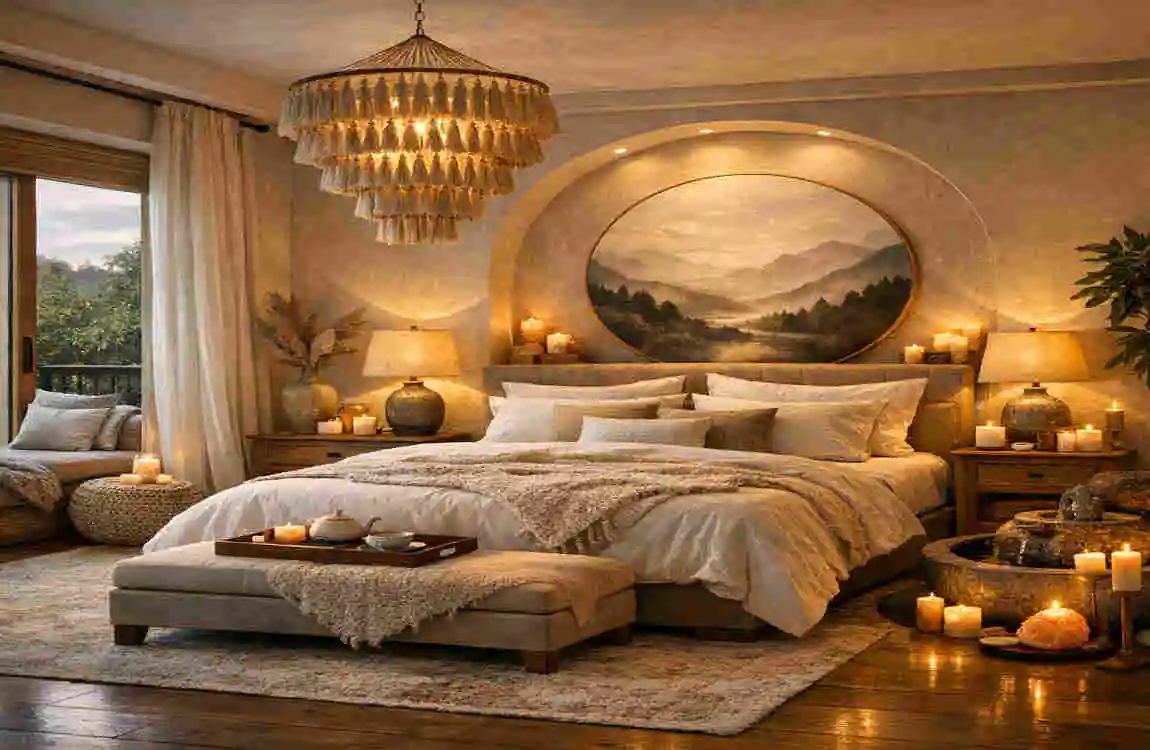
Your bedroom should be a personal retreat that promotes relaxation and rejuvenation.
Bedroom Furniture Essentials
- Bed Frame with Headboard: The centerpiece of the room.
- Nightstands: For bedside essentials.
- Dresser or Wardrobe System: Provides ample storage.
Layout for Comfort
Incorporate Feng Shui principles, such as placing the bed against a solid wall and avoiding clutter around it.
2026 Innovations for Better Sleep
- Adjustable bed bases for personalized comfort.
- Hypoallergenic fabrics to improve air quality.
Home Office: Boosting Productivity with Smart Design
With remote work on the rise, a functional home office is more important than ever.
Key Furniture Pieces
- Desk: Consider standing desks for flexibility.
- Ergonomic Chair: Supports posture during long hours.
- Shelving Units: Keep everything organized.
Trends in Hybrid Spaces
Convertible desks and noise-reducing panels are popular in 2026. These features make it easier to switch between work and relaxation modes.
Bathroom: Compact, Luxe Furniture Solutions
Bathrooms may be small, but they can still be stylish and functional with the right furniture.
Practical Furniture Choices
- Vanity Units: Combine storage with elegance.
- Linen Cabinets: Keep towels and toiletries organized.
Spa-Like Trends
Marble-look composites and floating vanities are popular for creating a luxurious vibe.
Kids’ Room and Play Area: Fun, Safe, and Scalable
Designing for kids requires a balance of fun and functionality.
Age-Appropriate Furniture
- Bunk Beds or Modular Lofts: Great for maximizing space.
- Toy Storage Units: Keep the room tidy.
Growth-Proof Designs
Choose furniture that grows with your child, such as adjustable desks and beds.
Outdoor Spaces: Extending Room-by-Room Design to Patios and Gardens
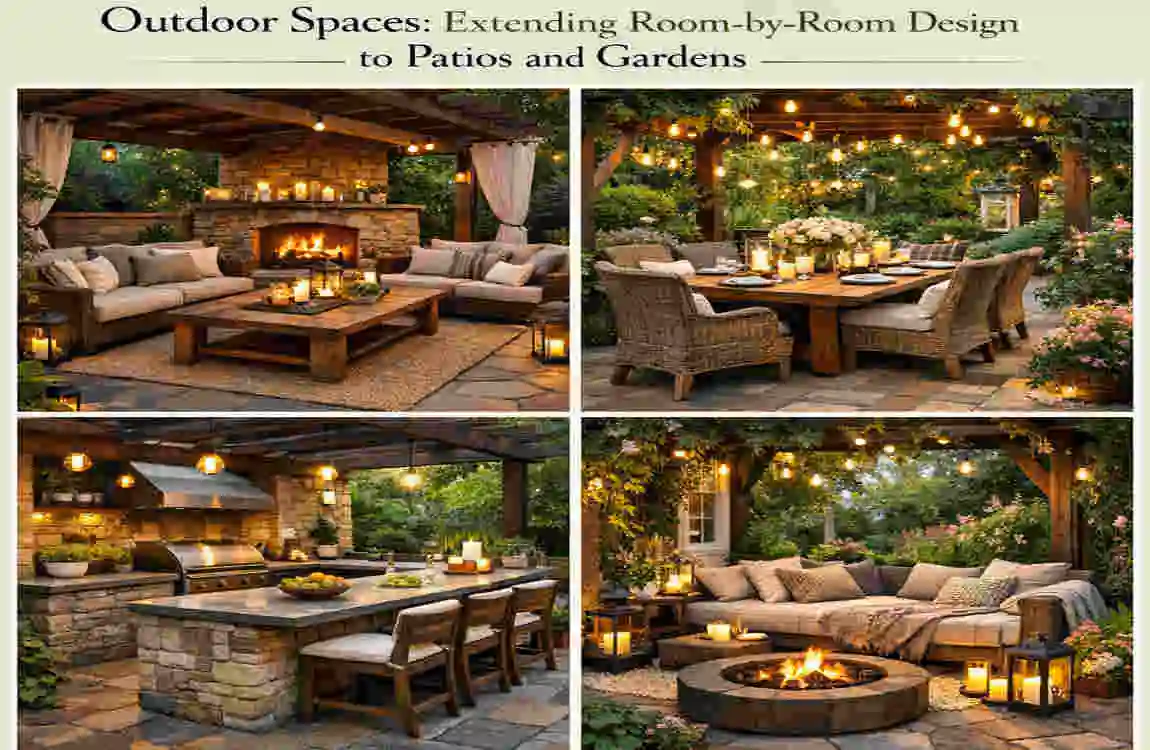
Outdoor spaces are an extension of your home. Designing them thoughtfully ensures a seamless transition from indoors to outdoors.
Patio Furniture Essentials
- Lounge Sets: Comfortable seating for relaxation.
- Dining Tables: Perfect for alfresco meals.
Weatherproofing Tips
Opt for materials like wicker or metal and ensure they match your indoor theme.
Room-by-Room House Furniture Design FAQ
Q: What is room-by-room house furniture design?
Room-by-room house furniture design is a strategy that focuses on selecting and arranging furniture tailored specifically to each room’s needs and functions. This approach ensures that every space in your home is both practical and stylish, enhancing overall flow and harmony.
Q: Why should I choose a room-specific furniture design approach?
Choosing a room-specific approach improves space utilization, boosts property value, and promotes sustainability. Custom pieces fit perfectly and support each room’s purpose, making your home more comfortable and appealing.
Q: How do I start designing furniture for each room?
Begin by assessing each room’s function and size. Consider key furniture essentials, layout for optimal flow, and materials suited to the room’s use—for example, durable fabrics for living rooms or moisture-resistant finishes in bathrooms.
Q: What are the top furniture design trends for 2026?
Some hot trends include modular sofas that adapt to living rooms, eco-friendly woods like reclaimed oak in kitchens, and smart storage solutions for home offices. Multifunctional and sustainable pieces are especially popular.
Q: How can I make small rooms feel spacious with furniture?
Use multifunctional furniture, such as foldable tables or ottomans with storage. Keep furniture scale proportional to the room and maintain clear pathways to enhance flow.
Q: Can I mix styles in different rooms?
Absolutely! Mixing styles can create a unique, personalized home. Just maintain some consistent elements like color palettes or materials to keep a cohesive feel throughout.
Q: How does room-by-room design affect home value?
Homes with well-planned custom furniture tend to sell 10-15% faster, according to Zillow data from 2025. Thoughtful design shows buyers that the home is well-maintained and functional.
Q: What furniture materials are best for different rooms?
- Living rooms: Soft fabrics like velvet or durable leather.
- Kitchens: Heat-resistant surfaces like butcher block or quartz.
- Bathrooms: Moisture-resistant materials such as marble-look composites.
- Outdoor spaces: Weatherproof materials like metal or wicker.
Q: How do I incorporate multifunctional furniture?
Look for pieces that serve more than one purpose, such as storage ottomans, extendable dining tables, or desks that convert to standing height. These save space and add flexibility.
Q: Where can I find affordable custom furniture?
Local artisans and woodworkers are great resources, especially if you want to support sustainable materials and get personalized pieces tailored to your home’s style.
