

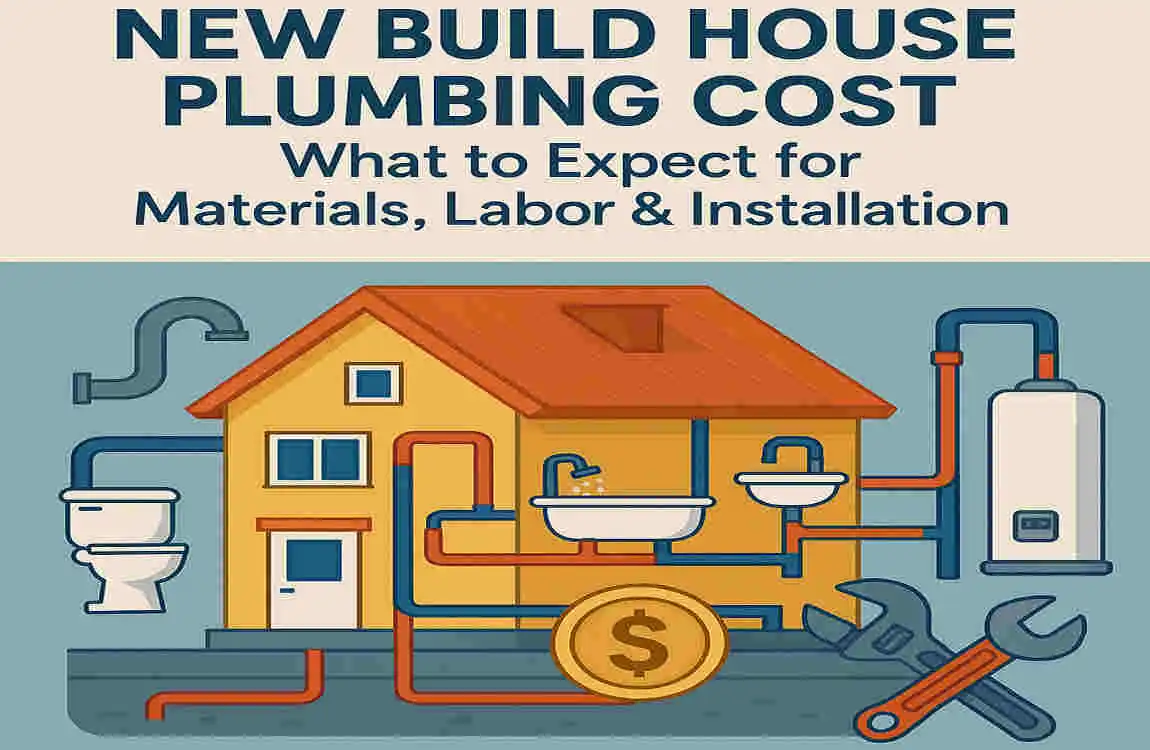
When planning the construction of a new home, one of the most crucial aspects to consider is the cost of the latest build house plumbing. From ensuring clean water flows seamlessly through your home to managing waste disposal, plumbing plays a vital role in your house’s functionality and livability. However, plumbing costs can vary significantly based on several factors, including materials, labor, and installation complexity.
Why Understanding Plumbing Costs Matters
Building a new home is an exciting venture, but it’s also an investment that requires careful financial planning. Plumbing can account for a significant portion of your construction budget, and underestimating these costs can lead to unpleasant surprises later.
Accurately estimating your new build house plumbing cost is essential for several reasons:
- Avoiding budget overruns: Plumbing costs can escalate quickly if not planned well.
- Ensuring proper functionality: Investing in quality materials and skilled labor ensures your plumbing system works efficiently for years to come.
- Preventing future issues: Cutting corners during construction often leads to costly repairs down the line.
Let’s dive into the specifics of plumbing for new build homes and what you can expect in terms of costs.
Plumbing in New Build Houses: An Overview
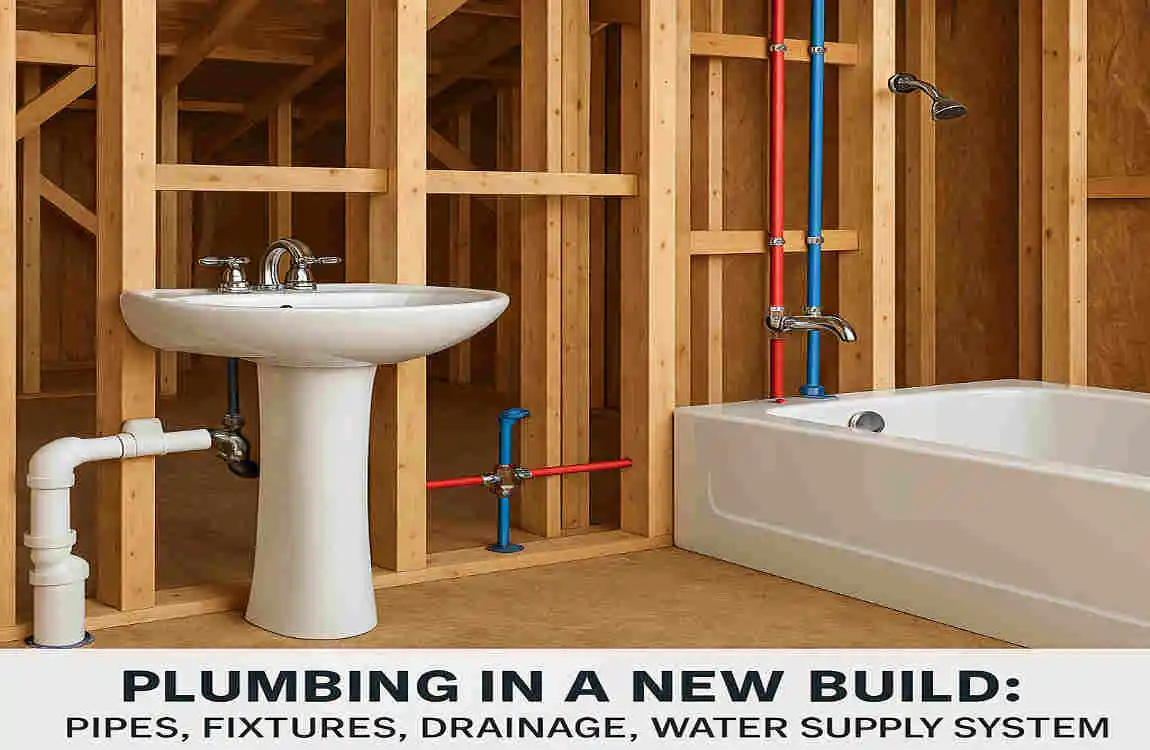
When constructing a new home, plumbing involves much more than just installing pipes and fixtures. It’s a complex system that ensures the smooth delivery of water and disposal of waste. Here’s what it typically includes:
What Does Plumbing in a New Build Involve?
- Piping Systems: These include water supply lines, drainage systems, and vent pipes.
- Fixtures: Toilets, sinks, bathtubs, showers, faucets, and other essential components.
- Appliances: Water heaters, dishwashers, and washing machines rely on proper plumbing connections.
- Outdoor Plumbing: Irrigation systems, outdoor faucets, and sometimes underground drainage.
Differences Between New Build Plumbing and Renovations
Unlike renovating an existing home, plumbing in a new build allows for greater flexibility. Since you’re starting from scratch, the system can be designed for optimal efficiency. This often involves fewer complications, like retrofitting pipes or working around existing structures.
Common Plumbing Systems in New Builds
Modern new build homes often incorporate advanced plumbing systems, such as:
- PEX piping for its flexibility and affordability.
- Tankless water heaters for energy efficiency.
- Innovative plumbing systems for remote monitoring and water conservation.
Professionally designed plumbing systems ensure long-term reliability and compliance with building codes, making them a critical part of the construction process.
Factors Affecting New Build House Plumbing Cost
Several variables influence the cost of new-build house plumbing, and understanding these factors can help you budget effectively.
Geographic Location and Permit Costs
The cost of plumbing varies depending on where your home is being built. Labor rates vary by region, and local regulations may require permits or inspections, which add to overall costs.
Size and Layout of the House
Larger homes require more materials and labor to install plumbing systems. Additionally, complex layouts, such as multi-story homes or houses with multiple bathrooms and kitchens, increase the scope of work.
Quality of Materials
The types of materials used for pipes, fixtures, and fittings directly impact the cost. For instance:
- Copper pipes are durable but expensive.
- PEX pipes are affordable but may not last as long.
Complexity of the Plumbing Design
Homes with advanced plumbing systems, such as irrigation systems, multiple bathrooms, or innovative water solutions, require more intricate designs and take longer to install, which increases costs.
Contractor Experience
Hiring a skilled, licensed plumber ensures quality work but may cost more. However, investing in experienced contractors reduces the risk of errors and costly repairs in the future.
Hidden and Contingency Costs
Unexpected issues, such as poor soil conditions requiring extra trenching or outdated local codes, can lead to additional costs. It’s always wise to budget for contingencies.
Cost Breakdown: Materials in New Build Plumbing
The choice of materials significantly affects overall plumbing costs. Let’s examine the common materials used and their associated costs.
Material Average Cost Range (Per Unit) Pros Cons
PEX Pipes $0.30–$0.50/foot Affordable, flexible, easy to install. May degrade under UV exposure
Copper Pipes $2–$4/foot Long-lasting, resistant to bacteria Expensive, prone to theft
PVC Pipes $0.50–$1/foot Lightweight, corrosion-resistant. Not suitable for hot water
Faucets and Fixtures $50–$500+ per unit Variety of styles and price points Premium options can be costly.
Water Heaters $500–$2,500+ Available energy-efficient options. High initial cost for tankless
Tips for Choosing Plumbing Materials
- Balance cost and durability: Invest in materials that offer reliability without breaking the bank.
- Consider eco-friendly options: Water-saving fixtures and efficient piping systems can reduce utility bills over time.
- Consult with professionals: An experienced contractor can recommend materials suited to your budget and needs.
Labor Costs in New Build House Plumbing
Labor is a significant component of the plumbing costs for a new build house, often accounting for 30–50% of the total expense.
Key Labor Tasks
- Installing water supply and drainage systems.
- Fitting fixtures like sinks, showers, and toilets.
- Pressure testing pipes to ensure there are no leaks.
- Coordinating with other contractors, such as electricians and HVAC technicians.
Average Labor Rates
Plumber rates vary by region, but on average, you can expect to pay:
- $45–$200/hour: Depending on experience and location.
- $7,000–$15,000: Total labor for a standard 3-bedroom home.
Factors Influencing Labor Costs
- House size and complexity: Larger homes or custom designs require more time and expertise.
- Accessibility: Difficult-to-reach areas, such as basements or tight crawl spaces, can increase costs.
- Permits and inspections: These add administrative overhead and extend timelines.
Installation Process and Its Impact on Cost
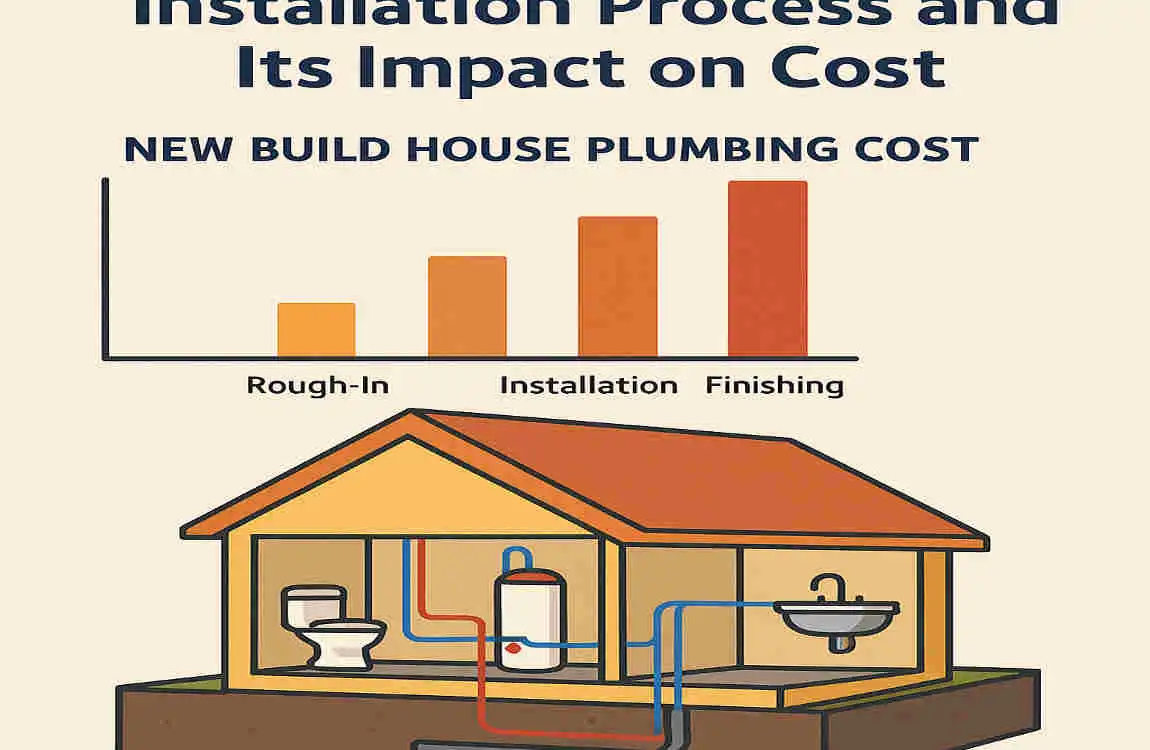
The installation process for new build plumbing involves multiple steps, each of which can affect the final cost.
Plumbing Installation Steps
- Rough-In: Installing pipes and connections during the framing stage.
- Fixture Installation: Adding sinks, toilets, and faucets after walls are finished.
- Final Inspection: Ensuring everything complies with building codes.
Challenges That Raise Costs
- Basement plumbing: Requires excavation and additional piping.
- Advanced systems: Smart plumbing or multi-zone irrigation add complexity.
- Coordination issues: Delays with other contractors can slow progress.
Additional Costs and Hidden Expenses to Consider
When budgeting for new build house plumbing costs, don’t forget to account for:
- Permit and inspection fees: Vary by location but are mandatory.
- Excavation costs: If trenching or underground plumbing is needed.
- Post-installation repairs: Addressing any issues discovered after construction.
How to Budget and Save on Plumbing Costs
Here are some tips to help you manage expenses without compromising quality:
- Plan early: Work with your contractor to design an efficient plumbing system.
- Get multiple quotes: Comparing bids ensures you get the best value.
- Prioritize quality: Investing in durable materials reduces long-term costs.
- Explore financing options: Some energy-efficient upgrades qualify for rebates or financing programs.
