

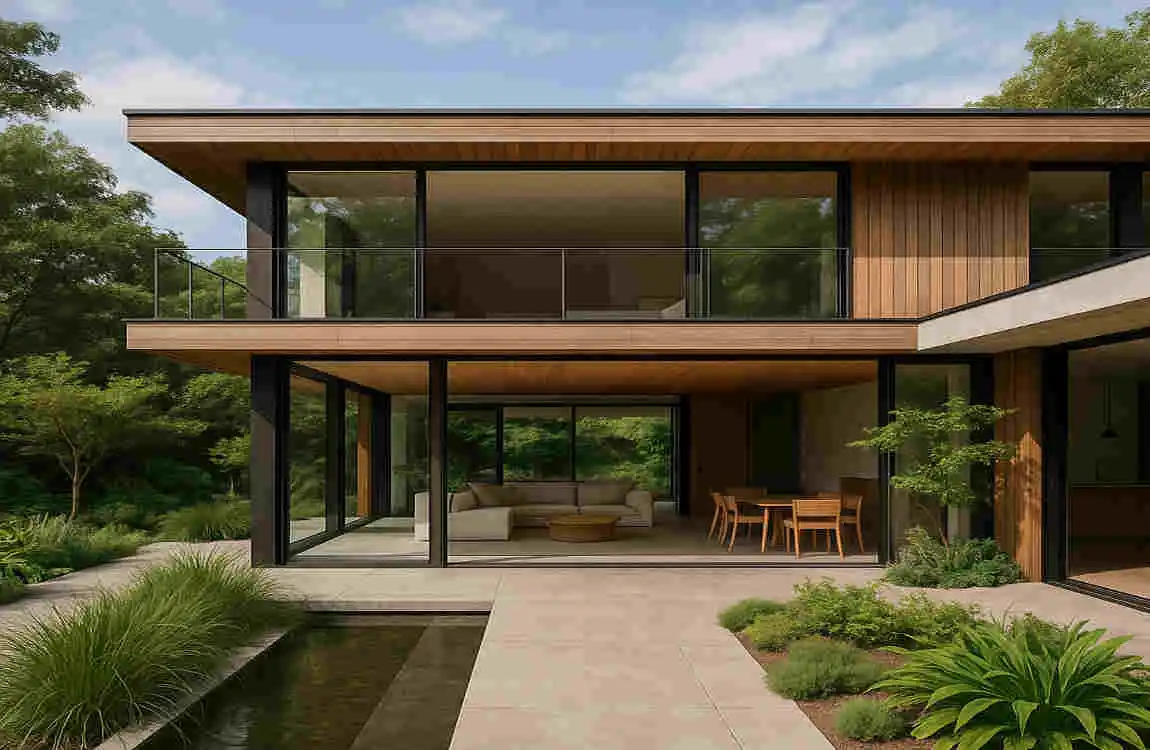
Contemporary house design has been gaining immense popularity in recent years, and for good reason. With its emphasis on clean lines, simplicity, and functionality, this style resonates with the modern homeowner who values both aesthetics and practicality. But beyond its visual appeal, contemporary design is evolving to embrace a deeper connection with nature.
One of the most significant trends in modern architecture is the blurring of boundaries between indoor and outdoor spaces. This design movement focuses on creating a seamless flow between a home’s interiors and the surrounding environment. By integrating nature into our living spaces, contemporary house design promotes not only comfort but also a sense of calm and well-being.
Understanding Contemporary House Design
What Is Contemporary House Design?
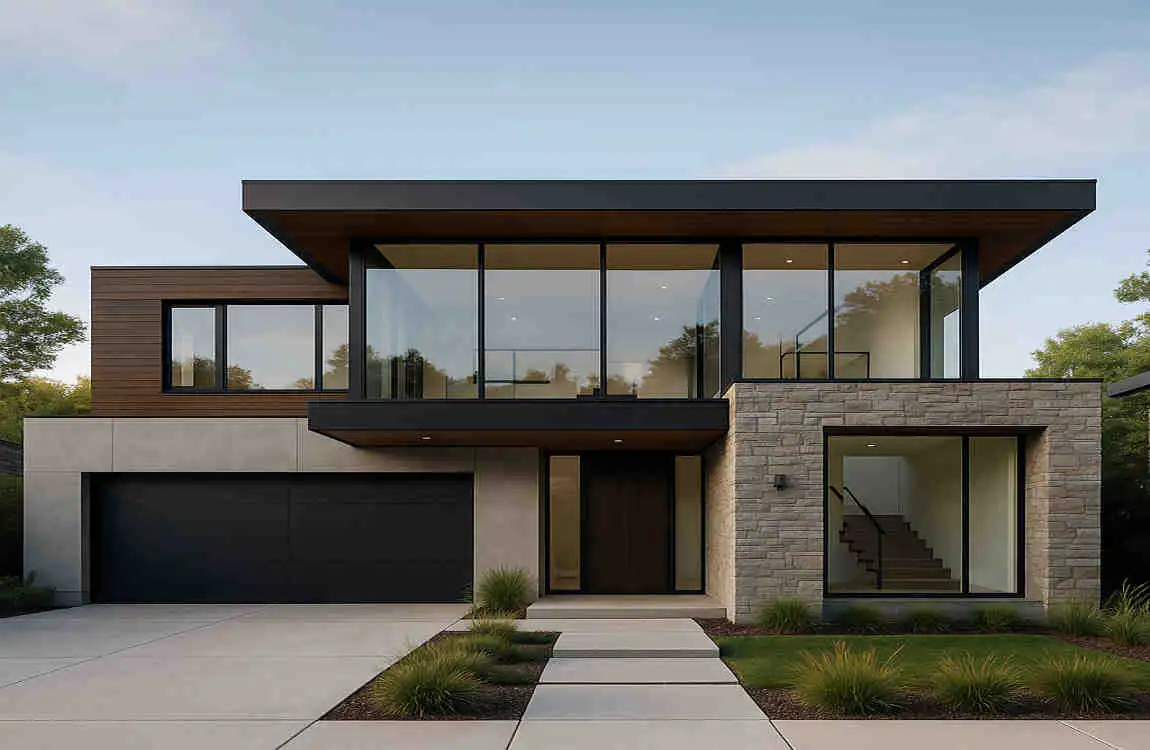
Contemporary house design is often misunderstood as a specific style, but it’s actually more dynamic. It reflects the architectural trends of the present era, constantly evolving to incorporate the latest innovations, materials, and preferences. Unlike traditional or historical styles, contemporary design is about what’s current and relevant today.
Key characteristics of contemporary house design include:
- Simplicity and minimalism: Clean lines, uncluttered spaces, and a “less is more” philosophy.
- Open floor plans: Spaces flow together seamlessly, creating a sense of openness and flexibility.
- Neutral color palettes: Earthy tones and muted shades dominate, creating a calming environment.
- Integration of technology: Smart home features are often embedded into the design.
The Role of Sustainability and Natural Elements
Contemporary house design goes beyond aesthetics by incorporating sustainable and eco-friendly elements. It’s about using natural materials, reducing energy consumption, and designing homes that coexist harmoniously with the environment. Wood, stone, bamboo, and glass are popular materials that bring warmth and texture to contemporary homes while maintaining a connection to nature.
The Rise of Indoor-Outdoor Living
What Is Indoor-Outdoor Living?
Indoor-outdoor living is a design concept that seeks to erase the boundaries between a home’s interior and the natural world outside. This trend has become increasingly popular as people value nature’s therapeutic benefits and seek versatile living spaces.
The idea is simple: instead of treating outdoor areas as separate, they’re designed to feel like extensions of the indoor living space. This approach creates a harmonious flow between the two, making the home feel larger, airier, and more connected to its surroundings.
Benefits of Indoor-Outdoor Living
- Enhanced Natural Light: Homes with large windows and open designs allow sunlight to flood the interiors, reducing the need for artificial lighting.
- Connection with Nature: Spending time in nature has been proven to reduce stress, improve mood, and boost overall well-being. By incorporating natural spaces into your home, you can enjoy these benefits daily.
- Improved Ventilation: Open spaces and the integration of outdoor areas enhance airflow, creating a healthier indoor environment.
- Increased Entertainment Options: Outdoor kitchens, patios, and decks provide additional spaces to entertain guests or relax with family.
How Contemporary Design Achieves Seamless Transitions
Architects use various strategies to create a seamless indoor-outdoor experience:
- Large, sliding glass doors that open wide to connect the interior and exterior.
- Floor-to-ceiling windows that provide unobstructed views of the outdoors.
- Use the same materials, colors, and finishes indoors and outdoors for a unified look.
Trending Features That Blur Indoor-Outdoor Boundaries
Contemporary house design is all about embracing features that bring nature closer. Below are some trending design elements:
Large Sliding Glass Doors and Floor-to-Ceiling Windows
These features are the cornerstone of indoor-outdoor living. Large glass panels not only let in natural light but also visually connect the indoors to the outside. For homes with beautiful landscapes, this creates a sense of immersion in nature.
Natural Materials
Using materials like wood, stone, bamboo, and brick both indoors and outdoors creates continuity. For instance, a stone-clad wall in the living room that extends onto the patio blurs the line between the two spaces.
Living Walls and Vertical Gardens
Incorporating greenery into the architecture itself is a significant trend. Living walls, or vertical gardens, serve as stunning focal points while improving air quality and adding vibrancy to the space.
Outdoor Living Areas
Outdoor spaces are no longer an afterthought. Patios, decks, outdoor kitchens, and lounges are designed to be functional and stylish. Comfortable furniture, fire pits, and outdoor lighting enhance usability, making these areas ideal for relaxing or entertaining.
Biophilic Design and Nature Integration
What Is Biophilic Design?
Biophilic design is an architectural approach that integrates natural elements into the built environment. It’s based on the idea that humans have an innate connection to nature, and incorporating it into our homes can improve our health, happiness, and productivity.
Key Elements of Biophilic Design
- Plant Life Indoors: Adding potted plants, hanging gardens, or even small indoor trees brings life and freshness to the space.
- Natural Textures: Materials like rattan, jute, and reclaimed wood add organic textures that mimic the natural world.
- Organic Shapes: Curved lines and irregular forms in furniture and decor echo the shapes found in nature, creating a sense of harmony.
Sustainability and Eco-Friendly Trends in Contemporary Design
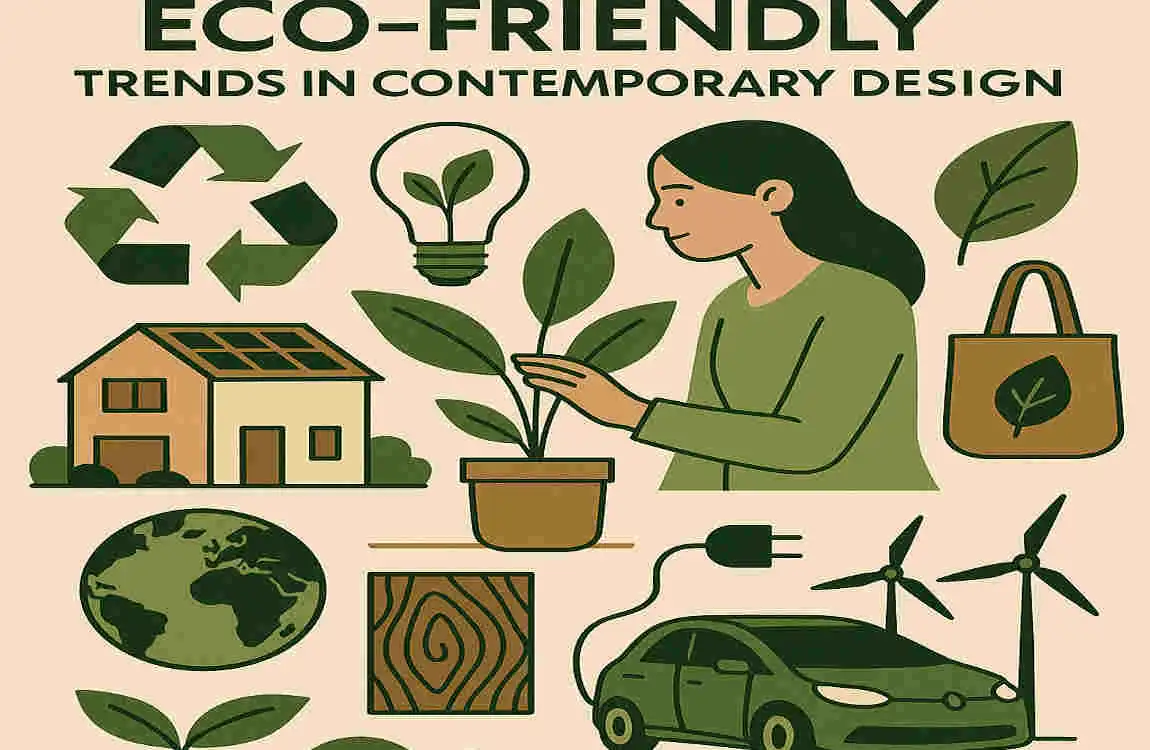
Sustainability is a cornerstone of contemporary house design. Here are some ways it’s being achieved:
Eco-Friendly Materials
- Use of recycled and repurposed materials, such as reclaimed wood and metal.
- Non-toxic paints and finishes to improve indoor air quality.
Energy Efficiency
- Solar panels and energy-efficient appliances reduce energy consumption.
- Rainwater harvesting systems help conserve water.
Smart Home Features
Homes are now equipped with eco-smart technologies, such as programmable thermostats, automated lighting, and energy monitoring systems, making it easier to live sustainably.
Feature Benefit Example
Solar Panels Reduce energy bills, Tesla Solar Roof
Rainwater Harvesting: Conserves water, and uses Underground storage tanks
Recycled Materials: Reduce waste and support green practices. Reclaimed wood flooring
Practical Tips for Homeowners Looking to Embrace Indoor-Outdoor Living
- Choose the Right Materials: Select materials like weather-resistant furniture and finishes that work nicely both indoors and outdoors.
- Design Functional Outdoor Spaces: Think about how you’ll use your outdoor areas. Add features such as a dining area, a swing, or a small garden for added versatility.
- Maintain Privacy: Use hedges, screens, or pergolas to create a sense of seclusion without sacrificing openness.
Inspiring Contemporary House Design Examples
Here are some standout examples of homes that beautifully blend indoor and outdoor living:
- Tropical Retreats: Homes in warm climates often use open courtyards and large verandas to connect with their surroundings.
- Urban Oases: city homes incorporate rooftop gardens or small patios to bring nature into dense urban environments.
- Mountain Getaways: Cabins surrounded by glass walls provide breathtaking views of forests or mountains while maintaining cozy interiors.
