

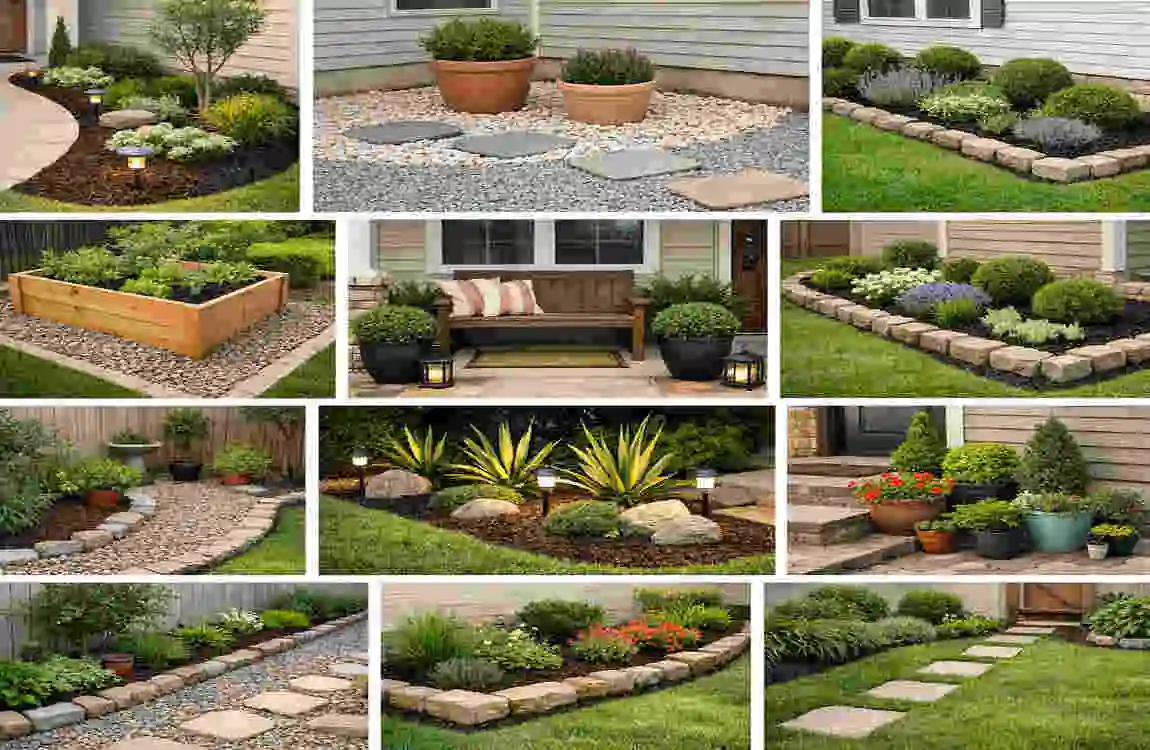
Have you ever pulled into your driveway, looked at your front yard, and let out a heavy sigh? Are you tired of a bland front yard that screams “neglected”? We have all been there. You want a beautiful outdoor space, but the idea of tearing up your lawn feels exhausting and wildly expensive. The good news is that a simple landscape design for your home can completely transform your dull yard into a welcoming oasis, and you do not need to break the bank to do it.
Your home’s exterior is the very first thing people notice. It sets the tone for your entire property. Did you know that boosting your curb appeal can significantly increase your property value? According to the 2025 National Association of Realtors (NAR) report, a well-landscaped yard can boost your home’s value by up to 7%. That is a massive return on a relatively small investment. Creating a beautiful first impression does not require a team of professionals or heavy machinery.
Why Choose Simple Landscape Design for the Home?
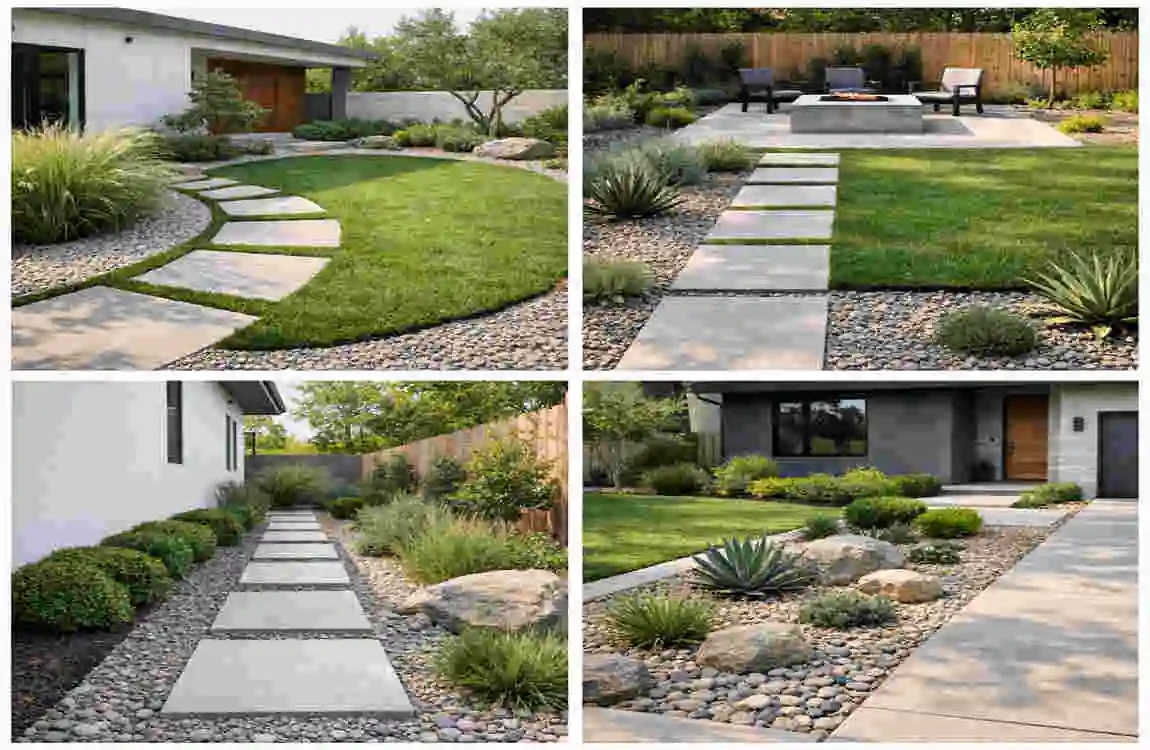
You might wonder why you should focus on a simple approach instead of going all out with an extravagant garden makeover. The answer comes down to three main benefits: incredibly low costs, minimal weekly upkeep, and a strong eco-friendly footprint.
When you choose a simple landscape design for your home, you take back your weekends. You no longer have to spend your Saturday mornings pushing a heavy lawnmower or pulling stubborn weeds. Simple designs often use native plants and smart spacing, so the garden practically takes care of itself. Furthermore, embracing simplicity helps you save water, lowers your monthly utility bills, and supports the environment.
The top landscaping trends for 2026 heavily favour this exact approach. We are seeing a massive shift toward drought-resistant xeriscaping, vibrant pollinator gardens, and smart home integration, like automated, water-saving drip irrigation. People want their yards to look naturally beautiful without requiring constant chemical fertilisers or endless watering.
Let us talk about the budget. Hiring a professional landscaping company to overhaul your front yard can easily cost $5,000 to $10,000. They charge for labour, marked-up plant prices, and heavy machinery rentals. In contrast, a simple, budget-friendly landscape design for your home keeps your costs down to just a few hundred dollars. You only pay for the raw materials, and you get the deep satisfaction of creating something beautiful with your own two hands.
Essential Tips Before Starting Your Simple Landscape Design for Home
Before you rush to the local garden centre and buy every pretty flower you see, you need a solid plan. A little bit of preparation goes a very long way in ensuring your project succeeds.
First, you must assess your outdoor space. Take a walk around your yard at different times of day to observe how sunlight changes throughout the day. Notice which areas bake in the hot afternoon sun and which spots stay covered in deep shade. You also need to understand your soil type. Is it heavy clay that holds water, or is it sandy and quick-draining? Knowing your climate and planting zone helps you select flowers and shrubs that will naturally thrive in your exact environment.
Next, gather your essential tools. You do not need a shed full of expensive equipment. You can complete almost any simple landscape design for a home with a sturdy shovel, a heavy-duty rake, a good pair of gardening gloves, and a manual edging tool. You will also want to stock up on a high-quality mulch to suppress weeds and retain soil moisture.
Finally, keep an eye out for common beginner mistakes. The most frequent error is overplanting. Tiny plants in nursery pots will grow! Give them plenty of room to spread out. Additionally, never ignore your yard’s natural drainage. Make sure the ground slopes away from your house foundation so you do not accidentally route rainwater directly into your basement.
Cosy Cottage Garden
Imagine stepping out of your front door into a soft, romantic space filled with blooming flowers and sweet fragrances. A cosy cottage garden relies on a mix of soft perennials, colourful annuals, and a small decorative picket fence to create undeniable rustic charm.
This style perfectly fits a simple landscape design for a home because it thrives on controlled chaos. You do not need perfectly straight lines or meticulously trimmed hedges. Instead, you plant native flowers closely together. Over time, many of these flowers will self-seed, meaning they naturally replant themselves year after year, saving you money and effort.
You can pull off this stunning look for about $200. Most of your money will go toward purchasing a variety of perennial plants and a few bags of rich, organic mulch.
To create this look, start by clearing a curved garden bed near your front entryway—plant taller flowers, like hollyhocks or delphiniums, in the back. Place medium-sized bloomers, like coneflowers or daisies, in the middle. Finally, border the front edges with low-growing plants, such as sweet alyssum. Cover the bare soil with mulch to block weeds, and let the plants grow together naturally.
Modern Gravel Xeriscape
If you want a sleek, contemporary look that requires virtually zero maintenance, you need to explore a modern gravel xeriscape. This design replaces thirsty green lawns with crisp gravel paths, large decorative stones, and hardy succulent plants. You can finally sell your lawnmower because this yard never needs cutting!
Xeriscaping is one of the most prominent trends for 2026, especially as more regions face summer droughts and strict water restrictions. It heavily emphasises water-wise landscaping. By removing your grass, you drastically reduce your household water consumption.
You can easily transition a section of your yard to a xeriscape for a budget of roughly $150. You will primarily purchase landscape fabric, a few yards of crushed gravel, and a selection of drought-tolerant plants, such as agave, aloe, or ornamental grasses.
The pros of this simple home landscape design extend beyond water savings. Gravel yards are highly fire-resistant, making them incredibly safe for homes in dry climates. They are also wonderfully pet-friendly, as dogs cannot track mud into the house from a gravel yard. Lay down a heavy-duty weed barrier, spread your gravel evenly, and cut small holes in the fabric to plant your succulents.
Vertical Garden Wall
Not everyone has a sprawling front lawn to work with. If you live in an urban area, a townhouse, or have a very small yard, a vertical garden wall offers the perfect solution. This design utilises wall-mounted planters, hanging baskets, and climbing vines to draw the eye upward, making a small space feel lush and expansive.
This is a remarkably budget-friendly, simple landscape design for a home because it encourages upcycling. You do not need to buy expensive vertical planters. You can easily recycle old wooden pallets, tin cans, or wooden crates to build your garden structure.
To install your vertical garden, find a bare exterior wall or a sturdy fence that receives adequate sunlight. Securely attach your chosen containers using heavy-duty screws or brackets. Fill the containers with a lightweight potting mix, and plant trailing vines, bright flowers, or even trailing strawberries. Just remember that vertical containers dry out faster than ground soil, so check them frequently to see if they need a drink.
Native Plant Meadow
Say goodbye to the rigid, perfectly manicured lawn and say hello to the wild beauty of a native plant meadow. This design replaces traditional turf grass with a sweeping expanse of regional wildflowers and native grasses. It brings a touch of untamed nature right to your doorstep.
The eco-angle of this simple landscape design for the home is its biggest selling point. Native plants naturally belong in your specific climate. Because they evolved there, they require practically no extra water, fertilisers, or harsh pesticides. Even better, a native meadow actively attracts vital wildlife. You will quickly notice an influx of busy bees, colourful butterflies, and singing birds visiting your yard.
To start your meadow, you do not need to buy fully grown plants. You can purchase specialised native wildflower seed mixes tailored to your specific region for under $50. Clear away a patch of grass, rough up the topsoil with a rake, and scatter the seeds right before your rainy season begins. Press the seeds gently into the dirt, and watch as your yard bursts into a kaleidoscope of natural colours.
Mulch Magic Pathway
Sometimes, the best way to upgrade your yard is to create a sense of journey and destination. A mulch magic pathway weaves an inviting trail through your existing yard, breaking up large expanses of grass and giving your home a distinct, storybook feel.
This is the easiest DIY project on our list. You create smoothly curved, mulched beds and lay down rustic stepping stones to guide visitors to your front door, a side gate, or a backyard seating area. The dark contrast of the mulch makes the green grass around it pop brilliantly.
To ensure this simple home landscape design stays low-maintenance, you must master using a weed barrier. Dig out a shallow trench along your planned pathway. Line the trench with high-quality, permeable landscape fabric. This prevents weeds from growing up through your path while still allowing rainwater to soak into the ground. Cover the fabric with a thick three-inch layer of cedar or bark mulch, and nestle large, flat stepping stones into the mulch for a secure footing.
Container Oasis Cluster
If you rent your home or hate the idea of digging in the hard dirt, a container oasis cluster is your ideal landscaping solution. This design relies entirely on grouping pots, planters, and urns along the edges of your porch, patio, or driveway.
The greatest advantage of this budget-friendly, simple landscape design for the home is its total portability and flexibility. If you decide you do not like where a plant is sitting, you pick it up and move it! If a sudden frost threatens your delicate flowers, you can quickly carry the pots inside your garage.
To make a cluster look professional rather than cluttered, follow the designer’s “rule of three.” Group your pots in odd numbers, and use containers of varying heights and widths. Plant a tall “thriller” plant (like an ornamental grass) in the largest pot, surround it with medium “filler” plants (like bright geraniums) in the middle pots, and use trailing “spiller” plants (like creeping jenny) in the smallest pots.
Low-Voltage Lighting Accents
Landscaping matters not only during daylight hours. When the sun goes down, a dark yard completely hides your beautiful home. Adding low-voltage lighting accents casts a warm, inviting evening glow over your property, dramatically boosting your curb appeal at night.
You do not need to hire an electrician to run dangerous high-voltage wires under your lawn. Today’s solar-powered LED lights are incredibly bright, reliable, and cheap. They soak up the sun’s energy all day and automatically turn on at dusk.
This simple landscape design for the home transforms the atmosphere of your property. Purchase a set of solar pathway lights and push the stakes firmly into the ground along your front walkway. Next, grab two or three solar spotlights. Angle these spotlights upward to illuminate the base of a large, beautiful tree or to highlight the architectural columns of your front porch. The dancing shadows will instantly transform your home into a luxury estate.
Edible Herb Border
Why should your landscaping only look good when it can taste good, too? Functional landscaping is taking the gardening world by storm, driven heavily by the 2026 homegrown food movement. An edible herb border replaces traditional decorative shrubs with beautiful, fragrant culinary herbs.
You can line your front walkway or the edges of your foundational garden beds with plants like lush sweet basil, sprawling peppermint, sturdy rosemary, and vibrant purple chives. Not only do these plants provide varying textures and colours, but they also release an amazing aroma every time you brush past them.
This simple landscape design for the home provides double the value for your money. You improve your curb appeal while simultaneously cutting down your grocery bill. Most herbs are incredibly hardy and actually thrive in poor soil with intense sunlight. Just be sure to plant aggressive growers, like mint, inside a buried plastic pot to prevent them from taking over your entire garden bed!
Rock and Boulder Focal Point
Sometimes, the most striking landscapes are those that use the least living material. Creating a dramatic rock-and-boulder focal point anchors your yard, providing a heavy, natural texture that contrasts beautifully with your home’s exterior walls.
This budget-friendly, simple landscape design for the home relies on strategic placement rather than overwhelming volume. Instead of filling an entire yard with tiny pebbles, you source three to five large, interesting boulders. You nestle these heavy stones into a bed of contrasting river rock, and perhaps plant one or two hardy evergreens behind them to soften the look.
Sourcing boulders can seem expensive, but you have budget-friendly options. Skip the high-end landscape supply stores. Instead, look for local quarries or construction companies that frequently excavate large rocks and are willing to give them away cheaply. Once you get the boulders home, dig a shallow depression in the soil and bury the bottom third of the rock. This simple trick makes the boulder look like a natural outcropping rather than a rock that someone just dropped on the grass.
Pollinator-Friendly Pollinator Patch
As we navigate through 2026, sustainability is no longer just a buzzword; it is a necessity. Creating a dedicated pollinator patch in your front yard is a beautiful way to give back to the environment. This design specifically uses nectar-rich flowers to feed and shelter declining populations of bees, butterflies, and hummingbirds.
To create this vital habitat, focus on native species that provide food throughout the growing season. Plant bright orange milkweed to attract monarch butterflies. Add tall purple coneflowers for the bees, and hang a few red tubular flowers, like bee balm, to attract hummingbirds.
This simple landscape design for a home bursts with vibrant, joyful colours. To keep it looking neat and intentional, border your pollinator patch with a clean line of brick edging or a crisp trench. Knowing that your front yard actively supports local wildlife brings a deep sense of pride and joy every time you look out your window.
Budget Breakdown and Shopping List for a Simple Landscape Design for the Home
One of the main reasons homeowners avoid landscaping is the fear of hidden costs. To prove just how affordable these projects are, we have broken down the estimated costs. If you wanted to implement smaller versions of all 10 ideas, your total cost summary would easily fall under $2,000.
However, you only need to pick one or two projects to see a massive transformation. To help you plan your weekend DIY trip, here is a quick shopping list for a standard, budget-friendly, simple landscape design for your home.
Essential Item, Estimated Cost, Where to Buy / Sourcing Tip
Organic Wood Mulch: $4-$6 per bag. Local home improvement stores or bulk delivery from local nurseries.
Native Perennial Plants $10 – $15 each. Local community plant sales or neighbourhood garden centres.
Decorative Crushed Gravel $40 – $60 per cubic yard. Local stone yards (much cheaper to buy in bulk than in small bags).
Solar Pathway Lights $25-$40 per set of 6. Online retailers or big-box hardware stores.
Weed Barrier Fabric: $20 per large roll. Hardware stores (look for heavy-duty, commercial-grade fabric).
Large Feature Boulders: $50-$100 per boulder. Local quarries, excavation sites, or local online marketplaces.
Assorted Herb Seeds $2 – $4 per packet. Hardware stores or online seed catalogues.
By utilising local nurseries and keeping an eye out for bulk deals, you can stretch your landscaping dollars incredibly far.
Maintenance Guide for Long-Lasting Curb Appeal
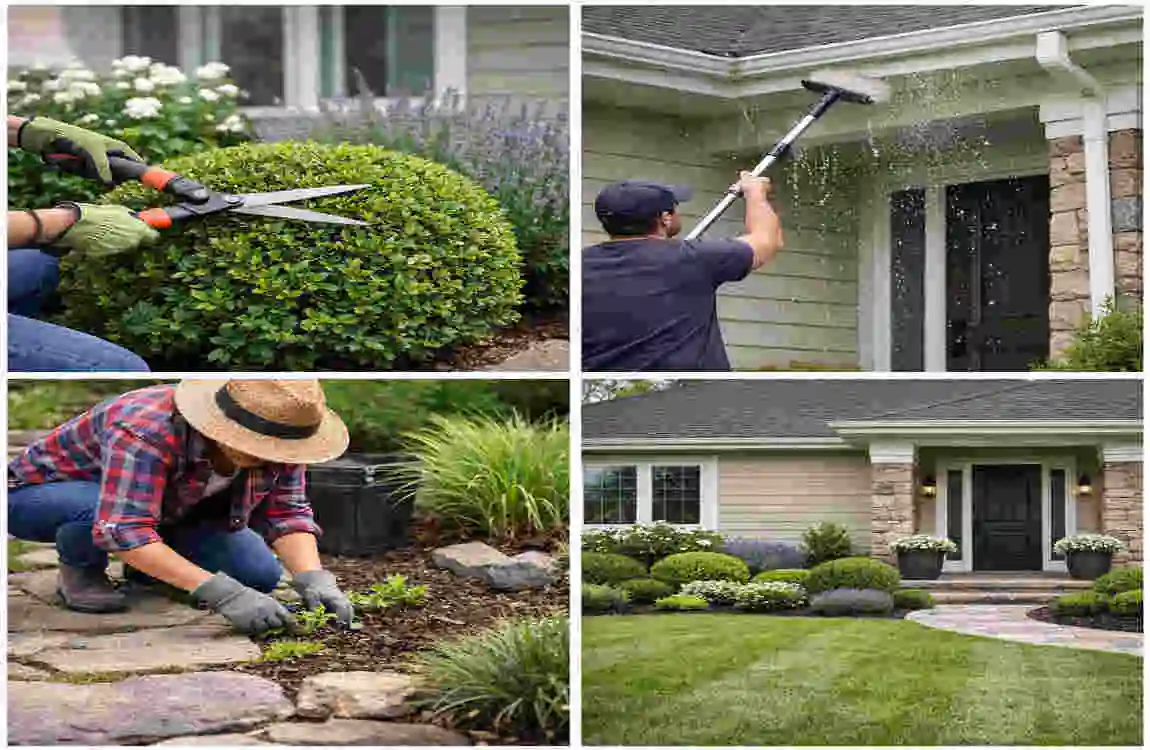
You have put in the hard work, your yard looks stunning, and your neighbours are noticeably jealous. Now, how do you keep it looking perfect? The beauty of a simple landscape design for the home is that the ongoing maintenance requires very little time. However, consistency is the secret to long-lasting curb appeal.
Follow this simple, seasonal checklist to keep your yard thriving year-round:
- Spring Awakening: Walk through your garden and remove any dead leaves or broken branches that fell during the winter. Apply a fresh, one-inch layer of mulch to all your garden beds to trap the spring moisture and stop early weeds from sprouting.
- Summer Hydration: Water your newly planted additions deeply but infrequently. It is much better to give your plants a heavy soaking twice a week than a light sprinkle every single day. Deep watering forces roots to grow further down into the earth, making the plants more resilient to summer heat.
- Fall Pruning: As the weather cools down, grab a sharp pair of pruning shears. Cut back any dead or dying perennial stems. If you have tall ornamental grasses, tie them up or trim them down so they do not snap under the weight of winter snow.
- Winter Rest: Clean and oil your gardening tools before putting them away in the shed. Drain your hoses to prevent them from freezing and cracking.
To handle this upkeep, you only need three reliable tools: a heavy watering can (or a drip irrigation hose), a sharp pair of hand pruners, and a sturdy rake. With just a few minutes of effort each week, your yard will remain a neighbourhood showstopper.
FAQs
What is the cheapest simple landscape design for a home? The cheapest option is usually the Mulch Magic Pathway or the Native Plant Meadow. Seeds cost very little, and mulch is incredibly affordable, especially when bought in bulk. Both projects can easily be done for under $100.
How do I landscape my front yard on a budget? Focus on cleaning up what you already have. Edge your lawn sharply, pull all the weeds, prune your overgrown bushes, and ask friends or neighbours for plant clippings. Many perennials can be divided and shared for free!
What is the lowest maintenance landscaping style? Xeriscaping is the ultimate low-maintenance style. Using rocks, gravel, and hardy succulents eliminates the need for weekly mowing, fertilising, and heavy watering.
Do I need a professional to lay a gravel pathway? Not at all! Laying a gravel pathway is a very beginner-friendly DIY project. Just make sure you dig a shallow trench, lay down a thick weed barrier fabric first, and shovel the gravel evenly over the top.
