

Hearing that incessant chirping at 2 AM? You’re not alone—and don’t worry, you’re in the right place. Crickets creeping into homes is surprisingly common, especially during cooler months. That familiar chirping sound, while harmless in itself, can quickly become an unrelenting nuisance if not addressed. Worse yet, you might be wondering why they chose your home for their late-night concerts.
Understanding Why Crickets Invade Your Home
Before we get into the cleaning solutions, it’s essential to understand why crickets are in your house in the first place. Knowing the “why” helps you address the root cause, making it easier to keep them out for good.
Why Is There a Cricket in My House? Common Entry Points and Triggers
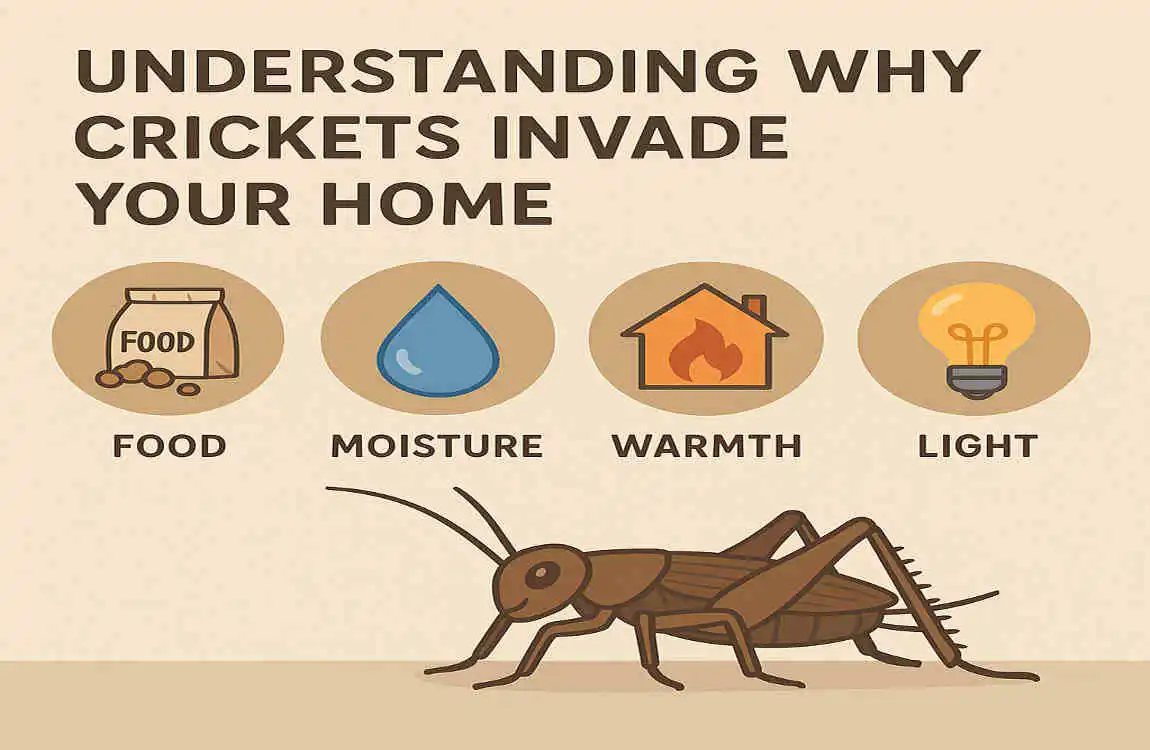
House crickets, scientifically known as Acheta domesticus, are naturally drawn to warmth, moisture, and food. As the seasons change and temperatures drop, these pesky creatures start looking for shelter—often ending up indoors. Here are the most common reasons why crickets might be invading your home:
- Unsealed Cracks and Gaps: Crickets can squeeze through even the tiniest openings. Doors, windows, and foundation cracks are all prime entry points.
- Bright Outdoor Lights: Crickets are attracted to light, predominantly white or bright outdoor bulbs. If your home is well-lit at night, it might be acting as a beacon for these chirping visitors.
- Moisture and Humidity: Damp basements, leaky pipes, or humid rooms are cricket magnets. They thrive in moist environments.
- Clutter: Piles of newspapers, clothes, or cardboard provide perfect hiding spots for crickets to lay eggs and nest.
Seasonal Factor: Cricket infestations tend to peak during the fall and winter months when outdoor conditions become less hospitable. Have you noticed more chirping at night recently? That’s because crickets are nocturnal—they’re most active when the sun goes down.
Signs of a Cricket Infestation
Not sure if you’re dealing with crickets? Here are some telltale signs to look out for:
- Chirping Sounds: Male crickets produce their characteristic chirping sound by rubbing their wings together. If you hear this at night, it’s a strong indicator.
- Droppings: Cricket droppings look like tiny black specks and are often found near their hiding spots.
- Egg Cases: Female crickets lay eggs in dark, damp areas. Look for small, oval egg cases in basements, closets, or under furniture.
- Chewed Fabrics or Paper: Crickets tend to gnaw on soft materials like clothing, upholstery, or even book pages.
If any of these signs sound familiar, you might have a cricket problem on your hands. But don’t worry—our cleaning tips below will help!
Health and Home Risks of Crickets
While crickets aren’t as harmful as other pests, they can still pose some risks to your home and comfort.
Low Health Risk, but Potential Allergens
Crickets don’t carry diseases, but their droppings (known as frass) can trigger allergies in sensitive individuals. If you or your family has asthma, take extra precautions to clean up cricket droppings promptly.
Property Damage
Crickets are opportunistic feeders and might chew on fabrics, paper, or even wood. While small numbers won’t cause significant damage, a larger infestation could lead to noticeable wear and tear on your belongings.
Sleep Disruption
Let’s face it—chirping crickets are more annoying than dangerous. But that constant noise at night can disrupt your sleep, leading to frustration and fatigue. The faster you act, the sooner you can enjoy peaceful nights again.
7 Proven Cleaning Tips to Evict Crickets Fast
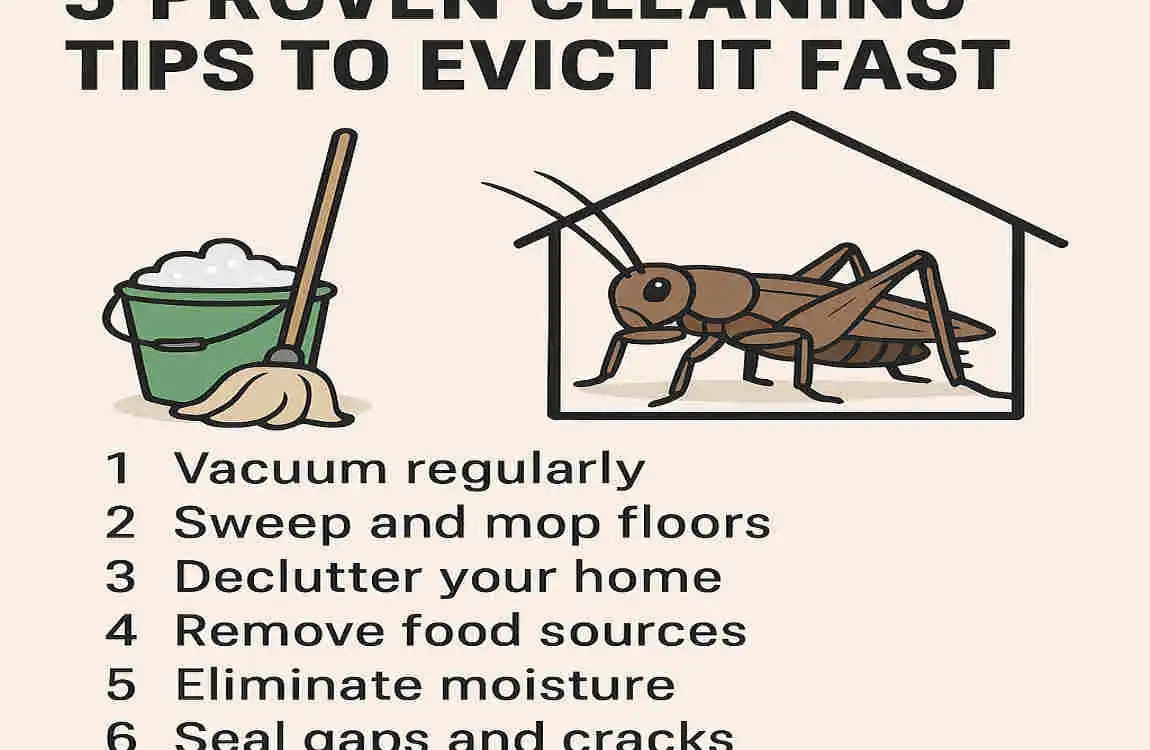
Now, let’s get to the heart of the matter—how to get rid of crickets in your house. These seven cleaning-focused tips are designed to naturally and effectively remove crickets while preventing them from coming back.
Declutter and Vacuum Thoroughly
Crickets love hiding in cluttered spaces, so the first step is to declutter your home. Focus on areas where crickets are likely to nest, like basements, closets, and corners.
- Steps: Remove piles of newspapers, cardboard, or clothes. Use a vacuum cleaner with a crevice tool to clean corners, baseboards, and under furniture.
- Why It Works: Vacuuming not only removes adult crickets but also sucks up eggs and droppings.
- Pro Tip: Empty your vacuum outside to prevent crickets from escaping back into your home.
Seal Entry Points with Caulk and Weather stripping
Inspect your home for cracks, gaps, or holes where crickets might be sneaking in.
- Steps: Clean the cracks first to ensure proper adhesion, then seal them with silicone caulk or weather stripping. Pay special attention to doors, windows, and the foundation.
- Why It Works: Blocking entry points prevents new crickets from coming inside.
- Materials Needed: Silicone caulk, weather stripping tape.
Reduce Moisture with Dehumidifiers and Fixes
Crickets thrive in damp environments, so reducing moisture levels in your home is essential.
- Steps: Fix leaky pipes, clean drains, and run a dehumidifier in humid areas, such as basements or bathrooms.
- Natural Hack: Place silica gel packets in cabinets and closets to absorb excess moisture.
Eliminate Food Sources via Deep Kitchen Cleaning
Crumbs and exposed food can attract crickets, so a deep kitchen cleaning is a must.
- Steps: Wipe down counters, sweep and mop floors, and store food in airtight containers. Use a vinegar solution (1:1 vinegar and water) to clean surfaces.
- Why It Works: Removing food sources discourages crickets from sticking around.
Use Natural Repellents During Cleaning
Specific natural remedies can repel crickets without using harsh chemicals.
- Essential Oils: Mix peppermint or neem oil with water, then spray it into corners, around windows, and near entry points.
- DIY Trap: Fill a jar with molasses and water to lure crickets in. Once they fall in, they can’t escape.
Outdoor Perimeter Cleaning and Maintenance
Don’t forget to clean up the exterior of your home—it’s often the first step in preventing crickets from entering.
- Steps: Trim grass, remove leaf piles, and clean out gutters. Swap bright outdoor lights for yellow bulbs to reduce attraction.
- Why It Works: A clean perimeter eliminates hiding spots and reduces cricket activity near your home.
Sticky Traps and Follow-Up Sweeps
Sticky traps are a simple yet effective way to catch crickets hiding in your home.
- Steps: Place traps near chirping sounds or in high-traffic areas. Check and replace traps daily.
- Follow-Up: After removing the traps, vacuum the area to ensure no eggs or droppings are left behind.
Prevention Strategies for Long-Term Cricket Control
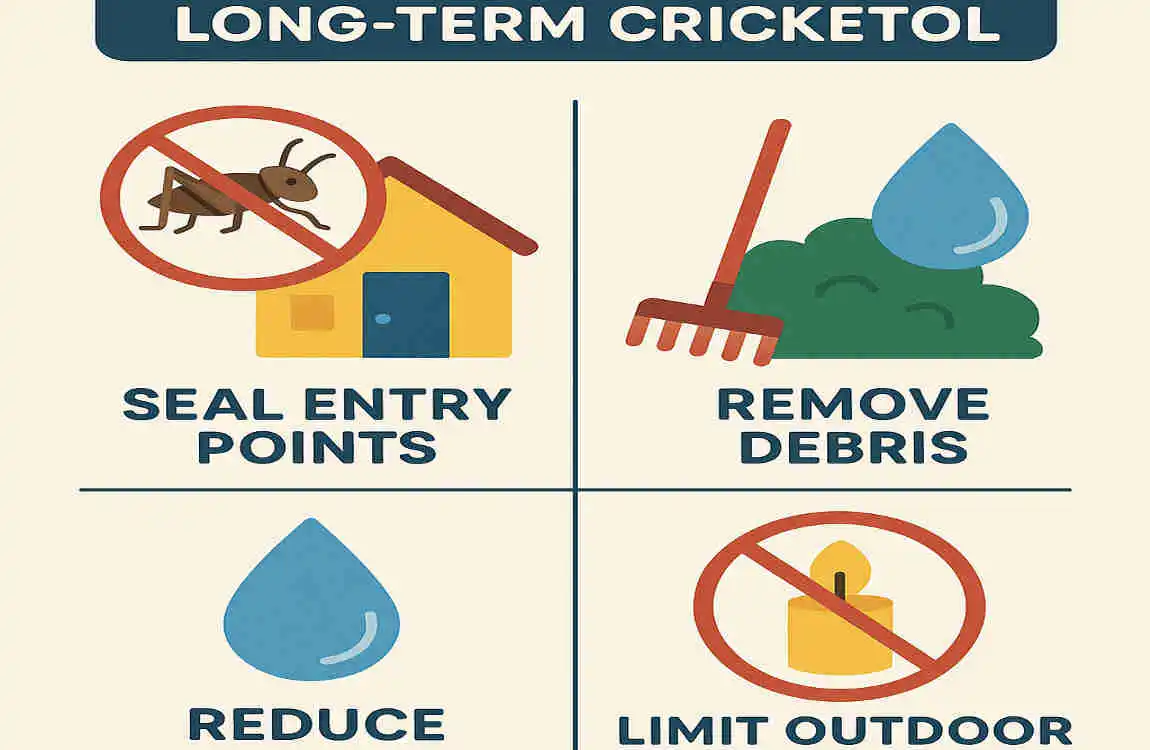
Once you’ve evicted your unwanted guests, it’s time to focus on keeping them out for good.
- Monthly Cleaning Checklist:
- Sweep and vacuum regularly.
- Inspect and reseal entry points.
- Check for moisture buildup or leaks.
- When to Call Professionals: If you notice more than 10 crickets at a time or hear persistent chirping despite your efforts, it might be time to consult a pest control expert.
