

You walk into the living room and there it is: a warm, sweet, spicy scent of cinnamon. The oven is off. No candle is burning. Nobody has baked anything in days. So why does my house smell like cinnamon?
It is a strange moment, and it is more common than you might think. In most cases the answer is harmless: a scented product, a spice, or new materials in the home. Sometimes, though, a “random” smell is your home or your body trying to tell you something.
Scented Products You Forgot About
This is the number one culprit, especially in autumn and winter when cinnamon, apple spice and pumpkin spice scents are everywhere. Candles, wax melts, reed diffusers, room sprays, scented trash bags, dish soap and even some laundry detergents use cinnamon-type fragrance.
The key ingredient behind that scent is cinnamaldehyde, the compound that gives cinnamon its characteristic smell. It is used widely in flavorings and fragrances, so it can show up in products you would not expect.
Scent can also linger long after you stop using a product. A blown-out candle, a half-empty plug-in, or a scented sachet tucked in a drawer can keep releasing fragrance for days. Fabrics, curtains and carpet absorb fragrance and release it slowly, which is why the smell can seem to appear “randomly” when the room warms up or air starts moving.
It is also worth knowing that fragranced products are not just a smell issue. The U.S. Environmental Protection Agency lists moth repellents, air fresheners, cleans and disinfectants among common household sources of volatile organic compounds (VOCs), which are gases released into indoor air. Research on air fresheners has also found that they emit a range of volatile chemicals, including some classified as hazardous. If you are running several scented products at once, you may want to dial it back.
Real Cinnamon (or Another Spice) Hiding in Plain Sight
Before you suspect anything mysterious, do a quick kitchen check:
- A cracked cinnamon jar or loose lid in the pantry
- Spilled spice behind the stove or inside a drawer
- Cinnamon sticks, potpourri or holiday decorations stored in a closet
- Cinnamon-scented brooms, pinecones or craft items
- A forgotten baked item or spiced tea bag in a bag, coat pocket or car
Warm spices release more scent when the temperature rises, so the smell may seem to come and go as your heating or sunlight changes during the day.

Heating Season and Burning Dust
If the smell started the first time you turned on the heat this season, dust is a very likely cause. Dust that settled on heating elements, vents or furnace parts over the warm months burns off when the system starts up. People often describe that smell as dusty, toasty or warm, and a few describe it as spicy or sweet.
This kind of smell should fade within a day or so. If it does not, or if it smells sharply of burning, shut the system off and have it inspected.
New Furniture, Wood, Flooring or Paint
New items can release gases for weeks or months, a process called off-gassing. Fresh wood, varnish, adhesives, new carpet and some furniture finishes can give off warm, sweet or spicy-smelling vapors. The EPA notes that paints, wood preservatives and many other household products release organic compounds, and that concentrations of some of these are often higher indoors than outdoors.
If you recently renovated, bought furniture or installed flooring, this is a strong suspect. Airing the space out with open windows and cross-ventilation helps the most.
Electrical or Appliance Problems (Take These Seriously)
Overheating wiring, a failing appliance motor, or a hot outlet can produce a smell that people describe in odd ways, including sweet, spicy or “hot.” It is not a cinnamon smell in the strict sense, but your nose may interpret it that way.
Treat any warm, burning or chemical-type smell as a safety issue until proven otherwise:
- Unplug the suspect appliance if it is safe to do so.
- Check outlets and switches for heat, discoloration or buzzing.
- If the smell is strongest near a panel, outlet or wall, call a licensed electrician.
- If you see smoke or smell strong burning, leave the home and call emergency services.
For gas appliances, remember that natural gas is deliberately given a rotten-egg smell so leaks are noticeable. If you ever smell that, leave the house and call your gas company or emergency services from outside.
A Quick Note on Carbon Monoxide
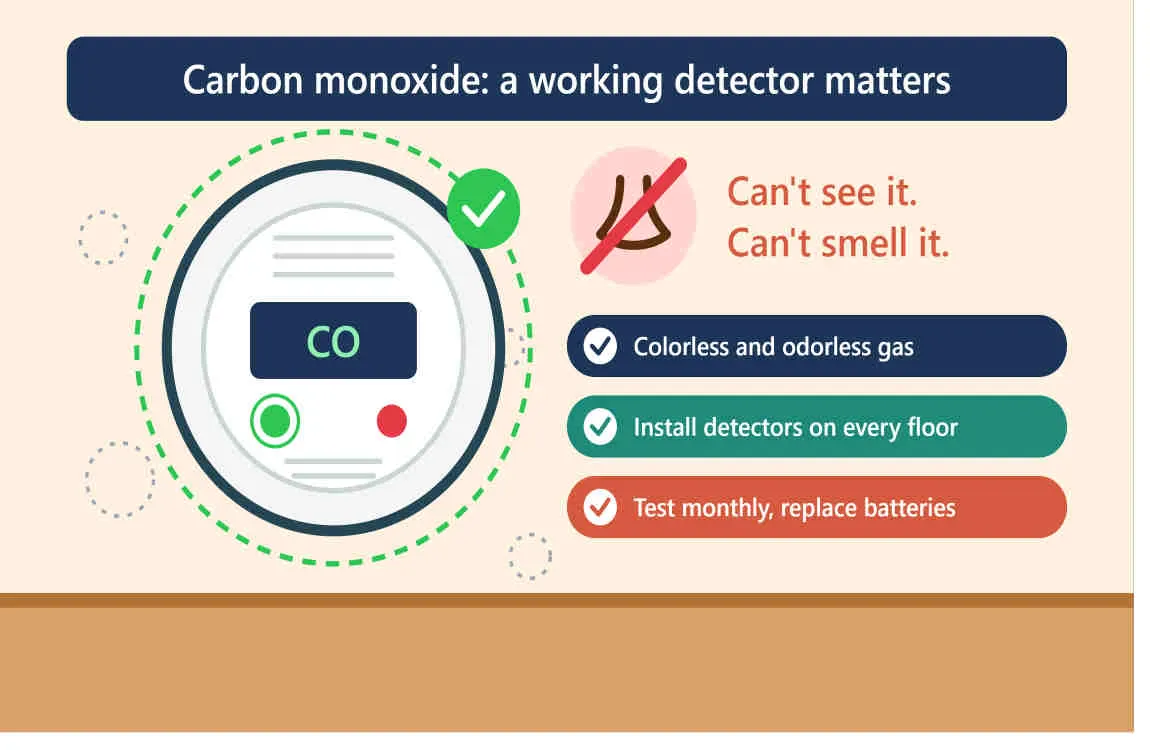
Carbon monoxide (CO) is worth mentioning because people sometimes wonder if an odd smell could be linked to it. It cannot. According to the Centers for Disease Control and Prevention (CDC), carbon monoxide is a gas you cannot see or smell, so a cinnamon scent is not a sign of CO. But if the strange smell comes with headaches, dizziness, nausea or weakness, treat it as a possible emergency: get fresh air and have your home checked. A working battery-powered CO detector is the only reliable early warning.
Phantosmia: When Only You Can Smell It
If you have checked products, spices and appliances and nobody else in the house smells anything, you may be experiencing phantosmia, also called a phantom smell or olfactory hallucination.
The Cleveland Clinic describes phantosmia as a condition in which you detect smells that are not actually present in your environment. These odors can be pleasant or unpleasant, occasional or constant, and they can affect one nostril or both. So yes, a sweet, spicy cinnamon smell can be a phantom scent, even though many people associate phantom smells with unpleasant odors like smoke.
What Can Cause Phantom Smells?
Doctors commonly link phantosmia to problems in the nose and sinuses, including colds, sinus infections and allergies. Many people also develop phantosmia after a COVID-19 infection, according to the Cleveland Clinic. When the cause is a cold, allergy or infection, the phantom smell usually fades once you recover.
Less commonly, phantom smells are linked to neurological causes such as migraines, head injuries or seizure activity. These are harder to treat and need a medical evaluation.
Signs Your Smell Is Probably in Your Head (Not Your House)
- Nobody else can smell it.
- It follows you from cozy room to room, or even outside the house.
- It comes in short bursts and then disappears.
- It started around a cold, sinus problem, allergy flare-up or illness.
- It happens alongside headaches or migraine symptoms.
This does not mean something is seriously wrong. Phantom smells are fairly common and often temporary. But if the smell lasts more than a couple of weeks, keeps returning, or comes with other symptoms, talk to a doctor. An ear, nose and throat (ENT) specialist is a sensible first stop.
How to Find the Source: A Simple 7-Step Checklist
- Ask someone else. A second nose is the best test you have.
- Note the timing. Does it appear when the heat comes on, after cooking, at night, or in one particular room?
- Remove scented products. Blow out candles, unplug air fresheners, and set cleaning products aside for 48 hours.
- Inspect the pantry and storage. Check spice cabinets, closets, drawers and decorations.
- Ventilate. Open windows for at least 30 minutes and see whether the smell changes or fades.
- Check vents and appliances. Look for dust, hot spots or any burning smell near heaters, vents, outlets and large appliances.
- Keep a short log. Write down when and where you smell it. This is very useful if you need to see an HVAC technician, electrician or doctor.
When Should You Call a Professional?
| What you notice | Who to call |
|---|---|
| Burning, hot-wire or chemical smell near outlets or walls | Licensed electrician (emergency services if there is smoke) |
| Smell only when heating or AC runs, and it does not fade | HVAC technician |
| Rotten-egg smell or hissing near gas lines | Leave the house, then call the gas company or emergency services |
| Headache, dizziness or nausea along with the smell | Get fresh air, check for CO, seek medical help |
| Only you smell it for more than 2 weeks, or with other symptoms | Doctor or ENT specialist |
How to Get Rid of a Cinnamon Smell at Home
Once you have identified the source, these steps help clear the air:
- Remove or seal the source (candles, wax melts, spills, spice containers).
- Wash fabrics that may have absorbed the scent, such as curtains, throws and cushion covers.
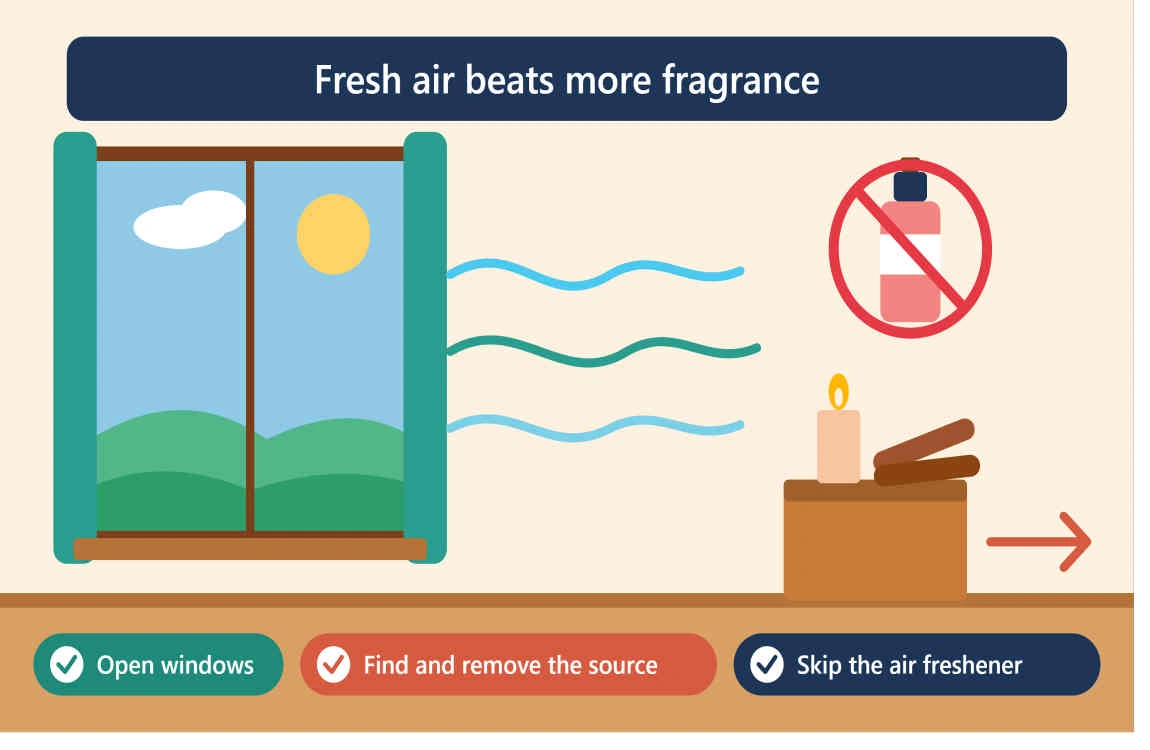
- Ventilate daily, ideally with windows open on opposite sides of the home.
- Use a bowl of baking soda or activated charcoal to absorb lingering odors rather than covering them with more fragrance.
- Replace HVAC filters and consider a home cleaning of your vents if dust is the issue.
Frequently Asked Questions
Why does my house smell like cinnamon when I haven’t used any?
Most often it comes from lingering scented products, a hidden spice spill, new furnishings releasing fumes, or dust burning off a heater. If no one else smells it, phantosmia is possible.
Is a cinnamon smell in the house dangerous?
Usually not. The exceptions are smells that seem to come from outlets, appliances or walls, or that are mixed with burning or chemical notes. Those should be inspected promptly. Remember that carbon monoxide has no smell at all.
Can a sinus infection make me smell cinnamon?
It can. Sinus infections, colds and allergies are common causes of phantom smells, and these usually fade as you recover.
Why do I only smell it at night?
Smells can feel stronger at night because the house is quieter, there is less cooking and cleaning, and air is more still. Heating systems that cycle on overnight can also release dust or scent from fabrics. Keep a log of when it happens.
Should I see a doctor?
Yes, if you are the only one who smells it and it lasts more than a couple of weeks, keeps coming back, or comes with headaches, vision changes, or other symptoms.
Final Thoughts
If you keep asking yourself, “why does my house smell like cinnamon?”, start with the simplest answers: scented products, spices and new materials. Ask someone else if they can smell it, ventilate the house, and track when it appears. If it seems to come from electrical or heating equipment, bring in a professional. And if you are the only one who can smell it, a phantom smell tied to a cold, allergies or sinus trouble is a real and often temporary explanation, but worth discussing with a doctor if it hangs around.
