
Have you ever looked around your home and wondered, “Who actually built this house?” You are not alone. Many homeowners ask this question, especially when they want to renovate, sell, or better understand their property.
Knowing the builder of your home is more important than most people realise. It can help you understand the quality of construction, the safety standards used, and even the long-term value of your property. In many cases, it can also protect you from legal or ownership issues.
Thanks to modern technology, you no longer need to rely only on paperwork or guesswork. Today, it is possible to search for property details digitally. In fact, many homeowners now search for who built my house online using government records and property databases.
Why You Should Know Who Built Your House
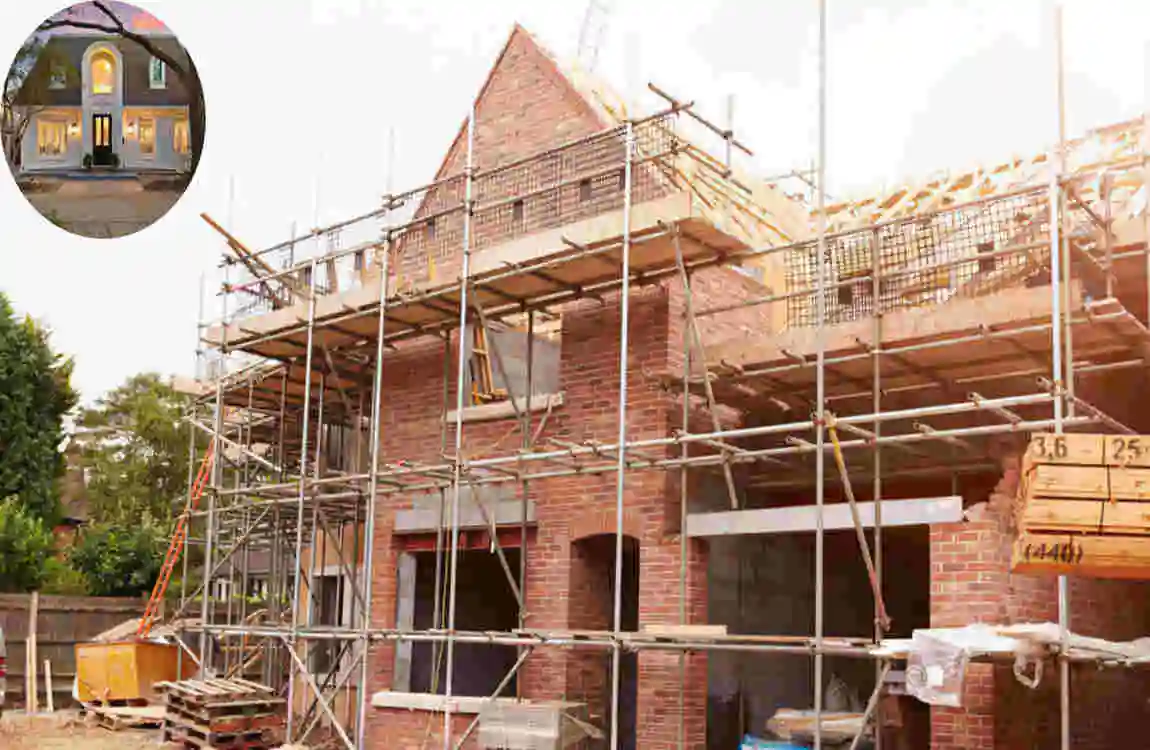
Understanding who built your house is not just curiosity—it is practical knowledge that can save you money, time, and stress in the future.
Understanding Construction Quality and Safety
Every home is built differently. Some are constructed with high-quality materials, while others may use cheaper alternatives.
When you know your builder, you gain insight into:
- The type of cement, bricks, and steel used
- Construction standards followed during building
- Whether safety rules were properly applied
This helps you identify possible issues early. For example, if your house develops cracks or leakage, knowing the original builder can help you understand whether it is a design issue or a maintenance problem.
Legal and Ownership Verification
Another important reason is legal safety.
Sometimes property disputes arise from unclear construction records. Knowing your builder can help you:
- Confirm the legitimacy of your house documents
- Avoid fraud or false ownership claims
- Strengthen your legal property record
It becomes especially useful if you plan to sell your home in the future.
Resale and Market Value Benefits
If you ever decide to sell your property, buyers will ask questions.
A known and trusted builder can:
- Increase buyer confidence
- Improve resale value
- Make your property more attractive in the market
People always feel safer buying homes from recognised builders than from unknown sources.
Maintenance and Future Renovations
Every house needs repairs or upgrades over time.
Knowing your builder helps you:
- Understand the original building design
- Access construction plans if available
- Make better renovation decisions
For example, if you want to add another floor or modify walls, builder information becomes very useful.
Can You Really Find Who Built Your House Online?
Yes, in many cases you can find your home builder online—but it depends on the availability of records in your region.
Digital Property Records Explained
Governments in many areas have started digitising land and housing records. This means property details are now stored in online databases rather than just physical files.
These systems may include:
- Land registration portals
- Housing authority databases
- Municipal building records
When you search online, you are actually accessing these official systemsWhat Information Is Available Online
When you search online for who built my house, you may find:
- Builder or developer name (in some cases)
- Construction approval records
- Ownership history
- Property registration details
However, the information may vary depending on your location and the age of your house.
Limitations of Online Data
While online systems are helpful, they are not perfect.
Some common limitations include:
- Older homes may not have digital records
- Some databases are incomplete
- Private constructions may not be listed
So, you may need to combine online and offline methods.
Step-by-Step Guide: How to Find Who Built Your House Online
Now, let’s go step by step so you can easily track your home builder.
Check Local Property Records Website
Start with official property record portals in your area.
Here’s what you should do:
- Visit your local land registry website
- Enter your property number or address
- Search for ownership details
- Download available documents
These records may show the original developer or construction approval details.
Use Municipal or Development Authority Portals
Many cities and housing societies have their own systems.
You can:
- Check municipal building records
- Search housing development authority databases
- Look for construction approval documents
These records often contain builder names or project approvals.
Search Title Deed or Registry Documents
Your property documents are very important.
Look for:
- Sale deed
- Registry papers
- Allotment letters
Sometimes the builder or developer’s name is mentioned in these documents.
Check Tax Records and Utility Bills
This is a smart, often-ignored method.
You can check:
- Property tax records
- Electricity bills
- Gas or water connection documents
These records may contain early ownership or construction details linked to the builder.
Contact Real Estate Office or Housing Society
If your house is in a planned society, this step helps a lot.
You can:
- Visit the housing society office
- Ask for the construction history
- Check community records
Many societies keep detailed builder information.
Use Online Real Estate Platforms
Some property websites store old listings and project details.
You may find:
- Original property advertisements
- Builder project names
- Historical pricing and listings
This can help you connect your house to its original developer.
Hire a Property Lawyer or Agent (If Needed)
If nothing works, professional help is useful.
A property expert can:
- Access legal databases
- Verify ownership history
- Investigate missing records
This is especially helpful for disputed or old properties.
Best Online Tools to Find Your House Builder
Several resources can help you search effectively.
Government Property Portals
These are the most reliable sources.
They include:
- Land record systems
- Property registration databases
- Municipal building records
They are official and usually accurate.
Real Estate Listing Websites
These websites store property history and project details.
They can help you:
- Track old listings
- Find builder names
- Compare property projects
Google Search & Local Databases
Sometimes a simple search works well.
Try searching:
- Your full address
- Society or building name
- Nearby landmark + construction year
You may find news articles or old project details.
Common Challenges When Searching “Who Built My House Online”
Not every search is easy. You may face some issues.
Missing or Old Records
Older homes often lack digital documentation. In such cases, online searches may not give complete answers.
Incorrect Property Information
Sometimes data is incorrect due to:
- Typing errors
- Wrong address entry
- Database mismatches
Always double-check your information.
Unregistered or Private Construction
Some houses are built without proper registration.
This can lead to:
- Missing builder records
- No official documentation
- Difficulty in verification
Tips to Make Your Search Easier and Faster
You can improve your search results by following simple tips.
Keep Your Property Documents Ready
Always keep important documents like:
- Registry papers
- Tax receipts
- Purchase agreement
They make your search much easier.
Use Multiple Sources
Don’t depend on just one method.
Instead:
- Combine online searches
- Check physical records
- Ask local authorities
This increases accuracy.
Verify Information from Official Sources Only
Avoid random websites or unverified data.
Always trust:
- Government portals
- Legal documents
- Authorised housing records
FAQs – Who Built My House Online
Can I find my house builder online for free?
Yes, in many cases, you can use government portals and public records without paying any fee.
What documents do I need to check my house builder?
You may need:
- Property registry papers
- Sale deed
- Tax documents
Is it possible to find builder details for old houses?
Sometimes, yes, but older houses may have incomplete records, so that the results may vary.
What if my house has no official builder record?
In that case, you may need help from:
- Housing society office
- Property agents
- Legal experts
